 EN
EN


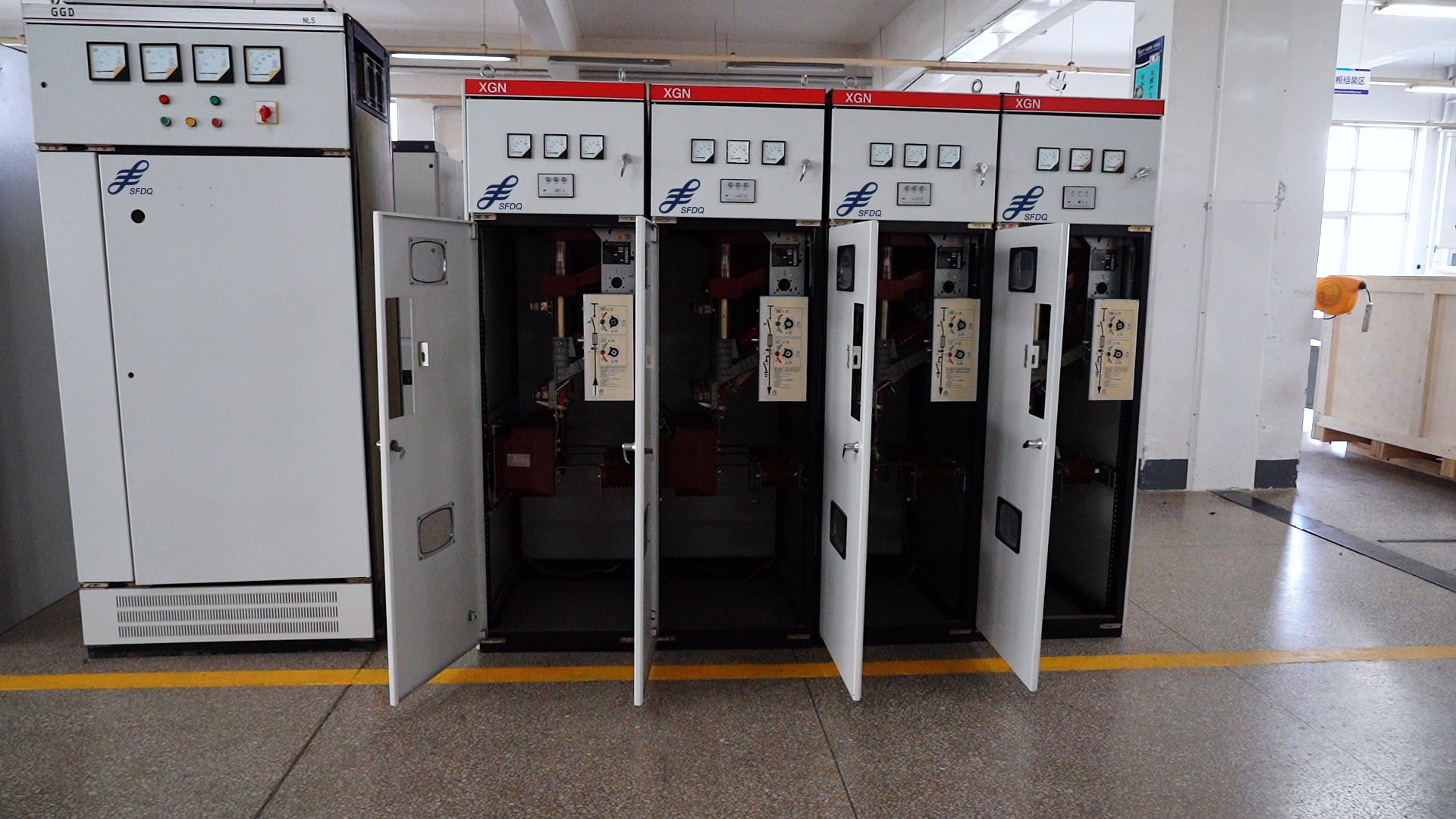
A distribution cabinet serves as the central nervous system of modern data centers, industrial facilities, and commercial buildings. This specialized enclosure consolidates electrical power distribution, data connectivity, and network infrastructure into a single organized unit, eliminating cable chaos and reducing operational downtime. Whether managing power circuits, fiber optic lines, or server connections, the distribution cabinet provides protection, accessibility, and scalability that businesses require to maintain reliable operations.
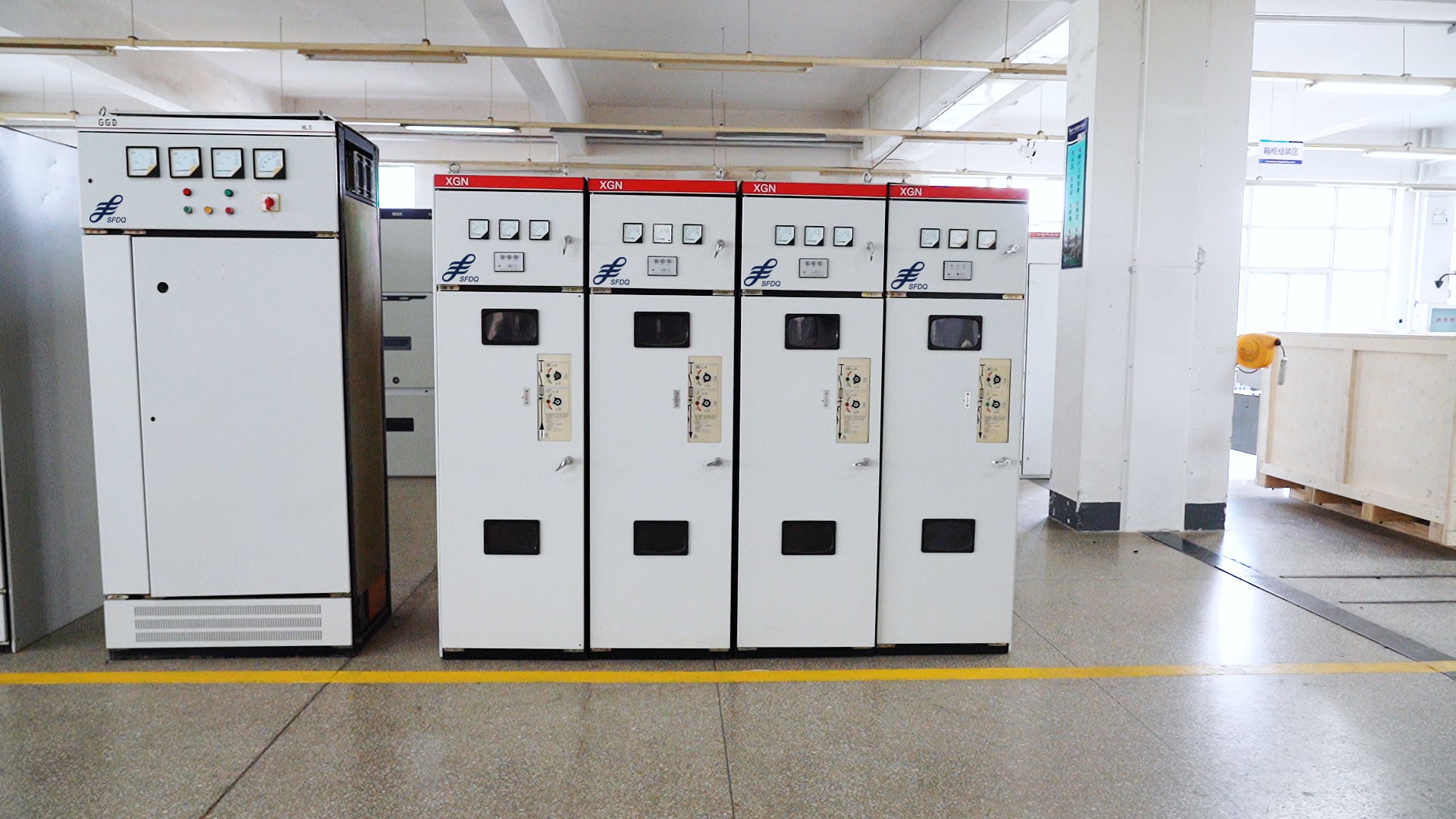
Organizations invest in distribution cabinets because they streamline infrastructure deployment, improve thermal management, and simplify maintenance cycles. A well-designed distribution cabinet reduces installation complexity, minimizes cable runs, and protects critical equipment from environmental hazards. Understanding the role, construction, and application of distribution cabinets empowers facility managers and engineers to make informed decisions about infrastructure investments.
Core Functions of the Distribution Cabinet
Power Distribution and Circuit Protection
The distribution cabinet houses breakers, fuses, and bus bars that manage electrical flow across an entire facility. Each distribution cabinet separates incoming power into dedicated circuits, each protected by individual circuit breakers. This segmentation ensures that a fault in one area does not cascade across the entire system. Modern distribution cabinets incorporate selective coordination, meaning the distribution cabinet closest to a fault clears the problem before upstream devices react.
Surge protection devices integrated into the distribution cabinet shield sensitive electronics from voltage spikes. A quality distribution cabinet includes grounding provisions that create a safe return path for excess electrical energy. Facility operators rely on the distribution cabinet to deliver stable, protected power to servers, workstations, and industrial equipment without interruption.
Data and Communications Integration
Modern distribution cabinets accommodate structured cabling, network switches, and telecommunications equipment alongside power infrastructure. This integrated approach within a single distribution cabinet reduces spatial footprint and simplifies cable management. Fiber optic ports, Ethernet connections, and voice lines coexist within the distribution cabinet, all organized through patch panels and cable trays.
The distribution cabinet design supports redundant data paths and failover capabilities essential for business continuity. By centralizing data infrastructure within a distribution cabinet, IT teams gain easier access for troubleshooting, maintenance, and upgrades. The distribution cabinet becomes the single point of management for both power and communications, significantly lowering operational complexity.
Design and Construction Standards for Distribution Cabinets
Material Selection and Environmental Protection
The distribution cabinet must withstand humidity, temperature fluctuations, and corrosive environments depending on deployment location. Stainless steel distribution cabinets excel in harsh environments where standard carbon steel would corrode rapidly. The distribution cabinet material affects thermal conductivity, durability, and cost, requiring careful selection based on facility conditions.
Proper ventilation within the distribution cabinet prevents heat accumulation that can degrade electronic components. Many distribution cabinet designs include filtered fans, thermostat-controlled cooling, and strategic vent placement to maintain optimal operating temperatures. The distribution cabinet enclosure rating, measured by IP or NEMA standards, determines what environmental hazards it can withstand.
Internal Organization and Accessibility
Effective distribution cabinet design uses DIN rails to mount components uniformly, allowing rapid identification and quick troubleshooting. Cable management systems integrated into the distribution cabinet prevent tangling, reduce airflow obstruction, and improve aesthetic presentation. Labeling and color-coding within the distribution cabinet enable technicians to locate specific circuits or connections instantly.
The distribution cabinet layout prioritizes front-facing controls and indicators for operational visibility. Maintenance access remains a critical consideration in distribution cabinet design, with removable panels and swing-out sections simplifying service calls. Expert distribution cabinet design anticipates future growth, providing spare capacity and flexible mounting positions for equipment expansion.
Installation, Maintenance, and Performance Optimization
Deployment Considerations
Proper placement of the distribution cabinet within a facility influences cable routing efficiency and emergency response time. The distribution cabinet location should minimize horizontal cable runs while remaining accessible to authorized personnel. Ground clearance, ventilation space, and proximity to load centers all factor into distribution cabinet site selection.
Before installation, the distribution cabinet requires load calculations to ensure each circuit accommodates expected demand without exceeding breaker ratings. Coordination with facility design teams ensures the distribution cabinet fits structural and spatial requirements. Professional installation of the distribution cabinet includes bonding and grounding verification to meet electrical codes.
Ongoing Maintenance and Monitoring
Regular inspections of the distribution cabinet identify loose connections, corrosion, or thermal issues before they cause failures. Thermal imaging of the distribution cabinet reveals hot spots indicating overloaded circuits or poor contacts. Many modern distribution cabinet installations include remote monitoring systems that track voltage, current, and temperature continuously.
Documentation of the distribution cabinet configuration enables faster troubleshooting and facilitates smooth transitions when staff change roles. Load balancing across phases within the distribution cabinet improves efficiency and extends component lifespan. Preventive maintenance schedules for the distribution cabinet reduce unplanned downtime and extend infrastructure reliability.
FAQ
What distinguishes a distribution cabinet from a circuit breaker panel?
While both manage electrical circuits, a distribution cabinet integrates additional components including surge protection, data infrastructure, and thermal management within a single enclosure, whereas a standard circuit breaker panel focuses solely on breaker organization. The distribution cabinet is designed for complex environments where power and data coexist, offering greater sophistication and scalability than basic panels.
How do I determine the correct size for a distribution cabinet installation?
Calculate the distribution cabinet size based on current load, anticipated growth, component footprint, and cable routing requirements. A properly sized distribution cabinet includes spare breaker spaces, spare rail positions, and adequate internal depth for cable management. Consulting with an electrical engineer ensures the distribution cabinet meets both current needs and future expansion projections without oversizing unnecessarily.
Can a distribution cabinet be customized for specific facility requirements?
Yes, manufacturers offer extensive customization options for distribution cabinets, including material selection, internal configurations, cooling provisions, and port layouts. Custom distribution cabinet solutions ensure optimal fit with facility architecture, existing infrastructure, and operational workflows. Organizations can specify exact component placements, cable routing provisions, and monitoring capabilities within their distribution cabinet design.