 EN
EN


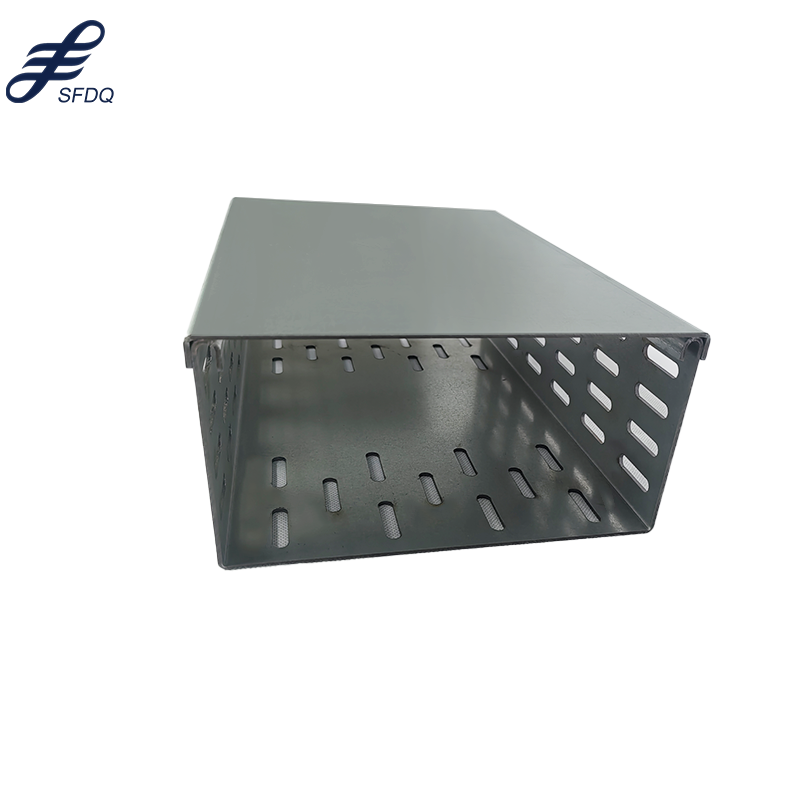
Quality assurance remains the cornerstone of excellence for any reputable cable tray manufacturer in today's competitive industrial landscape. The manufacturing process involves rigorous testing protocols, advanced materials selection, and comprehensive quality control measures that ensure each product meets or exceeds industry standards. Understanding how leading manufacturers maintain these high standards provides valuable insights for procurement professionals and electrical contractors seeking reliable cable management solutions.
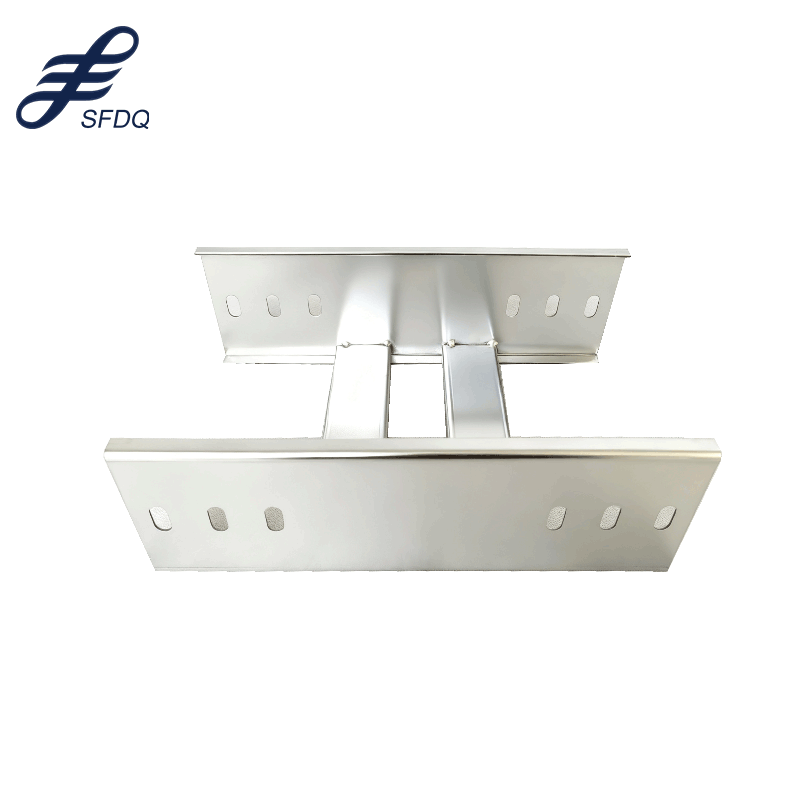
Manufacturing Standards and Certifications
International Quality Standards Compliance
Every professional cable tray manufacturer adheres to strict international quality standards including UL, NEMA, and IEC certifications. These certifications require comprehensive documentation of manufacturing processes, material specifications, and testing procedures. The certification process involves regular audits by third-party organizations to verify that production facilities maintain consistent quality control measures. Manufacturers must demonstrate their ability to produce cable trays that meet specific electrical, mechanical, and environmental performance requirements.
The ISO 9001 quality management system serves as the foundation for systematic quality control in cable tray manufacturing facilities. This framework ensures that every stage of production, from raw material procurement to final product inspection, follows documented procedures and maintains traceability records. Quality management systems enable manufacturers to identify potential issues early in the production process and implement corrective actions before products reach customers.
Material Testing and Validation
Raw material testing represents a critical quality control checkpoint for any cable tray manufacturer. Steel, aluminum, and stainless steel materials undergo comprehensive chemical composition analysis, tensile strength testing, and corrosion resistance evaluation. Material certificates from suppliers must meet specific standards, and incoming materials are subjected to random sampling and verification testing to ensure consistency with specifications.
Advanced testing equipment including spectrometers, tensile testing machines, and salt spray chambers enable manufacturers to validate material properties before production begins. These testing procedures help prevent quality issues that could compromise the structural integrity or longevity of finished cable tray systems. Regular calibration and maintenance of testing equipment ensures accurate and reliable results throughout the manufacturing process.
Production Process Quality Controls
Automated Manufacturing Systems
Modern cable tray manufacturer facilities utilize computer-controlled manufacturing equipment to ensure consistent product dimensions and quality characteristics. CNC punching machines, automated welding systems, and robotic finishing equipment reduce human error and maintain precise tolerances throughout production. These automated systems are programmed with specific parameters for each product type and continuously monitor production variables to detect deviations from established standards.
Real-time monitoring systems track critical production parameters including cutting dimensions, welding penetration, and surface finish quality. Statistical process control methods help identify trends that might indicate equipment wear or process drift, enabling proactive maintenance and adjustment before quality issues occur. Digital documentation systems maintain detailed records of production parameters for each batch, supporting traceability and continuous improvement initiatives.
In-Process Quality Inspections
Quality inspectors conduct regular checks at multiple stages throughout the manufacturing process to verify compliance with specifications. Visual inspections, dimensional measurements, and functional testing occur at predetermined checkpoints to identify and address quality issues before they affect subsequent production steps. Each cable tray manufacturer establishes specific inspection criteria based on product requirements and customer specifications.
Sampling protocols ensure that representative products from each production batch undergo thorough evaluation. Inspection records document findings and any corrective actions taken, creating a comprehensive quality trail that supports continuous improvement efforts. Statistical analysis of inspection data helps identify process improvement opportunities and validates the effectiveness of quality control measures.
Surface Treatment and Finishing Quality
Galvanizing and Coating Processes
Surface treatment quality directly impacts the longevity and performance of cable tray systems, making it a critical focus area for every cable tray manufacturer. Hot-dip galvanizing processes require precise temperature control, immersion timing, and zinc bath composition to achieve uniform coating thickness and adhesion. Pre-treatment procedures including cleaning, pickling, and fluxing must be carefully controlled to ensure optimal galvanizing results.
Powder coating applications involve electrostatic spray systems that apply uniform coating thickness across complex cable tray geometries. Curing ovens maintain specific temperature profiles to achieve proper coating crosslinking and adhesion properties. Regular monitoring of coating thickness, adhesion strength, and color consistency ensures that finished products meet appearance and performance requirements.
Quality Testing of Finished Surfaces
Comprehensive surface testing protocols evaluate coating thickness, adhesion strength, and corrosion resistance properties of finished cable trays. Digital coating thickness gauges provide non-destructive measurement capabilities, while adhesion testing verifies the bond strength between coatings and substrate materials. Salt spray testing simulates long-term exposure conditions to validate corrosion resistance performance.
Color matching and gloss measurement ensure that finished products meet aesthetic specifications and maintain consistency across production batches. Surface defect inspection identifies issues such as coating voids, contamination, or texture irregularities that could affect product performance or appearance. Documentation of surface quality testing results supports warranty claims and provides evidence of manufacturing compliance.
Load Testing and Structural Validation
Mechanical Load Testing Procedures
Structural integrity testing represents a fundamental requirement for any cable tray manufacturer seeking to validate product performance under real-world loading conditions. Load testing equipment applies controlled forces to cable tray sections while monitoring deflection, stress distribution, and failure modes. Testing protocols simulate various loading scenarios including uniform distributed loads, concentrated point loads, and dynamic loading conditions.
Test specimens are selected from regular production runs to ensure that testing results accurately represent production quality levels. Loading cycles and hold times follow established industry standards, while strain gauges and deflection measurement systems provide precise data on structural response characteristics. Testing continues until failure occurs or until loads exceed specified safety factors, providing comprehensive data on structural performance limits.
Fatigue and Durability Testing
Long-term durability testing evaluates how cable tray systems perform under repeated loading cycles that simulate years of service conditions. Fatigue testing equipment applies cyclic loads at frequencies that accelerate the aging process while maintaining realistic stress levels. These tests help identify potential failure modes that might not be apparent during static load testing.
Environmental durability testing exposes cable tray samples to temperature cycling, humidity variation, and corrosive atmospheres that represent challenging installation environments. Combined mechanical and environmental testing provides insights into how multiple stress factors interact to affect product longevity. Test results guide design improvements and help establish appropriate safety factors for different application conditions.
Quality Documentation and Traceability
Production Record Management
Comprehensive documentation systems enable every cable tray manufacturer to maintain complete traceability from raw materials through final product delivery. Digital record-keeping systems link material certifications, production parameters, inspection results, and test data to specific product serial numbers or batch codes. This traceability supports warranty claims, facilitates product recalls if necessary, and enables root cause analysis of quality issues.
Electronic data management systems automatically capture production data from manufacturing equipment and quality testing instruments, reducing transcription errors and ensuring data integrity. Real-time data access enables quality managers to monitor production trends and identify opportunities for process optimization. Backup systems and data security measures protect critical quality records from loss or unauthorized access.
Customer Documentation and Certificates
Quality certificates and test reports provide customers with documented evidence that products meet specified requirements and industry standards. These documents include material certifications, dimensional inspection results, surface treatment verification, and structural testing data. Standardized certificate formats facilitate customer review and approval processes while ensuring that all relevant quality information is clearly communicated.
Custom testing and documentation services accommodate specific customer requirements for additional testing or specialized certifications. Some applications require third-party testing or witness testing by customer representatives, which manufacturers coordinate to ensure compliance with project specifications. Digital certificate delivery systems provide secure access to quality documents and enable efficient document management throughout project lifecycles.
Continuous Improvement and Innovation
Quality Performance Monitoring
Statistical analysis of quality data helps cable tray manufacturer organizations identify trends and opportunities for improvement in manufacturing processes and product designs. Key performance indicators including defect rates, rework percentages, and customer complaint frequencies provide objective measures of quality system effectiveness. Regular review of these metrics guides resource allocation and improvement project prioritization.
Customer feedback systems capture information about product performance in actual installations, providing valuable insights into real-world quality issues that may not be apparent during manufacturing testing. Field performance data helps validate testing protocols and identifies opportunities for product design enhancements. Systematic analysis of customer feedback enables manufacturers to proactively address quality concerns and improve customer satisfaction.
Technology Integration and Advancement
Investment in advanced manufacturing technologies enables cable tray manufacturer companies to achieve higher quality levels while improving production efficiency. Automated inspection systems using machine vision technology can detect surface defects and dimensional variations more consistently than manual inspection methods. Predictive maintenance systems monitor equipment condition to prevent quality issues caused by worn or misaligned manufacturing equipment.
Research and development activities focus on improving manufacturing processes, developing new materials, and enhancing product designs to meet evolving industry requirements. Collaboration with customers, suppliers, and research institutions accelerates innovation and ensures that quality improvements align with market needs. Technology investments are evaluated based on their potential to improve quality, reduce costs, and enhance customer value.
FAQ
What certifications should I look for when selecting a cable tray manufacturer
Look for manufacturers with UL, NEMA, and IEC certifications, as well as ISO 9001 quality management certification. These certifications demonstrate compliance with industry standards and commitment to consistent quality control processes. Third-party certifications provide independent verification of manufacturing capabilities and product performance characteristics.
How do manufacturers ensure consistent quality across different production batches
Manufacturers use statistical process control methods, automated manufacturing equipment, and comprehensive testing protocols to maintain consistency between batches. Raw material testing, in-process inspections, and final product validation ensure that each batch meets the same quality standards regardless of production timing or personnel changes.
What types of testing do cable tray manufacturers perform on their products
Comprehensive testing includes material composition analysis, dimensional verification, load testing, surface treatment evaluation, and corrosion resistance testing. Environmental testing simulates long-term exposure conditions, while fatigue testing evaluates durability under repeated loading cycles. Each test provides specific data about product performance characteristics and compliance with industry standards.
How can customers verify the quality of cable trays before installation
Customers should review quality certificates, material test reports, and dimensional inspection data provided by the cable tray manufacturer. Visual inspection of surface finish quality, dimensional accuracy, and overall workmanship provides additional verification. Some customers may choose to conduct independent testing or witness testing at the manufacturing facility to verify compliance with project specifications.
Table of Contents
- Manufacturing Standards and Certifications
- Production Process Quality Controls
- Surface Treatment and Finishing Quality
- Load Testing and Structural Validation
- Quality Documentation and Traceability
- Continuous Improvement and Innovation
-
FAQ
- What certifications should I look for when selecting a cable tray manufacturer
- How do manufacturers ensure consistent quality across different production batches
- What types of testing do cable tray manufacturers perform on their products
- How can customers verify the quality of cable trays before installation