 EN
EN


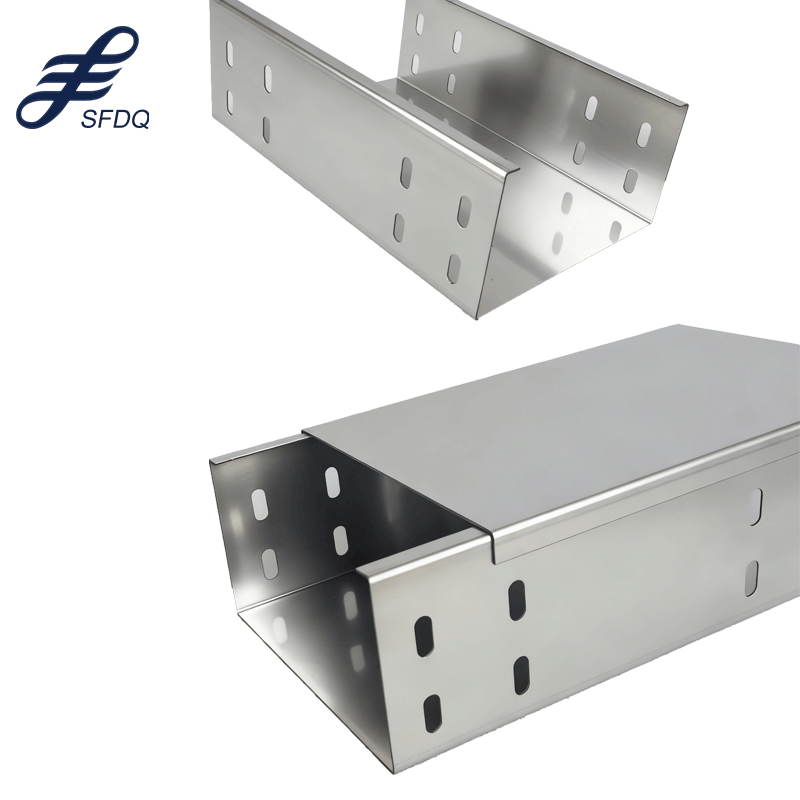
Stainless steel cable trays represent a premium solution for electrical infrastructure applications where superior corrosion resistance and long-term durability are paramount. An ss cable tray system provides unmatched protection against environmental challenges, making it the preferred choice for industrial facilities, offshore installations, chemical processing plants, and other demanding environments where standard cable management solutions fail to deliver adequate performance. The exceptional properties of stainless steel construction ensure that these cable tray systems maintain structural integrity and functionality even under the most corrosive conditions.
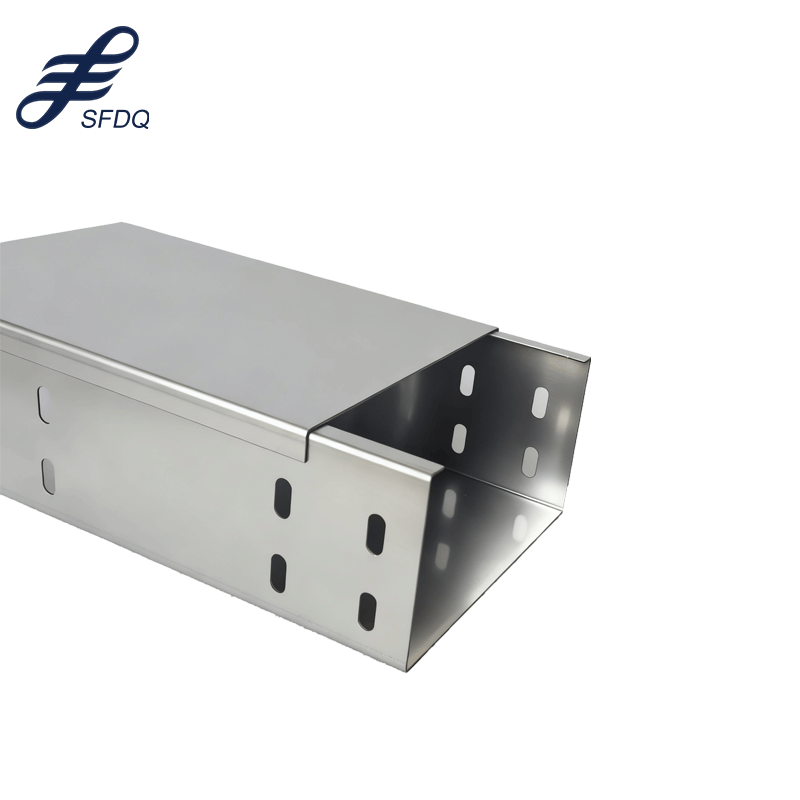
The corrosion resistance capabilities of an ss cable tray system stem from the inherent characteristics of stainless steel alloys, which form a passive chromium oxide layer that self-heals when damaged. This natural protection mechanism enables ss cable tray installations to withstand exposure to moisture, salt spray, chemical vapors, and temperature fluctuations without experiencing the degradation commonly associated with conventional cable tray materials. Understanding the specific corrosion resistance properties and diverse application scenarios helps facility managers and electrical engineers make informed decisions about when to specify stainless steel cable tray systems for their projects.
Fundamental Corrosion Resistance Properties
Chromium Oxide Passive Layer Formation
The superior corrosion resistance of an ss cable tray begins with the formation of an invisible chromium oxide layer on the surface of the stainless steel material. This passive layer, typically only a few atoms thick, creates an impermeable barrier that prevents oxygen and moisture from reaching the underlying metal substrate. When an ss cable tray experiences minor surface damage or scratching during installation or maintenance, this passive layer regenerates automatically in the presence of oxygen, ensuring continuous protection throughout the service life of the installation.
The effectiveness of this passive layer depends significantly on the chromium content of the stainless steel alloy used in ss cable tray construction. Standard grades typically contain a minimum of 10.5 percent chromium, though higher-grade alloys used in premium ss cable tray systems may contain 18 percent chromium or more. The higher chromium content provides enhanced corrosion resistance, making the ss cable tray suitable for increasingly harsh environmental conditions where conventional cable management systems would experience rapid deterioration.
Environmental factors such as pH levels, temperature, and the presence of specific chemicals can influence the stability and effectiveness of the passive layer. An ss cable tray designed for chemical processing applications often incorporates higher chromium and nickel content to maintain passive layer integrity even when exposed to aggressive chemical environments. This understanding of passive layer behavior is crucial for specifying the appropriate grade of ss cable tray for specific installation environments.
Resistance to Atmospheric Corrosion
Atmospheric corrosion represents one of the most common challenges faced by cable tray systems, particularly in coastal environments, industrial areas, and regions with high humidity levels. An ss cable tray demonstrates exceptional resistance to atmospheric corrosion due to its ability to maintain surface integrity despite prolonged exposure to moisture, salt spray, and airborne contaminants. The stainless steel construction ensures that the cable tray maintains both structural strength and aesthetic appearance throughout its operational life.
Salt spray environments pose particular challenges for conventional cable tray materials, as chloride ions can penetrate protective coatings and initiate aggressive corrosion processes. However, an ss cable tray exhibits remarkable resistance to chloride-induced corrosion, making it the ideal choice for marine installations, offshore platforms, and coastal industrial facilities. The resistance to salt spray corrosion ensures that the ss cable tray maintains electrical continuity and mechanical integrity even after years of exposure to harsh marine environments.
Industrial atmospheres containing sulfur compounds, nitrogen oxides, and other corrosive gases present additional challenges for cable tray systems. An ss cable tray constructed from appropriate stainless steel grades maintains its protective properties even when exposed to these aggressive atmospheric conditions. The ability to resist atmospheric corrosion translates directly into reduced maintenance requirements, extended service life, and improved overall system reliability for electrical infrastructure installations.
Chemical Resistance Characteristics
The chemical resistance properties of an ss cable tray make it particularly valuable in process industries where exposure to corrosive chemicals is unavoidable. Stainless steel alloys used in ss cable tray construction demonstrate excellent resistance to a wide range of organic and inorganic chemicals, including acids, bases, solvents, and oxidizing agents. This chemical resistance capability enables the ss cable tray to maintain structural integrity and functionality even in chemical processing facilities, pharmaceutical manufacturing plants, and other environments where chemical exposure is routine.
Different grades of stainless steel offer varying levels of chemical resistance, allowing for customized ss cable tray specifications based on specific chemical exposure scenarios. Austenitic stainless steels commonly used in ss cable tray construction provide excellent resistance to nitric acid, organic acids, and many alkaline solutions. For more aggressive chemical environments, specialized ss cable tray systems may incorporate duplex or super duplex stainless steel grades that offer enhanced resistance to chloride-containing chemicals and reducing acids.
Temperature effects on chemical resistance represent an important consideration for ss cable tray installations in heated chemical processing areas. Elevated temperatures can increase the aggressiveness of many chemicals, potentially affecting the corrosion resistance of the ss cable tray system. However, the thermal stability of stainless steel alloys ensures that the ss cable tray maintains its chemical resistance properties across a wide temperature range, providing reliable performance in both ambient and elevated temperature chemical environments.
Industrial and Commercial Applications
Chemical Processing and Petrochemical Facilities
Chemical processing and petrochemical facilities represent some of the most demanding environments for cable tray systems, where an ss cable tray provides essential protection for critical electrical infrastructure. These industrial settings expose cable management systems to aggressive chemicals, high temperatures, pressure variations, and potential fire hazards that would quickly degrade conventional cable tray materials. The superior corrosion resistance and thermal stability of an ss cable tray ensure reliable electrical distribution throughout process areas, control rooms, and analytical laboratories.
Process areas within chemical facilities often contain atmospheric concentrations of corrosive vapors, making an ss cable tray the logical choice for protecting power and instrumentation cables. The ability of the ss cable tray to resist chemical attack ensures that electrical continuity is maintained even when exposed to accidental chemical spills, vapor releases, or routine process emissions. This reliability is crucial for maintaining safe plant operations and preventing electrical failures that could compromise process control or safety systems.
Instrumentation and control cable routing in petrochemical facilities requires particular attention to corrosion resistance, as signal integrity must be maintained for accurate process monitoring and control. An ss cable tray system provides the necessary protection for sensitive instrumentation cables while offering the mechanical strength required to support cable loads over long spans between structural supports.
Food and Pharmaceutical Manufacturing
Food and pharmaceutical manufacturing facilities demand cable tray systems that meet stringent hygiene standards while providing reliable electrical infrastructure support. An ss cable tray constructed from food-grade stainless steel offers the ideal combination of corrosion resistance, cleanability, and compliance with regulatory requirements. The smooth surfaces and crevice-free construction of quality ss cable tray systems facilitate thorough cleaning and sanitization procedures essential for maintaining product quality and regulatory compliance.
Washdown areas in food processing facilities subject cable tray systems to frequent exposure to hot water, steam, cleaning chemicals, and high-pressure washing procedures. An ss cable tray maintains its structural integrity and electrical properties despite repeated exposure to these harsh cleaning regimens. The corrosion resistance of the ss cable tray ensures that no metal contamination occurs, protecting both the facility's products and equipment from degradation.
Pharmaceutical manufacturing environments often require cable tray systems that can withstand exposure to cleaning solvents, disinfectants, and sterilization procedures without compromising performance. The chemical resistance properties of an ss cable tray make it suitable for cleanroom environments, active pharmaceutical ingredient production areas, and sterile processing zones where contamination control is paramount. The long service life of ss cable tray systems also aligns with the pharmaceutical industry's focus on reducing maintenance disruptions in critical production areas.
Marine and Offshore Installations
Marine and offshore installations present some of the most challenging environments for cable tray systems, where an ss cable tray must withstand constant salt spray exposure, temperature cycling, and mechanical stresses from wave action and platform movement. The exceptional corrosion resistance of stainless steel construction ensures that the ss cable tray maintains structural integrity and electrical performance throughout the harsh marine service environment. This reliability is essential for maintaining safe operations on offshore platforms, ships, and coastal facilities.
Salt spray corrosion represents a primary concern for electrical infrastructure in marine environments, as chloride-induced corrosion can rapidly degrade conventional cable tray materials. An ss cable tray demonstrates superior resistance to chloride corrosion, maintaining both mechanical strength and electrical continuity even after years of salt spray exposure. The passive layer formation characteristic of stainless steel provides continuous protection, eliminating the maintenance burden associated with protective coating systems that require periodic renewal.
Offshore oil and gas platforms require cable tray systems that can function reliably in the presence of hydrocarbon vapors, salt spray, and potential fire hazards. The ss cable tray provides the necessary corrosion resistance while offering excellent fire performance characteristics that contribute to overall platform safety. The mechanical strength and durability of ss cable tray systems also ensure reliable support for critical power and instrumentation cables that maintain platform operations and safety systems.
Selection Criteria and Specification Considerations
Stainless Steel Grade Selection
Selecting the appropriate stainless steel grade for an ss cable tray installation requires careful consideration of the specific environmental conditions and performance requirements. The most commonly used grades for ss cable tray construction include 304, 316, and 316L stainless steels, each offering different levels of corrosion resistance and mechanical properties. Grade 304 stainless steel provides excellent general corrosion resistance and is suitable for most indoor and mild atmospheric applications, while grade 316 offers enhanced chloride resistance for marine and chemical environments.
Environmental factors such as temperature, humidity, chemical exposure, and atmospheric contamination levels directly influence the selection of stainless steel grade for an ss cable tray system. Applications involving exposure to chloride-containing environments, such as coastal installations or chemical processing facilities, typically require grade 316 or 316L stainless steel to ensure adequate corrosion resistance. The lower carbon content in 316L grade provides improved weldability and resistance to intergranular corrosion, making it preferred for welded ss cable tray constructions.
Specialized applications may require duplex or super duplex stainless steel grades for ss cable tray construction, particularly in highly aggressive chemical environments or offshore installations where standard austenitic grades may be insufficient. These advanced grades offer superior mechanical strength and enhanced resistance to stress corrosion cracking, though they typically involve higher material costs that must be justified by the specific application requirements and expected service life.
Surface Finish and Fabrication Quality
The surface finish quality of an ss cable tray significantly impacts both its corrosion resistance performance and aesthetic appearance throughout its service life. Standard mill finishes may be adequate for many applications, though polished or electropolished surfaces provide enhanced corrosion resistance and easier cleaning for hygienic applications. The surface finish selection for an ss cable tray should consider the specific environmental conditions, maintenance requirements, and aesthetic expectations for the installation.
Fabrication quality plays a crucial role in the long-term performance of an ss cable tray system, as poor welding practices, inadequate surface preparation, or contamination during manufacturing can compromise corrosion resistance. Quality ss cable tray manufacturers employ proper welding techniques, post-weld cleaning procedures, and contamination control measures to ensure that the finished product maintains the full corrosion resistance potential of the base stainless steel material.
Edge finishing and connection details require particular attention in ss cable tray design, as sharp edges or crevices can create areas of localized corrosion or stress concentration. Proper edge treatment, smooth transitions, and well-designed connection hardware contribute to the overall durability and performance of the ss cable tray system. These fabrication details become increasingly important in aggressive environments where any weakness in the protective passive layer could initiate corrosion.
Cost-Benefit Analysis and Life Cycle Considerations
While an ss cable tray system typically involves higher initial investment compared to conventional cable tray materials, the superior corrosion resistance and extended service life often provide favorable long-term economics. The reduced maintenance requirements, elimination of protective coating renewal, and extended replacement intervals contribute to lower total cost of ownership over the system's operational life. This economic advantage becomes more pronounced in aggressive environments where conventional cable tray systems would require frequent maintenance or replacement.
Life cycle cost analysis for an ss cable tray installation should consider maintenance labor savings, downtime reduction, and improved system reliability in addition to material cost differences. The ability of the ss cable tray to maintain structural integrity and electrical performance without protective coating maintenance eliminates recurring costs associated with surface preparation, coating application, and production interruptions. These operational benefits often justify the premium investment in stainless steel construction.
Risk mitigation represents another important economic consideration for ss cable tray selection, particularly in critical applications where electrical failures could result in production losses, safety incidents, or environmental releases. The superior reliability and corrosion resistance of an ss cable tray system reduce the probability of unexpected failures and contribute to overall risk reduction strategies. This risk mitigation value becomes increasingly important in applications where electrical system reliability directly impacts operational safety and business continuity.
Installation and Maintenance Best Practices
Installation Techniques and Contamination Prevention
Proper installation techniques are essential for maintaining the corrosion resistance properties of an ss cable tray system throughout its operational life. Contamination from carbon steel tools, cutting fluids, or environmental debris during installation can compromise the passive layer formation and reduce corrosion resistance. Installation crews working with ss cable tray systems should use dedicated stainless steel tools, avoid cross-contamination from carbon steel materials, and implement proper cleaning procedures to maintain surface integrity.
Field modifications and cutting operations require particular attention to preserve the corrosion resistance of an ss cable tray system. Cut edges must be properly deburred and cleaned to remove any iron contamination that could initiate corrosion. Post-cutting treatment with pickling paste or other passivation treatments helps restore the protective passive layer on newly exposed surfaces, ensuring that field modifications do not compromise the long-term performance of the ss cable tray installation.
Connection hardware and fasteners used with an ss cable tray system should be manufactured from compatible stainless steel grades to prevent galvanic corrosion and maintain system integrity. The use of dissimilar metals in direct contact with the ss cable tray can create galvanic couples that accelerate corrosion in the presence of moisture. Proper material selection for all system components ensures consistent corrosion resistance performance throughout the cable tray installation.
Cleaning and Maintenance Procedures
The maintenance requirements for an ss cable tray system are significantly reduced compared to conventional cable tray materials, though periodic cleaning may be necessary to maintain optimal performance in certain environments. Routine cleaning procedures should use appropriate cleaning agents that do not contain chlorides or other chemicals that could compromise the passive layer. Mild alkaline cleaners or specialized stainless steel cleaning products provide effective surface cleaning without affecting the corrosion resistance properties of the ss cable tray.
Inspection procedures for ss cable tray installations should focus on identifying any signs of surface contamination, mechanical damage, or environmental exposure that could affect long-term performance. Visual inspection can identify surface discoloration, staining, or deposits that may indicate the presence of contaminants or corrosive conditions. Early identification of potential issues allows for corrective action before significant degradation occurs, maintaining the superior performance characteristics of the ss cable tray system.
Cleaning frequency for an ss cable tray installation depends on environmental conditions, with more aggressive environments requiring more frequent attention to maintain optimal performance. Food processing facilities may require daily cleaning as part of sanitation procedures, while industrial installations may only need periodic cleaning to remove accumulated deposits or environmental contamination. The development of a maintenance schedule appropriate for the specific installation environment ensures optimal performance of the ss cable tray system throughout its service life.
FAQ
What makes an ss cable tray more corrosion-resistant than other cable tray materials?
An ss cable tray derives its superior corrosion resistance from the chromium content in stainless steel, which forms a passive chromium oxide layer on the surface that provides automatic protection against moisture, oxygen, and many chemicals. This passive layer self-heals when damaged, ensuring continuous protection throughout the service life. Unlike protective coatings that can chip or wear away, this natural protection is inherent to the stainless steel material itself.
In which environments is an ss cable tray most beneficial compared to standard cable trays?
An ss cable tray provides the greatest benefit in corrosive environments such as chemical processing plants, food manufacturing facilities, marine installations, offshore platforms, and pharmaceutical production areas. These environments expose cable trays to aggressive chemicals, salt spray, frequent washdowns, or high humidity conditions that would quickly degrade conventional cable tray materials. The superior corrosion resistance ensures reliable performance and reduces maintenance requirements in these challenging applications.
How does the initial cost of an ss cable tray compare to its long-term value?
While an ss cable tray typically costs more initially than conventional cable tray materials, it often provides superior long-term value through reduced maintenance costs, extended service life, and improved reliability. The elimination of protective coating maintenance, reduced replacement frequency, and decreased downtime for repairs contribute to favorable life cycle economics. In aggressive environments, the total cost of ownership for an ss cable tray system is often lower than alternatives when considering all operational costs over the system's lifetime.
What maintenance is required for an ss cable tray system?
An ss cable tray requires minimal maintenance compared to other cable tray materials due to its inherent corrosion resistance. Routine maintenance typically involves periodic cleaning to remove environmental deposits and visual inspection for mechanical damage or contamination. No protective coating renewal is required, and the passive layer provides continuous protection without intervention. Cleaning procedures should use appropriate stainless steel cleaning products to maintain optimal performance and appearance.
Table of Contents
- Fundamental Corrosion Resistance Properties
- Industrial and Commercial Applications
- Selection Criteria and Specification Considerations
- Installation and Maintenance Best Practices
-
FAQ
- What makes an ss cable tray more corrosion-resistant than other cable tray materials?
- In which environments is an ss cable tray most beneficial compared to standard cable trays?
- How does the initial cost of an ss cable tray compare to its long-term value?
- What maintenance is required for an ss cable tray system?