 EN
EN


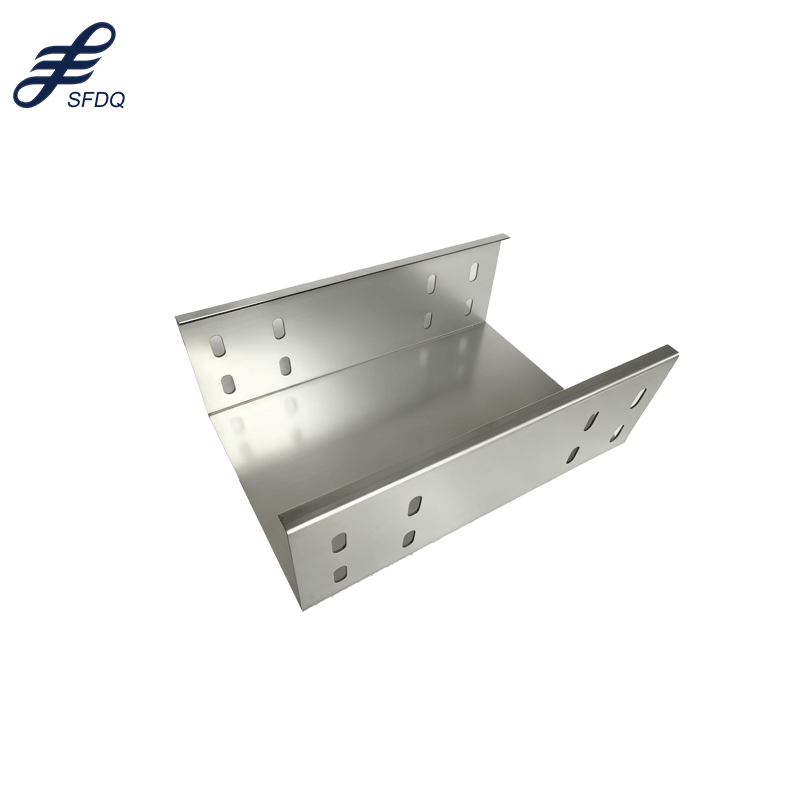
Modern offices depend on reliable, well-organized electrical and data infrastructure to keep operations running smoothly. As workplaces grow more complex — with dense networks of power lines, data cables, and communication wiring — the need for a structured cable management solution becomes impossible to ignore. trunking cable systems have emerged as one of the most practical and widely adopted approaches for organizing office wiring, offering a combination of safety, aesthetics, and long-term operational efficiency that few alternatives can match.

Understanding why trunking cable installations are so widely specified in commercial office environments requires looking at the full picture — from day-to-day usability and compliance requirements to long-term maintenance costs and workplace safety. This article explores the core advantages that make trunking cable the preferred choice for office cable management, and why facility managers, electrical engineers, and office designers consistently recommend it over exposed or loosely bundled wiring approaches.
Improved Cable Organization and Workspace Clarity
Eliminating Cable Clutter in High-Density Office Environments
One of the most immediate advantages of using trunking cable in offices is the dramatic reduction in visible cable clutter. In a typical open-plan office, dozens of workstations, monitors, phones, and network devices generate a dense web of wiring that, without proper containment, becomes tangled, difficult to trace, and visually disruptive. Trunking cable systems enclose all of this wiring within a structured channel, keeping the workspace clean and professional in appearance.
Beyond aesthetics, organized cabling directly supports operational clarity. When cables are routed through a trunking cable system, each run follows a defined path that is easy to document and trace. IT teams and electricians can identify specific cables quickly without disturbing adjacent wiring, which reduces the time and cost associated with troubleshooting or reconfiguration. This level of organization is especially valuable in offices that undergo frequent layout changes or technology upgrades.
The enclosed design of a trunking cable system also prevents accidental disconnections caused by foot traffic, furniture movement, or cleaning activities. Cables that run along walls or under desks without protection are vulnerable to physical damage, which can cause unexpected downtime. Trunking cable containment eliminates this risk by providing a stable, protected pathway for all wiring.
Supporting Separation of Power and Data Cables
A well-designed trunking cable installation allows power cables and data cables to be routed in separate compartments within the same trunking body. This separation is not merely a matter of tidiness — it is a functional requirement in many office environments where electromagnetic interference from power lines can degrade the performance of data and communication cables running in close proximity.
Multi-compartment trunking cable systems are specifically engineered to maintain the necessary separation distances between different cable types, ensuring signal integrity across network and telephone lines. This is particularly important in offices that rely on high-speed data transmission, VoIP systems, or sensitive control wiring. By keeping power and data cables physically separated within the same trunking cable run, installers can meet both performance and compliance requirements without needing separate conduit systems.
The ability to manage multiple cable types within a single trunking cable pathway also simplifies the overall installation layout. Rather than running parallel conduit systems across walls and ceilings, a single trunking cable route can accommodate all necessary wiring categories, reducing material costs and installation time while maintaining full separation where required.
Enhanced Safety for Office Occupants and Infrastructure
Reducing Fire and Electrical Hazards
Safety is one of the most compelling reasons to specify trunking cable in any office environment. Exposed or loosely managed cables present a genuine fire risk, particularly when cables are bundled tightly without ventilation or when damaged insulation goes unnoticed. Trunking cable systems address this risk by providing a contained, ventilated pathway that limits heat buildup and makes cable condition easier to inspect.
High-quality trunking cable products, particularly those manufactured from stainless steel or flame-retardant materials, offer an additional layer of fire resistance. In the event of an electrical fault, the trunking cable enclosure helps contain the spread of heat and flame, giving occupants more time to evacuate and reducing the risk of structural damage. This fire containment property is a key reason why trunking cable is specified in commercial buildings subject to strict fire safety codes.
Regular inspection is also made far more practical with trunking cable systems. Because cables are routed in an accessible enclosure rather than buried in walls or hidden under raised floors, maintenance teams can visually check cable condition, identify wear or damage, and replace individual cables without major disruption. This accessibility supports a proactive approach to electrical safety that is difficult to achieve with concealed wiring methods.
Protecting Cables from Physical Damage and Environmental Factors
Office environments expose cables to a range of physical stresses that can shorten their service life and compromise performance. Foot traffic, rolling chairs, cleaning equipment, and the movement of furniture all create opportunities for cable damage when wiring is left unprotected. Trunking cable systems provide a robust mechanical barrier that shields cables from these everyday hazards.
In offices located in environments with elevated humidity, dust, or chemical exposure — such as laboratories, manufacturing-adjacent offices, or food industry administrative areas — trunking cable systems with appropriate ingress protection ratings offer additional defense against environmental degradation. Stainless steel trunking cable products, in particular, provide excellent corrosion resistance, making them suitable for demanding conditions where standard plastic trunking would deteriorate over time.
The mechanical protection offered by trunking cable also extends the operational lifespan of the cables themselves. Cables that are properly contained and protected from physical stress maintain their insulation integrity longer, reducing the frequency of replacement and the associated costs. For offices managing large cable installations, this longevity translates into meaningful savings over the life of the building.
Flexibility and Scalability for Evolving Office Layouts
Adapting to Office Reconfigurations and Technology Changes
One of the most practical advantages of trunking cable in a commercial office context is the ease with which it accommodates change. Modern offices are rarely static — workstations are relocated, departments are reorganized, and new technology is introduced on a regular basis. A trunking cable system is designed to support these changes without requiring major rework of the underlying infrastructure.
Because trunking cable runs are accessible and modular, adding new cables to an existing installation is straightforward. Installers can open the trunking cable cover, route additional wiring alongside existing cables, and close the cover again without disturbing the rest of the installation. This contrasts sharply with conduit systems or in-wall wiring, where adding new cables often requires significant demolition or the installation of entirely new pathways.
The modular nature of trunking cable systems also means that sections can be extended, redirected, or removed as office layouts evolve. Accessories such as corners, tees, and end caps allow trunking cable runs to be configured in virtually any direction, making it possible to adapt the cable management infrastructure to match new floor plans without starting from scratch. This flexibility is a significant advantage for growing businesses that anticipate ongoing changes to their workspace.
Supporting High-Density Cable Installations
As offices adopt more technology — from multiple monitors per workstation to IoT devices, wireless access points, and building management systems — the volume of cabling required continues to increase. Trunking cable systems are available in a wide range of sizes and capacities, making it possible to accommodate high cable densities without compromising organization or safety.
Larger trunking cable profiles can carry dozens of cables simultaneously while maintaining the separation and organization that the system is designed to provide. This scalability means that a trunking cable installation specified for a new office build can continue to serve the space effectively as cable volumes grow over time, without requiring a complete replacement of the cable management infrastructure.
For offices planning significant technology expansions, specifying a trunking cable system with capacity headroom from the outset is a cost-effective strategy. The incremental cost of a larger trunking cable profile at installation is typically far lower than the cost of retrofitting additional cable management capacity after the office is occupied and operational.
Compliance, Professionalism, and Long-Term Value
Meeting Electrical and Building Code Requirements
Commercial office buildings are subject to a range of electrical installation standards and building codes that govern how cables must be routed, protected, and separated. Trunking cable systems are widely recognized as a compliant method for meeting these requirements, and their use is explicitly referenced in many national and international wiring standards.
Using a properly specified trunking cable system simplifies the compliance process for electrical contractors and building managers. Because trunking cable products are manufactured to defined standards and tested for relevant performance characteristics, specifying them provides a clear audit trail that supports inspections and certifications. This is particularly important for offices in regulated industries such as finance, healthcare administration, or government, where documentation of electrical compliance is a formal requirement.
Beyond regulatory compliance, trunking cable installations also support insurance requirements. Many commercial property insurers require evidence of proper cable management as a condition of coverage, and a documented trunking cable installation provides exactly the kind of evidence that satisfies these requirements. The investment in a compliant trunking cable system therefore has direct implications for the insurability and risk profile of the office property.
Delivering a Professional Appearance and Long-Term Cost Efficiency
The visual impact of a well-executed trunking cable installation should not be underestimated. In client-facing offices, boardrooms, and reception areas, the appearance of the workspace communicates professionalism and attention to detail. A trunking cable system that routes wiring neatly along walls and under desks contributes to a polished, organized environment that reflects positively on the business occupying the space.
From a long-term cost perspective, trunking cable systems offer a strong return on investment. The upfront cost of a quality trunking cable installation is offset by reduced maintenance costs, lower cable replacement frequency, faster troubleshooting, and the avoidance of costly downtime caused by cable damage or disorganization. For office managers responsible for facilities budgets, these ongoing savings make trunking cable a financially sound choice.
The durability of high-quality trunking cable products — particularly those constructed from stainless steel or robust engineered materials — means that the installation continues to perform effectively for many years without requiring significant reinvestment. This longevity, combined with the operational benefits described throughout this article, makes trunking cable one of the most cost-efficient cable management solutions available for commercial office environments.
FAQ
What types of cables can be installed inside a trunking cable system?
A trunking cable system can accommodate a wide variety of cable types, including power cables, data cables, telephone lines, coaxial cables, and control wiring. Multi-compartment trunking cable designs allow different cable categories to be separated within the same enclosure, maintaining the required isolation between power and signal cables while keeping all wiring organized within a single managed pathway.
Is trunking cable suitable for both new office builds and retrofit installations?
Yes, trunking cable systems are well suited to both new construction and retrofit projects. In new builds, trunking cable can be integrated into the design from the outset, allowing for optimal routing and capacity planning. In existing offices, surface-mounted trunking cable can be installed along walls and skirting boards without the need for major structural work, making it a practical solution for upgrading cable management in occupied spaces.
How does trunking cable contribute to office fire safety?
Trunking cable systems contribute to fire safety in several ways. They contain cables within an enclosed pathway that limits heat buildup and reduces the risk of cable damage from external sources. High-quality trunking cable products made from flame-retardant or non-combustible materials help contain the spread of fire in the event of an electrical fault. The accessibility of trunking cable installations also makes it easier to inspect cables regularly and identify potential hazards before they develop into serious problems.
What should be considered when selecting a trunking cable system for an office?
Key selection factors include the volume and types of cables to be managed, the required separation between power and data cables, the environmental conditions of the installation location, and the applicable electrical standards and building codes. Material choice is also important — stainless steel trunking cable offers superior durability and corrosion resistance for demanding environments, while standard materials may be appropriate for typical office conditions. Capacity headroom for future cable additions is another practical consideration that can prevent costly upgrades later.