 EN
EN


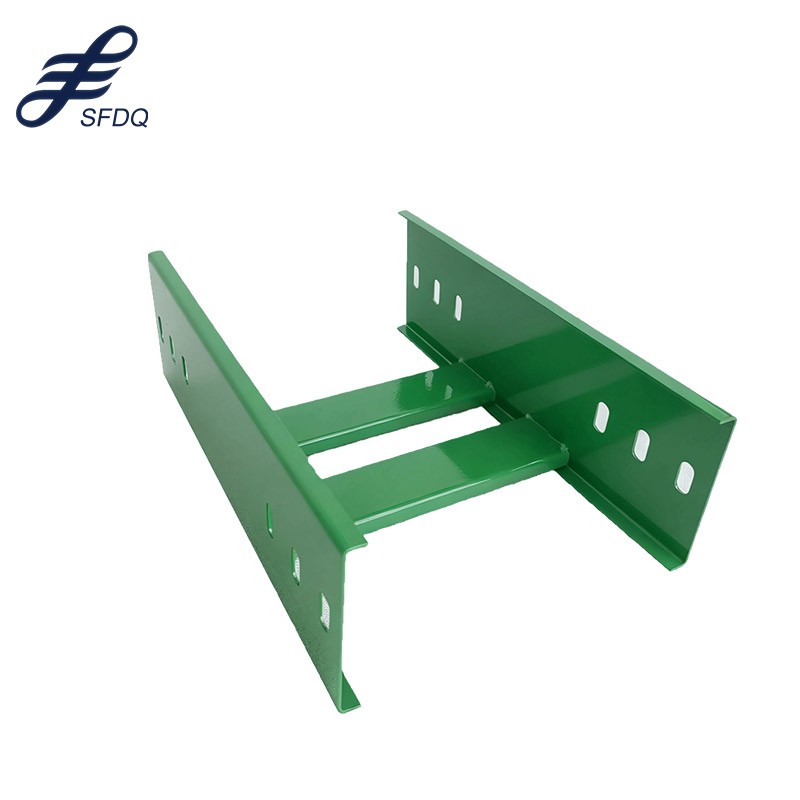
If you have ever walked through an industrial facility, a commercial building, or a data center and noticed rows of metal channels running along the ceiling or walls carrying bundles of electrical cables, you have already seen the answer to what is cable tray in action. A cable tray is a rigid, prefabricated structural system used to support and route insulated electrical cables and wiring in a safe, organized, and accessible manner. Understanding what is cable tray is essential for anyone involved in electrical installation, facility management, or construction planning, because this system forms the backbone of modern cable management infrastructure.
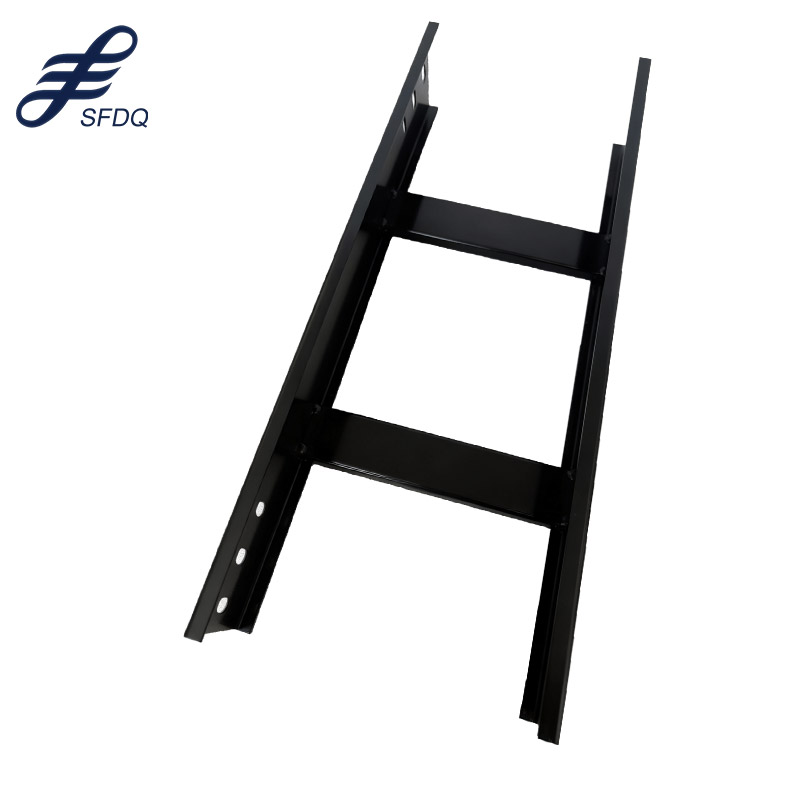
For beginners entering the world of electrical engineering or construction, the concept of what is cable tray can seem technical at first glance. However, once you break it down into its core components, types, and applications, it becomes a straightforward and highly practical topic. This article answers the most common beginner questions about what is cable tray, covering its definition, types, materials, installation logic, and real-world uses — giving you a solid foundation to make informed decisions in any project that involves cable management.
The Core Definition and Purpose of Cable Tray
Defining Cable Tray in Simple Terms
At its most fundamental level, what is cable tray can be answered this way: it is a mechanical support system designed to hold and guide electrical cables from one point to another within a building or facility. Unlike conduit systems that enclose cables inside a pipe, a cable tray is an open or semi-open structure that allows cables to rest on or within it while remaining accessible for inspection, maintenance, or future modifications.
The system typically consists of side rails connected by rungs, solid bottoms, or perforated bases, depending on the design type. These components are manufactured to precise engineering standards to ensure they can bear the weight of multiple cable bundles over long spans without sagging or deforming. When you ask what is cable tray from a structural standpoint, the answer involves both mechanical load-bearing capacity and electrical safety compliance.
Cable trays are not standalone items — they are part of a complete cable management system that includes fittings, connectors, hangers, covers, and grounding accessories. Together, these components create a continuous pathway that protects cables from physical damage, heat buildup, and environmental exposure while keeping installations neat and code-compliant.
Why Cable Tray Exists as a System
The reason what is cable tray matters so much in industrial and commercial settings is that modern facilities require enormous quantities of electrical cabling. Power cables, data cables, control cables, and instrumentation wiring all need to travel through a building in an organized way. Without a structured support system, cables would be draped loosely, creating fire hazards, maintenance nightmares, and code violations.
Cable tray solves this problem by providing a dedicated, engineered pathway. It separates different cable types to prevent electromagnetic interference, allows heat to dissipate naturally from cable surfaces, and makes it easy for technicians to add or remove cables without dismantling the entire installation. This flexibility is one of the key reasons why understanding what is cable tray is so valuable for facility planners and electrical engineers alike.
Types of Cable Tray and Their Structural Differences
Ladder Cable Tray
The ladder type is one of the most widely recognized answers to what is cable tray in heavy industrial environments. It consists of two parallel side rails connected by rungs spaced at regular intervals, resembling a ladder laid flat. This open design promotes excellent airflow around cables, which is critical for high-voltage power cables that generate heat during operation.
Ladder cable trays are preferred in petrochemical plants, power generation facilities, and manufacturing environments where large-diameter cables need to be routed over long distances. The rung spacing allows cables to be secured with ties at multiple points, preventing sagging and maintaining a tidy installation. When evaluating what is cable tray for heavy-duty applications, the ladder type consistently stands out for its load capacity and ventilation performance.
Perforated and Solid Bottom Cable Tray
Perforated bottom cable trays feature a continuous base with punched holes, offering more support surface than a ladder tray while still allowing some airflow. This type is commonly used for smaller cables, instrumentation wiring, and data cables where a solid resting surface is preferred but full enclosure is not required. The perforations also reduce the overall weight of the tray, making installation easier in overhead applications.
Solid bottom trays, by contrast, provide a completely enclosed base that shields cables from dripping liquids, falling debris, and electromagnetic interference from below. They are frequently used in areas where cables need additional physical protection or where the installation environment involves exposure to contaminants. Understanding what is cable tray in terms of bottom design helps engineers select the right type based on the specific environmental and electrical requirements of each project.
Wire Mesh and Channel Cable Tray
Wire mesh cable trays, sometimes called basket trays, are made from welded wire grids and are particularly popular in data centers, office buildings, and telecommunications rooms. Their lightweight construction and flexibility make them easy to cut and shape on-site, which speeds up installation significantly. The open mesh design provides excellent visibility of cable routing and simplifies cable identification during maintenance.
Channel cable trays are narrow, single-rail systems used for light-duty applications where only a small number of cables need to be routed. They are often used for branch circuits, individual cable runs, or in areas where space is limited. Each of these variations answers a slightly different aspect of what is cable tray — together they form a comprehensive family of solutions that can be matched to virtually any installation scenario.
Materials Used in Cable Tray Construction
Steel and Galvanized Steel
Steel is the most common material used in cable tray manufacturing, valued for its high strength, load-bearing capacity, and cost-effectiveness. Hot-dip galvanized steel trays offer excellent corrosion resistance, making them suitable for outdoor installations, coastal environments, and industrial facilities where moisture and chemical exposure are concerns. When people ask what is cable tray made of in heavy industrial settings, galvanized steel is almost always the primary answer.
Pre-galvanized or electro-galvanized steel trays are used in indoor environments where corrosion risk is lower. They offer a cleaner appearance and are easier to cut and modify on-site. The choice between different steel finishes depends on the installation environment, expected service life, and budget constraints of the project.
Aluminum, Stainless Steel, and Fiberglass
Aluminum cable trays are significantly lighter than steel alternatives, which reduces structural load on ceilings and walls and simplifies handling during installation. Aluminum also has natural corrosion resistance, making it a practical choice for food processing facilities, pharmaceutical plants, and other environments where hygiene and cleanliness are priorities. When considering what is cable tray for weight-sensitive or corrosion-prone applications, aluminum is a strong contender.
Stainless steel trays are used in highly corrosive environments such as chemical processing plants, offshore platforms, and marine installations where standard galvanized steel would degrade too quickly. Fiberglass reinforced plastic trays are non-conductive and non-magnetic, making them ideal for environments with strong electromagnetic fields or where electrical isolation between the tray and cables is required. Each material choice reflects a specific answer to what is cable tray performance requirements in demanding conditions.
Installation Principles and Practical Considerations
How Cable Tray Is Installed in a Facility
Installing a cable tray system begins with a detailed routing plan that maps out the path cables will take from source to destination. Engineers consider ceiling heights, structural obstructions, maintenance access requirements, and separation distances between power and data cables. This planning phase is critical because what is cable tray ultimately determines how efficiently a facility's electrical infrastructure can be built and maintained over its lifetime.
Once the routing is planned, support structures such as hangers, brackets, and trapeze assemblies are installed at regular intervals along the ceiling or walls. The tray sections are then connected using splice plates and fittings to create a continuous run. Horizontal and vertical bends, tees, and crosses allow the tray to navigate around obstacles and change direction without interrupting the cable pathway.
Grounding is a critical step in cable tray installation. The tray system must be properly bonded and grounded to prevent the accumulation of static electricity and to ensure that any fault current is safely directed to ground. This is one of the reasons why what is cable tray involves not just mechanical support but also electrical safety engineering.
Load Capacity and Span Calculations
Every cable tray has a rated load capacity expressed in kilograms or pounds per meter of span. Engineers must calculate the total weight of all cables that will be placed in the tray and ensure that the selected tray and its support spacing can handle that load without exceeding deflection limits. Overloading a cable tray can cause permanent deformation, cable damage, and potential safety hazards.
Span tables provided by manufacturers give guidance on the maximum distance between supports for each tray size and load rating. Understanding these tables is part of answering what is cable tray from an engineering perspective. Proper span calculations ensure long-term structural integrity and compliance with electrical installation standards such as IEC, NEMA, and local building codes.
For projects that require a reliable, CE-certified cable tray solution with fast delivery and easy installation, options like the what is cable tray product range from Sanfeng Electrical offer a practical starting point for both new installations and system upgrades.
Applications Across Industries
Industrial and Commercial Uses
The answer to what is cable tray used for spans an enormous range of industries. In manufacturing plants, cable trays route power and control cables to machinery, motors, and control panels across large floor areas. In oil and gas facilities, they provide corrosion-resistant pathways for instrumentation and power cables in hazardous zones. In commercial buildings, they organize the distribution of electrical power, lighting circuits, and low-voltage data cabling throughout office floors and retail spaces.
Data centers represent one of the fastest-growing application areas for cable tray systems. The sheer volume of power and data cables in a modern data center demands a highly organized, scalable cable management solution. Wire mesh trays and ladder trays are both widely used in these environments, often installed both above raised floors and in overhead ceiling spaces to create a complete cable management infrastructure.
Infrastructure and Utility Projects
Beyond buildings, what is cable tray applies to large-scale infrastructure projects such as power substations, railway systems, airports, and water treatment facilities. In these environments, cable trays must withstand outdoor weather conditions, UV exposure, and sometimes chemical contamination. The choice of material, coating, and tray type is driven by the specific environmental challenges of each site.
Utility-scale solar and wind energy installations also rely heavily on cable tray systems to manage the extensive cabling between generation equipment, inverters, and grid connection points. As renewable energy infrastructure continues to expand globally, the demand for robust and weather-resistant cable tray solutions grows in parallel. This broad applicability reinforces why what is cable tray is such a foundational question for anyone working in electrical or construction fields.
FAQ
What is cable tray and how is it different from conduit?
A cable tray is an open or semi-open support structure that holds cables along a defined route, while conduit is a closed pipe or tube that fully encloses individual cables. The key difference is accessibility — cable trays allow cables to be added, removed, or inspected without dismantling the system, whereas conduit requires pulling cables through a sealed pathway. Cable trays are generally preferred for large cable volumes and flexible installations, while conduit is used where cables need full mechanical protection or must pass through walls and floors.
What materials are cable trays typically made from?
Cable trays are most commonly made from hot-dip galvanized steel, which offers a strong combination of load capacity and corrosion resistance. Aluminum is used where weight reduction is important or where hygiene standards apply. Stainless steel is chosen for highly corrosive environments, and fiberglass reinforced plastic is selected for non-conductive or non-magnetic requirements. The material choice depends on the installation environment, load requirements, and applicable industry standards.
Does a cable tray need to be grounded?
Yes, grounding is a mandatory requirement for metallic cable tray systems in most electrical installation standards. Proper grounding ensures that any fault current or static charge buildup is safely directed to earth, protecting both personnel and equipment. Grounding is achieved by bonding tray sections together with approved connectors and connecting the system to the facility's main earthing network. Fiberglass trays are non-conductive and do not require grounding in the same way, but any metallic hardware used with them must still be properly bonded.
How do I choose the right type of cable tray for my project?
Choosing the right cable tray starts with understanding the cable types, quantities, and weights involved, as well as the installation environment. Ladder trays are best for heavy power cables in industrial settings where ventilation is important. Perforated trays suit medium-duty applications with smaller cables. Wire mesh trays are ideal for data centers and light commercial installations. Solid bottom trays are used where cables need protection from dripping liquids or debris. Material selection follows from the environmental conditions — galvanized steel for general use, aluminum for weight-sensitive or hygienic environments, and stainless steel or fiberglass for extreme conditions.