 EN
EN


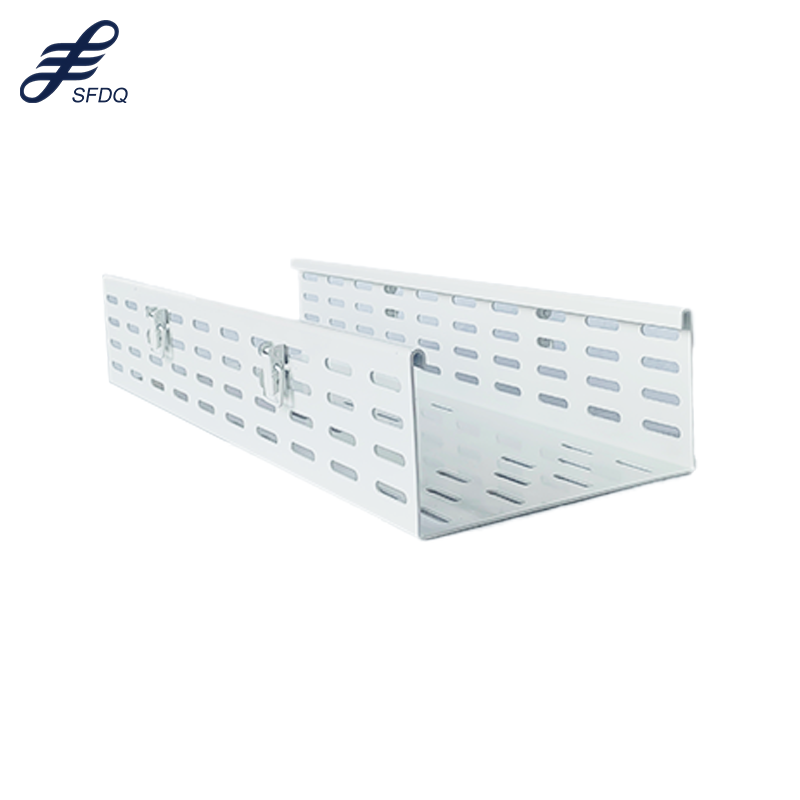
Implementing a cable bridge in a plant environment requires careful planning, precise engineering, and attention to operational safety standards. A cable bridge serves as a critical infrastructure component that routes electrical cables, data lines, and communication systems across facility spaces while maintaining organization and accessibility. This case study examines the practical aspects of deploying a cable bridge system, from initial assessment through final commissioning, providing industrial facility managers with actionable insights for successful installation.
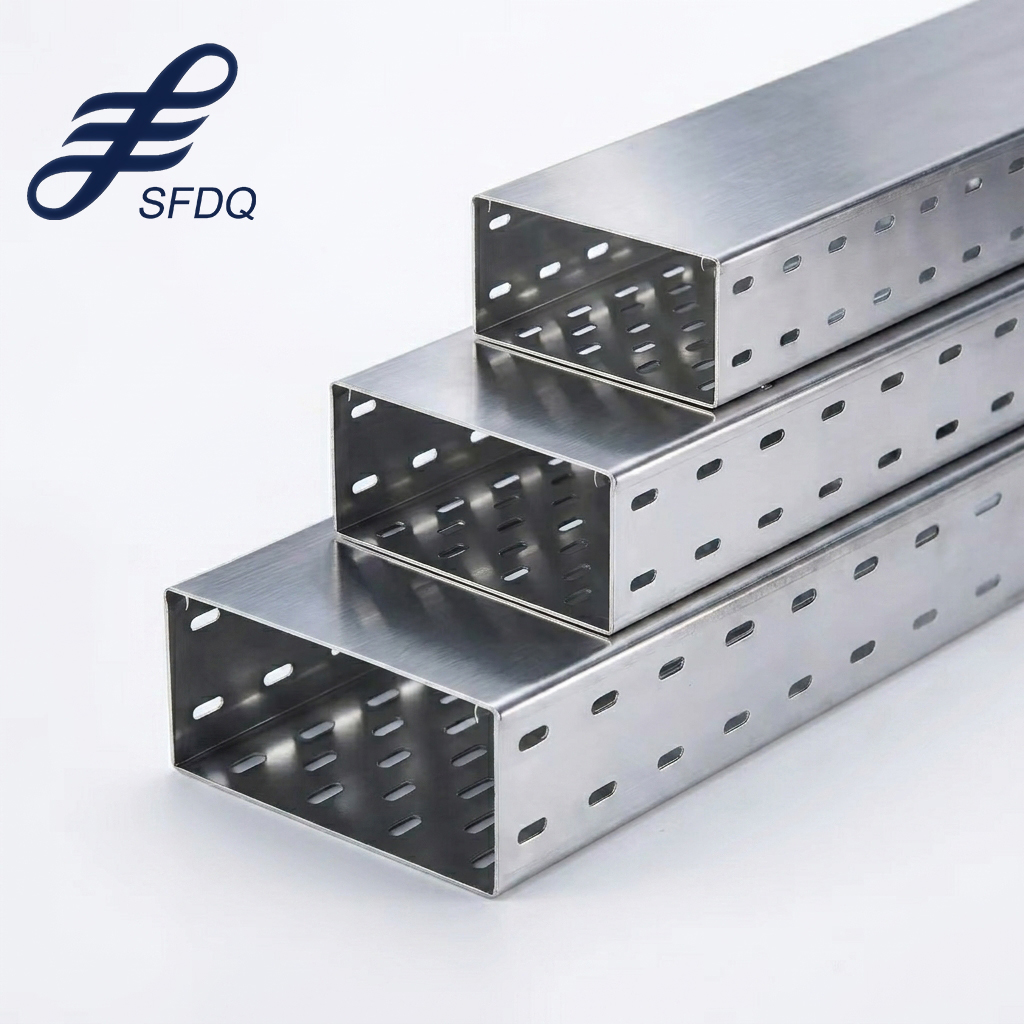
A cable bridge infrastructure project transforms how facilities manage extensive wiring networks across manufacturing floors, laboratory spaces, and administrative areas. The cable bridge acts as a backbone system, eliminating cable clutter, reducing maintenance downtime, and improving electrical safety compliance. Understanding the real-world implementation process helps facility teams anticipate challenges, allocate resources effectively, and deliver projects on schedule while maintaining regulatory compliance throughout the installation lifecycle.
Planning and Site Assessment for Cable Bridge Deployment
Evaluating Facility Requirements and Cable Volume
Before installing a cable bridge, conduct a comprehensive audit of existing and future cable requirements. Document the types of cables your facility uses: power cables, control lines, communication systems, and sensor networks. Calculate the total cable volume to ensure your chosen cable bridge has adequate capacity for current needs plus twenty to thirty percent expansion capacity. This forward-thinking approach prevents costly retrofitting when operational demands increase, making your cable bridge investment more sustainable long-term.
Mapping Installation Routes and Structural Considerations
The cable bridge routing must navigate around existing equipment, production workflows, and facility constraints while remaining accessible for maintenance. Identify structural support points where your cable bridge will mount: walls, columns, ceiling beams, or floor-mounted pedestals. Consider clearance requirements above work areas, doorways, and emergency exit pathways. A well-planned cable bridge route minimizes the total system length, reduces installation complexity, and maintains worker safety by keeping cables away from personnel walkways and equipment operation zones.
Design Specifications and Material Selection for Cable Bridge Systems
Choosing Appropriate Cable Bridge Materials and Load Ratings
Cable bridge material selection directly impacts system longevity and maintenance requirements. Aluminum alloy cable bridge options provide excellent corrosion resistance, lightweight handling, and flame-retardant properties, making them ideal for plant environments exposed to moisture, temperature fluctuations, or chemical exposure. Steel cable bridge systems offer higher load capacity and cost efficiency for heavy-duty applications but require protective coatings to prevent rust. Calculate the total cable weight your cable bridge must support, then add safety margin beyond rated capacity to ensure reliable long-term operation.
Ventilation and Cable Separation Standards
Proper cable separation within your cable bridge system prevents electrical interference, heat accumulation, and safety hazards. Power cables and signal cables must be physically separated or shielded within the cable bridge to prevent cross-talk and maintain signal integrity. Ensure adequate ventilation throughout the cable bridge length to dissipate heat generated by high-current power cables. Your cable bridge design should allow for easy cable identification using color-coded markers or labeling systems, enabling technicians to locate specific circuits quickly during troubleshooting or maintenance operations.
Installation Methodology and Operational Integration
Structural Installation and Mounting Procedures
Install your cable bridge system using appropriate fastening hardware sized for the weight and anticipated cable load. Mount the cable bridge at consistent intervals following manufacturer specifications, typically every four to six feet, to prevent sagging and maintain structural integrity. Use vibration isolation mounts in areas near vibrating equipment to extend the cable bridge lifespan and reduce transmitted noise. Ensure all fasteners are properly torqued and regularly inspected, as loose connections can lead to movement that accelerates material fatigue in your cable bridge structure.
Cable Routing and Labeling Within the Cable Bridge
Route cables through your cable bridge in organized bundles, maintaining logical separation between power and data circuits. Use cable ties or support clips to position cables consistently within the cable bridge, preventing cables from shifting during maintenance activities or environmental vibrations. Implement comprehensive labeling at both ends of your cable bridge and at regular intervals along the run. Labels should identify circuit numbers, voltage ratings, and destination equipment, enabling maintenance personnel to work safely and efficiently. This organizational approach significantly reduces troubleshooting time and minimizes accidental disconnections during facility upgrades or repairs.
Compliance, Maintenance, and Long-Term Reliability
Regulatory Standards and Safety Compliance
Your cable bridge installation must comply with electrical codes, building standards, and industry regulations applicable to your specific facility type. Verify that your chosen cable bridge meets flame-retardant ratings for your environment and that all materials are properly certified. Document all installation steps, material specifications, and load calculations for your cable bridge system to satisfy audit requirements and support future modifications. Regular compliance reviews ensure your cable bridge continues meeting evolving safety standards and regulatory requirements throughout its operational lifetime.
Preventive Maintenance and Performance Monitoring
Establish a preventive maintenance schedule for your cable bridge system, including visual inspections for corrosion, loose fasteners, and cable damage. Perform thermal imaging periodically to identify overheating within the cable bridge that might indicate undersizing or improper cable distribution. Update your cable bridge labeling and documentation whenever modifications occur to maintain accurate records. A well-maintained cable bridge system delivers decades of reliable service, supporting facility growth and preventing unexpected downtime caused by cable-related failures or safety violations.
FAQ
What is the typical lifespan of a properly installed cable bridge system?
A well-designed and maintained cable bridge typically lasts twenty to thirty years or longer. The actual lifespan depends on environmental conditions, material selection, load management, and maintenance practices. Aluminum alloy cable bridge systems in dry, indoor environments often exceed thirty years. Regular inspections, prompt repairs, and appropriate load management directly extend your cable bridge service life and maximize return on installation investment.
Can existing cables be moved into a new cable bridge without replacement?
Yes, existing cables can generally be repositioned into a new cable bridge provided they remain in acceptable condition. Inspect all cables during migration for damage, deterioration, or insulation wear. Verify cable ratings match current facility requirements and that separating power and data circuits within the cable bridge maintains safety standards. This approach reduces total project costs while modernizing cable management infrastructure throughout your plant.
How do you calculate the correct cable bridge size for a facility?
Calculate cable bridge size by measuring total cross-sectional area of all cables, then selecting a cable bridge with forty to fifty percent spare capacity. Account for future expansion plans when determining size requirements. Your cable bridge sizing should accommodate planned equipment additions over the next five to ten years. Consulting with electrical engineers during this calculation ensures your cable bridge investment supports long-term facility requirements while maintaining safety margins and operational flexibility.