 EN
EN


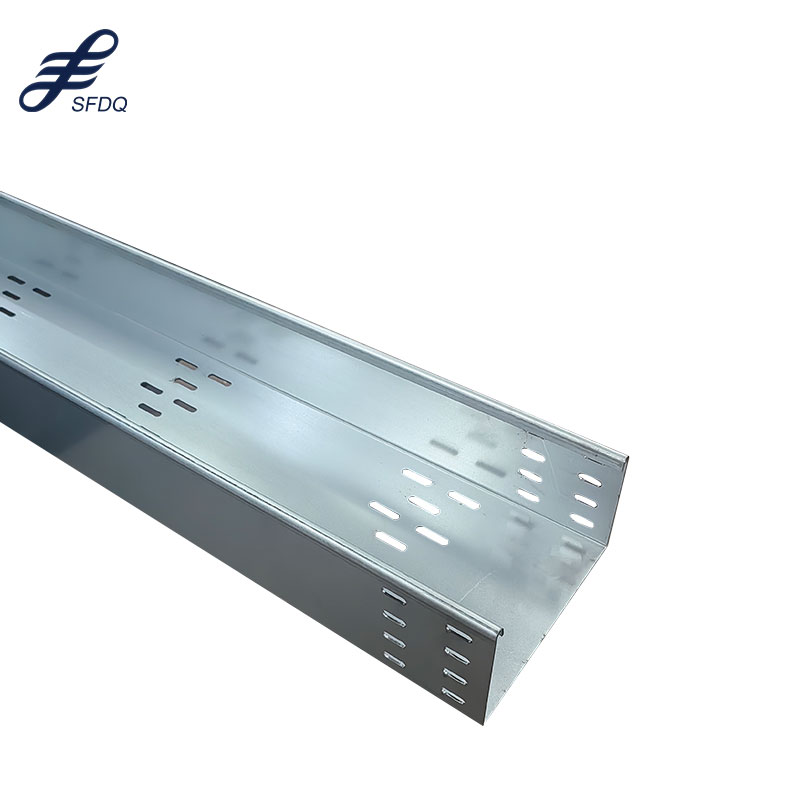
Heavy duty cable tray systems represent a critical infrastructure component for managing power, data, and communication cables in demanding environments. These robust support structures are engineered to withstand significant loads, environmental stresses, and operational demands across diverse industrial and commercial settings. Understanding where to deploy a heavy duty cable tray system is essential for facility managers, electrical engineers, and construction professionals seeking reliable cable management solutions. The proper selection and placement of heavy duty cable tray infrastructure directly impacts system reliability, maintenance accessibility, and long-term operational efficiency in high-stress applications.
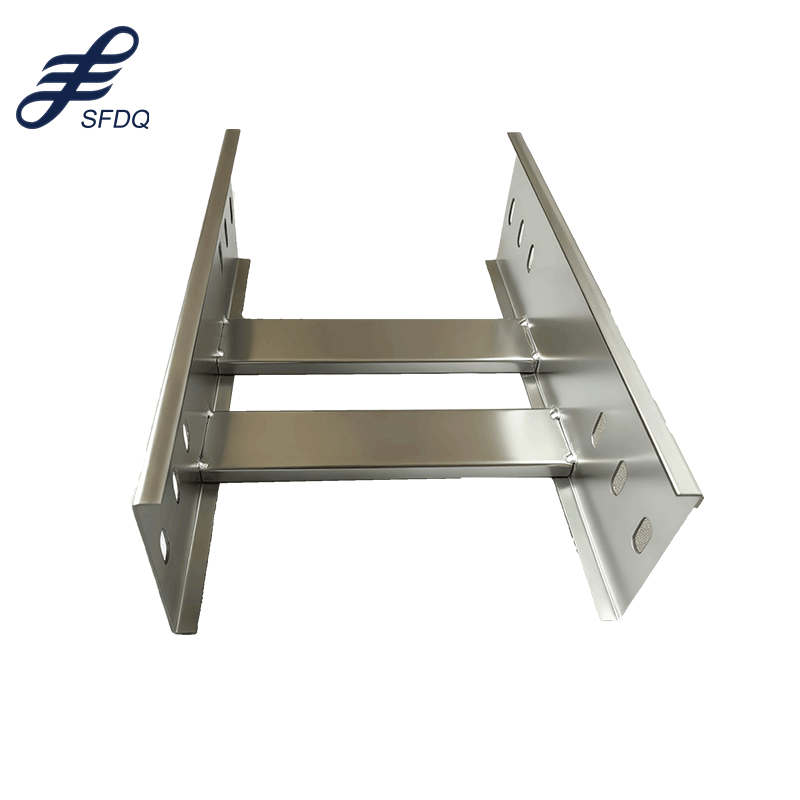
Heavy duty cable tray deployment decisions require careful assessment of environmental conditions, load requirements, space constraints, and regulatory compliance standards. Organizations must evaluate whether heavy duty cable tray systems are appropriate for their specific applications by examining cable volume, weight distribution, temperature fluctuations, moisture exposure, and future expansion needs. The distinction between standard and heavy duty cable tray specifications becomes critical when facilities operate under extreme conditions or must maintain continuous operational uptime. This guide explores the principal application environments where heavy duty cable tray systems excel, providing practical insights for deployment decisions across multiple industrial and commercial sectors.
Industrial Manufacturing and Processing Facilities
Heavy Manufacturing Operations
Manufacturing plants represent primary deployment environments for heavy duty cable tray systems due to the substantial volume of electrical infrastructure required to power production equipment. A heavy duty cable tray system must accommodate hundreds or thousands of individual conductors, fiber optic cables, and control signal lines running simultaneously through manufacturing floors. Steel mills, automotive production facilities, chemical processing plants, and food manufacturing operations all demand robust cable management infrastructure that can support continuous high-load cable runs without deflection or structural failure. Heavy duty cable tray installations in these settings typically span multiple floors, cross equipment chambers, and integrate with equipment protection systems that prevent cable damage from machinery vibration and thermal exposure.
Thermal and Chemical Exposure Zones
Industrial environments often expose cables to extreme temperature variations, caustic chemical exposure, and moisture accumulation that standard cable trays cannot withstand. Heavy duty cable tray systems constructed from corrosion-resistant materials or equipped with protective coatings maintain structural integrity when exposed to sulfuric acid vapors, alkaline solutions, salt spray, and petrochemical fumes. Oil refineries, chemical manufacturing plants, and metal processing facilities require heavy duty cable tray infrastructure designed specifically for these harsh chemical environments. The heavy duty cable tray framework prevents cable insulation degradation, maintains safe electrical performance, and ensures accessibility for routine maintenance and emergency repairs in these demanding industrial contexts.
Data Centers and IT Infrastructure
High-Density Cable Concentrations
Modern data centers require exceptionally heavy duty cable tray systems to manage thousands of individual network cables, power distribution conductors, and fiber optic lines distributed across server racks and networking equipment. A heavy duty cable tray system in data center environments must support cable densities that would overwhelm standard tray infrastructure, while maintaining proper spacing for thermal management and equipment accessibility. Heavy duty cable tray specifications in data centers often include precision load calculations that account for current and future capacity expansion, network redundancy pathways, and rapid cable reconfiguration requirements. The heavy duty cable tray installation must facilitate rapid access for system modifications, troubleshooting, and equipment replacement while preventing cable congestion that restricts airflow or creates fire hazards.
Redundancy and Failover Systems
Enterprise data centers implement multiple heavy duty cable tray systems running parallel pathways to support redundant power delivery, network connectivity, and backup communication systems. Heavy duty cable tray networks must maintain separation distances between redundant cable runs to prevent simultaneous system failure from localized equipment damage or environmental events. Mission-critical facilities deploy heavy duty cable tray infrastructure with independent support structures, maintenance access points, and compliance with building codes that mandate cable system redundancy. The heavy duty cable tray architecture in these applications provides the structural capacity and organizational clarity necessary for supporting complex failover systems and system monitoring protocols.
Commercial Buildings and Infrastructure Projects
Multi-Story Office and Retail Complexes
Large commercial buildings frequently utilize heavy duty cable tray systems to distribute electrical power, data connectivity, and communication infrastructure across multiple floors and tenant spaces. A heavy duty cable tray system supports the substantial cable loads required for building automation systems, fire suppression controls, emergency lighting, and distributed data networks serving hundreds of individual occupants. Commercial facilities deploy heavy duty cable tray infrastructure in mechanical spaces, above drop ceilings, and through equipment corridors where cables must span significant distances between utility distribution points and individual floors. Heavy duty cable tray placement in commercial environments must comply with building codes, fire safety regulations, and seismic design standards while maintaining adequate working space for electrical maintenance personnel.
Critical Infrastructure and Transportation Applications
Transportation hubs including airports, rail facilities, and transit stations require heavy duty cable tray systems capable of supporting massive cable bundles for lighting, signaling, security, and communications infrastructure. Heavy duty cable tray systems in these critical facilities must withstand vibration from moving vehicles, temperature variations from outdoor weather exposure, and electromagnetic interference from high-voltage rail systems. Hospitals, data backup facilities, and government installations depend on heavy duty cable tray infrastructure to ensure reliable power delivery and communication connectivity during emergency situations. Heavy duty cable tray specifications for these applications include enhanced structural reinforcement, seismic restraint systems, and electromagnetic shielding features that standard infrastructure cannot provide.
Environmental and Operational Considerations
Extreme Climate and Outdoor Installations
Heavy duty cable tray systems deployed in outdoor environments or facilities with significant temperature fluctuations must resist thermal expansion, UV degradation, and precipitation accumulation that compromise infrastructure performance. Wind farms, coastal industrial facilities, and outdoor mining operations require heavy duty cable tray infrastructure engineered for extreme environmental stresses including salt spray corrosion and high-velocity wind loading. Heavy duty cable tray materials must expand and contract within acceptable tolerances across extreme temperature ranges, preventing cable stress and connection failures during seasonal weather variations. The heavy duty cable tray installation in these locations typically includes additional fastening systems, drainage provisions, and corrosion protection coatings that extend infrastructure lifespan and reduce maintenance requirements.
Load Capacity and Future Scalability
Selecting appropriate heavy duty cable tray systems requires accurate assessment of current cable loads and realistic projections for future capacity expansion within facility planning horizons. Heavy duty cable tray specifications should provide capacity margins exceeding anticipated requirements by twenty to forty percent to accommodate additional cables without requiring infrastructure replacement. Industrial facilities planning significant equipment additions, network expansion, or production capacity increases benefit from heavy duty cable tray systems that provide scalability and prevent premature infrastructure obsolescence. Heavy duty cable tray design flexibility allows facilities to modify cable routing, add redundant systems, and reconfigure infrastructure without structural modifications or complete system replacement investments.
FAQ
What differentiates heavy duty cable tray from standard cable tray systems?
Heavy duty cable tray systems feature reinforced structural components, higher load-bearing capacities, enhanced corrosion resistance materials, and design specifications engineered for extreme environmental conditions. Standard cable trays support lightweight applications in controlled environments, while heavy duty cable tray infrastructure accommodates substantially greater cable volumes, heavier individual conductor sizes, and harsh industrial conditions. Heavy duty cable tray systems typically incorporate thicker steel gauges, additional cross-bracing, and specialized coating systems that increase durability and extend infrastructure lifespan in demanding applications.
How do I determine if a facility requires heavy duty cable tray infrastructure?
Assessment begins with calculating total cable weight, analyzing environmental exposure conditions, reviewing facility expansion plans, and consulting applicable building codes and industry standards. Heavy duty cable tray solutions become necessary when cable loads exceed standard tray capacity ratings, facilities operate in corrosive environments, or continuous uptime requirements demand redundant infrastructure. Consulting with electrical engineers and cable management specialists ensures selection of appropriate heavy duty cable tray specifications that meet current requirements while providing adequate future capacity margins.
What maintenance requirements apply to heavy duty cable tray systems?
Heavy duty cable tray infrastructure requires periodic visual inspections for corrosion progression, structural fastener integrity, and cable organization compliance with safety standards. Environmental conditions determine maintenance frequency, with coastal and chemically-exposed facilities requiring more frequent inspections than controlled indoor environments. Coating touch-ups, fastener replacement, and cable reorganization typically constitute routine heavy duty cable tray maintenance activities that preserve system performance and extend infrastructure lifespan beyond initial installation periods.