 EN
EN


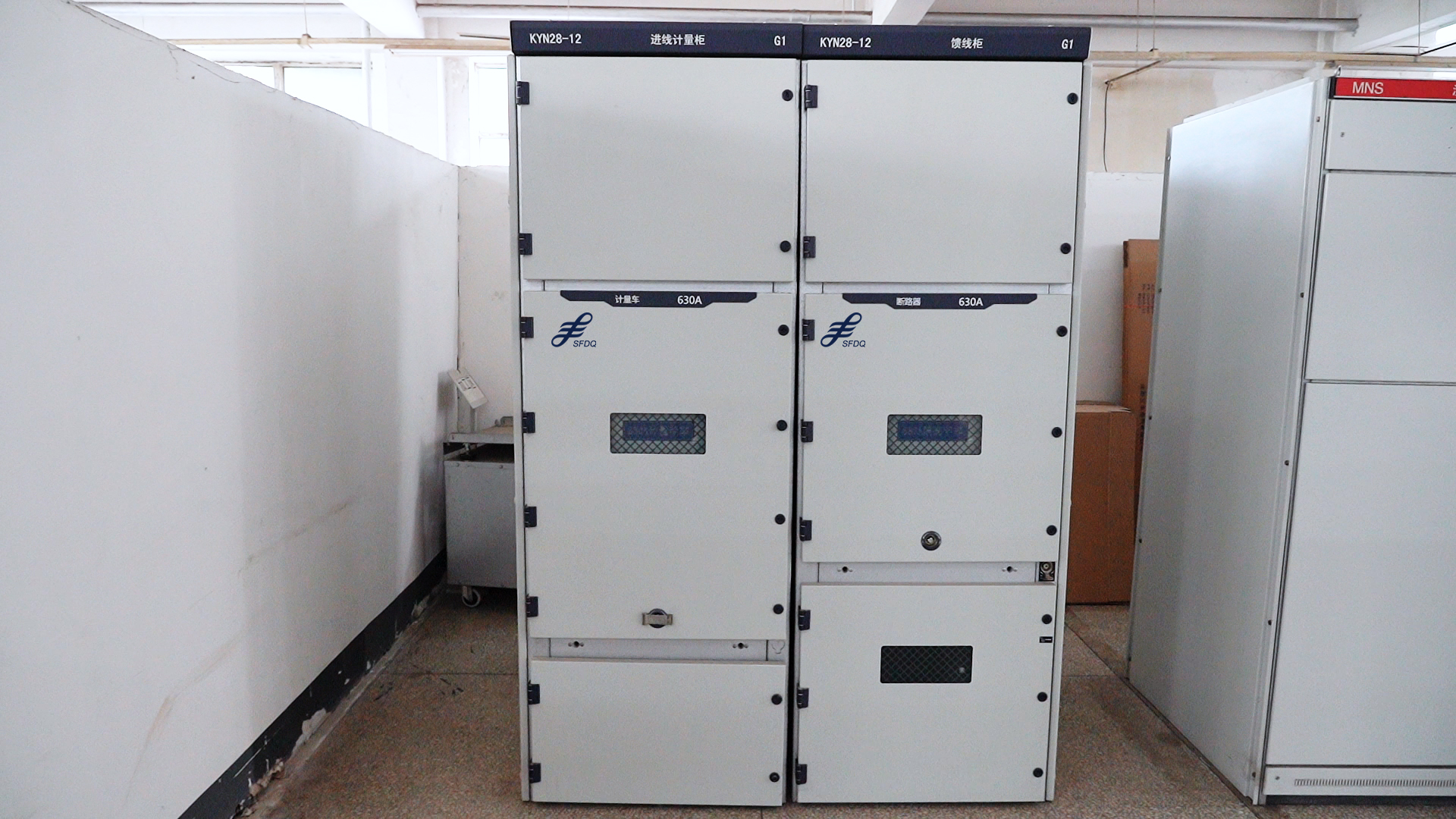
A distribution box serves as the central hub for electrical power management in virtually every building and industrial facility. Whether you're managing a residential home, a commercial office, or a large-scale manufacturing plant, understanding how a distribution box functions is essential for safety, efficiency, and compliance. The distribution box receives incoming electrical power and divides it into separate circuits, each protected by its own breaker or fuse. This critical component ensures that electricity flows safely to different areas of your property while preventing overloads and electrical hazards.
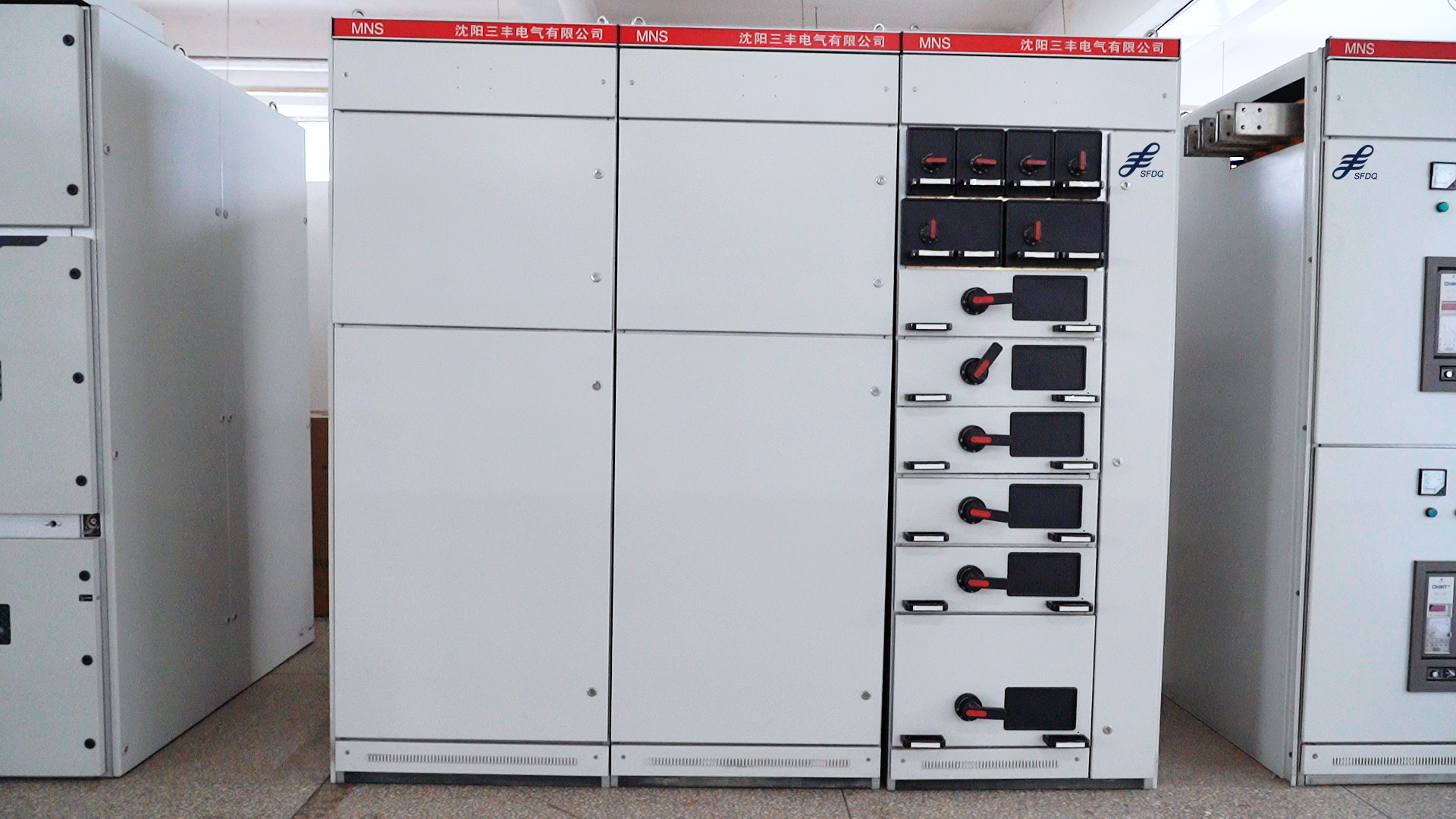
The importance of a properly functioning distribution box cannot be overstated. From protecting circuits and distributing voltage appropriately to enabling troubleshooting and maintenance, the distribution box is fundamental to electrical infrastructure. Understanding the differences between residential distribution boxes and industrial models helps you select the right solution for your specific needs. This guide explores the full spectrum of distribution box applications, design variations, and implementation strategies across different environments.
Types of Distribution Boxes and Their Applications
Residential Distribution Boxes
In homes and small residential buildings, a distribution box typically contains 12 to 24 circuit breakers or fuses. This distribution box manages power for lighting, heating, cooling, kitchen appliances, and other household devices. A residential distribution box is usually located in a basement, utility room, or garage where it remains accessible for maintenance but out of everyday traffic. The distribution box in a typical home receives single-phase power from the utility company, usually rated at 100 to 200 amps, and splits this into multiple lower-capacity circuits for safety and control.
Commercial Distribution Boxes
Commercial buildings require more complex distribution box configurations than residential properties. A distribution box in a commercial setting often supports three-phase power systems and contains significantly more circuit protection than residential models. This distribution box must handle higher demand from multiple floors, office equipment, HVAC systems, and lighting controls. Many commercial installations feature a main distribution box connected to secondary distribution boxes throughout the building, creating a hierarchical power distribution network that improves reliability and makes maintenance easier.
Industrial Distribution Box Design and Requirements
High-Capacity Industrial Distribution Boxes
Industrial environments demand specialized distribution box configurations designed for heavy loads and continuous operation. An industrial distribution box must accommodate three-phase power, often at higher voltages than commercial systems, and provide robust protection against faults and overcurrent conditions. The distribution box in an industrial facility frequently includes advanced monitoring systems, power factor correction, and harmonic filtering to maintain power quality. These specialized distribution boxes must meet strict international standards and codes, including IEC and local electrical regulations, ensuring safety and compliance in demanding manufacturing and processing environments.
Outdoor and Harsh Environment Distribution Boxes
When a distribution box operates in outdoor or harsh industrial settings, construction materials and protective ratings become critical considerations. An outdoor distribution box must resist moisture, extreme temperatures, UV exposure, and corrosive atmospheres. Stainless steel, galvanized steel, or powder-coated enclosures protect the distribution box components from environmental degradation. This type of distribution box often features IP65 or higher ingress protection ratings, ensuring that dust and water cannot compromise the internal components even during heavy rain or cleaning operations.
Installation, Maintenance, and Selection Criteria
Proper Installation Practices for Distribution Boxes
Installing a distribution box requires careful planning and strict adherence to electrical codes and safety standards. The distribution box must be positioned at an appropriate height, typically 48 to 60 inches from the floor in commercial and industrial settings, ensuring easy access for inspection and maintenance. Clearance around the distribution box must meet code requirements, usually 36 inches of clear space in front and 12 inches on either side. When installing a distribution box, all incoming and outgoing circuits must be properly labeled, color-coded, and documented for future troubleshooting and safety. Grounding and bonding of the distribution box enclosure are mandatory to prevent dangerous electrical shocks and equipment damage.
Maintenance and Troubleshooting
Regular inspection of your distribution box helps identify potential problems before they become hazardous. A well-maintained distribution box operates reliably for decades, while neglected units may develop corrosion, loose connections, or component failures. Periodically checking the distribution box for signs of overheating, such as discoloration or burn marks around breakers, can alert you to overloaded circuits or faulty protection devices. Thermal imaging cameras can reveal hot spots within the distribution box that indicate loose connections or failing components. Professional electricians should inspect the distribution box at least annually, testing grounding, measuring voltage distribution, and verifying that all breakers trip correctly.
Selecting the Right Distribution Box for Your Application
Choosing the correct distribution box depends on multiple factors including your facility's power requirements, voltage type, environmental conditions, and future expansion plans. Calculate your peak power demand and select a distribution box with sufficient capacity for current needs plus at least 20 percent headroom for growth. Consider whether you need single-phase or three-phase power distribution, as this fundamentally determines the distribution box architecture. Environmental factors like temperature range, humidity, dust, and chemical exposure guide your choice of enclosure materials and protection ratings. Consulting with a qualified electrical engineer or contractor ensures that your distribution box selection aligns with applicable codes and your facility's unique operational requirements.
FAQ
What is the primary function of a distribution box?
A distribution box receives incoming electrical power and divides it into separate circuits, each protected by its own breaker or fuse. The distribution box ensures safe power delivery throughout your facility while preventing overloads and electrical hazards through circuit protection and voltage regulation.
How often should a distribution box be inspected?
A distribution box should be professionally inspected at least annually, with more frequent checks in harsh industrial environments. Regular inspection of the distribution box helps identify overheating, loose connections, and component failures before they cause safety hazards or operational disruptions.
Can I install a distribution box myself?
Installing a distribution box requires specialized electrical knowledge and must comply with local electrical codes. Most jurisdictions require a licensed electrician to install a distribution box, obtain proper permits, and verify code compliance before the system operates.