 EN
EN


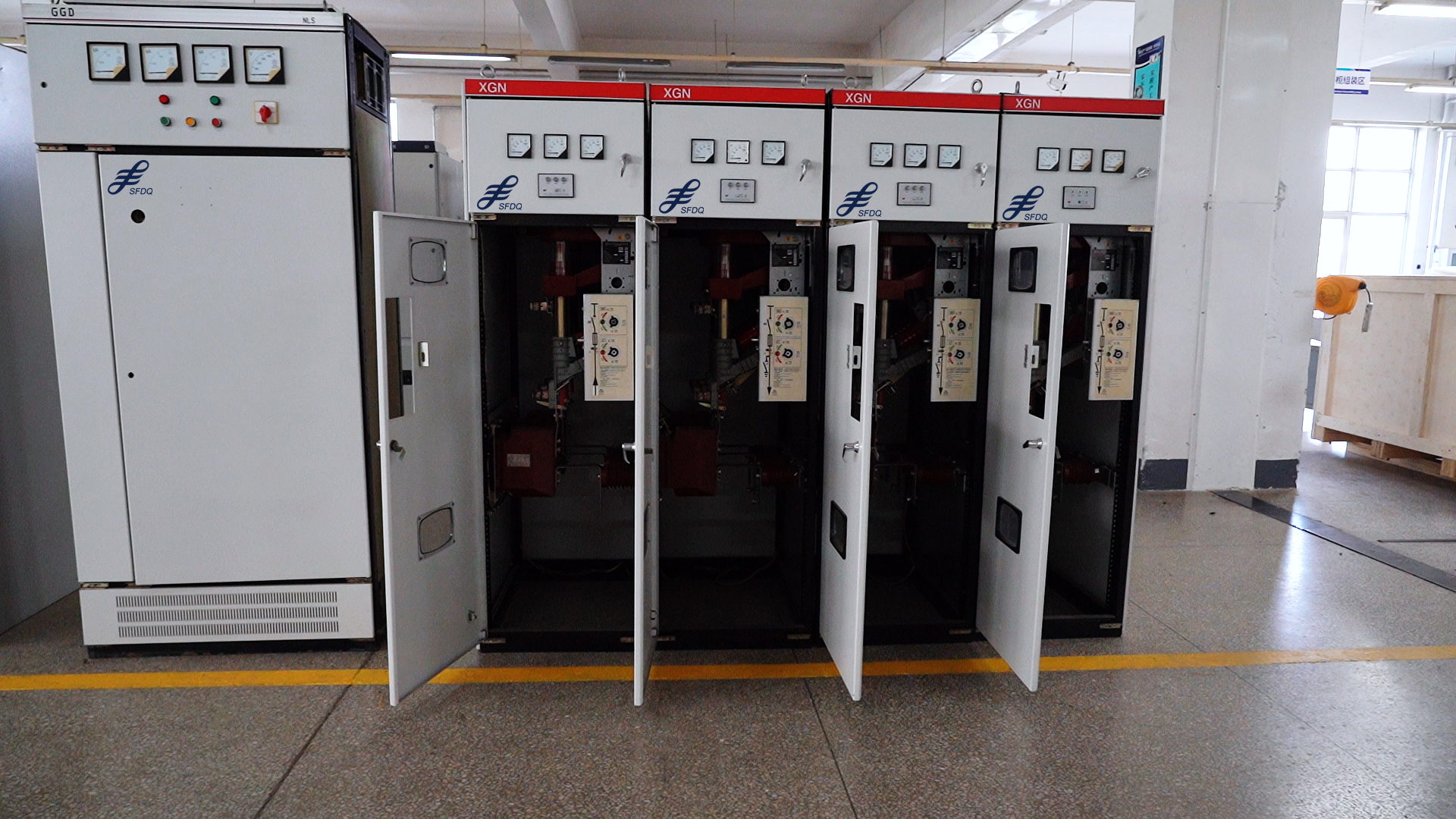
A distribution box serves as a critical component in electrical infrastructure, acting as a central point where power is received, organized, and distributed throughout industrial facilities, commercial buildings, and residential installations. Understanding the various types of distribution boxes and their specific applications is essential for facility managers, electrical engineers, and maintenance professionals who need to ensure reliable power delivery and system safety. The distribution box functions as both a protective barrier and a functional hub, controlling how electrical current flows to different circuits and equipment while safeguarding against overloads and faults.
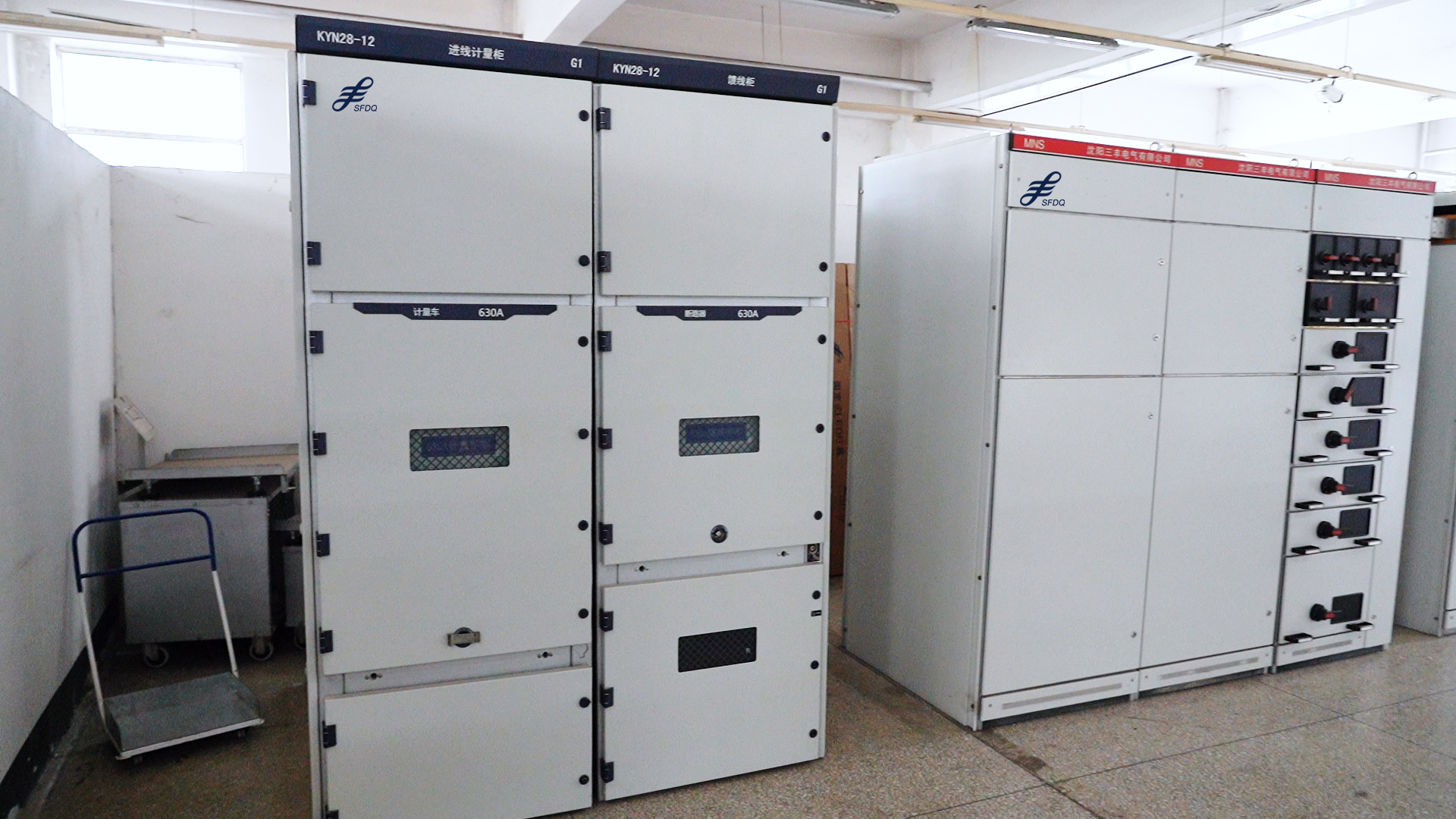
The selection of an appropriate distribution box depends on multiple factors including facility size, power requirements, environmental conditions, safety standards, and future expansion plans. Different industries rely on specialized types of distribution boxes tailored to their operational demands. From data centers requiring high-capacity electrical management to pharmaceutical facilities needing precision control and monitoring, the distribution box remains fundamental to electrical system integrity and operational continuity.
Main Categories of Distribution Boxes
Standard Panel Distribution Boxes
Standard panel distribution boxes represent the most common configuration found in both industrial and commercial environments. These distribution boxes contain multiple circuit breakers, switches, and protective devices organized in a logical layout that allows technicians to manage power distribution efficiently. The distribution box design prioritizes accessibility and clear labeling, enabling quick identification and operation of individual circuits. Standard distribution boxes typically accommodate between twelve and forty-eight circuits, making them suitable for medium-sized facilities with predictable power demands.
Construction of a typical distribution box involves metal enclosures that provide electromagnetic shielding and physical protection for internal components. The distribution box must meet strict electrical codes and safety regulations, including proper grounding, ventilation, and arc-flash protection standards. Installation of a distribution box requires professional evaluation of facility load requirements and future growth projections to ensure adequate capacity and reliability.
Outdoor Distribution Boxes
Outdoor distribution boxes face unique environmental challenges including moisture, temperature fluctuations, UV radiation, and corrosive atmospheric conditions. These distribution boxes feature reinforced enclosures constructed from stainless steel, fiberglass, or specially treated metal alloys that resist degradation and maintain structural integrity over extended service periods. The distribution box design includes sealed compartments, drainage systems, and ventilation ports that manage condensation and prevent water infiltration. Outdoor installation of a distribution box requires careful site assessment and protective mounting strategies to minimize environmental exposure.
The distribution box housing for outdoor applications incorporates advanced weatherproofing technologies and elevated component spacing to accommodate thermal expansion and contraction. Regular maintenance of an outdoor distribution box includes periodic cleaning, corrosion inspection, and protective coating renewal to extend operational lifespan. These distribution boxes serve utility companies, agricultural facilities, renewable energy installations, and industrial complexes located in challenging environments.
Specialized Distribution Box Applications
Data Center and Server Room Distribution Boxes
Data center environments demand specialized distribution boxes capable of managing extremely high electrical loads while maintaining precision voltage regulation and real-time monitoring capabilities. The distribution box installation in server rooms requires careful thermal management because the concentration of computing equipment generates substantial heat that can affect distribution box component longevity. Modern distribution boxes designed for data centers incorporate intelligent power distribution units that provide remote monitoring, automated circuit management, and detailed energy consumption analytics. This distribution box category enables facility operators to optimize power allocation across hundreds of servers and networking devices simultaneously.
The distribution box technology for data centers includes advanced protection features such as circuit-level monitoring, automatic fault detection, and redundant power paths that ensure uninterrupted service continuity. Installation of a distribution box in this context requires coordination with cooling systems, fire suppression infrastructure, and emergency backup power sources. These sophisticated distribution boxes represent significant investments but deliver measurable benefits through improved operational efficiency, reduced downtime, and enhanced equipment protection.
Medical and Pharmaceutical Facility Distribution Boxes
Healthcare facilities and pharmaceutical manufacturing plants require distribution boxes engineered to exceptionally stringent standards because interrupted power can compromise patient safety and product integrity. The distribution box design for medical environments must include redundant circuits, automatic transfer switches, and uninterruptible power supply integration capabilities. These specialized distribution boxes incorporate electrical isolation transformers, voltage regulators, and harmonic distortion filters that protect sensitive medical equipment from power quality degradation. A distribution box in a healthcare setting must comply with complex regulatory requirements including emergency egress provisions and segregated circuits for critical life-support systems.
The installation and maintenance procedures for a distribution box in pharmaceutical facilities follow strict protocols to minimize contamination risks and maintain cleanroom certification. These distribution boxes receive continuous monitoring through advanced diagnostic systems that alert maintenance personnel to potential issues before they develop into critical failures. The distribution box investment in healthcare applications directly protects patient outcomes and ensures regulatory compliance across all operational categories.
Technical Specifications and Selection Considerations
Voltage Ratings and Capacity Planning
Every distribution box operates within specific voltage parameters that must match facility electrical systems, typically ranging from 120/240 volts for residential applications to 277/480 volts for large commercial installations. The distribution box amperage rating indicates total current capacity and determines how many high-demand circuits can operate simultaneously without triggering protective devices. Proper selection of a distribution box requires detailed load analysis that projects current consumption and anticipates future equipment additions, ensuring adequate capacity buffer. Undersizing a distribution box creates operational bottlenecks and safety hazards, while oversizing increases capital expenditure without proportional benefits.
Engineers conducting distribution box planning must evaluate peak demand scenarios, seasonal variations, and growth projections spanning at least five to ten years. The distribution box configuration should include surge protection devices that safeguard connected equipment from lightning strikes and power surges. Advanced monitoring systems installed within modern distribution boxes track real-time voltage, current, and power factor metrics that inform capacity utilization and maintenance scheduling decisions.
Installation and Maintenance Requirements
Proper installation of a distribution box establishes the foundation for reliable long-term operation and safety compliance. The distribution box must be positioned in easily accessible locations that allow technicians to perform maintenance without disrupting normal operations. Ventilation around the distribution box must remain unobstructed to prevent thermal accumulation that could damage internal components or reduce circuit breaker responsiveness. The distribution box installation process includes labeling circuit identification, testing all protective devices, and documenting electrical specifications for future reference.
Regular maintenance of a distribution box involves inspecting connections for corrosion, testing circuit breaker functionality, and verifying proper grounding integrity. Thermal imaging inspections of a distribution box can identify connection problems that generate excessive heat before they cause equipment damage or safety hazards. Scheduled maintenance of a distribution box extends component lifespan, reduces unexpected downtime, and ensures consistent safety performance throughout the facility.
FAQ
What is the primary purpose of a distribution box in an electrical system?
A distribution box receives incoming electrical power and redistributes it to multiple circuits serving different areas or equipment throughout a facility. The distribution box provides centralized control through circuit breakers and protective devices that isolate problems to specific circuits without affecting the entire electrical system. This centralized distribution box design improves safety, simplifies troubleshooting, and enables organized power management across complex installations.
How often should a distribution box undergo professional inspection and maintenance?
Industry standards recommend annual professional inspection of most distribution boxes, though facilities with continuous high-load demand or harsh environmental conditions may benefit from semi-annual distribution box assessments. The distribution box should be inspected immediately following any power surges, equipment failures, or unusual electrical incidents. Regular thermal imaging and connection resistance testing of a distribution box can identify developing problems before they escalate into safety risks or operational failures.
Can a distribution box be upgraded to handle increased electrical demand?
Upgrading an existing distribution box depends on available physical space, available amperage from the utility service, and compatibility with facility infrastructure. Sometimes a distribution box upgrade involves adding sub-panels rather than replacing the main distribution box entirely. Professional electrical contractors can assess whether a distribution box upgrade is feasible or whether a facility requires complete electrical infrastructure redesign to accommodate future growth requirements.