 EN
EN


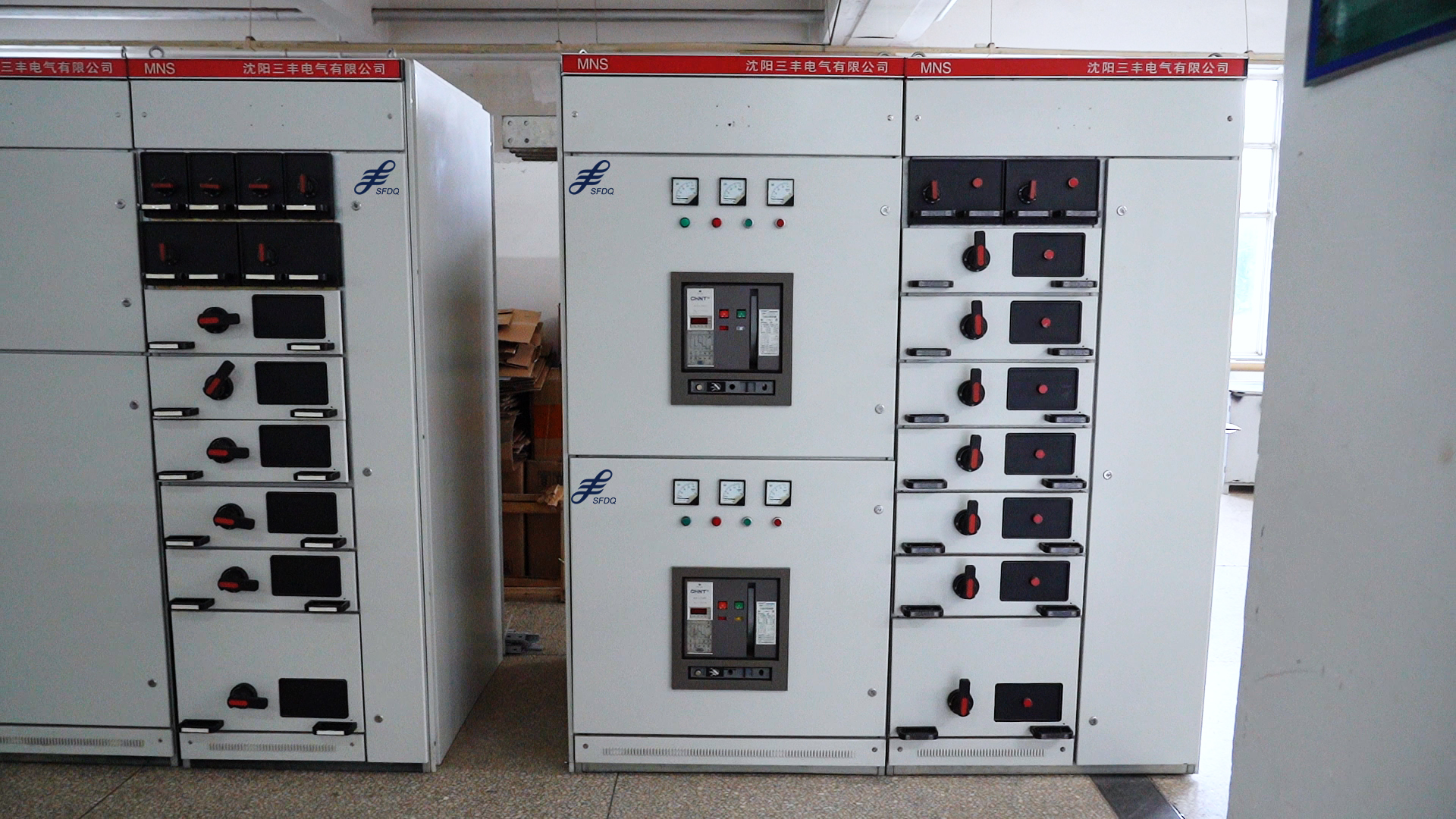
Modern electrical infrastructure demands robust protection mechanisms that safeguard both equipment and personnel. A distribution cabinet serves as the central nervous system of industrial power systems, managing voltage distribution, circuit protection, and equipment connectivity across facilities. Understanding the safety features integrated into contemporary distribution cabinet designs is critical for facility managers, engineers, and operators who rely on these systems daily.

The evolution of distribution cabinet technology reflects decades of industrial safety standards and real-world operational lessons. Today's distribution cabinet installations incorporate multiple layers of protective design, from physical enclosure standards to electrical isolation mechanisms and thermal management systems. These integrated safety features reduce equipment downtime, minimize personnel risk, and ensure regulatory compliance across sectors including manufacturing, data centers, telecommunications, and commercial buildings.
Physical Enclosure and Access Protection
Structural Integrity and Material Selection
The physical construction of a distribution cabinet establishes the foundation for all other safety mechanisms. Modern distribution cabinet enclosures are manufactured from materials selected specifically to resist environmental degradation, mechanical impact, and corrosive conditions. Stainless steel, powder-coated steel, and aluminum alloys provide durability while maintaining electrical isolation properties. The wall thickness and bracing design of a distribution cabinet determine its ability to withstand operational stresses, thermal cycling, and accidental impacts that occur in industrial environments. Quality distribution cabinet manufacturers engineer structural components to exceed standard safety codes, adding redundancy that protects internal components during emergency situations or equipment failures.
Access Control and Interlocking Systems
A distribution cabinet typically incorporates mechanical interlocking systems that prevent unauthorized or dangerous access to energized components. Door interlocks on distribution cabinet units automatically disconnect power or trigger alarms when doors open unexpectedly. This design prevents personnel from contacting live terminals while the distribution cabinet remains operational. Advanced distribution cabinet models include password-protected access panels, audit logging for door openings, and integration with facility management systems. These access control features transform a basic distribution cabinet into an intelligent safety device that tracks who accessed the cabinet, when access occurred, and what modifications were made to internal configurations.
Electrical Protection and Circuit Management
Overcurrent Protection and Circuit Breakers
Overcurrent protection represents the primary electrical safety mechanism within any distribution cabinet. Modern distribution cabinet installations use advanced circuit breakers and fuses that detect abnormal current flow and interrupt power automatically before dangerous temperatures develop. Selective coordination within a distribution cabinet ensures that only the affected circuit is disconnected, allowing remaining facility operations to continue uninterrupted. Distribution cabinet engineers design protective hierarchies where main breakers, branch circuit breakers, and specialty devices work together to isolate faults precisely. Instantaneous trip settings on distribution cabinet breakers respond within milliseconds to short circuits, preventing arc flash incidents and equipment destruction that could cascade through interconnected systems.
Grounding and Bonding Architecture
Proper grounding transforms a distribution cabinet from a potential hazard into a controlled environment where electrical faults are safely directed to earth. Every distribution cabinet must provide multiple grounding paths with verified continuity and adequately sized conductors. The distribution cabinet design includes bonding between all conductive enclosure components, eliminating potential voltage differentials that could energize an operator who touches multiple cabinet surfaces simultaneously. Equipment grounding conductors within a distribution cabinet connect to central ground busses that maintain consistent reference potential throughout the system. Testing and verification protocols ensure distribution cabinet grounding systems remain effective throughout their operational lifespan, with documented megohm readings confirming isolation integrity.
Thermal Management and Arc Flash Prevention
Heat Dissipation and Temperature Control
A distribution cabinet generates significant heat during normal operation, particularly when handling peak loads or when internal components fail. Modern distribution cabinet designs incorporate ventilation strategies that prevent internal temperatures from exceeding equipment ratings while maintaining environmental protection. Filtered cooling fans, thermostatic dampers, and convection pathways engineered into distribution cabinet enclosures maintain safe operating temperatures even in challenging industrial environments. Distribution cabinet manufacturers conduct thermal modeling to verify that all components remain within specified temperature ranges during worst-case scenarios. Integrated temperature sensors within a distribution cabinet trigger alarms or reduce loads automatically if internal temperatures approach critical thresholds, preventing component degradation and extending equipment lifespan while maintaining safety margins.
Arc Flash Hazard Mitigation
Arc flash incidents represent catastrophic risks in electrical systems, and modern distribution cabinet design includes multiple mitigation strategies. Maintenance-free contacts, integrated arc suppression systems, and rapid fault detection all reduce arc flash energy levels within a distribution cabinet compartment. The physical layout of a distribution cabinet separates high-energy circuits from operator access zones, ensuring that personnel cannot inadvertently create dangerous arcing conditions during normal maintenance activities. Distribution cabinet arc flash labels communicate hazard levels to qualified personnel, ensuring appropriate personal protective equipment is worn during any work near energized components. Advanced distribution cabinet models include arc detection systems that trigger rapid current interruption, limiting energy release and protecting both equipment and personnel from catastrophic incident consequences.
Monitoring, Diagnostics, and Compliance Features
Real-Time Condition Monitoring
Intelligent distribution cabinet systems now incorporate sensors that continuously monitor operational parameters and alert facility teams to developing problems before failures occur. Temperature sensors, moisture detectors, and vibration monitors integrated throughout a distribution cabinet create a complete operational picture. Distribution cabinet monitoring systems track circuit loading patterns, detect power quality anomalies, and identify maintenance needs through predictive algorithms. Remote access capabilities allow qualified technicians to review distribution cabinet status without entering the facility, reducing exposure to hazardous areas. Early warning systems embedded in distribution cabinet designs prevent cascading failures that could disable entire facility operations or create emergency situations requiring emergency shutdown procedures.
Documentation and Compliance Standards
Every distribution cabinet must comply with applicable electrical codes, equipment standards, and industry-specific regulations governing safety and performance. Comprehensive documentation accompanying a distribution cabinet includes single-line diagrams, load calculations, maintenance schedules, and emergency procedures. Distribution cabinet manufacturers provide arc flash study support, helping facility managers establish safe work practices and appropriate personal protective equipment requirements. Compliance tracking within a distribution cabinet's operational history ensures that required inspections, testing, and maintenance activities are completed on schedule. Regular audits of distribution cabinet performance data, maintenance records, and compliance documentation identify gaps before regulatory inspections or safety incidents expose deficiencies.
FAQ
What are the most critical safety features to evaluate when selecting a distribution cabinet?
The most critical safety features include robust physical construction with appropriate material selection, integrated overcurrent protection with selective coordination, verified grounding and bonding systems, and thermal management capabilities matching your facility's environmental conditions. Additionally, verify that a distribution cabinet includes comprehensive documentation, arc flash hazard assessment support, and access control mechanisms appropriate for your facility's personnel qualifications and operational requirements.
How often should a distribution cabinet undergo safety inspections and maintenance?
A distribution cabinet requires initial inspection and testing before energization, followed by regular visual inspections at minimum annually or per your facility's maintenance schedule. Thermography surveys of a distribution cabinet help identify developing connection problems or component failures before catastrophic failure occurs. Distribution cabinet grounding and bonding continuity should be verified every three to five years, while complete load testing and calibration of protective devices should occur every five to ten years depending on equipment specifications and regulatory requirements.
Can existing distribution cabinet systems be retrofitted with modern safety features?
Many existing distribution cabinet systems can be upgraded with modern protective devices, monitoring sensors, and access control systems to improve safety performance. Retrofit options for a distribution cabinet include upgrading circuit breakers to current-limiting models, adding arc suppression devices, installing monitoring and diagnostic equipment, and implementing interlocking door systems. Consult qualified electrical professionals to assess your specific distribution cabinet configuration and determine which retrofits are technically feasible and cost-effective for your operational requirements.