 EN
EN


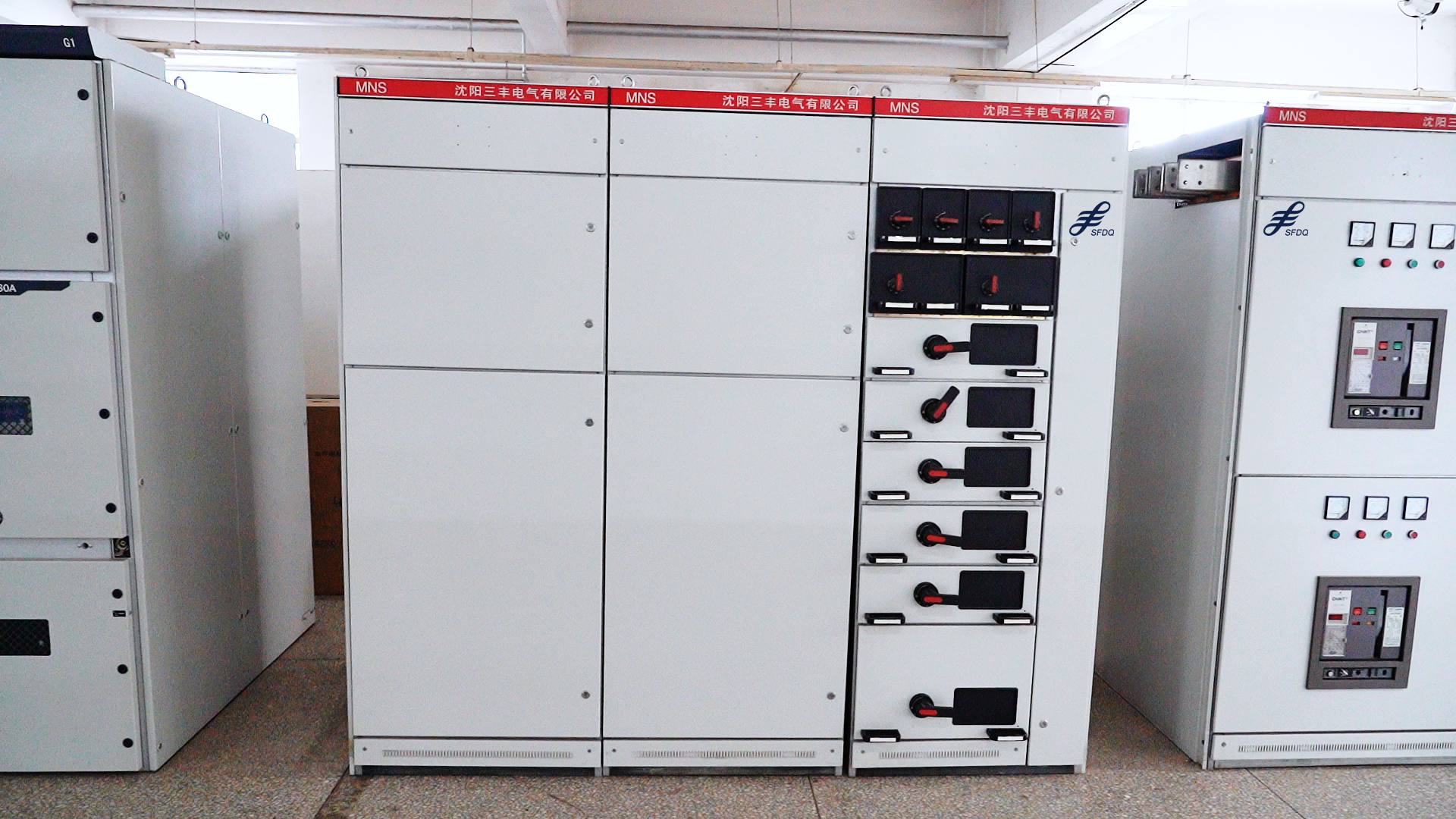
Proper cable organization inside a distribution cabinet is essential for maintaining operational efficiency, reducing troubleshooting time, and ensuring safety in industrial and commercial environments. When cables are disorganized, technicians waste valuable time locating connections, risk damaging equipment during maintenance, and may miss critical failure points during inspections. A well-organized distribution cabinet not only improves workflow but also extends the lifespan of your electrical infrastructure by preventing tangled cables that can cause heat buildup and signal interference. The foundation of any successful distribution cabinet setup begins with understanding your cable routing requirements and implementing a systematic approach from the ground up.

Every distribution cabinet serves as the nervous system of electrical and data infrastructure, requiring meticulous planning and execution to function optimally. Whether you manage a manufacturing facility, data center, office building, or control system, the principles of organizing a distribution cabinet remain consistent: clarity, accessibility, safety, and scalability. This article provides practical guidance on transforming your distribution cabinet into an organized, maintainable asset that supports both current operations and future expansion.
Planning Your Distribution Cabinet Layout
Assessing Your Current Cable Infrastructure
Before implementing any organizational changes, you must conduct a thorough audit of your existing distribution cabinet. Document every cable currently running through the cabinet, including its source, destination, function, and current condition. This inventory becomes your baseline for deciding how to reorganize the distribution cabinet effectively. Identify cables that serve critical functions versus those that are obsolete or redundant, as removing dead cables immediately improves accessibility and reduces clutter. Understanding the traffic patterns within your distribution cabinet helps you anticipate future growth and design a layout that accommodates expansion without requiring a complete overhaul.
Designing Zones Within the Distribution Cabinet
An effective distribution cabinet layout divides space into distinct functional zones based on cable type and purpose. Power distribution cables typically occupy one area, data and communication cables another, and control signal lines a third. This zoning strategy ensures that your distribution cabinet remains organized even as new cables are added over time. Vertical partitioning works well for many facilities, creating left-to-right zones that technicians can quickly scan and understand. Horizontal banding, which separates cables by height intervals, suits other environments better, particularly when cables enter and exit from multiple directions. Regardless of your chosen method, establish the zones clearly before routing any cables into the distribution cabinet.
Cable Routing and Mounting Techniques
Selecting Appropriate Cable Management Hardware
The tools and fixtures you use significantly impact how organized your distribution cabinet becomes and remains over time. Cable trays, J-channels, and cable rings all serve specific purposes within a distribution cabinet. Cable trays support heavier runs and allow easy access for additions or repairs, while J-channels provide neat routing for smaller cable bundles. Within a distribution cabinet, vertical cable managers and horizontal organizers guide cables along predetermined paths, preventing them from tangling or blocking access to other components. Velcro straps, hook-and-loop fasteners, and reusable ties hold cables securely without restricting future removal, unlike tape or permanent fasteners. Investing in quality cable management hardware for your distribution cabinet pays dividends through reduced labor time and improved safety margins.
Implementing Separation and Spacing Standards
Proper spacing between cable runs inside a distribution cabinet prevents signal interference, reduces heat accumulation, and maintains accessibility. Industry standards recommend maintaining at least one inch of separation between power and data cables to minimize electromagnetic interference. Within your distribution cabinet, cross cables perpendicularly rather than bundling them together, as this reduces pressure points and maintains signal integrity. Avoid crimping, tight bends, or compression of cables during routing through the distribution cabinet, as damaged insulation creates safety hazards and future failure points. Establish spacing standards as part of your distribution cabinet documentation so that all personnel follow consistent practices regardless of who performs maintenance or additions.
Labeling and Documentation Protocols
Creating a Comprehensive Labeling System
Clear, consistent labeling transforms your distribution cabinet from a puzzle into a transparent resource. Every cable entering and exiting the distribution cabinet requires identification at both ends, using permanent markers or adhesive labels that withstand environmental conditions. Color-coded labeling systems accelerate identification, with power cables using one color scheme, data cables another, and control signals a third convention. For maximum clarity, your distribution cabinet labels should include both the source and destination of each cable plus its functional purpose. Laminated labels ensure durability, and proper label placement on the cable itself plus on the distribution cabinet panel creates multiple reference points for technicians. Numbering systems that correspond to diagrams enhance the utility of your distribution cabinet labeling approach, enabling quick cross-referencing during troubleshooting or maintenance.
Maintaining Updated Diagrams and Schematics
A distribution cabinet is only as useful as its documentation. Create detailed diagrams showing cable routing, entry and exit points, and component locations within the distribution cabinet. Update these diagrams within 24 hours of any changes to ensure they remain accurate references for your team. Digital documentation systems allow multiple users to access distribution cabinet information simultaneously, while physical printed copies posted on or near the cabinet provide immediate reference without requiring network access. Photographs of your properly organized distribution cabinet serve as reference images for future maintenance personnel and help enforce standards. Store documentation both physically and digitally to ensure accessibility even during system failures or personnel transitions. Your distribution cabinet diagrams should clearly show the purpose and identity of every major cable bundle and connection point.
Maintenance and Optimization Strategies
Establishing Routine Inspection Schedules
Even a perfectly organized distribution cabinet requires periodic attention to maintain its effectiveness. Schedule quarterly inspections to verify that cables remain properly routed, labels remain legible, and no new damage has occurred. During each distribution cabinet inspection, remove any obsolete cables, re-secure loose bundles, and update documentation to reflect current conditions. Temperature monitoring inside the distribution cabinet alerts you to potential overheating from cable congestion or failed equipment before it causes damage. Document findings from every distribution cabinet inspection, creating a history that reveals patterns and informs future decisions about capacity and layout modifications. Proactive maintenance prevents emergency situations where technicians must work in disorganized cabinets under time pressure, reducing error risk and safety hazards.
Planning for Future Growth and Scalability
Your distribution cabinet should accommodate future growth without requiring complete reorganization. Reserve approximately thirty percent of your cable capacity for future additions, ensuring that growth does not force cables into tight, unsafe configurations. Position existing cables to leave clear pathways for new installations, preventing the domino effect where new cable additions require rearranging existing runs. Within your distribution cabinet, use modular mounting systems that adapt as your infrastructure expands. Review your distribution cabinet organization annually to assess whether current arrangements still meet operational needs or whether adjustments could improve efficiency. Planning for scalability protects your investment in both the cabinet itself and the organizational systems you implement, ensuring that your distribution cabinet remains a strategic asset rather than becoming a liability as your facility grows.
FAQ
What is the ideal spacing between cables inside a distribution cabinet?
Industry best practices recommend maintaining at least one inch of separation between power and data cables to minimize electromagnetic interference. Within a distribution cabinet, crossing cables perpendicularly rather than bundling them together preserves signal integrity and allows better air circulation for cooling. The specific spacing depends on your cable types and voltage levels, so consulting your distribution cabinet manufacturer and local electrical codes ensures compliance with applicable standards. Proper spacing within a distribution cabinet also facilitates maintenance access and reduces the risk of accidentally damaging cables during service work.
How frequently should cables be reorganized inside a distribution cabinet?
Routine inspections of your distribution cabinet should occur quarterly, though reorganization typically is not necessary at that frequency. Most facilities reorganize their distribution cabinet annually or when operational changes require routing new cables or retiring obsolete connections. A well-designed distribution cabinet with quality cable management hardware can maintain organization through multiple cycles of additions and removals without requiring complete reorganization. If your distribution cabinet requires reorganization every few months, this signals that your original layout design did not account for your operational patterns and should be reevaluated to improve long-term efficiency and reduce maintenance burden.
Should every cable in a distribution cabinet be labeled?
Yes, every cable entering and exiting a distribution cabinet should be labeled at both ends for maximum clarity and safety. Comprehensive labeling of your distribution cabinet transforms troubleshooting from a time-consuming guessing game into a straightforward process that reduces downtime and errors. Even cables that seem obvious at the time of installation may be difficult to identify years later after personnel changes or equipment upgrades. Labeling every cable in your distribution cabinet also enables faster emergency response when failures occur, allowing technicians to quickly isolate problems and implement corrective actions. The minimal cost of labeling materials is vastly outweighed by the time and errors prevented through proper identification throughout your distribution cabinet.