 EN
EN


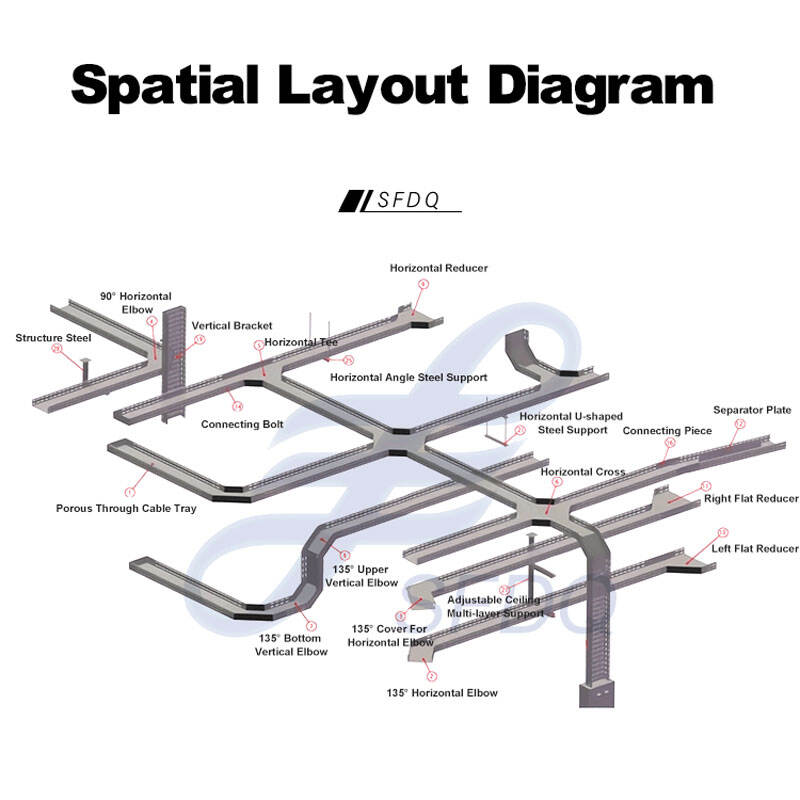
The innovation process at a cable tray manufacturer represents a complex ecosystem of research, development, and continuous improvement that drives the evolution of electrical infrastructure solutions. Modern cable tray manufacturer operations must balance traditional engineering principles with cutting-edge technological advancements to meet the increasingly sophisticated demands of industrial, commercial, and institutional electrical installations. This intricate process involves multiple stages of conceptualization, prototyping, testing, and refinement that ultimately determine the quality, durability, and performance characteristics of cable management systems used across diverse industries worldwide.
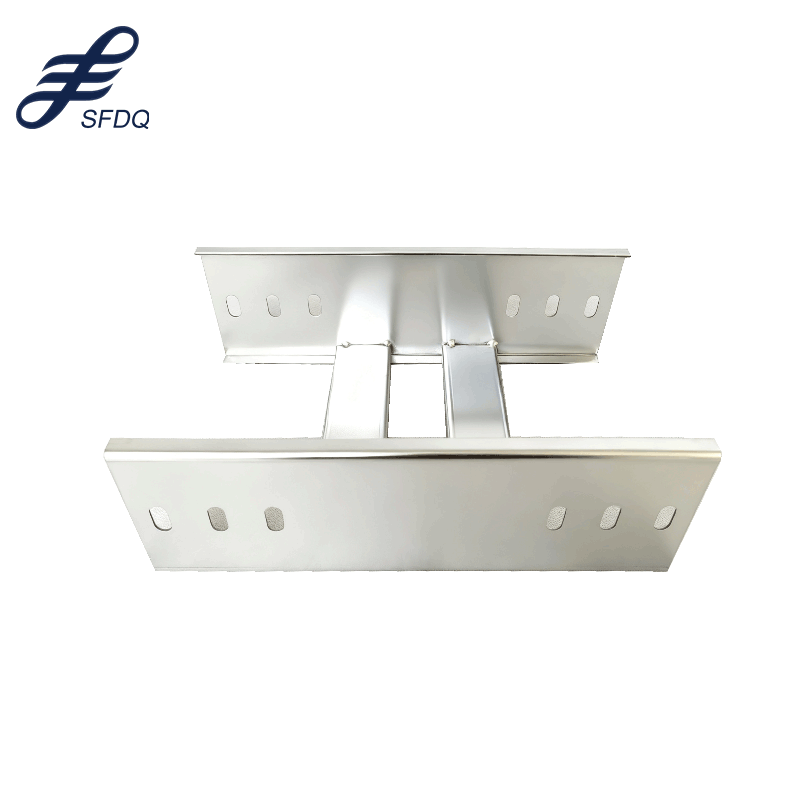
Understanding how a cable tray manufacturer approaches innovation reveals the strategic thinking behind product development decisions that impact electrical safety, installation efficiency, and long-term system reliability. The innovation process encompasses material science breakthroughs, manufacturing technique refinements, design optimization strategies, and quality assurance protocols that collectively contribute to the advancement of cable tray technology. This comprehensive examination of innovation methodologies demonstrates how forward-thinking manufacturers maintain competitive advantages while addressing evolving market requirements and regulatory standards that govern electrical infrastructure installations.
Research and Development Foundation
Market Analysis and Trend Identification
The innovation journey at a cable tray manufacturer begins with comprehensive market analysis that identifies emerging trends, customer pain points, and technological gaps in existing cable management solutions. Research teams conduct extensive field studies, customer interviews, and competitive assessments to understand the evolving needs of electrical contractors, engineers, and facility managers who specify and install cable tray systems. This foundational research phase involves analyzing installation challenges, maintenance requirements, environmental factors, and cost considerations that influence purchasing decisions across various industry segments.
Advanced data analytics and industry forecasting tools enable cable tray manufacturer research teams to predict future market demands and technological shifts that will shape product development priorities. The analysis extends beyond immediate customer feedback to include regulatory changes, sustainability requirements, and emerging electrical standards that will impact cable tray design specifications. This proactive approach ensures that innovation efforts align with long-term market trajectories rather than reactive responses to current limitations.
Collaboration with industry associations, electrical engineering firms, and installation contractors provides valuable insights into real-world performance challenges that drive innovation priorities. Regular participation in trade shows, technical conferences, and standards development committees helps cable tray manufacturer teams stay connected to industry developments and emerging technologies that could influence future product designs.
Material Science Innovation
Material science represents a critical innovation frontier where cable tray manufacturer research teams explore advanced alloys, coating technologies, and composite materials that enhance performance characteristics while reducing production costs. The development of new galvanizing processes, corrosion-resistant coatings, and lightweight yet durable material compositions requires extensive laboratory testing and collaboration with material suppliers and research institutions.
Innovation in material science often focuses on improving the strength-to-weight ratio of cable tray components, enhancing corrosion resistance in harsh environments, and developing materials that meet stringent fire safety requirements. Advanced testing protocols evaluate material performance under extreme temperature conditions, chemical exposure scenarios, and mechanical stress situations that simulate decades of operational use in challenging industrial environments.
The integration of recycled materials and sustainable manufacturing processes represents an increasingly important aspect of material science innovation at progressive cable tray manufacturer facilities. Research teams investigate bio-based coatings, recyclable alloy compositions, and production methods that minimize environmental impact while maintaining or improving product performance standards.
Design Engineering and Prototyping
Computer-Aided Design Integration
Modern design engineering at a cable tray manufacturer leverages sophisticated computer-aided design software that enables rapid prototyping, structural analysis, and performance simulation before physical manufacturing begins. Advanced CAD systems allow engineers to model complex cable tray configurations, analyze load distribution patterns, and optimize structural geometry for maximum strength and material efficiency. These digital tools significantly accelerate the innovation process by enabling multiple design iterations without the time and cost associated with physical prototyping.
Finite element analysis and computational fluid dynamics simulations help cable tray manufacturer design teams predict how new product designs will perform under various loading conditions, thermal stresses, and environmental factors. This predictive capability allows engineers to identify potential failure points and optimize designs before committing to expensive tooling and production setup costs.
Integration of customer-specific requirements into CAD systems enables rapid customization capabilities that distinguish innovative cable tray manufacturer operations from traditional manufacturing approaches. Parametric design tools allow engineers to quickly adapt standard designs for unique installation requirements while maintaining structural integrity and manufacturing efficiency.
Rapid Prototyping and Testing
The prototyping phase at a cable tray manufacturer involves creating physical samples using advanced manufacturing techniques such as 3D printing, CNC machining, and automated forming processes. Rapid prototyping capabilities enable quick validation of design concepts and allow for iterative improvements based on physical testing results and customer feedback sessions.
Comprehensive testing protocols evaluate prototype performance across multiple criteria including structural integrity, electrical conductivity, corrosion resistance, and ease of installation. Testing facilities typically include environmental chambers that simulate extreme temperature conditions, salt spray chambers for corrosion testing, and mechanical testing equipment that applies various load scenarios to validate design calculations.
Customer involvement in prototype evaluation ensures that innovation efforts at a cable tray manufacturer address real-world installation and performance requirements. Field testing programs allow key customers to evaluate prototypes in actual installation environments, providing valuable feedback on functionality, durability, and installation efficiency that guides final design refinements.
Manufacturing Process Innovation
Automation and Quality Enhancement
Manufacturing process innovation at a cable tray manufacturer focuses on implementing advanced automation technologies that improve production consistency, reduce labor costs, and enhance quality control capabilities. Robotic welding systems, automated cutting equipment, and computerized forming machines enable precise manufacturing tolerances while increasing production capacity to meet growing market demands.
Integration of Industry 4.0 technologies including Internet of Things sensors, machine learning algorithms, and real-time data analytics enables predictive maintenance scheduling and process optimization that minimizes downtime while maximizing production efficiency. Smart manufacturing systems can automatically adjust processing parameters based on material variations and environmental conditions to maintain consistent product quality.
Advanced quality control systems incorporate inline inspection technologies such as laser measurement systems, automated visual inspection, and non-destructive testing methods that ensure every cable tray component meets specified dimensional and performance requirements. These automated quality assurance processes significantly reduce the likelihood of defective products reaching customers while providing comprehensive documentation of manufacturing quality.
Sustainable Manufacturing Practices
Innovation in sustainable manufacturing practices has become a competitive differentiator for progressive cable tray manufacturer operations seeking to reduce environmental impact while maintaining cost competitiveness. Energy-efficient production equipment, waste heat recovery systems, and renewable energy integration reduce the carbon footprint of manufacturing operations while often providing long-term cost savings.
Closed-loop recycling systems enable cable tray manufacturer facilities to recycle production waste materials back into the manufacturing process, reducing raw material costs while minimizing waste disposal expenses. Advanced material handling systems sort and process scrap materials for reuse in production or sale to recycling partners.
Water treatment and recovery systems minimize freshwater consumption in galvanizing and cleaning processes while ensuring compliance with environmental regulations. Innovation in chemical recovery and reuse systems reduces both material costs and environmental impact of surface treatment operations.
Quality Assurance and Continuous Improvement
Testing Standards and Certification
Rigorous testing standards form the backbone of quality assurance at any reputable cable tray manufacturer, ensuring that innovative products meet or exceed industry safety and performance requirements. Comprehensive testing protocols evaluate products against national and international standards including UL certification requirements, NEMA guidelines, and IEC specifications that govern cable tray performance in various applications.
In-house testing laboratories equipped with sophisticated measurement and analysis equipment enable cable tray manufacturer quality teams to conduct thorough evaluations of mechanical properties, electrical characteristics, and environmental resistance. Testing capabilities typically include load testing to verify structural capacity, corrosion testing to validate coating performance, and fire resistance testing to ensure compliance with safety standards.
Third-party certification and ongoing surveillance testing provide independent validation of product quality and manufacturing consistency. Regular audits by certification bodies ensure that cable tray manufacturer operations maintain the quality management systems necessary to support certified product claims and customer confidence.
Customer Feedback Integration
Systematic collection and analysis of customer feedback creates a continuous improvement loop that drives ongoing innovation at progressive cable tray manufacturer facilities. Customer service teams, technical support staff, and field service representatives gather valuable information about product performance, installation challenges, and emerging customer requirements that inform future development priorities.
Regular customer satisfaction surveys and technical advisory panels provide structured forums for gathering detailed feedback on product performance and identifying opportunities for improvement. This customer-centric approach to innovation ensures that development efforts address real market needs rather than theoretical performance enhancements.
Integration of customer feedback into product development processes enables rapid response to emerging market requirements and competitive challenges. Cable tray manufacturer teams use customer insights to prioritize innovation projects and allocate resources to developments that provide the greatest customer value and market differentiation.
Future-Oriented Innovation Strategies
Digital Integration and Smart Technologies
Forward-thinking cable tray manufacturer organizations are exploring integration of digital technologies and smart features that enhance the value proposition of traditional cable management systems. Internet of Things sensors embedded in cable trays can monitor electrical loads, detect potential failure conditions, and provide real-time data on system performance that enables predictive maintenance strategies.
Digital twin technologies allow cable tray manufacturer engineering teams to create virtual models of installed systems that can simulate performance under various conditions and predict maintenance requirements. These digital capabilities provide additional value to customers while creating new revenue streams through data services and system optimization consulting.
Integration with building information modeling systems and automated design tools streamlines the specification and installation process while reducing errors and improving project efficiency. Cable tray manufacturer partners can provide digital product libraries and configuration tools that simplify the design process for electrical engineers and contractors.
Emerging Market Applications
Innovation strategies at progressive cable tray manufacturer facilities increasingly focus on emerging market applications such as electric vehicle charging infrastructure, renewable energy installations, and data center expansions that require specialized cable management solutions. These growing market segments present opportunities for product differentiation and premium pricing based on unique performance requirements.
Development of specialized cable tray systems for harsh environments, explosive atmospheres, and extreme temperature applications expands market opportunities while demonstrating technical capabilities that differentiate innovative manufacturers from commodity competitors. Research into application-specific requirements guides product development efforts and creates opportunities for collaborative development with key customers.
International market expansion requires innovation in product designs that meet diverse regulatory requirements and installation practices across different regions. Cable tray manufacturer teams must adapt core technologies to local standards while maintaining manufacturing efficiency and quality consistency.
FAQ
What drives innovation priorities at a cable tray manufacturer?
Innovation priorities at a cable tray manufacturer are primarily driven by customer requirements, regulatory changes, cost reduction opportunities, and competitive differentiation needs. Market research identifies emerging trends and unmet needs that guide development investments, while feedback from installers and end users provides insights into real-world performance challenges that require innovative solutions.
How do cable tray manufacturers balance innovation costs with market demands?
Cable tray manufacturer organizations balance innovation investments with market realities through careful project prioritization, staged development approaches, and collaborative partnerships that share costs and risks. Innovation projects are evaluated based on potential market size, competitive advantages, and return on investment timelines to ensure that development resources focus on the most promising opportunities.
What role does sustainability play in cable tray manufacturer innovation?
Sustainability considerations increasingly influence innovation strategies at cable tray manufacturer facilities as customers and regulations demand more environmentally responsible products and manufacturing processes. Innovation efforts focus on reducing material consumption, improving recyclability, extending product lifecycles, and minimizing the environmental impact of production operations while maintaining cost competitiveness and performance standards.
How do cable tray manufacturers stay ahead of technological changes?
Cable tray manufacturer teams stay current with technological developments through active participation in industry associations, collaboration with research institutions, partnerships with technology suppliers, and continuous monitoring of adjacent industries that may provide applicable innovations. Regular technology scouting activities and strategic partnerships ensure access to emerging technologies that could enhance product capabilities or manufacturing efficiency.