 EN
EN


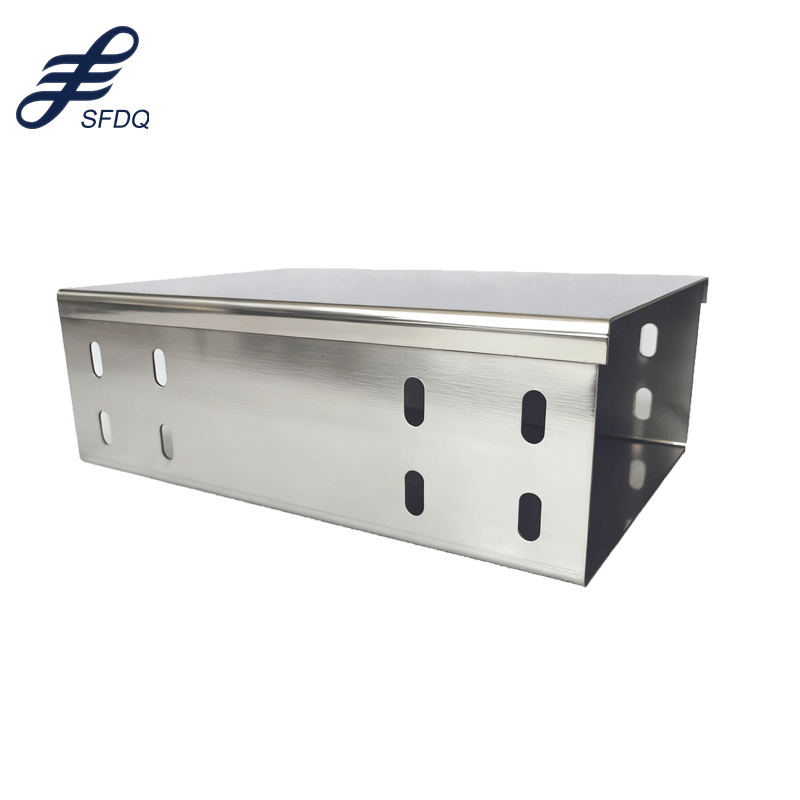
Stainless steel cable trays have become the preferred choice for electrical infrastructure in demanding industrial environments where durability, corrosion resistance, and long-term reliability are paramount. The decision to implement a stainless steel cable tray system stems from specific operational requirements that standard materials simply cannot meet, particularly in environments exposed to moisture, chemicals, extreme temperatures, or stringent hygiene standards.
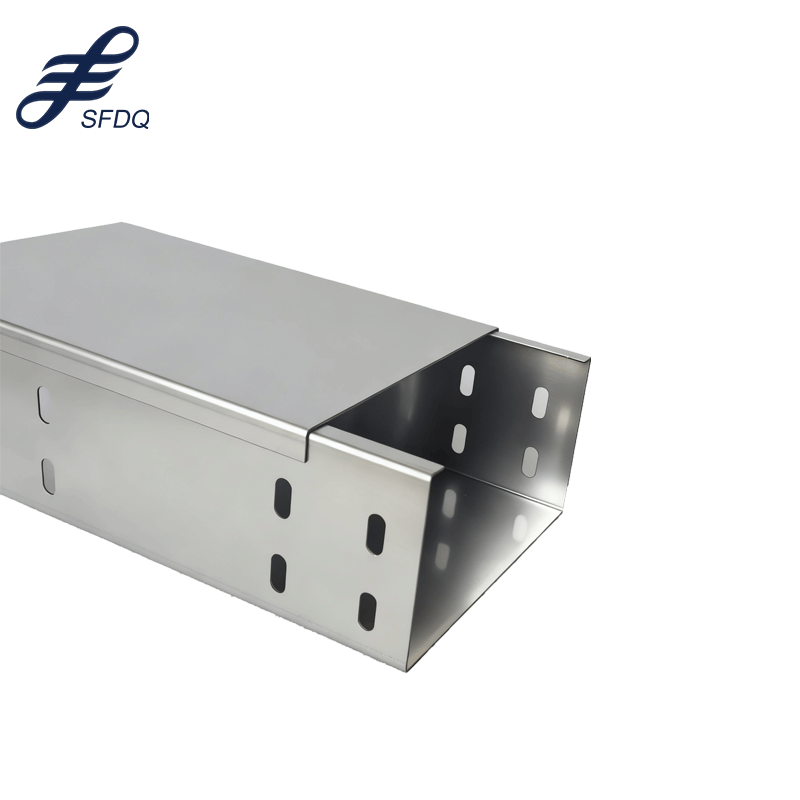
Understanding why stainless steel cable trays offer superior value requires examining their unique properties, performance advantages, and cost-effectiveness over the system lifecycle. While initial investment may exceed that of conventional materials, the compelling reasons for choosing stainless steel cable trays become evident when considering maintenance reduction, system longevity, operational safety, and compliance with industry standards across various applications.
Superior Corrosion Resistance and Environmental Performance
Chemical Resistance in Harsh Industrial Environments
The primary reason facilities choose stainless steel cable tray systems is their exceptional resistance to corrosion across diverse chemical environments. Unlike galvanized steel or aluminum alternatives, stainless steel cable trays maintain structural integrity when exposed to acids, alkalis, salts, and organic solvents commonly found in chemical processing, pharmaceutical manufacturing, and marine applications. This resistance stems from the chromium content that forms a passive oxide layer, providing self-healing protection against corrosive attack.
Industrial facilities processing chemicals, food products, or operating in coastal environments benefit significantly from stainless steel cable tray installations. The material's ability to withstand chloride exposure makes it indispensable in seawater environments, offshore platforms, and facilities using chlorine-based cleaning agents. This chemical resistance translates directly into reduced replacement cycles and lower total cost of ownership.
Temperature cycling and thermal shock resistance further distinguish stainless steel cable trays from conventional materials. The material maintains dimensional stability and load-bearing capacity across extreme temperature ranges, making it suitable for applications involving steam systems, cryogenic processes, and high-temperature manufacturing environments where thermal expansion and contraction would compromise lesser materials.
Moisture and Humidity Protection
Moisture exposure represents a critical concern for cable management systems, as water ingress can lead to insulation breakdown, ground faults, and equipment failures. Stainless steel cable trays provide superior moisture resistance compared to painted steel or plastic alternatives, maintaining electrical safety and cable protection integrity even in high-humidity environments or areas subject to washdown procedures.
Food processing facilities, pharmaceutical clean rooms, and healthcare environments particularly benefit from this moisture resistance. The non-porous surface of stainless steel prevents bacterial growth and facilitates thorough cleaning, while the material's resistance to steam cleaning and chemical sanitization ensures long-term structural integrity without degradation or coating failure.
The combination of moisture resistance and smooth surface finish makes stainless steel cable trays ideal for applications requiring frequent cleaning or sterilization. Unlike coated materials that may chip or develop surface defects over time, stainless steel maintains its protective properties throughout the system lifecycle, ensuring consistent performance in demanding sanitary applications.
Long-Term Economic Advantages and Total Cost Benefits
Reduced Maintenance and Replacement Costs
The economic justification for stainless steel cable trays becomes apparent when analyzing lifecycle costs rather than initial purchase price alone. While stainless steel systems require higher upfront investment, their exceptional durability and minimal maintenance requirements deliver substantial cost savings over the system's operational life, often spanning decades without requiring replacement or major repairs.
Maintenance cost reduction represents one of the most significant financial benefits of stainless steel cable tray systems. Traditional materials require periodic repainting, coating touch-up, and corrosion treatment, activities that involve labor costs, material expenses, and production downtime. A stainless steel cable tray eliminates these maintenance cycles, allowing facilities to allocate resources to core production activities rather than infrastructure maintenance.
The elimination of scheduled maintenance also reduces safety risks associated with working at height, in confined spaces, or around energized electrical systems. This safety improvement translates into lower insurance costs, reduced workers' compensation claims, and improved regulatory compliance, adding to the overall economic value proposition of stainless steel cable tray installations.
Extended Service Life and Asset Value
Stainless steel cable trays typically provide service lives exceeding 30 years in normal industrial environments and can last significantly longer in properly designed and installed systems. This extended service life contrasts sharply with painted steel systems that may require replacement within 10-15 years due to corrosion damage, particularly in challenging environments.
The long service life of stainless steel cable trays contributes to improved facility asset values and supports sustainable manufacturing practices by reducing material consumption over time. Facilities investing in stainless steel infrastructure demonstrate commitment to long-term operational efficiency and environmental responsibility, factors increasingly important in corporate sustainability reporting and regulatory compliance.
Additionally, the scrap value of stainless steel provides end-of-life recovery potential that other materials cannot match. When facilities undergo renovations or decommissioning, stainless steel cable trays retain significant recycling value, offsetting replacement costs and supporting circular economy principles.
Safety and Regulatory Compliance Benefits
Fire Safety and Structural Integrity
Fire safety considerations make stainless steel cable trays particularly valuable in high-risk applications where cable support system failure could compromise evacuation routes or critical safety systems. Stainless steel maintains structural integrity at elevated temperatures better than aluminum or plastic alternatives, providing reliable cable support during fire emergencies when electrical systems must remain operational for lighting, communication, and safety equipment.
The material's high melting point and resistance to thermal degradation ensure that stainless steel cable trays continue supporting cable loads even when exposed to radiant heat from nearby fires. This performance characteristic is crucial in industrial facilities, high-rise buildings, and critical infrastructure where cable system failure could have catastrophic consequences.
Stainless steel cable trays also resist the formation of toxic fumes when exposed to high temperatures, unlike some coated or plastic cable management systems. This property supports occupant safety during fire events and aligns with building code requirements for materials used in plenum spaces and emergency egress paths.
Electrical Safety and Grounding Performance
The electrical properties of stainless steel cable trays provide superior grounding and electrical continuity compared to non-metallic alternatives. Proper grounding of cable tray systems is essential for electrical safety, equipment protection, and regulatory compliance under National Electrical Code requirements and international electrical standards.
Stainless steel's conductivity characteristics ensure reliable fault current paths, enabling protective devices to operate correctly during ground fault conditions. This electrical performance is particularly important in facilities with sensitive electronic equipment, where effective grounding helps prevent electromagnetic interference and ensures proper operation of ground fault protection systems.
The corrosion resistance of stainless steel maintains electrical continuity over time, unlike materials that develop insulating oxide layers or coating failures that compromise grounding effectiveness. This consistent electrical performance reduces the risk of electrical shock hazards and supports compliance with electrical safety regulations throughout the system lifecycle.
Application Versatility and Performance Advantages
Hygienic and Sanitary Applications
Industries requiring strict hygiene standards, including pharmaceutical manufacturing, food processing, biotechnology, and healthcare facilities, choose stainless steel cable trays for their superior cleanability and resistance to bacterial growth. The smooth, non-porous surface of stainless steel facilitates thorough cleaning and sterilization without providing harboring sites for contaminants.
Stainless steel cable tray systems meet FDA requirements for food-grade materials and comply with pharmaceutical industry standards for equipment in controlled environments. The material's compatibility with aggressive cleaning agents, steam sterilization, and chemical sanitization procedures ensures that cable management systems do not compromise product quality or regulatory compliance in sensitive manufacturing environments.
The ability to achieve and maintain sanitary conditions makes stainless steel cable trays essential in clean room applications, sterile manufacturing environments, and laboratory facilities where contamination control is critical. The material's resistance to staining, pitting, and surface degradation maintains appearance and cleanability standards over extended service periods.
Aesthetic and Architectural Integration
Modern industrial and commercial facilities increasingly consider aesthetic factors in infrastructure design, particularly in visible areas or facilities with public access. Stainless steel cable trays provide an attractive, professional appearance that integrates well with contemporary architectural styles and maintains visual appeal without painting or coating maintenance.
The neutral appearance of stainless steel cable trays complements various color schemes and architectural finishes, making them suitable for exposed installations in office areas, retail environments, and institutional buildings. The material's resistance to discoloration, staining, and surface degradation ensures that installations maintain their attractive appearance throughout their service life.
Facilities investing in stainless steel cable tray systems demonstrate quality standards and attention to detail that reflects positively on their operations and brand image. This consideration is particularly important in facilities that host customer visits, regulatory inspections, or public tours where infrastructure appearance contributes to overall impressions of operational excellence.
FAQ
How does the cost of stainless steel cable trays compare to other materials over time?
While stainless steel cable trays require higher initial investment, typically 2-3 times the cost of galvanized steel, they provide superior long-term value through reduced maintenance costs, extended service life, and elimination of replacement cycles. Most facilities recover the additional investment within 5-7 years through maintenance savings alone, with total lifecycle costs significantly lower than alternative materials in demanding environments.
What maintenance is required for stainless steel cable tray systems?
Stainless steel cable tray systems require minimal maintenance compared to other materials. Routine cleaning to remove surface contaminants and periodic inspection for mechanical damage or loose connections represent the primary maintenance activities. Unlike painted or coated systems, stainless steel cable trays do not require repainting, coating touch-up, or corrosion treatment, significantly reducing maintenance labor and material costs.
Are stainless steel cable trays suitable for outdoor installations?
Yes, stainless steel cable trays excel in outdoor applications due to their superior weather resistance and UV stability. They perform particularly well in coastal environments, industrial areas with air pollution, and locations with extreme temperature variations. The material's resistance to rain, snow, ice, and temperature cycling makes it ideal for outdoor electrical infrastructure where other materials would require frequent maintenance or replacement.
Can stainless steel cable trays support heavy cable loads?
Stainless steel cable trays provide excellent load-bearing capacity and structural integrity, making them suitable for heavy cable installations including power distribution systems, large control cable bundles, and fiber optic networks. The material's high strength-to-weight ratio allows for longer support spans and reduced structural support requirements compared to some alternative materials, providing design flexibility while maintaining safety margins.