 EN
EN


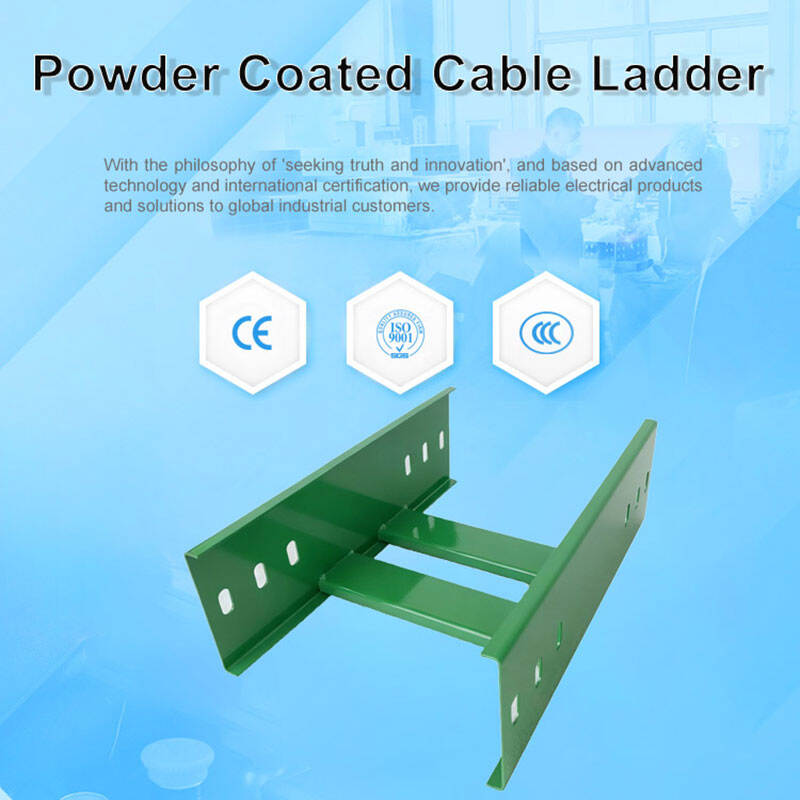
Selecting the right cable tray supplier is a critical decision that can significantly impact your electrical infrastructure project's success, safety, and long-term performance. The cable management industry has evolved tremendously, with suppliers offering diverse solutions ranging from traditional galvanized steel to innovative aluminum and fiberglass options. Understanding what questions to ask your cable tray supplier before making a purchase ensures you receive products that meet your specific requirements while maintaining the highest quality standards. A comprehensive evaluation process helps identify suppliers who can deliver reliable, code-compliant solutions tailored to your project's unique demands.
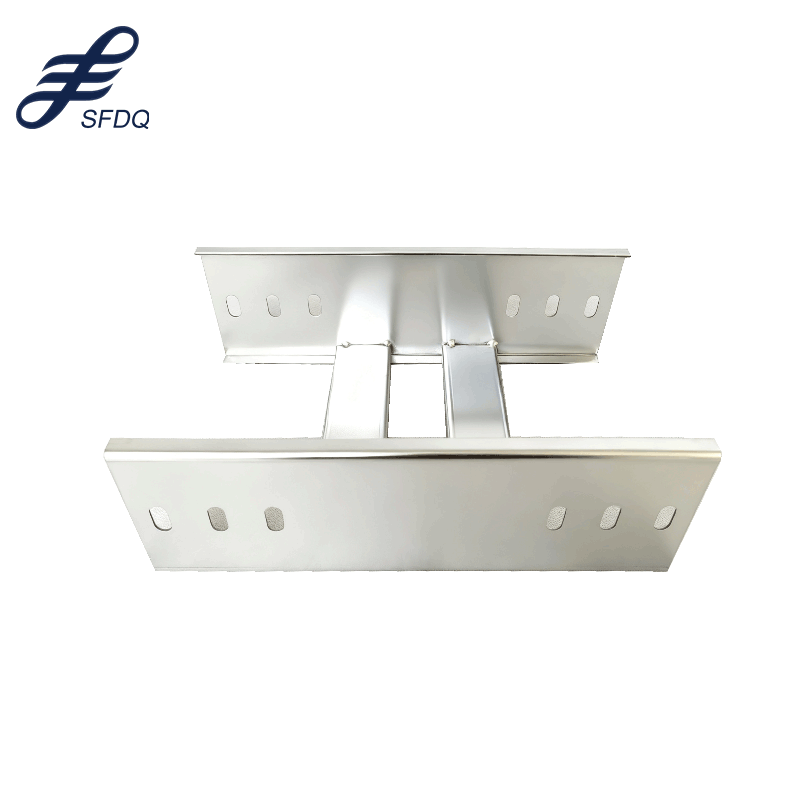
Essential Technical Specifications and Compliance Questions
Material Quality and Manufacturing Standards
When evaluating a cable tray supplier, inquiring about material specifications should be your first priority. Ask about the specific grade of steel, aluminum, or composite materials used in their manufacturing process, as these directly affect durability and performance. Quality suppliers will readily provide detailed material certifications, mill test certificates, and documentation proving their products meet industry standards such as NEMA, UL, or IEC specifications. Understanding the manufacturing process helps ensure consistent quality across all delivered products.
The galvanization process, when applicable, requires special attention during supplier evaluation. Request information about the zinc coating thickness, adherence testing procedures, and expected corrosion resistance ratings. A reputable cable tray supplier will provide comprehensive documentation about their hot-dip galvanizing or pre-galvanizing processes, including before-and-after treatment protocols. These details become crucial when selecting cable management solutions for harsh environments or outdoor installations where corrosion protection is paramount.
Load Capacity and Structural Engineering
Load capacity specifications represent fundamental safety considerations that every cable tray supplier must address comprehensively. Request detailed load tables showing uniform distributed loads, concentrated loads, and deflection calculations for various span lengths and support configurations. Professional suppliers maintain extensive engineering data supporting their load ratings, often verified through independent testing laboratories. This information proves essential for proper system design and code compliance verification.
Structural integrity testing procedures reveal significant insights about supplier reliability and product quality assurance. Ask about fatigue testing, dynamic load testing, and long-term performance validation studies conducted on their cable tray systems. Established suppliers invest in ongoing research and development, continuously validating their products against evolving industry requirements. Understanding these testing protocols helps ensure your selected cable tray supplier maintains rigorous quality standards throughout their manufacturing process.
Customization Capabilities and Project-Specific Solutions
Design Flexibility and Custom Fabrication
Modern electrical installations often require customized cable management solutions that standard catalog products cannot address adequately. Evaluating your cable tray supplier's design flexibility and custom fabrication capabilities ensures they can accommodate unique project requirements. Ask about their engineering support services, custom sizing options, and ability to modify standard configurations for specific installation constraints. Advanced suppliers offer comprehensive design assistance, including AutoCAD drawings, 3D modeling, and installation planning support.
Custom fabrication capabilities extend beyond simple dimensional modifications to include specialized finishes, mounting configurations, and integrated accessories. Request information about their machine capabilities, tooling flexibility, and typical lead times for custom orders. A versatile cable tray supplier maintains modern fabrication equipment capable of producing complex geometries while maintaining consistent quality standards. Understanding these capabilities helps determine whether a supplier can support both current projects and future expansion requirements.
Accessory Integration and System Compatibility
Complete cable management systems require numerous accessories including supports, connectors, covers, and dividers that must integrate seamlessly with primary tray components. Verify that your chosen cable tray supplier offers comprehensive accessory lines designed specifically for their products. Compatibility issues between different manufacturers can create installation delays, performance problems, and code compliance challenges that expensive to resolve after project completion.
System expansion and modification flexibility becomes increasingly important as electrical infrastructure evolves over time. Ask suppliers about their accessory availability, future product development plans, and long-term component compatibility commitments. Established suppliers maintain extensive accessory inventories and provide clear compatibility matrices showing which components work together across their product lines. This information proves invaluable when planning future system modifications or expansions.
Quality Assurance and Testing Protocols
Manufacturing Quality Control Systems
Comprehensive quality control systems distinguish professional cable tray supplier operations from less reliable alternatives. Inquire about their quality management system certifications, such as ISO 9001, and request details about their inspection procedures throughout the manufacturing process. Quality suppliers implement rigorous incoming material inspections, in-process quality checks, and final product testing before shipment. Understanding these procedures provides confidence in consistent product quality and performance.
Traceability systems enable suppliers to track individual products from raw material receipt through final delivery, facilitating quality investigations and warranty support when necessary. Ask about their lot tracking procedures, documentation retention policies, and ability to provide material certifications for specific shipments. Advanced suppliers maintain comprehensive databases linking product serial numbers to material sources, manufacturing dates, and quality test results. This level of traceability demonstrates professional operation and commitment to quality assurance.
Third-Party Testing and Certifications
Independent testing and certification provide objective validation of cable tray performance claims and regulatory compliance. Request information about third-party testing conducted on their products, including fire resistance ratings, electrical conductivity measurements, and environmental performance validation. Reputable suppliers regularly submit products for independent testing and maintain current certifications from recognized testing laboratories such as UL, CSA, or similar organizations.
Ongoing testing programs demonstrate a cable tray supplier commitment to continuous improvement and regulatory compliance. Ask about their testing frequency, scope of testing programs, and procedures for incorporating test results into product improvements. Professional suppliers invest significantly in testing and validation, viewing these activities as essential for maintaining market leadership and customer satisfaction. Understanding their testing philosophy helps evaluate their long-term reliability as a business partner.
Supply Chain Management and Delivery Capabilities
Inventory Management and Stock Availability
Reliable inventory management systems ensure your cable tray supplier can meet project delivery requirements without costly delays. Ask about their stocking policies for standard products, typical inventory levels, and procedures for managing seasonal demand fluctuations. Professional suppliers maintain sophisticated inventory management systems that balance carrying costs against customer service requirements. Understanding their approach to inventory management helps predict delivery reliability for both current and future projects.
Emergency and rush order capabilities become crucial during project schedule changes or unexpected equipment failures. Inquire about their expedited delivery options, minimum order quantities for rush orders, and typical response times for urgent requests. Established suppliers maintain strategic inventory reserves and flexible manufacturing schedules enabling rapid response to customer emergencies. These capabilities often justify premium pricing through reduced project delays and improved schedule reliability.
Geographic Coverage and Distribution Network
Distribution network coverage affects delivery costs, transit times, and technical support availability throughout your project lifecycle. Evaluate your cable tray supplier's geographic presence, including manufacturing locations, distribution centers, and field service capabilities. Suppliers with broad geographic coverage typically offer more competitive freight rates and shorter delivery times compared to those with limited distribution networks. Regional presence also facilitates on-site technical support and warranty service when required.
International shipping capabilities become important for global projects or multinational companies requiring consistent supplier relationships across multiple locations. Ask about their experience with international shipments, export documentation procedures, and ability to coordinate deliveries to multiple international destinations. Experienced suppliers maintain established relationships with international freight forwarders and understand regulatory requirements for various countries. This expertise significantly simplifies project coordination for international installations.
Technical Support and Engineering Services
Pre-Sales Engineering Assistance
Comprehensive pre-sales engineering support distinguishes professional cable tray supplier organizations from simple product distributors. Request information about their engineering capabilities, including system design assistance, load calculations, and installation planning support. Quality suppliers employ experienced engineers who understand cable management applications and can provide valuable design optimization recommendations. This support often prevents costly design errors and installation problems that emerge during construction.
Computer-aided design services and detailed engineering drawings streamline project planning and installation coordination. Ask about their CAD capabilities, drawing standards, and typical deliverable formats for engineering support services. Advanced suppliers provide comprehensive drawing packages including plan views, sections, details, and installation specifications formatted for direct incorporation into construction documents. These services reduce design time and improve installation accuracy.
Installation Support and Field Services
On-site installation support and field services demonstrate a cable tray supplier commitment to project success beyond simple product delivery. Inquire about their field service capabilities, including installation supervision, technical consulting, and problem-solving support during construction. Experienced suppliers often provide installation training for contractor personnel and can identify potential installation issues before they become costly problems.
Post-installation support services ensure long-term system performance and customer satisfaction. Ask about their warranty policies, maintenance recommendations, and procedures for addressing performance issues after project completion. Professional suppliers maintain field service teams capable of investigating problems, recommending solutions, and coordinating warranty repairs when necessary. Understanding these services helps evaluate the total cost of ownership for cable management systems.
Pricing Structure and Commercial Terms
Cost Transparency and Pricing Models
Transparent pricing structures enable accurate project budgeting and fair supplier comparisons. Request detailed information about their pricing models, including base product costs, customization charges, and additional fees for engineering services or expedited delivery. Professional cable tray supplier organizations provide clear pricing documentation that eliminates surprises during project execution. Understanding their pricing philosophy helps establish realistic project budgets and negotiation strategies.
Volume pricing and project-specific discounts can significantly impact total project costs for large installations. Ask about their volume pricing tiers, multi-project discount programs, and procedures for obtaining competitive quotes on large orders. Established suppliers often offer attractive pricing for customers who can provide consolidated orders or long-term purchase commitments. These programs benefit both parties through reduced administrative costs and improved demand predictability.
Payment Terms and Financial Stability
Favorable payment terms and supplier financial stability provide security for long-term business relationships. Inquire about their standard payment terms, early payment discounts, and procedures for establishing credit accounts. Professional suppliers offer reasonable payment terms that balance their cash flow requirements against customer convenience. Understanding these terms helps optimize project cash flow management and supplier relationship development.
Supplier financial stability becomes particularly important for large projects or long-term supply agreements. While detailed financial information may not be readily available, ask about their business history, market position, and commitment to the cable tray industry. Established suppliers with strong financial positions provide greater assurance of continued product availability and warranty support throughout your system's operational life. This stability often justifies premium pricing through reduced long-term risks.
FAQ
What certifications should I expect from a reliable cable tray supplier
A reputable cable tray supplier should maintain multiple certifications including ISO 9001 for quality management, UL or CSA listings for electrical safety, and NEMA compliance for dimensional standards. They should also provide mill test certificates for raw materials, galvanizing certifications when applicable, and third-party load testing validation. Professional suppliers readily share certification documentation and maintain current compliance with evolving industry standards.
How can I verify the load capacity claims made by cable tray manufacturers
Request detailed engineering calculations, load tables, and test reports supporting published load capacities from your cable tray supplier. Independent testing laboratory reports provide the most reliable verification of performance claims. Professional suppliers conduct regular load testing using standardized procedures and can provide specific deflection data for various span lengths and loading conditions. Always verify that load ratings align with your specific installation requirements and safety factors.
What information should I provide to get accurate pricing from cable tray suppliers
Provide comprehensive project details including cable tray types, sizes, quantities, material specifications, finish requirements, and delivery timeline to your cable tray supplier. Include installation drawings, environmental conditions, load requirements, and any special customization needs. The more detailed information you provide, the more accurate pricing you will receive. Request itemized quotes showing base products, accessories, customization charges, and delivery costs separately.
How do I evaluate a cable tray supplier capability for custom fabrication
Assess custom fabrication capabilities by reviewing their engineering resources, manufacturing equipment, and examples of previous custom projects. A qualified cable tray supplier should provide engineering drawings, maintain modern fabrication equipment, and demonstrate experience with projects similar to yours. Ask about typical lead times, minimum order quantities, and their process for managing custom specifications. Request references from customers who have used their custom fabrication services.
Table of Contents
- Essential Technical Specifications and Compliance Questions
- Customization Capabilities and Project-Specific Solutions
- Quality Assurance and Testing Protocols
- Supply Chain Management and Delivery Capabilities
- Technical Support and Engineering Services
- Pricing Structure and Commercial Terms
-
FAQ
- What certifications should I expect from a reliable cable tray supplier
- How can I verify the load capacity claims made by cable tray manufacturers
- What information should I provide to get accurate pricing from cable tray suppliers
- How do I evaluate a cable tray supplier capability for custom fabrication