 EN
EN


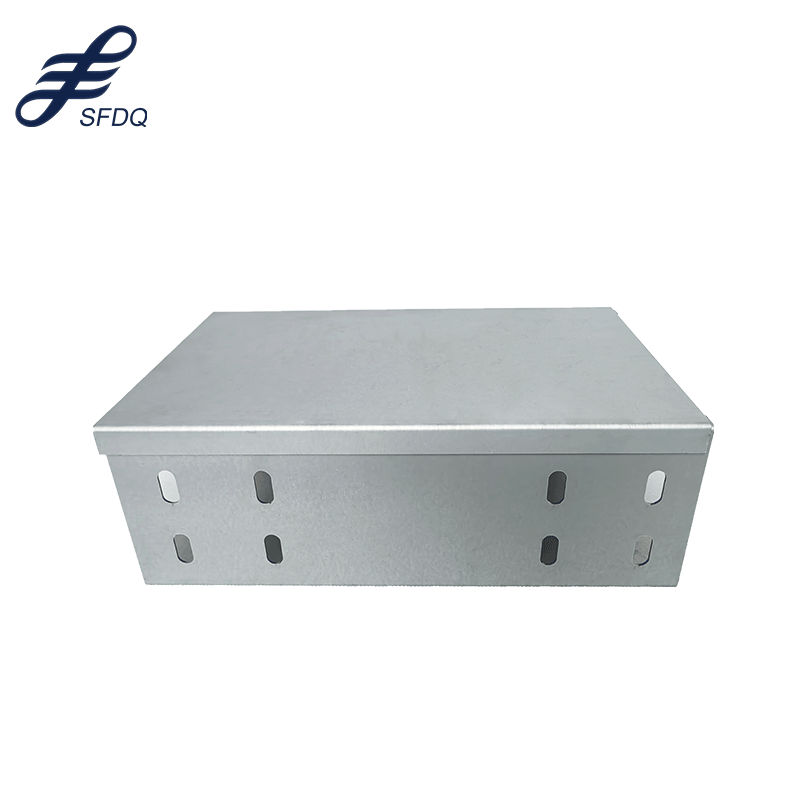
Modern electrical installations require sophisticated cable management systems to ensure safety, organization, and accessibility. Cable trunking has emerged as one of the most efficient solutions for routing and protecting electrical cables in commercial, industrial, and residential applications. This comprehensive cable management system provides a structured pathway for cables while offering protection against environmental hazards and mechanical damage. Understanding the various types of cable trunking available in today's market is essential for electrical engineers, contractors, and facility managers who need to make informed decisions about their cable management requirements.
Understanding Cable Trunking Fundamentals
Definition and Core Purpose
Cable trunking represents a sophisticated cable management system designed to house, protect, and organize electrical cables within buildings and industrial facilities. These enclosed pathways provide a safe and accessible route for power cables, data cables, and communication lines while maintaining aesthetic appeal and regulatory compliance. The primary function of cable trunking extends beyond simple organization to include fire safety, electromagnetic interference reduction, and maintenance accessibility.
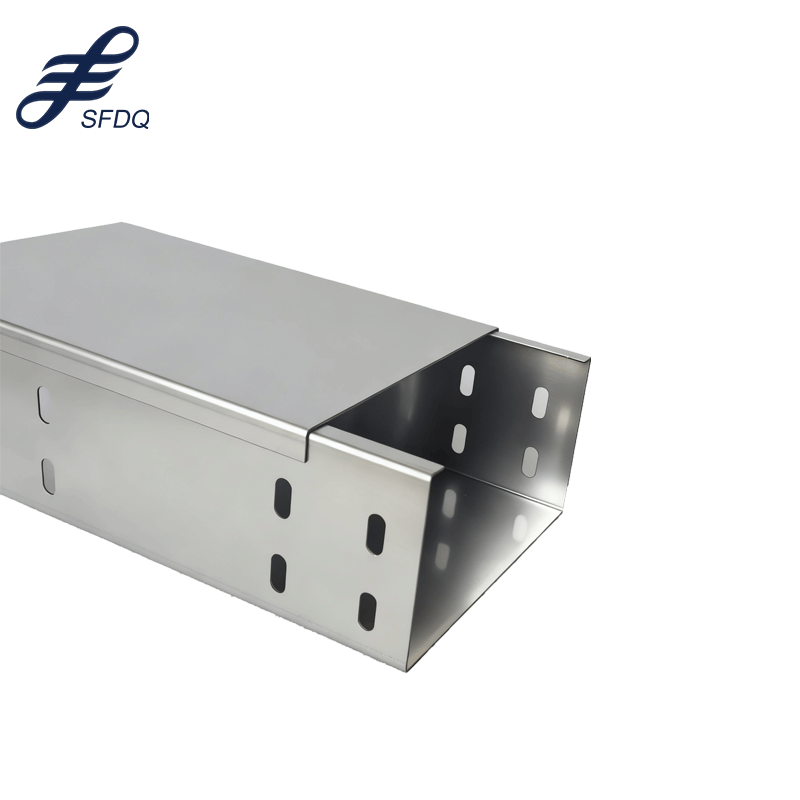
The structural design of cable trunking typically consists of a base channel and removable cover, allowing easy access for installation, maintenance, and modifications. This modular approach makes cable trunking an ideal solution for dynamic environments where cable configurations may change over time. The system accommodates various cable types simultaneously while maintaining proper segregation between different voltage levels and signal types.
Key Components and Construction
A typical cable trunking system comprises several essential components that work together to create an effective cable management solution. The base trunking forms the foundation, providing the primary pathway for cables and mounting points for the entire system. Cover plates or lids secure the cables within the trunking while allowing easy removal for access purposes.
Supporting hardware includes mounting brackets, junction boxes, and corner pieces that enable the cable trunking system to navigate around obstacles and connect different sections. These components ensure structural integrity while maintaining the protective qualities of the complete system. Modern cable trunking designs often incorporate features such as snap-fit covers, integrated mounting systems, and modular expansion capabilities.
Material Classifications for Cable Trunking
Steel Cable Trunking Systems
Steel represents one of the most robust materials for cable trunking applications, particularly in industrial environments where mechanical protection is paramount. Galvanized steel cable trunking offers excellent corrosion resistance while providing superior strength for heavy cable loads. The material's inherent fire resistance makes it suitable for applications requiring high safety standards and regulatory compliance.
Stainless steel variants provide enhanced corrosion resistance for harsh environmental conditions, including marine applications and chemical processing facilities. The durability of steel cable trunking systems makes them cost-effective for long-term installations where reliability and minimal maintenance are crucial factors. These systems can support substantial cable weights while maintaining structural integrity over extended periods.
Aluminum Cable Trunking Solutions
Aluminum cable trunking offers an excellent balance between strength and weight, making it ideal for applications where load considerations are important. The material's natural corrosion resistance eliminates the need for additional protective coatings in many environments. Aluminum systems provide excellent electromagnetic shielding properties, making them suitable for sensitive electronic installations.
The lightweight nature of aluminum cable trunking simplifies installation procedures while reducing structural loading on buildings. This material choice is particularly beneficial in retrofit applications where existing structures have limited load-bearing capacity. Aluminum systems also offer excellent thermal conductivity, helping dissipate heat generated by high-current applications.
PVC and Plastic Cable Trunking Options
Plastic cable trunking systems, particularly those manufactured from PVC, provide cost-effective solutions for light-duty applications. These systems offer excellent chemical resistance and are immune to corrosion, making them suitable for environments where metal systems might deteriorate. The lightweight nature of plastic cable trunking simplifies handling and installation procedures.
Modern plastic formulations include fire-retardant additives that enhance safety characteristics while maintaining the material's inherent benefits. PVC cable trunking systems are available in various colors, allowing for color-coding applications and aesthetic coordination with building interiors. The non-conductive properties of plastic systems eliminate concerns about electrical continuity and grounding requirements.
Size and Configuration Varieties
Standard Dimensional Categories
Cable trunking systems are available in standardized dimensions to accommodate different installation requirements and cable capacities. Small profile systems, typically ranging from 25mm to 100mm in width, are ideal for light commercial applications and residential installations. These compact systems provide adequate space for power circuits, lighting cables, and basic communication wiring.
Medium-sized cable trunking, ranging from 100mm to 300mm in width, serves the majority of commercial and light industrial applications. These systems accommodate multiple cable types while maintaining manageable installation requirements. The moderate size allows for future expansion while keeping the visual impact acceptable in office and retail environments.
Large-Scale Industrial Systems
Heavy-duty cable trunking systems, exceeding 300mm in width, are designed for major industrial installations and large commercial facilities. These systems can accommodate substantial cable quantities while maintaining proper segregation between different voltage levels and signal types. The robust construction supports heavy cable loads and provides maximum protection against environmental hazards.
Custom-sized cable trunking solutions are available for specialized applications where standard dimensions are insufficient. These systems can be manufactured to specific requirements, ensuring optimal fit and performance for unique installation challenges. Large-scale systems often incorporate additional features such as integrated lighting, ventilation, and monitoring capabilities.
Installation Methods and Applications
Surface-Mounted Cable Trunking
Surface-mounted installation represents the most common method for cable trunking deployment in existing buildings and retrofit applications. This approach involves securing the trunking system directly to walls, ceilings, or structural elements using appropriate mounting hardware. Surface mounting allows for easy access and modification while minimizing disruption to existing structures.
The installation process for surface-mounted systems typically requires careful planning to ensure proper routing and adequate support. Mounting brackets must be positioned to handle the expected cable loads while maintaining the required clearances from other building systems. Surface-mounted cable trunking can be painted or finished to match existing building aesthetics.
Concealed and Embedded Systems
Concealed cable trunking installations offer superior aesthetic appeal by hiding the cable management system within walls, floors, or ceiling voids. This approach requires coordination with other building trades and careful planning during construction phases. Embedded systems provide excellent protection while maintaining clean interior appearances.
Access provisions must be carefully planned for concealed cable trunking systems to allow future modifications and maintenance. Junction boxes, access panels, and service points need strategic placement to maintain system functionality without compromising structural integrity. These installations often require specialized fire-stopping measures and compliance with building codes.
Specialized Cable Trunking Types
Fire-Rated Cable Trunking
Fire-rated cable trunking systems incorporate specialized materials and construction methods to maintain circuit integrity during fire conditions. These systems are essential in life safety applications where continued operation of emergency systems is critical. Fire-rated cable trunking often features intumescent materials that expand when exposed to heat, sealing gaps and maintaining protection.
The certification process for fire-rated systems involves rigorous testing to verify performance under specified fire conditions. These systems must maintain their protective properties for predetermined time periods while supporting the continued operation of enclosed cables. Applications include emergency lighting, fire alarm systems, and evacuation communication networks.
Explosion-Proof Cable Trunking
Hazardous location applications require specialized cable trunking designs that prevent the ignition of explosive atmospheres. Explosion-proof systems feature sealed construction and certified materials that eliminate potential ignition sources. These systems must comply with strict classification standards and undergo extensive testing and certification processes.
The design of explosion-proof cable trunking incorporates features such as flame-proof joints, pressure-relief mechanisms, and specialized sealing methods. Installation requires certified technicians and adherence to specific procedures to maintain the system's protective characteristics. These systems are essential in petrochemical facilities, grain handling operations, and other explosive atmosphere environments.
Selection Criteria and Design Considerations
Environmental Factors
Environmental conditions play a crucial role in cable trunking selection, influencing material choice, protective features, and installation methods. Temperature extremes, humidity levels, and chemical exposure all impact the long-term performance of cable trunking systems. Outdoor installations require additional protection against weather conditions, UV exposure, and thermal cycling.
Corrosive environments necessitate careful material selection and protective coatings to ensure system longevity. Marine applications, chemical processing facilities, and wastewater treatment plants present unique challenges that require specialized cable trunking solutions. The ingress protection rating must match the environmental exposure level to prevent system degradation.
Capacity Planning and Future Expansion
Proper capacity planning ensures that cable trunking systems can accommodate initial installation requirements while providing room for future expansion. Industry standards recommend maintaining fill ratios below 50% to allow for thermal dissipation and future cable additions. The calculation must consider cable types, sizes, and installation methods to determine appropriate trunking dimensions.
Future expansion planning should account for technological changes, facility modifications, and increased power requirements. Modular cable trunking systems provide flexibility for future modifications while maintaining system integrity. The selection process should consider the total cost of ownership, including initial installation, maintenance requirements, and modification capabilities.
Installation Best Practices
Planning and Design Phase
Successful cable trunking installations begin with comprehensive planning and design activities that consider all system requirements and constraints. The design phase must coordinate with other building systems to ensure proper clearances and avoid conflicts. Load calculations, support requirements, and access provisions need careful consideration during the planning process.
Documentation and specifications must clearly define cable trunking requirements, including materials, dimensions, installation methods, and performance criteria. The planning phase should identify critical path activities and coordinate with other construction trades to minimize delays and conflicts. Proper documentation ensures compliance with applicable codes and standards.
Installation Procedures and Quality Control
Installation procedures must follow manufacturer recommendations and industry best practices to ensure system performance and safety. Proper mounting, alignment, and connection methods are essential for maintaining structural integrity and protective characteristics. Quality control measures should verify compliance with specifications and identify potential issues before system commissioning.
Testing and commissioning procedures verify that the completed cable trunking system meets all design requirements and safety standards. Documentation of installation procedures, test results, and system configuration provides valuable information for future maintenance and modifications. Proper installation ensures optimal system performance throughout the design life.
FAQ
What factors should be considered when selecting cable trunking materials
Material selection for cable trunking depends on several key factors including environmental conditions, load requirements, fire safety standards, and budget constraints. Steel systems offer maximum strength and fire resistance but require corrosion protection in harsh environments. Aluminum provides good strength-to-weight ratios and natural corrosion resistance, while plastic systems offer cost-effectiveness and chemical resistance for light-duty applications. Consider the specific application requirements, local building codes, and long-term maintenance needs when making material selections.
How do you calculate the proper size for cable trunking systems
Cable trunking sizing calculations involve determining the total cross-sectional area of all cables and applying appropriate fill factors to ensure adequate space and thermal dissipation. Industry standards typically recommend maintaining fill ratios below 50% for power cables and 40% for data cables to prevent overheating and allow for future expansion. Calculate the individual cable areas, sum them together, and divide by the recommended fill factor to determine minimum trunking cross-sectional area. Consider cable bend radius requirements and segregation needs when finalizing dimensions.
What are the key differences between cable tray and cable trunking systems
Cable tray systems consist of open ladder or perforated structures that support cables from below, while cable trunking provides complete enclosure with removable covers. Cable tray offers better ventilation and easier cable access but provides less protection from environmental hazards and electromagnetic interference. Cable trunking systems offer superior protection, better aesthetics, and enhanced security but may require more complex access procedures for maintenance. The choice depends on application requirements, environmental conditions, and aesthetic considerations.
How often should cable trunking systems be inspected and maintained
Cable trunking systems should undergo regular inspection and maintenance to ensure continued performance and safety. Visual inspections should be conducted annually to check for physical damage, corrosion, loose connections, and proper cable support. More detailed inspections may be required in harsh environments or critical applications. Maintenance activities include cleaning, tightening connections, replacing damaged components, and verifying proper cable organization. The inspection frequency should be adjusted based on environmental conditions, system criticality, and manufacturer recommendations to ensure optimal performance throughout the system lifecycle.