 EN
EN


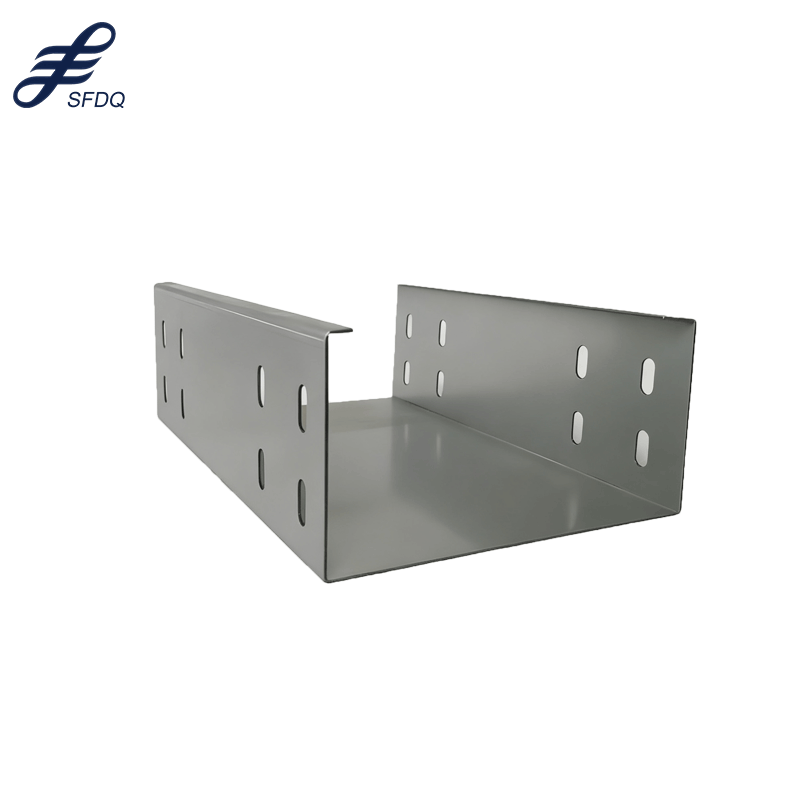
In modern IT and telecommunications environments, the way cables are organized and protected directly affects system reliability. trunking cable management solutions have become a foundational requirement for data centers, server rooms, and telecom facilities. A trunking cable system keeps signal cables separated, protected, and accessible, which is critical when infrastructure must perform without interruption across demanding environments.
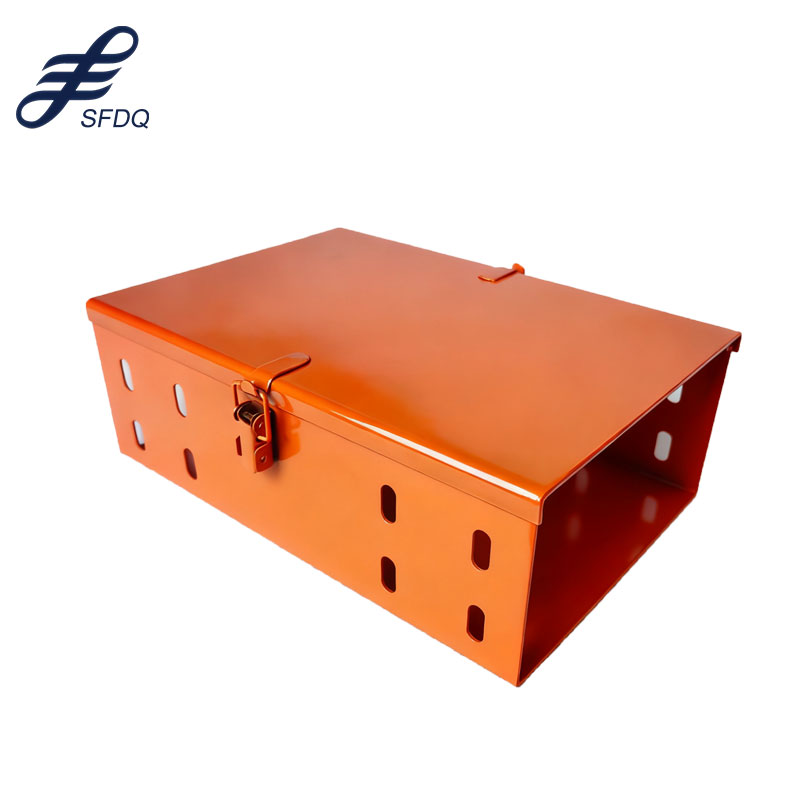
As IT networks scale and telecom infrastructure becomes increasingly dense, the role of trunking cable solutions has grown far beyond simple cable containment. Today, proper trunking cable deployment affects electromagnetic compatibility, maintenance efficiency, fire safety compliance, and long-term operational cost. Understanding how trunking cable works within IT and telecom contexts equips facilities managers, network engineers, and procurement teams with the insight to make better infrastructure decisions.
The Role of Trunking Cable in IT Infrastructure
Structured Cabling and Signal Integrity
In any IT installation, trunking cable pathways define how data signals travel from one zone to another. When trunking cable routes are well-designed, signal cables are shielded from physical damage, vibration, and interference from power-carrying conductors. This separation is not simply a best practice — it is essential for maintaining signal integrity across high-frequency networks. Trunking cable systems provide a controlled environment that prevents cross-talk and electromagnetic interference, both of which can degrade network performance significantly.
A well-implemented trunking cable layout also supports structured cabling standards. Whether a facility uses Cat6, Cat6A, or fiber optic cabling, the trunking cable pathway must accommodate the bend radius and fill ratios specified by those standards. Exceeding fill capacity inside a trunking cable enclosure can compress cables, distort their geometry, and introduce signal loss that is difficult to diagnose after installation. Getting the trunking cable sizing right at the planning stage prevents costly rework later.
Trunking Cable in Data Centers
Data centers rely heavily on trunking cable systems to manage the enormous volume of cables running between server racks, patch panels, and switching equipment. In these environments, trunking cable trays and enclosures are typically installed overhead or beneath raised floors, creating organized highways for fiber and copper cabling. The use of trunking cable with covers is especially important in data centers where airflow management, dust control, and cable security are all critical concerns.
When selecting trunking cable products for data centers, engineers consider load capacity, material durability, and ease of access. Stainless steel trunking cable systems, for example, offer superior corrosion resistance and mechanical strength compared to standard galvanized options. This makes stainless steel trunking cable particularly well-suited for environments with strict hygiene requirements or elevated humidity, such as telecommunications exchange rooms located in coastal or industrial zones.
Trunking Cable Applications in Telecommunications
Telecom Exchange Rooms and Equipment Bays
In telecommunications facilities, trunking cable management must handle a mix of coaxial cables, fiber jumpers, power cables, and alarm wiring — all running in close proximity. The trunking cable system must keep these different cable types segregated to prevent interference and simplify fault isolation. A trunking cable pathway that separates power from signal significantly reduces the risk of induced noise affecting sensitive telecom equipment.
Telecom operators also require trunking cable systems that can be reconfigured as equipment upgrades occur. Unlike fixed conduit, trunking cable enclosures with removable covers allow technicians to add or reroute cables without disrupting live services. This flexibility is a major operational advantage in facilities where network changes happen frequently. Trunking cable systems that support modular expansion make it easier to scale infrastructure without full reinstallation.
Outdoor and Harsh Environment Trunking Cable
Not all trunking cable installations are located indoors. Telecommunications infrastructure often requires trunking cable routes along building exteriors, rooftops, utility corridors, and underground vaults. In these settings, trunking cable must withstand UV exposure, moisture ingress, temperature cycling, and mechanical impact. Selecting trunking cable enclosures with appropriate IP ratings and material specifications ensures long-term performance in outdoor or semi-outdoor deployments.
Stainless steel trunking cable systems are frequently specified for harsh outdoor telecom environments because they resist corrosion without requiring paint or additional coating. For underground or enclosed utility spaces, trunking cable with solid covers prevents water pooling and protects cable jackets from abrasion. The choice of trunking cable material and cover type must always reflect the specific environmental conditions of the installation site.
Selecting the Right Trunking Cable System
Key Specification Criteria
Choosing a trunking cable system for IT or telecom use involves evaluating several technical parameters. Width and depth determine how many cables a trunking cable enclosure can carry without exceeding safe fill ratios. Material grade affects longevity, especially when trunking cable is exposed to chemicals, humidity, or mechanical stress. Cover design matters too — trunking cable with solid covers offers maximum protection, while trunking cable with perforated covers or open tops supports better airflow in thermally sensitive spaces.
Lead time and customization capability are also practical concerns when specifying trunking cable for large or complex projects. Facilities with non-standard layouts may require trunking cable components in custom lengths, angles, or junction configurations. Working with a supplier who can deliver drawing-based trunking cable customization ensures that the installed system fits the real geometry of the building rather than forcing cable routes to adapt to standard parts.
Installation and Maintenance Considerations
Proper trunking cable installation begins with accurate cable volume estimation. Under-specifying trunking cable size forces cables into tight bends, increases the risk of jacket damage, and makes future additions difficult. Over-specifying wastes material and space. A balanced trunking cable specification leaves room for planned growth while keeping the system compact and cost-effective.
Ongoing maintenance of a trunking cable system is much simpler when the original installation follows logical routing principles. Trunking cable runs should be clearly labeled, and access points should be distributed to allow inspection without full disassembly. When trunking cable systems are installed with these principles in mind, fault-finding and cable replacement can be completed efficiently, minimizing network downtime in critical IT and telecom environments.
FAQ
What is the difference between trunking cable and standard cable conduit?
Trunking cable systems use enclosed rectangular channels with removable covers, allowing easy cable access and reconfiguration. Standard conduit is cylindrical and closed, making it difficult to add or remove cables after installation. Trunking cable is generally preferred in IT and telecom settings where flexibility and accessibility are priorities.
How do I determine the correct size for a trunking cable enclosure?
Calculate the total cross-sectional area of all cables intended to pass through the trunking cable enclosure, then apply a fill ratio of no more than 45 to 50 percent to allow for future additions and to avoid cable compression. Manufacturer datasheets for trunking cable products typically include fill capacity guidance based on common cable sizes.
Is stainless steel trunking cable suitable for all IT environments?
Stainless steel trunking cable is well-suited for environments where corrosion, moisture, or hygiene standards are a concern, such as coastal telecom facilities, food-grade manufacturing areas with IT networks, or outdoor installations. For standard indoor office or data center environments, galvanized or powder-coated steel trunking cable may offer a more cost-effective solution without compromising performance.