 EN
EN



A ladder cable tray is one of the most widely deployed cable management solutions in industrial and commercial construction. Its open-rung design allows for maximum airflow around cables, simplifies inspection, and supports heavy cable loads over long spans. Understanding where and how a ladder cable tray is used helps engineers, contractors, and facility managers make the right specification decisions from the start of a project.
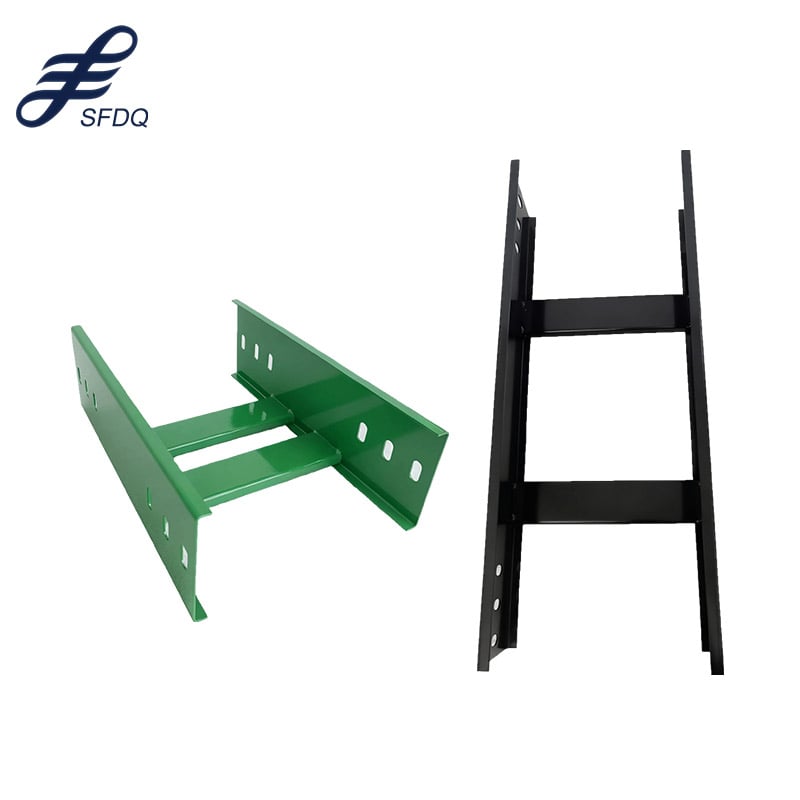
The ladder cable tray system gets its name from its resemblance to a horizontal ladder, with two parallel side rails connected by evenly spaced rungs. This structural configuration delivers exceptional load-bearing performance while keeping installation and maintenance straightforward. From power plants to commercial office buildings, the ladder cable tray serves a broad spectrum of applications that demand reliability, ventilation, and long-term serviceability.
Industrial Power Distribution Applications
Heavy Manufacturing and Process Plants
In heavy manufacturing environments, a ladder cable tray carries high-voltage power cables across long distances with minimal support structures. The robust rung spacing of a ladder cable tray accommodates large-diameter cables that would be impractical to route through enclosed conduit systems. Steel or aluminum ladder cable tray options are both used depending on the corrosion resistance requirements of the specific plant environment. A ladder cable tray system in a manufacturing facility typically runs along ceiling structures, equipment rows, and along production line layouts to deliver power efficiently to motors, drives, and control panels.
Oil, Gas, and Petrochemical Facilities
The oil, gas, and petrochemical sector relies heavily on ladder cable tray installations because these environments involve long cable runs, hazardous conditions, and the constant need for maintenance access. A ladder cable tray in these facilities is often specified in hot-dip galvanized or stainless steel to resist corrosion from chemicals and moisture. The open design of the ladder cable tray allows heat generated by high-current cables to dissipate naturally, which is critical in areas where thermal management directly affects operational safety. Engineers in this sector also value the ladder cable tray for its ability to support instrument cables alongside power cables when properly segregated.
Commercial and Infrastructure Applications
Data Centers and Server Rooms
Data centers represent one of the fastest-growing application areas for ladder cable tray systems. The overhead ladder cable tray provides a structured pathway for power and data cables across rows of server racks, cooling units, and distribution panels. The open rungs of the ladder cable tray allow network and electrical cables to be easily added, rerouted, or removed without dismantling the entire tray system. This flexibility makes the ladder cable tray particularly valuable in data center environments where cable configurations change frequently as capacity expands or technology upgrades occur. A ladder cable tray also supports the careful separation of power and signal cables, reducing the risk of electromagnetic interference that could affect server performance.
Commercial Office Buildings and High-Rise Structures
In commercial construction, the ladder cable tray is installed in electrical risers, mechanical rooms, and above suspended ceilings to manage power distribution cables for lighting, HVAC controls, and building management systems. The ladder cable tray offers a clean and organized routing solution that meets modern building codes and fire safety requirements. Pre-galvanized or powder-coated ladder cable tray options are commonly chosen for commercial applications where aesthetics and corrosion resistance both matter. When integrated into a building's infrastructure during the design phase, a ladder cable tray system can significantly reduce installation labor and long-term maintenance costs.
Utility, Energy, and Transportation Applications
Power Generation and Electrical Substations
Power generation facilities and electrical substations represent core application areas for the ladder cable tray. In these settings, large numbers of control, instrumentation, and high-current power cables must be organized and protected across complex switchgear rooms and outdoor yard areas. The ladder cable tray handles these demands with a combination of structural strength and ventilation that enclosed systems cannot match. Outdoor installations of ladder cable tray in substations are typically finished with hot-dip galvanizing or coated with weather-resistant materials to extend the service life of the tray system in exposed environments. The ladder cable tray also enables quick visual inspection of cables during routine maintenance, which is essential in high-reliability electrical infrastructure.
Rail, Transit, and Transportation Hubs
Transportation infrastructure such as rail networks, metro systems, airports, and tunnels requires extensive cable management for signaling, communications, power supply, and safety systems. The ladder cable tray is a preferred solution in these environments because of its ability to span long distances with fewer support brackets and to carry diverse cable types in a single organized system. A ladder cable tray installed in a rail tunnel, for example, must resist vibration, humidity, and the mechanical stress of dynamic loads passing nearby. Heavy-duty ladder cable tray systems made from galvanized steel provide the structural resilience needed in these demanding transportation applications while remaining easy to inspect and service over decades of operation.
FAQ
What materials are ladder cable tray systems made from?
A ladder cable tray is commonly manufactured from pre-galvanized steel, hot-dip galvanized steel, stainless steel, or aluminum. The choice of material depends on the operating environment, with stainless steel and hot-dip galvanized ladder cable tray options preferred in corrosive or outdoor conditions, while aluminum ladder cable tray is chosen where weight reduction is a priority.
How is a ladder cable tray different from other tray types?
Unlike solid-bottom or perforated cable trays, a ladder cable tray uses an open rung structure that provides superior ventilation for high-current cables and allows heat to dissipate freely. This design also makes it easier to add or remove cables without major disruption to the system, and the ladder cable tray generally supports heavier cable loads over longer spans than other tray configurations.
Can a ladder cable tray be used outdoors?
Yes, a ladder cable tray is well-suited for outdoor installations when the correct material and finish are specified. Hot-dip galvanized and stainless steel ladder cable tray systems are routinely installed in outdoor substations, petrochemical plants, and transportation infrastructure where exposure to weather, moisture, and chemicals is expected. Proper material selection ensures the ladder cable tray maintains its structural integrity and service life in outdoor conditions.