 EN
EN


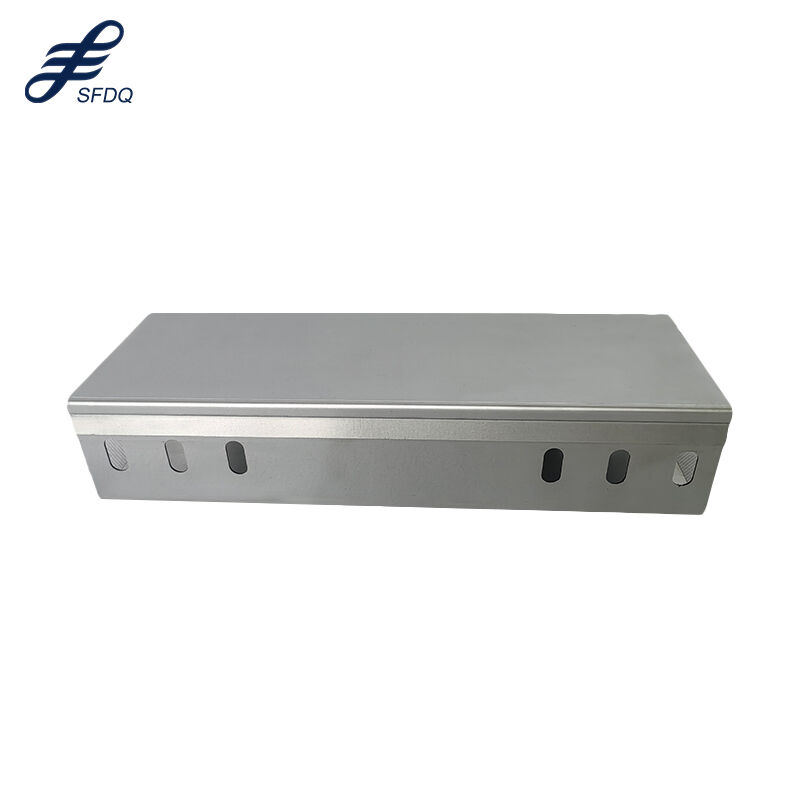
In the complex landscape of industrial and commercial construction, the infrastructure used to house electrical wiring is just as critical as the machinery it powers. Whether you are developing a high-output plant for automotive parts, managing a heavy-duty metallurgy facility, or setting up a precision workshop for CNC wire bending machines, you will inevitably encounter the need for a robust cable management system.
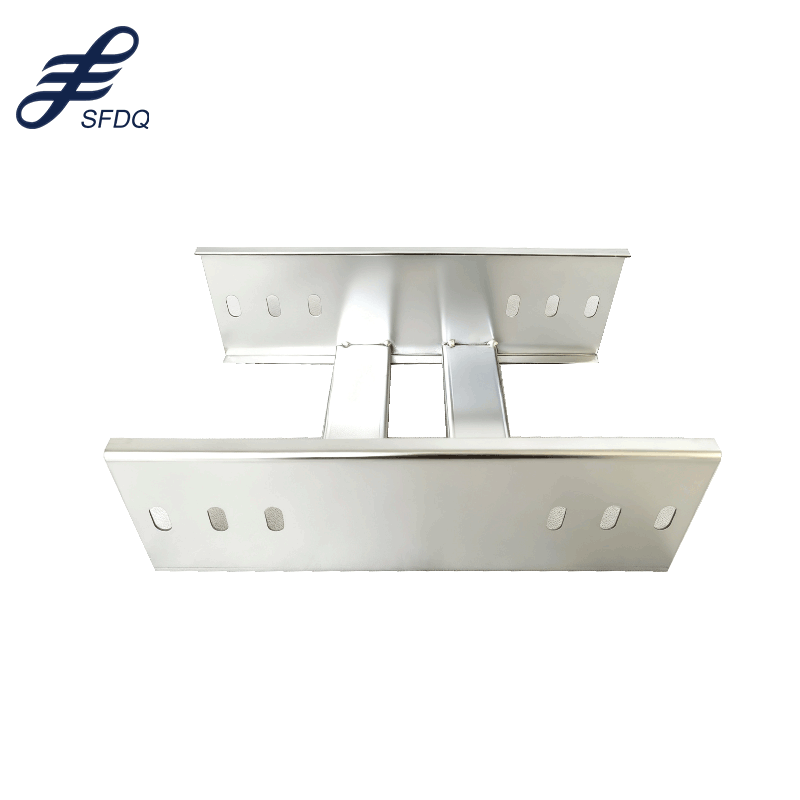
The most versatile and widely adopted solution is the cable tray. This guide provides a deep dive into what cable trays are, their various types, and why they have become the gold standard for modern electrical projects.
Defining the Cable Tray: More Than Just a Support
A cable tray is a rigid structural system used to securely fasten or support cables and raceways. Think of it as the "highway system" for a building's electrical wiring. Unlike traditional conduit systems—which involve pulling wires through enclosed pipes—cable trays provide an open, accessible framework that manages power distribution, control lines, and data communication cables.
In industrial sectors like machinery manufacturing, where equipment like circle forming machines requires complex, high-voltage feeds, cable trays offer the structural integrity needed to organize thousands of meters of wire. They are typically governed by standards such as NEMA VE 1 (National Electrical Manufacturers Association) or IEC 61537, ensuring they can handle specific mechanical loads and provide electrical continuity.
Why Choose Cable Trays Over Conduit?
For decades, steel conduit was the default choice for wiring. However, as facilities have grown more complex, the limitations of conduit—such as difficult installation and heat retention—have become apparent. Cable trays offer several distinct advantages:
Thermal Management and Ampacity
One of the primary benefits of an open cable tray system is heat dissipation. When cables are bundled inside a pipe (conduit), heat builds up. This requires engineers to "derate" the cables, often forcing the use of larger, more expensive copper conductors. In a tray, especially a ladder or perforated type, air circulates freely. This keeps the Tray Cables (TC) cooler, allowing them to operate at their maximum rated ampacity, which significantly reduces material costs.
Scalability and Flexibility
In a fast-paced automotive parts assembly line, production needs change frequently. If a new robot or automated machinery unit is added, a cable tray allows installers to simply lay a new cable into the existing tray. In a conduit system, you would likely need to install a completely new run of pipe, which is time-consuming and labor-intensive.
Maintenance and Troubleshooting
Because the cables are visible, maintenance teams can perform visual inspections in seconds. Identifying a frayed jacket or an overheating connection is straightforward, whereas, in a conduit, faults are hidden and often require specialized equipment to locate.
Types of Cable Trays and Their Applications
The selection of a tray type is a mechanical necessity based on the weight of the cables and the specific industrial environment. Each profile offers a unique balance of strength, protection, and accessibility.
Ladder Cable Tray for Heavy Power
As the name suggests, this tray consists of two longitudinal side rails connected by individual rungs. This is the "heavy lifter" of the family and is widely regarded as the best solution for heavy power cables in metallurgy or large-scale manufacturing. Its primary advantage is that it offers the highest level of airflow and allows cables to enter or exit easily through the rungs to reach equipment like CNC wire bending machines or large motors.
Perforated Cable Tray for Ventilation
This type features a ventilated bottom with a series of precision-punched holes. It is best suited for control and instrumentation cables that require moderate physical protection but still need to vent heat. The perforations provide an additional benefit, as they allow for easy cable tying to keep the complex "spaghetti" of wires organized and prevent them from shifting over time.
Solid Bottom Cable Tray for Maximum Protection
The solid bottom tray is a completely enclosed trough without ventilation. This is the preferred choice for sensitive data lines or areas where EMI (Electromagnetic Interference) shielding is required. It provides the maximum level of physical protection from falling debris, dripping liquids, or dust, which is common in abrasive industrial environments or facilities with high hygiene standards.
Wire Mesh Cable Tray for Data Routing
Also known as "basket trays," these are made of welded stainless steel wires in a grid pattern. They are extremely lightweight and primarily used for low-voltage data, fiber optics, and telecommunications. Their main advantage is site-flexibility; they are easy to cut and join on-site to navigate tight corners or intricate machinery layouts without the need for expensive factory-made fittings.
Material Science: Selecting for Longevity
The durability of your electrical highway depends on the material chosen to withstand the specific stressors of your facility.
| Material / Finish | Typical Use Case | Environmental Benefit |
| Hot-Dip Galvanized Steel | General Industrial | The zinc coating provides sacrificial protection against rust. |
| Aluminum | High Moisture / Coastal | High strength-to-weight ratio and natural corrosion resistance. |
| Stainless Steel (304/316) | Metallurgy / Chemical | Resists aggressive chemical vapors and extreme temperatures. |
| Fiberglass (FRP) | Highly Corrosive / Non-Conductive | Ideal for areas where electrical insulation and chemical immunity are required. |
Engineering Considerations: Load and Span
When designing an electrical project, you cannot simply guess the tray size. You must calculate the Total Cable Load. This involves summing the weight of all cables and ensuring the tray can support that weight over the distance between its support hangers.
If you are installing a system for a large array of automated machinery, you must also account for future expansion. A common rule of thumb is to design the tray for 50% capacity today, leaving room for 50% growth tomorrow. This "future-proofing" prevents the need for expensive infrastructure overhauls down the line.
Installation Best Practices
A cable tray is only as good as its installation. To comply with safety standards and ensure the longevity of the infrastructure, specific electrical and mechanical protocols must be followed.
Effective Bonding and Grounding
Even though a cable tray is primarily a mechanical support structure, any metal tray must be electrically continuous and properly bonded to the building's grounding system. This ensures that the tray can safely carry fault currents and trip circuit breakers in the event of an insulation failure, protecting both personnel and sensitive machinery.
Strategic Cable Separation
High-voltage power cables should never be mixed indiscriminately with low-voltage data cables in the same tray. To prevent EMI (Electromagnetic Interference) from corrupting data signals, installers must use grounded barrier strips or maintain a minimum physical distance between different cable types. This is vital for the reliable operation of precision equipment like CNC wire bending machines.
Maintaining Proper Bend Radius
Mechanical stress is a leading cause of cable failure. When a cable turns a corner or drops out of a tray to reach a circle forming machine, the turn must not be sharper than the manufacturer's specified minimum bend radius. Using standardized fittings such as large-radius elbows and drop-out plates ensures that the internal conductors and shielding remain intact over the facility's lifespan.
Cost Management and Total Cost of Ownership (TCO)
While the initial purchase price of a cable tray system may seem higher than traditional conduit, a comprehensive Total Cost of Ownership analysis reveals significant long-term financial benefits.
Substantial Labor Savings
The installation of a cable tray system is significantly faster than bending, threading, and supporting individual runs of rigid conduit. Because the tray is an open system, cables are laid into place rather than pulled through a pipe, which reduces the labor hours required for initial installation and makes subsequent wiring additions much more efficient.
Raw Material and Copper Savings
The superior ventilation provided by open trays allows cables to operate at higher ampacities compared to those in enclosed pipes. This thermal efficiency often allows engineers to specify smaller wire gauges for the same electrical load. Over a large-scale project, the savings in copper or aluminum costs can often offset the higher initial price of the tray itself.
Simplified Operational Maintenance
In a dynamic manufacturing environment like an automotive parts plant, production lines are frequently reconfigured. Cable trays simplify these upgrades by allowing maintenance teams to easily trace, remove, or add cables without disrupting existing infrastructure. This high degree of flexibility reduces facility downtime and lowers the costs associated with future expansions or technological upgrades.
FAQ: Frequently Asked Questions
Can cable trays be installed vertically?
Yes. Vertical cable trays (risers) are common for moving power between floors. However, cables must be securely clamped to the rungs to prevent them from slipping under their own weight.
Are covers required for cable trays?
Covers are optional but recommended in environments where falling debris, heavy dust (common in metallurgy), or direct sunlight could damage the cable jackets.
What is the "Tray Fill" rule?
National codes (like the NEC) limit how much of a tray's cross-sectional area can be filled with cables. This is primarily to ensure there is enough space for air to circulate and prevent overheating.
Can I cut a cable tray on-site?
Yes, most metal trays can be cut with a band saw or specialized cutters. However, any cut edges must be filed smooth and treated with zinc-rich cold galvanizing spray to prevent rust.
Conclusion: The Foundation of Modern Industry
In conclusion, a cable tray is not just a piece of metal; it is a strategic asset. For professionals working with automotive parts, metallurgy, or complex machinery, understanding the nuances of cable tray selection—from material type to thermal dynamics—is essential for project success.
By choosing the right tray for your specific environment, you ensure a system that is safe, scalable, and cost-effective. Whether you are supporting the heavy power leads of a CNC wire bending machine or the delicate fiber optics of a data center, the cable tray provides the reliable foundation upon which your electrical infrastructure stands.
Table of Contents
- Defining the Cable Tray: More Than Just a Support
- Why Choose Cable Trays Over Conduit?
- Types of Cable Trays and Their Applications
- Material Science: Selecting for Longevity
- Engineering Considerations: Load and Span
- Installation Best Practices
- Cost Management and Total Cost of Ownership (TCO)
- FAQ: Frequently Asked Questions
- Conclusion: The Foundation of Modern Industry