 EN
EN


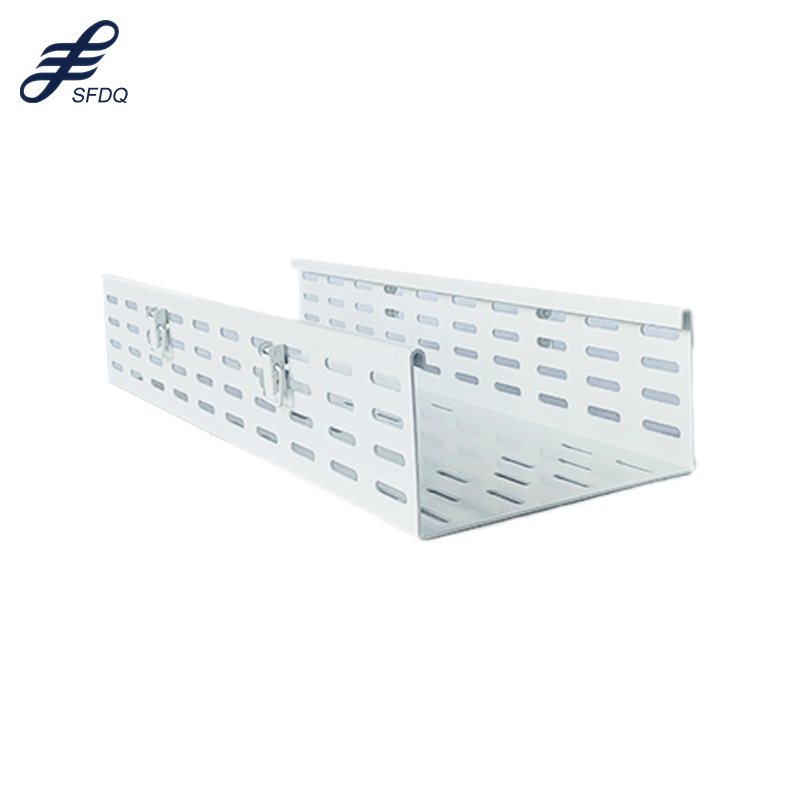
In the sophisticated world of industrial electrical design, the method used to manage cabling is just as vital as the power it carries. While ladder trays are the go-to for heavy power distribution and wire mesh is preferred for light data routing, the perforated cable tray occupies a critical middle ground. It is the versatile workhorse found in automotive parts assembly lines, metallurgy facilities, and precision workshops housing CNC wire bending machines.
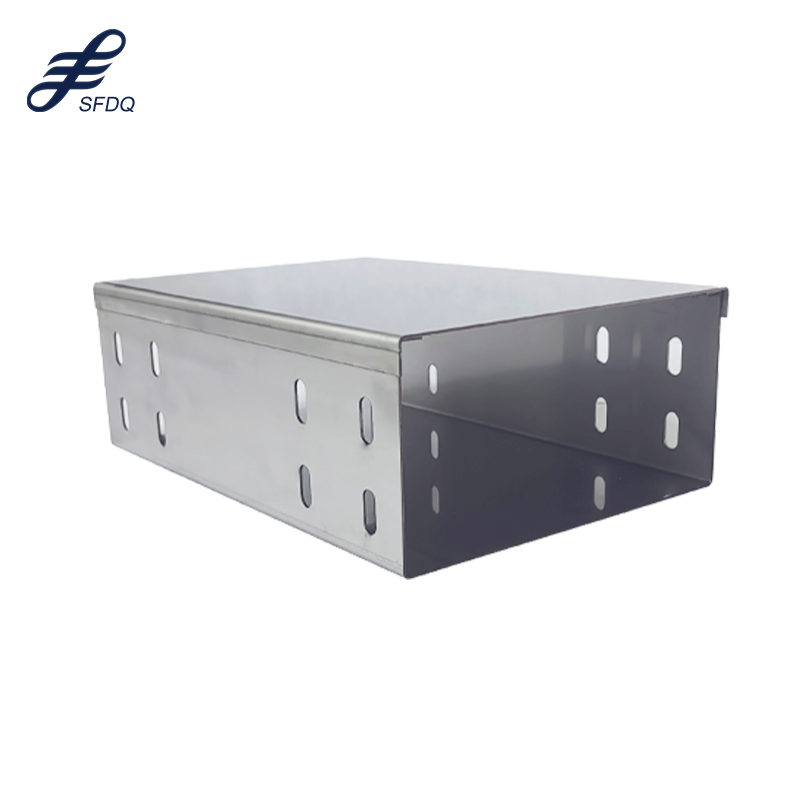
Choosing the right perforated tray is not merely a matter of picking a size from a catalog. It requires a deep understanding of thermal dynamics, mechanical loading, and environmental stressors. This guide provides a comprehensive framework for selecting the optimal perforated cable tray for your next industrial project.
Understanding the Perforated Cable Tray Profile
A perforated cable tray is a ventilated metal trough with a series of precision-punched holes in the bottom and side rails. This design is engineered to provide a balance between the physical protection of a solid-bottom tray and the ventilation of a ladder tray.
In high-output machinery environments, perforated trays are typically used for control cables, instrumentation wiring, and smaller power leads. They are governed by international standards such as NEMA VE 1 and IEC 61537, which define the load-bearing requirements and electrical continuity standards. The "perforations" are not just for weight reduction; they serve as critical ventilation ports and provide thousands of points to secure Tray Cables (TC) using cable ties, ensuring a neat and organized installation.
Thermal Management and Ventilation Requirements
One of the primary factors in choosing a perforated tray is the thermal profile of your cables. Electricity generates heat, and if that heat is trapped, it can lead to insulation degradation or "derating" of the cables.
The Benefit of Airflow
Unlike solid-bottom trays that trap heat, the holes in a perforated tray allow for natural convection. This air movement helps keep control wires for automated machinery at a stable operating temperature. When cables run cooler, they can carry current more efficiently, which can sometimes allow engineers to avoid moving to a larger, more expensive wire gauge.
Calculating Ventilation Percentage
Not all perforated trays are created equal. Different manufacturers offer different "open area" percentages. If you are installing high-density cable bundles for a complex automotive parts production line, you should select a tray with a higher perforation density to maximize airflow. Conversely, if the environment is prone to dripping liquids or falling dust—common in certain metallurgy processes—a tray with smaller or fewer perforations might be chosen to provide more shielding.
Assessing Mechanical Load and Span
A cable tray is a structural element. If it is overloaded or under-supported, the results can be catastrophic for the facility's safety.
Load-to-Span Ratios
Every perforated tray has a rated load capacity (expressed in lbs/ft or kg/m). This rating is inextricably linked to the "span," or the distance between the support hangers. For heavy-duty industrial projects, you must calculate the total weight of all cables, including a 25% to 50% margin for future expansion. If the span between your building’s structural beams is 3 meters, you must ensure the tray you choose can support the full cable weight across that 3-meter gap without excessive deflection.
Side Rail Height and Cable Volume
The height of the side rails (often called the "loading depth") determines how many cables the tray can physically hold. For machinery hubs where hundreds of small-diameter control cables are required, a tray with higher side rails (e.g., 100mm or 150mm) is often better than a wider, shallower tray. This keeps the cable bundle contained and protected within the tray's profile.
Material Selection for Industrial Longevity
The environment of your facility dictates the material and finish of the tray. Choosing the wrong material can lead to corrosion and system failure within a few years.
Hot-Dip Galvanized Steel (HDG)
This is the standard for most industrial applications. The steel is dipped into molten zinc after fabrication, ensuring that all edges and perforations are coated. It provides excellent sacrificial protection against rust, making it ideal for general manufacturing plants.
Pre-Galvanized Steel
Often chosen for indoor, climate-controlled environments like data centers or clean-room assembly for automotive parts. While more aesthetic and cost-effective than HDG, the cut edges and perforation rims are more susceptible to rust if exposed to high humidity.
Aluminum Alloys
Aluminum is prized for its high strength-to-weight ratio and natural resistance to corrosion. It is an excellent choice for high-moisture environments. Additionally, because aluminum is non-magnetic, it can help reduce inductive heating in certain high-current AC applications.
Stainless Steel (304 or 316)
In the aggressive atmospheres of metallurgy plants or chemical processing zones, stainless steel is the gold standard. Grade 316, in particular, offers superior resistance to pitting and chemical vapors, ensuring the infrastructure outlasts the machinery it serves.
| Material | Environment | Key Benefit |
| HDG Steel | General Industrial | Most cost-effective for heavy-duty use. |
| Aluminum | High Moisture | Lightweight and naturally rust-resistant. |
| Stainless 316 | Metallurgy / Chemical | Ultimate chemical and heat resistance. |
Compatibility with Machinery and Routing
In modern manufacturing, the layout of the cable tray must be as precise as the CNC wire bending machines it powers.
Fittings and Transitions
A reliable perforated tray system must offer a full range of factory-made fittings, including horizontal elbows, tees, and vertical risers. When cables exit the tray to reach a circle forming machine, the use of "drop-out" fittings is essential. These accessories provide a smooth, rounded surface that prevents the cables from rubbing against sharp metal edges, which could lead to short circuits over time.
EMI and Signal Integrity
For precision automated machinery, electromagnetic interference (EMI) is a major concern. Perforated metal trays provide a degree of shielding against electrical noise. When routing data and power together, look for trays that can accommodate grounded barrier strips. This allows you to run sensitive control signals and power leads in the same tray while maintaining the signal integrity required for high-speed industrial processors.
Installation Efficiency and Labor Costs
The "Total Installed Cost" of a tray system is often more important than the "Purchase Price." A tray that is easy to install can save thousands of dollars in labor.
Easy-Joining Systems
Traditional trays require many nuts, bolts, and splice plates at every joint. Modern perforated trays often feature "click-together" or "boltless" joining systems. In a large-scale automotive parts facility where kilometers of tray are installed, these labor-saving features can reduce installation time by up to 30%.
Site Flexibility
While ladder trays are difficult to modify on-site, perforated trays are relatively easy to cut and adjust. Using specialized nibblers or saws, installers can make precision adjustments to navigate around unforeseen structural obstacles in the machinery layout. However, it is vital to treat all cut edges with zinc-rich cold galvanizing spray to prevent localized corrosion.
Cost Management and Total Cost of Ownership (TCO)
When presenting a budget for an electrical project, it is essential to look at the Total Cost of Ownership.
Reduced Maintenance
A high-quality, properly finished perforated tray requires almost zero maintenance over a 20-year lifespan. This is a significant advantage over conduit systems, which can trap moisture and require frequent internal cleaning or cable pulling.
Future-Proofing
Production lines for automotive parts are rarely static. As new technology emerges, you will likely need to add more sensors or control points. A perforated tray allows for "drop-in" upgrades. Maintenance teams can easily add new cables to the existing tray without the need to tear out old pipes or install new support structures, ensuring the facility remains adaptable for decades.
FAQ: Critical Considerations for Selection
When should I use a cover on a perforated tray?
Covers are recommended in environments with heavy falling debris, high dust accumulation (common in metallurgy), or where cables are exposed to direct sunlight. However, remember that adding a cover reduces ventilation, so you must account for potential heat buildup.
Can perforated trays be used for heavy power cables?
While possible, ladder trays are usually preferred for very large power cables due to better airflow. Perforated trays are the ideal choice for medium-power cables and high-density control wiring for automated machinery.
How do I ensure electrical grounding?
All metal trays must be electrically continuous. This is achieved through the use of bonding jumpers or specialized splice plates that bite into the metal. Proper grounding is essential to protect personnel and sensitive CNC wire bending machines from fault currents.
What is the typical rung or hole spacing?
Most perforated trays have a standard hole pattern (e.g., 7mm x 20mm). This pattern is designed to accept standard cable ties, making it easy to keep vertical and horizontal cable runs perfectly aligned.
Conclusion: Selecting for Reliability
Choosing a perforated cable tray is a strategic decision that impacts the safety, efficiency, and longevity of your industrial infrastructure. By prioritizing thermal management, mechanical integrity, and material durability, you create a foundation that supports the high-performance demands of the automotive, metallurgy, and machinery sectors.
Whether you are supporting the delicate sensor wires of a CNC wire bending machine or the control leads for a circle forming machine, the right perforated tray ensures your project remains safe, organized, and ready for future growth.
Table of Contents
- Understanding the Perforated Cable Tray Profile
- Thermal Management and Ventilation Requirements
- Assessing Mechanical Load and Span
- Material Selection for Industrial Longevity
- Compatibility with Machinery and Routing
- Installation Efficiency and Labor Costs
- Cost Management and Total Cost of Ownership (TCO)
- FAQ: Critical Considerations for Selection
- Conclusion: Selecting for Reliability