what are the types of cable tray
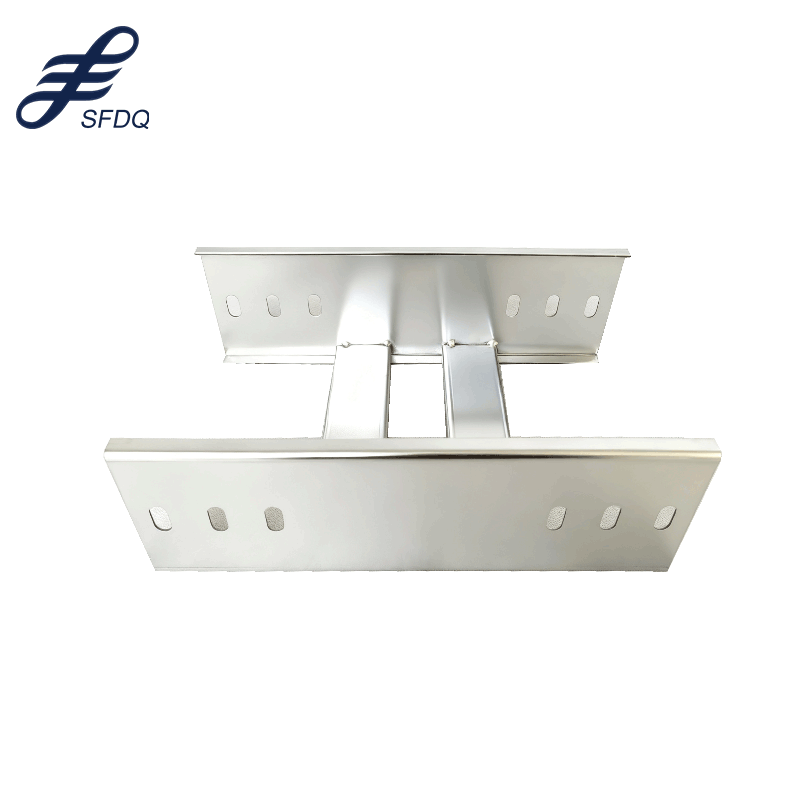
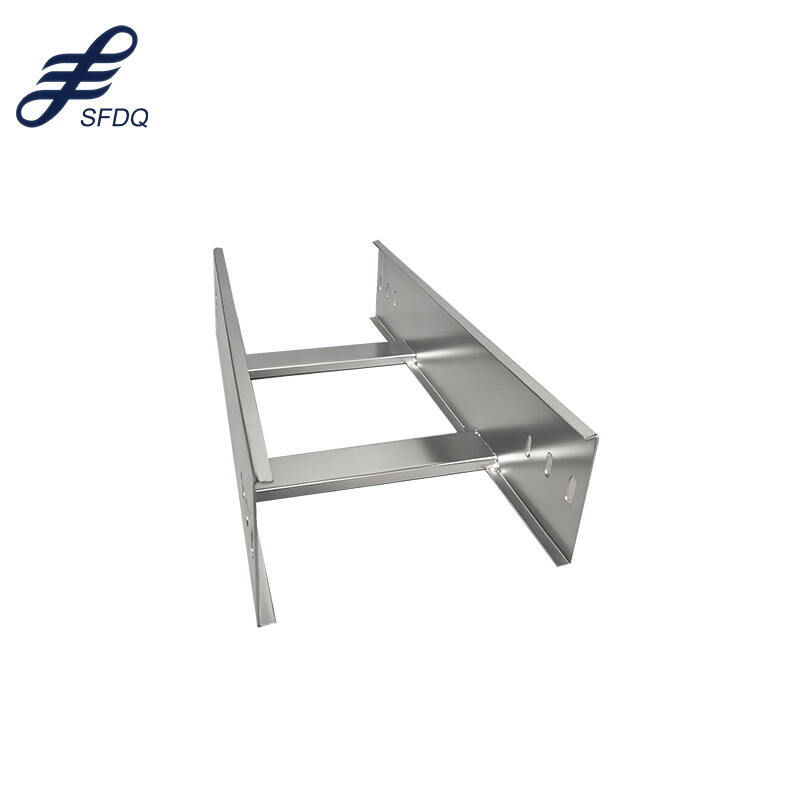
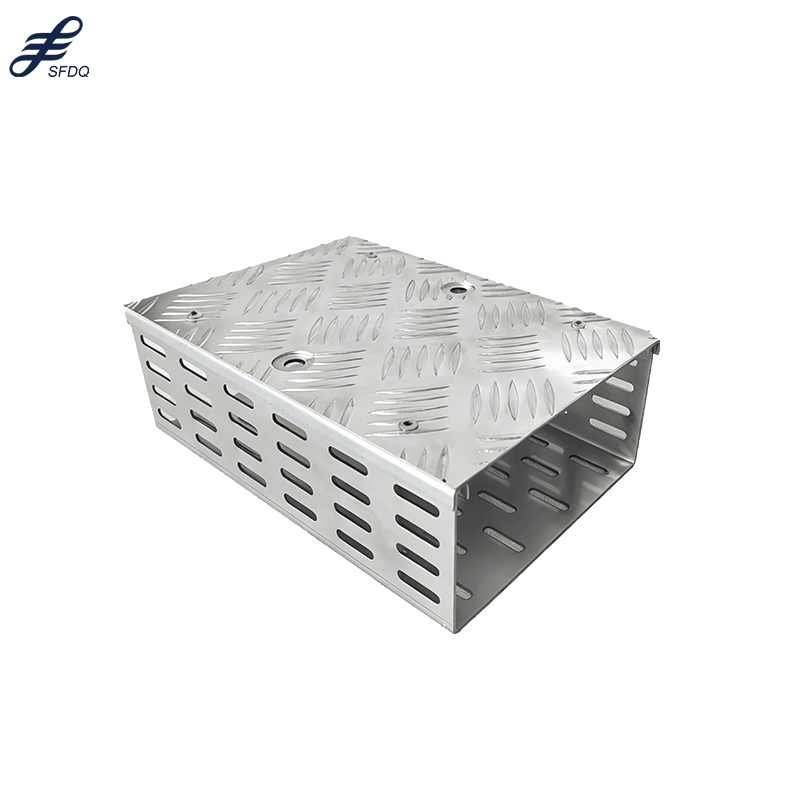
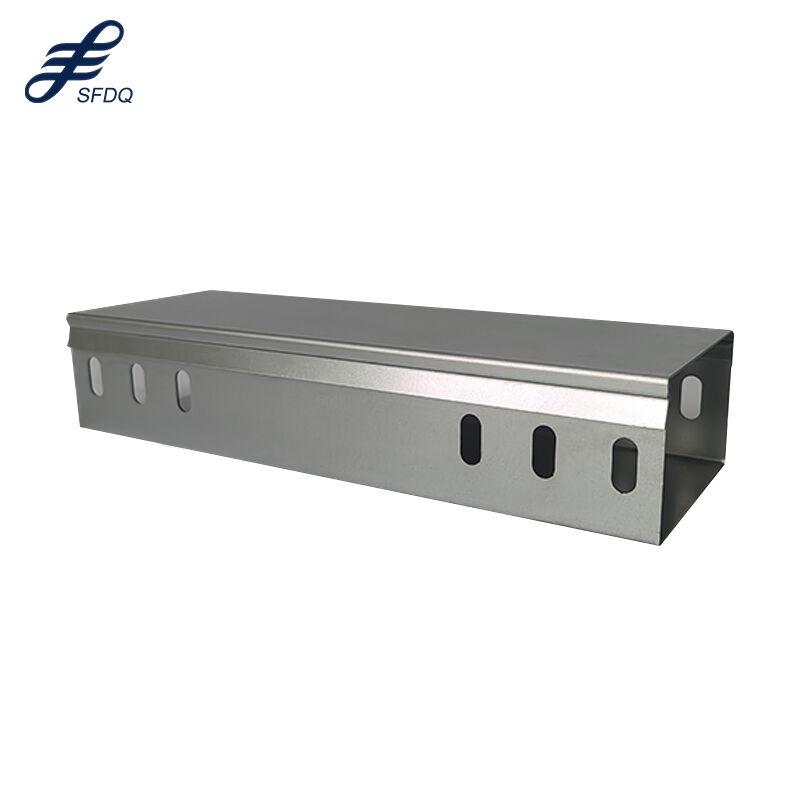
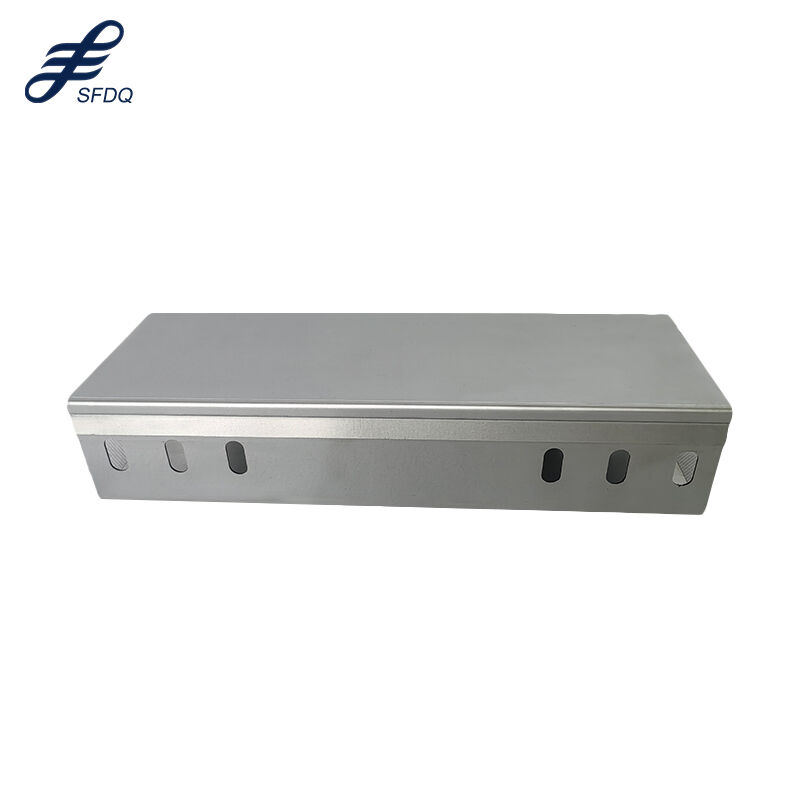
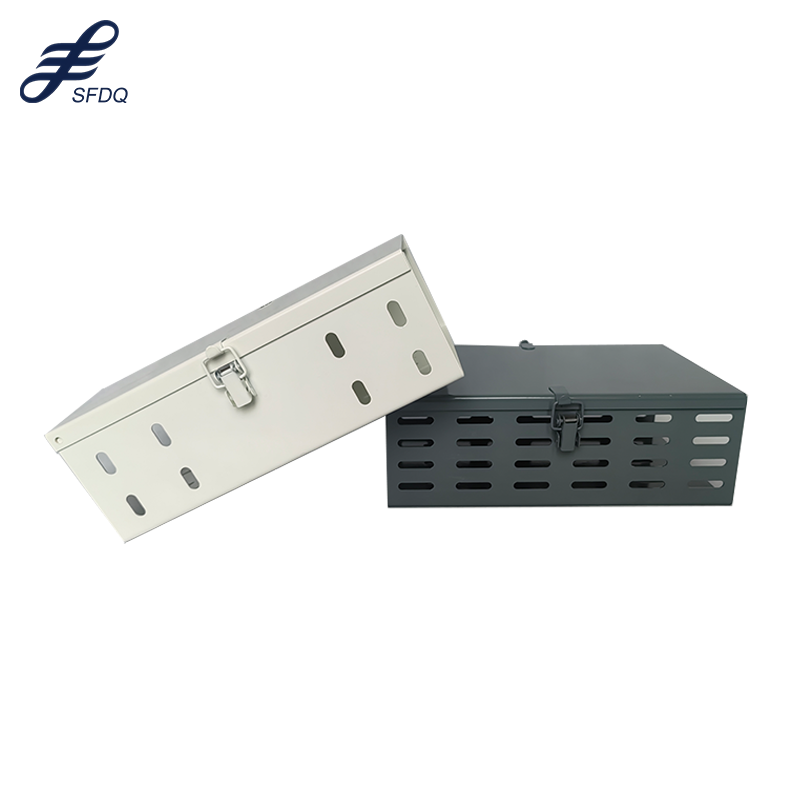
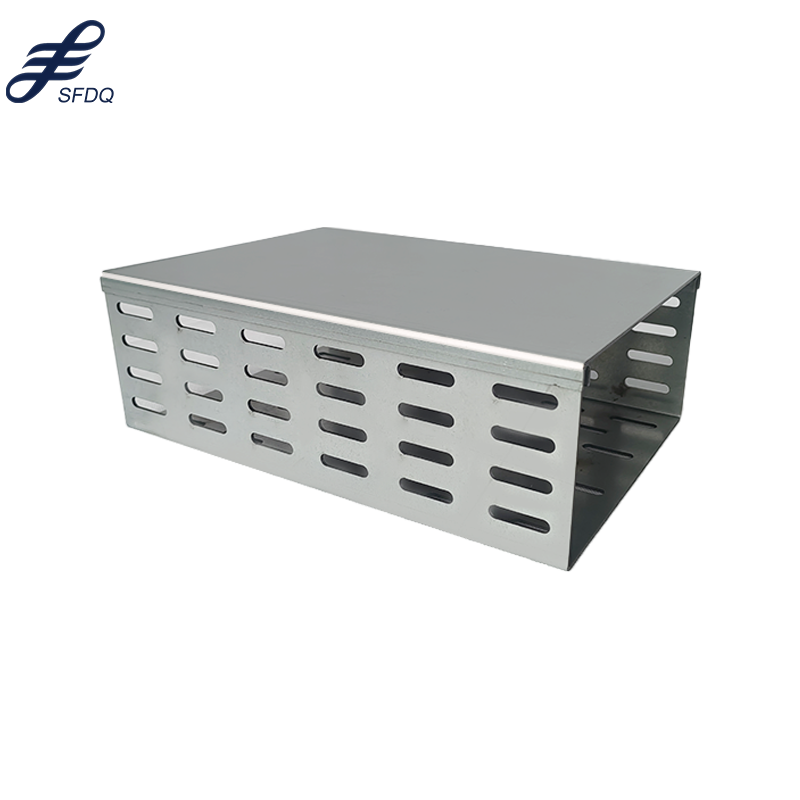
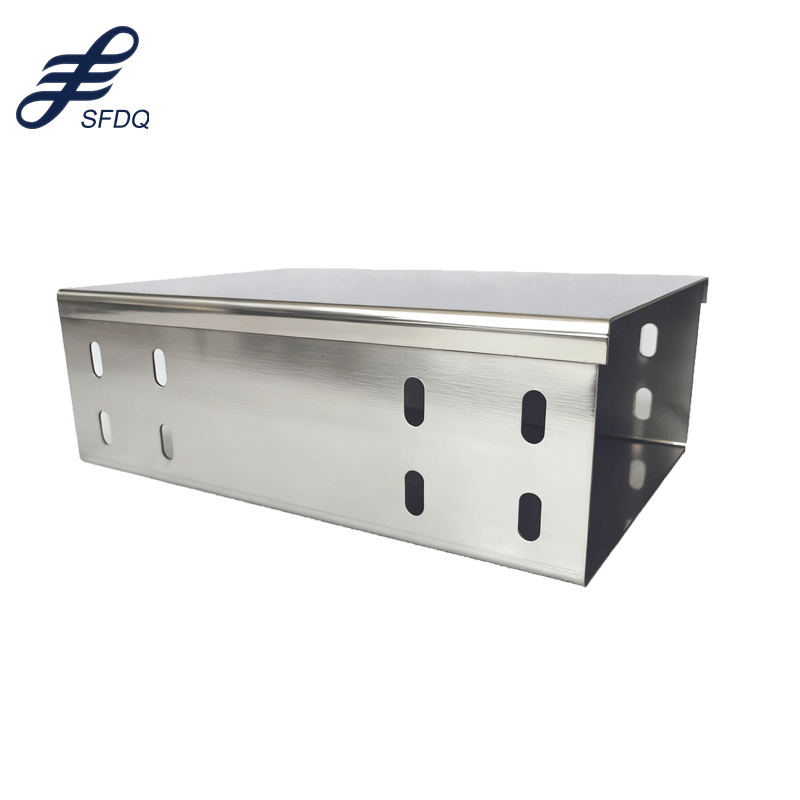
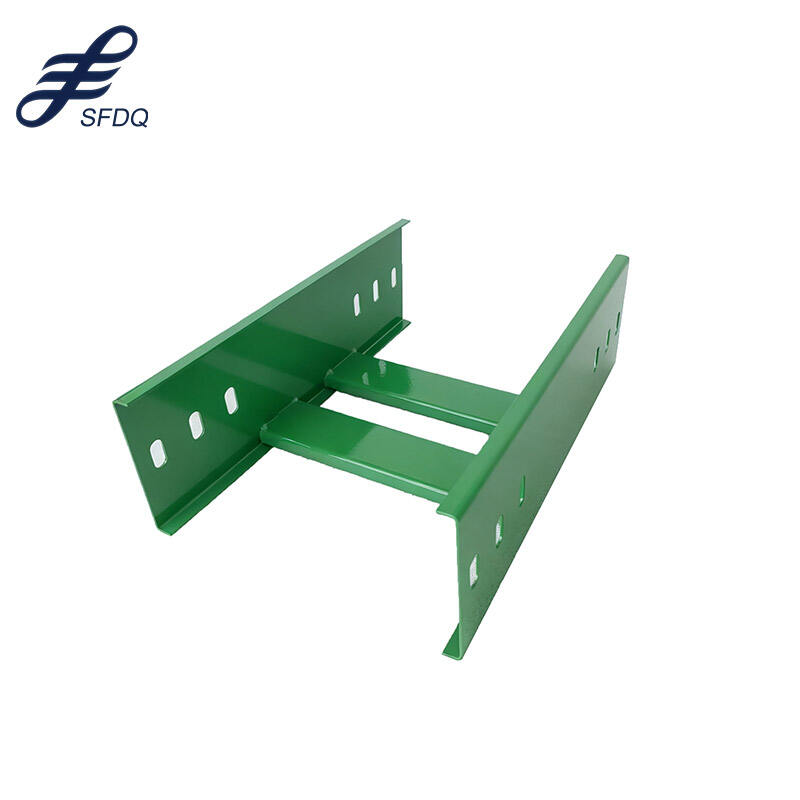
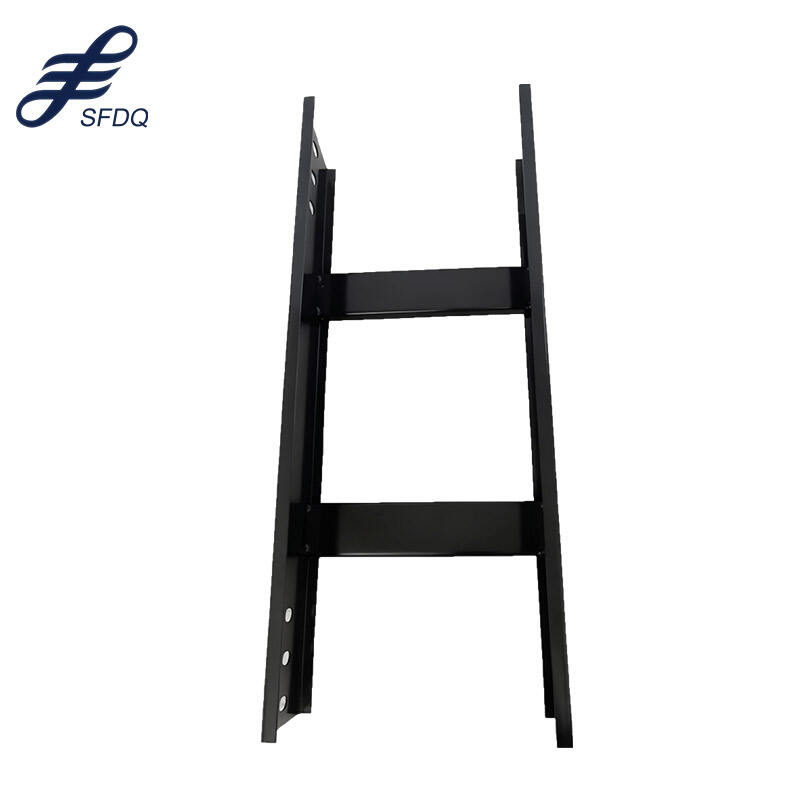
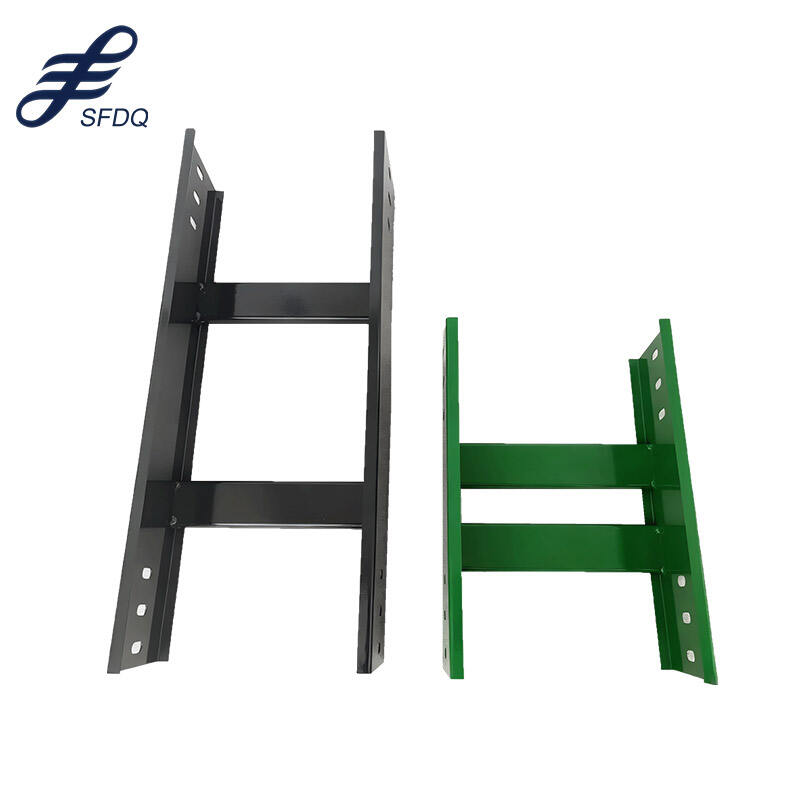
Understanding what are the types of cable tray is essential for anyone involved in electrical infrastructure planning and installation. Cable trays serve as mechanical support systems designed to hold, route, and protect electrical cables in commercial, industrial, and residential buildings. These structured pathways ensure organized cable management while providing easy access for maintenance and future upgrades. The main functions of cable trays include supporting cable weight, preventing cable damage from environmental factors, facilitating proper ventilation, and maintaining electrical safety standards. Cable trays also enable efficient space utilization and reduce installation time compared to traditional conduit systems. When examining what are the types of cable tray available, professionals encounter several distinct categories, each engineered for specific applications and environments. Ladder-type cable trays feature two longitudinal rails connected by rungs, resembling a ladder structure. This design provides excellent ventilation and drainage while supporting heavy cable loads. Perforated cable trays incorporate ventilated bottom panels with strategically placed holes, offering superior airflow and electromagnetic interference shielding. Solid bottom cable trays provide complete cable protection from debris and environmental contaminants, making them ideal for sensitive electronic installations. Wire mesh cable trays utilize welded wire construction, delivering lightweight yet robust support with maximum ventilation capabilities. Channel cable trays feature enclosed sides with open tops, providing lateral cable support and protection. Trough cable trays offer complete enclosure similar to conduits but with removable covers for easy access. The technological features of modern cable trays include corrosion-resistant materials such as galvanized steel, stainless steel, aluminum, and fiberglass-reinforced plastic. Advanced coating technologies enhance durability and extend service life in harsh environments. Modular designs enable quick assembly and customization, while standardized dimensions ensure compatibility across different manufacturers. Fire-resistant materials and treatments meet stringent safety codes, protecting both cables and surrounding structures.
 EN
EN