what is cable tray
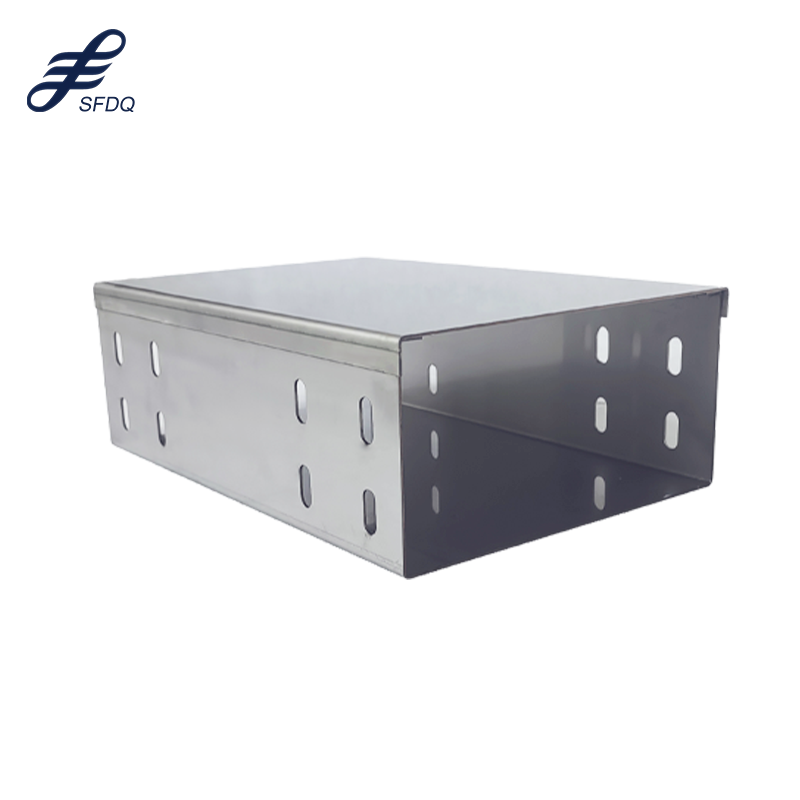
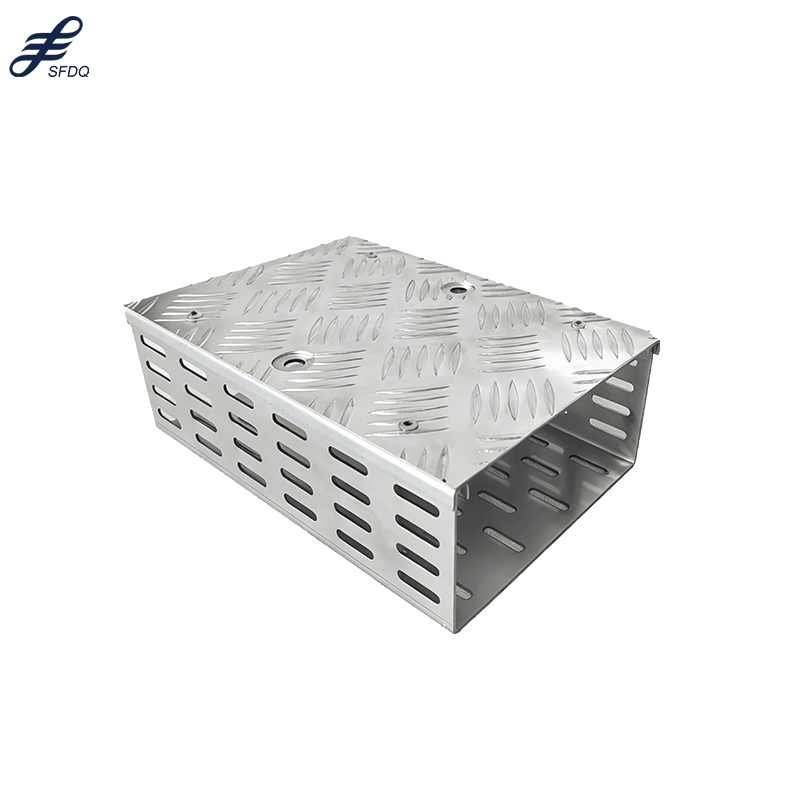
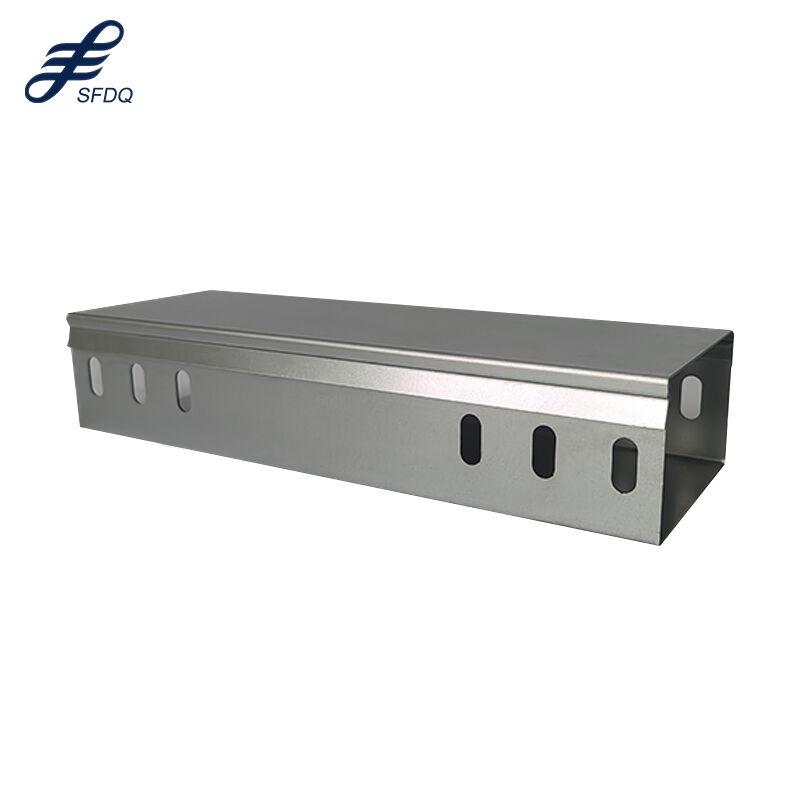
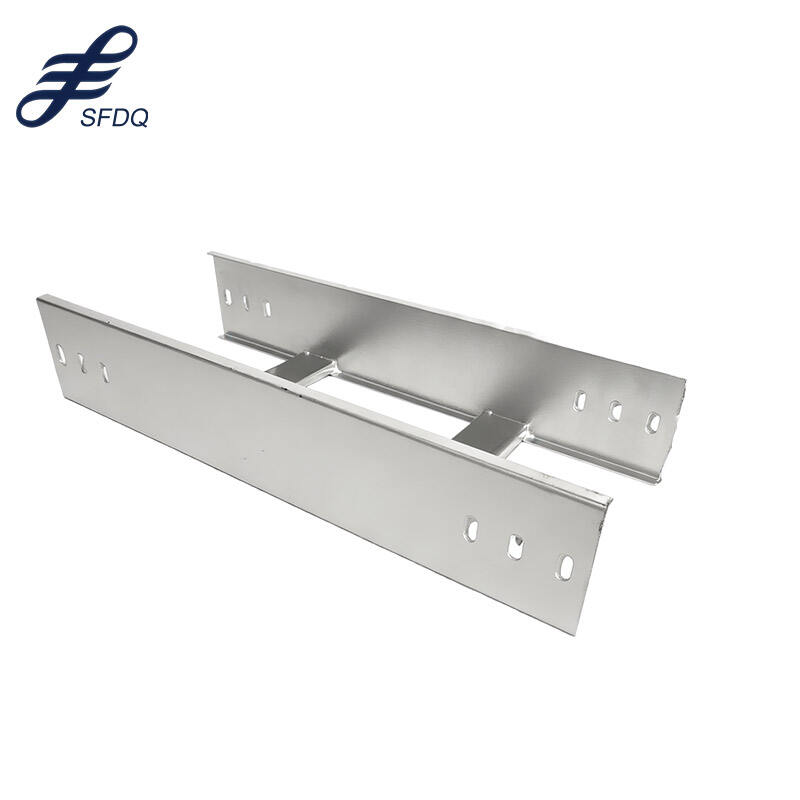
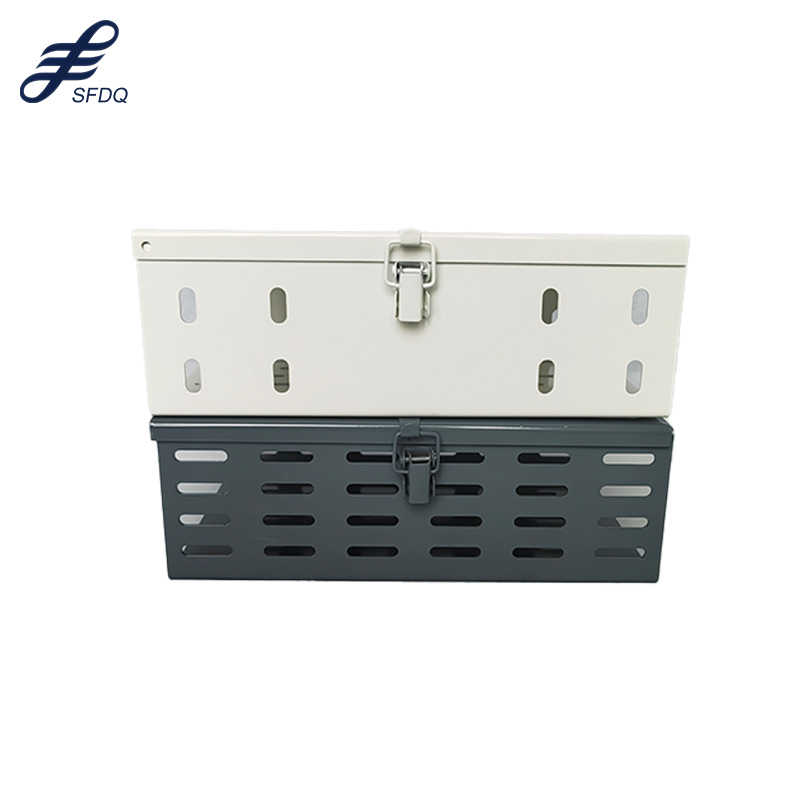
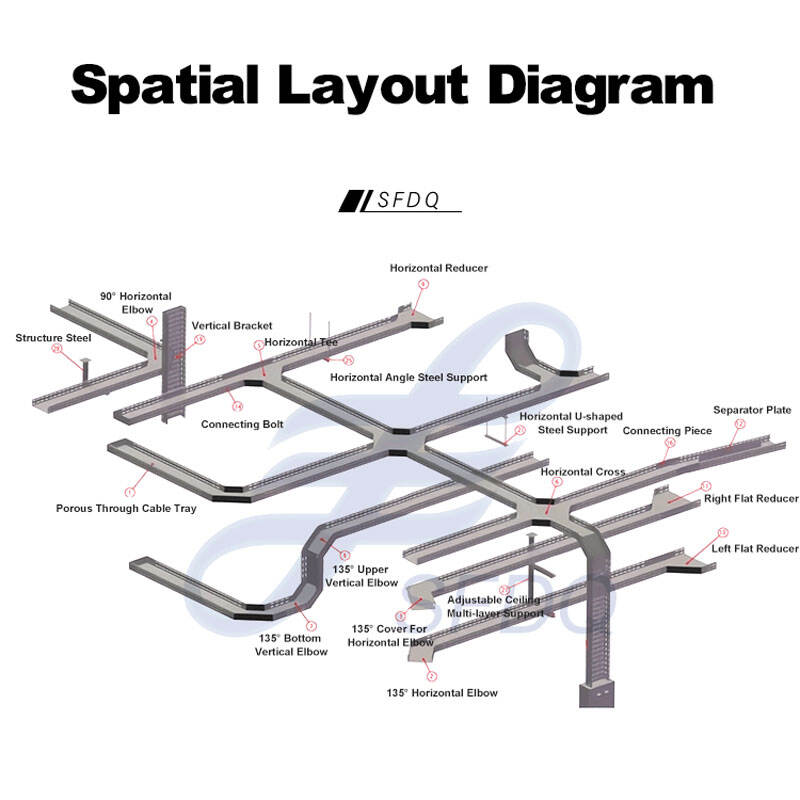
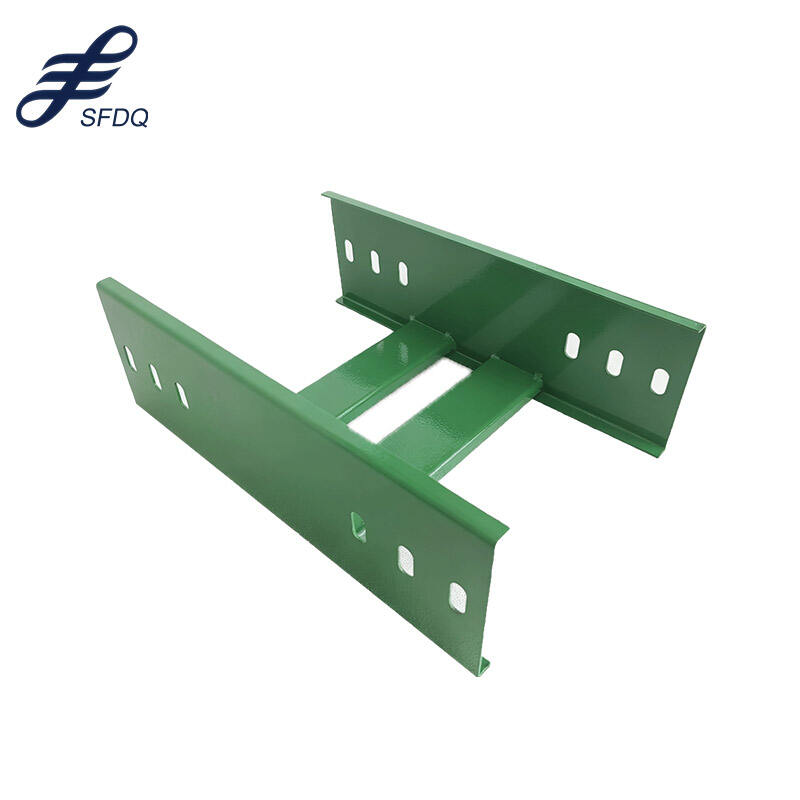
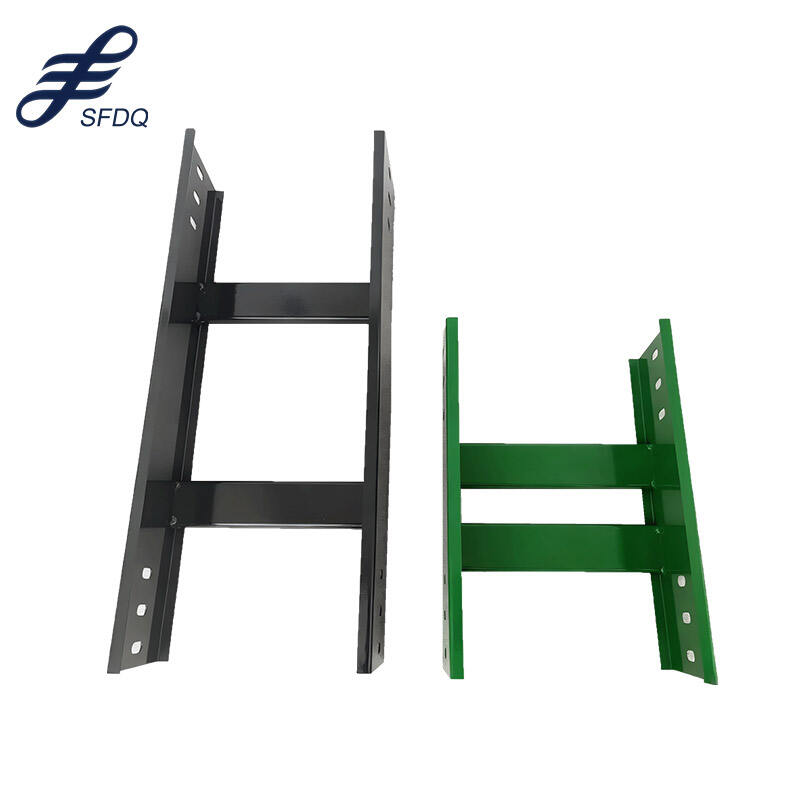
A cable tray represents a fundamental infrastructure component designed to support and organize electrical cables, wiring systems, and telecommunications equipment throughout commercial, industrial, and residential buildings. Understanding what is cable tray begins with recognizing its primary purpose as a mechanical support system that provides a structured pathway for cable routing while ensuring safety, accessibility, and code compliance. Cable trays function as elevated platforms or channels that hold multiple cables securely while allowing for easy installation, maintenance, and modifications. The main functions of cable trays encompass several critical aspects of electrical infrastructure management. They provide physical support for heavy cable loads, distribute weight evenly across mounting points, and create organized pathways that prevent cable damage from environmental factors. Cable trays also facilitate proper ventilation around cables, reducing heat buildup and extending cable lifespan. Additionally, they enable efficient cable management by separating different types of cables, such as power cables from data cables, which minimizes electromagnetic interference and maintains signal integrity. The technological features of cable trays vary depending on their design and intended application. Common materials include galvanized steel, stainless steel, aluminum, and fiberglass, each offering specific advantages for different environments. Ladder-type cable trays feature rungs that provide maximum ventilation and easy cable access, while solid-bottom trays offer complete cable protection from debris and environmental contaminants. Perforated cable trays combine protection with ventilation, featuring strategically placed holes that allow airflow while shielding cables. Wire mesh cable trays provide lightweight solutions with excellent visibility and accessibility. Cable tray applications span numerous industries and settings, from manufacturing facilities and data centers to hospitals and educational institutions, where reliable cable management systems are essential for operational efficiency and safety compliance.
 EN
EN