 EN
EN


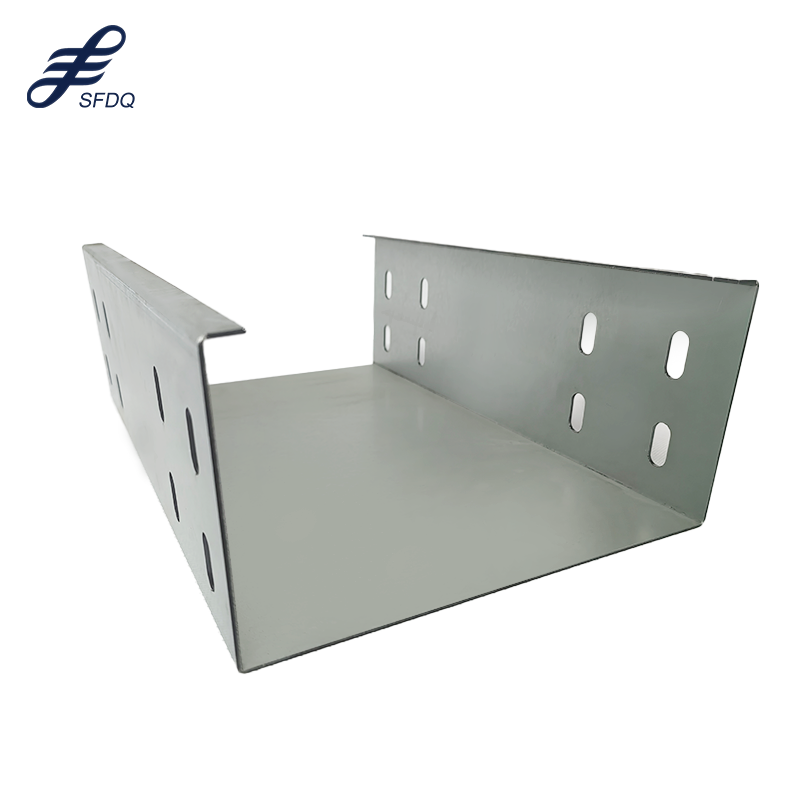
Building safety regulations have evolved significantly over the past decades, with electrical infrastructure management emerging as a critical component of comprehensive safety protocols. Modern commercial and industrial facilities require sophisticated cable management systems that not only organize electrical installations but also provide essential fire protection and hazard prevention. Cable trunking systems represent one of the most effective solutions for maintaining electrical safety standards while ensuring optimal performance of building infrastructure. These protective pathways serve multiple functions beyond simple cable organization, including fire containment, electromagnetic interference reduction, and maintenance accessibility that directly impacts occupant safety and building compliance.
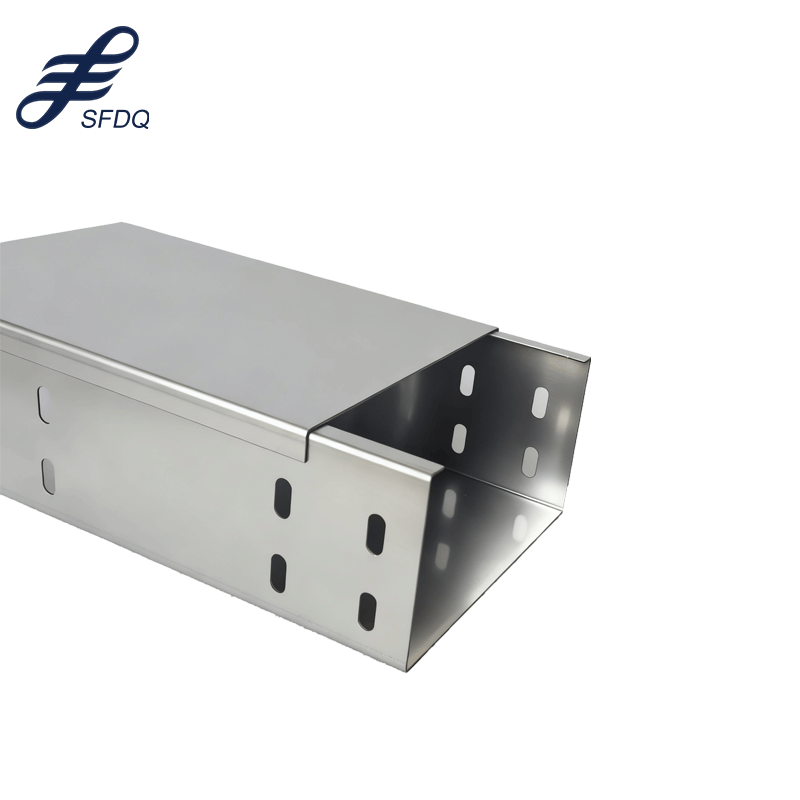
Fire Safety and Cable Protection Systems
Fire Containment Through Structured Pathways
Fire safety represents the primary concern when designing electrical distribution systems within commercial and residential buildings. Cable trunking provides essential compartmentalization that prevents fire spread along cable routes, creating physical barriers between different electrical circuits and building zones. The enclosed nature of these systems limits oxygen availability during fire incidents, significantly reducing flame propagation rates and providing crucial time for evacuation procedures. Professional installation of cable trunking ensures compliance with local fire codes while maintaining accessibility for emergency response teams.
Material selection plays a crucial role in fire safety performance, with modern cable trunking manufactured from flame-retardant compounds that meet strict international safety standards. These materials undergo rigorous testing to ensure they maintain structural integrity during high-temperature exposure while preventing toxic gas emission that could endanger building occupants. The thermal properties of quality cable trunking systems provide predictable performance characteristics that safety engineers can incorporate into comprehensive fire protection strategies.
Compartmentalization Benefits for Safety Planning
Effective compartmentalization through cable trunking installation creates manageable sections within electrical distribution networks, allowing for targeted safety measures and controlled shutdown procedures during emergencies. This systematic approach enables facility managers to isolate specific building areas without disrupting essential services throughout the entire structure. Emergency response protocols benefit significantly from clearly defined cable pathways that emergency personnel can quickly identify and navigate during crisis situations.
The strategic placement of cable trunking systems supports building evacuation plans by maintaining lighting and communication systems along designated escape routes. Properly installed systems ensure that critical safety equipment remains operational during emergencies, providing essential support for occupant safety and emergency response coordination. Regular inspection and maintenance of these systems become more efficient when cables are properly organized within accessible trunking pathways.
Electrical Safety Standards and Compliance
Code Compliance Requirements
Building electrical codes mandate specific installation requirements for cable management systems that directly impact overall building safety performance. Cable trunking installations must meet stringent guidelines regarding spacing, support intervals, and environmental protection to ensure long-term safety and reliability. These regulations address critical factors including load capacity, thermal management, and accessibility requirements that prevent electrical hazards and support maintenance operations.
Professional installation teams must demonstrate thorough knowledge of local electrical codes and international safety standards when implementing cable trunking systems. Compliance documentation requires detailed installation records, material certifications, and periodic inspection reports that demonstrate ongoing adherence to safety requirements. These documentation requirements support insurance compliance and regulatory approval processes essential for building operation permits.
Electrical Hazard Prevention
Proper cable trunking installation eliminates common electrical hazards associated with exposed wiring, cable damage, and improper routing practices. The protective enclosure prevents accidental contact with live conductors while providing mechanical protection against physical damage from building operations and maintenance activities. Environmental protection features shield cables from moisture, dust, and chemical exposure that could compromise electrical safety over time.
Ground fault protection becomes more effective when cables are properly organized within grounded metal cable trunking systems that provide continuous equipment grounding paths. This systematic approach to electrical safety reduces the risk of shock hazards and electrical fires while supporting advanced protective device coordination. Regular testing and maintenance procedures become more reliable when electrical systems are properly organized and accessible through professional cable trunking installations.
Maintenance Accessibility and Safety Procedures
Safe Access for Maintenance Operations
Maintenance accessibility represents a critical safety factor that cable trunking systems address through systematic organization and protective features. Maintenance personnel require safe access to electrical systems for routine inspections, repairs, and upgrades without exposing themselves to unnecessary electrical hazards. Properly designed cable trunking provides removable covers and access points that enable safe maintenance procedures while maintaining system integrity and protection levels.
The organizational benefits of cable trunking extend beyond simple cable management to include systematic labeling and identification that supports safe maintenance practices. Clear identification of circuit pathways and cable functions reduces the risk of maintenance errors that could create safety hazards or service disruptions. Professional installation includes comprehensive documentation that maintenance teams require for safe and efficient system operations.
Emergency Maintenance Protocols
Emergency maintenance situations require immediate access to electrical systems without compromising safety protocols or creating additional hazards. Cable trunking systems provide structured access points that emergency maintenance teams can locate and utilize quickly during crisis situations. The protective features of these systems ensure that emergency repairs can proceed safely even under adverse conditions.
Rapid fault location and isolation become possible when cable systems are properly organized within accessible trunking pathways. Emergency response teams benefit from systematic cable organization that enables quick identification of affected circuits and safe isolation procedures. The reliability of cable trunking systems during emergency conditions supports building safety by maintaining essential services and communication systems when they are needed most.
Environmental Protection and System Reliability
Moisture and Contamination Control
Environmental protection through cable trunking installation prevents moisture infiltration and contamination that could compromise electrical safety and system reliability. Sealed trunking systems provide effective barriers against water damage, dust accumulation, and chemical exposure that commonly occur in commercial and industrial environments. These protective features extend cable service life while maintaining consistent electrical performance and safety characteristics.
The design features of modern cable trunking include drainage provisions and ventilation systems that manage environmental conditions within cable pathways. Proper environmental control prevents condensation formation and maintains optimal operating conditions for electrical cables and connections. These systems support long-term building safety by preventing environmental degradation that could lead to electrical failures and safety hazards.
Electromagnetic Interference Management
Electromagnetic compatibility becomes increasingly important as buildings incorporate more sophisticated electronic systems and communication networks. Cable trunking provides systematic separation between power and communication cables while offering shielding options that reduce electromagnetic interference between different system types. This separation supports reliable operation of safety systems including fire alarms, security systems, and emergency communication networks.
The systematic organization enabled by cable trunking supports proper grounding and bonding practices that are essential for electromagnetic compatibility and electrical safety. Professional installation ensures that all metallic components are properly bonded to building grounding systems, creating effective electromagnetic shields and safe electrical pathways. These features support both safety requirements and system performance standards necessary for modern building operations.
Installation Best Practices for Maximum Safety
Professional Installation Requirements
Professional installation of cable trunking systems requires specialized knowledge of electrical codes, safety requirements, and installation techniques that ensure optimal safety performance. Qualified installation teams must demonstrate competency in proper support methods, spacing requirements, and connection techniques that meet manufacturer specifications and local code requirements. These installation practices directly impact the safety and reliability of electrical systems throughout the building lifecycle.
Quality control procedures during cable trunking installation include thorough inspection of support systems, grounding connections, and environmental sealing that affect long-term safety performance. Professional installers utilize specialized tools and techniques that ensure proper assembly and alignment of trunking components for optimal protection and accessibility. These installation practices support comprehensive safety strategies while enabling efficient maintenance and system upgrades.
System Integration and Coordination
Effective cable trunking installation requires coordination with other building systems including structural supports, HVAC systems, and fire protection equipment. Professional installation teams work closely with other trades to ensure that cable pathways integrate properly with building infrastructure without compromising safety or functionality. This coordination prevents conflicts that could create safety hazards or maintenance difficulties in completed installations.
The integration of cable trunking with building automation and monitoring systems enables advanced safety features including temperature monitoring, fault detection, and automated emergency response capabilities. These integrated systems support comprehensive building safety strategies while providing real-time information about electrical system performance and environmental conditions. Proper integration ensures that cable trunking contributes effectively to overall building safety and operational efficiency.
FAQ
How does cable trunking improve fire safety in buildings
Cable trunking improves fire safety by providing compartmentalization that prevents fire spread along electrical pathways, using flame-retardant materials that limit combustion, and creating organized cable routes that support emergency response procedures. The enclosed design limits oxygen availability during fires while maintaining structural integrity under high temperatures, giving occupants more time for safe evacuation.
What maintenance advantages do cable trunking systems provide
Cable trunking systems provide significant maintenance advantages including safe access through removable covers, systematic cable organization that reduces maintenance errors, clear identification systems for efficient troubleshooting, and protective features that extend cable service life. These benefits enable safer maintenance procedures while reducing downtime and operational costs.
Are there specific building codes that require cable trunking installation
While specific requirements vary by location and building type, most modern electrical codes mandate proper cable protection and organization in commercial facilities. Cable trunking often represents the most practical solution for meeting these requirements, particularly in areas where cables are exposed to physical damage, environmental hazards, or where systematic organization is necessary for safety and maintenance purposes.
How does proper cable organization contribute to overall building safety
Proper cable organization through cable trunking contributes to building safety by preventing electrical hazards, supporting emergency response procedures, enabling reliable maintenance operations, and ensuring compliance with safety codes. Systematic organization reduces the risk of accidental damage, improves fault location capabilities, and supports the reliable operation of critical safety systems including lighting, alarms, and communication networks.