 EN
EN


In the rapidly evolving landscape of industrial infrastructure, the method by which power and data are distributed is just as vital as the machines themselves. Whether you are overseeing the construction of a high-capacity automotive parts factory, managing a heavy-duty metallurgy plant, or integrating high-precision CNC wire bending machines into a production line, the reliability of your electrical support system is paramount. Among the various solutions available, the cable ladder system stands out as the premier choice for heavy-duty applications.
This comprehensive overview serves as an introduction to cable ladder systems, exploring their structural design, technical benefits, and why they are considered the "backbone" of modern industrial electrical projects.
What is a Cable Ladder System?
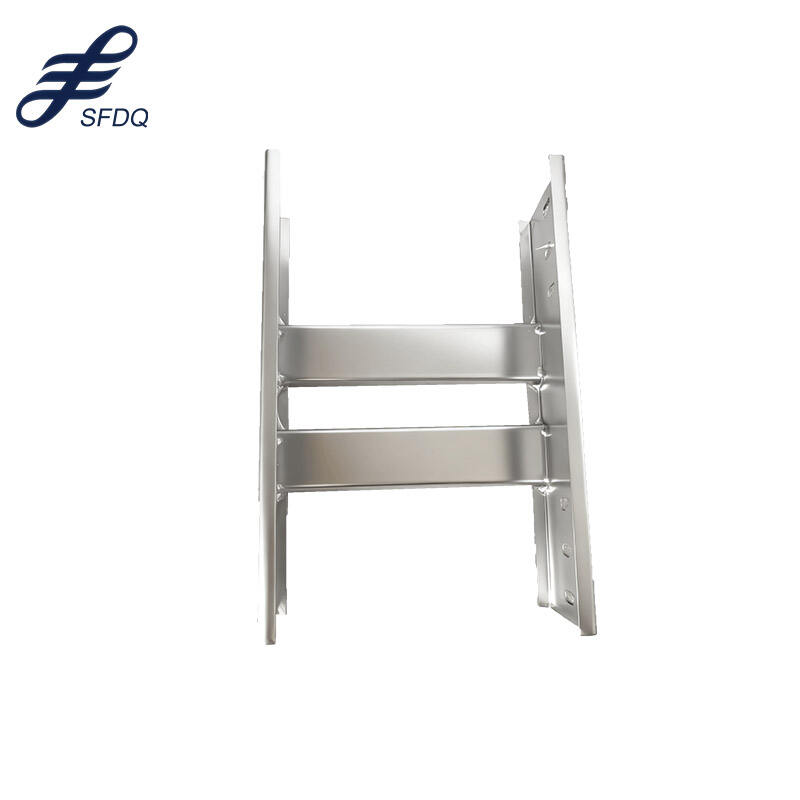
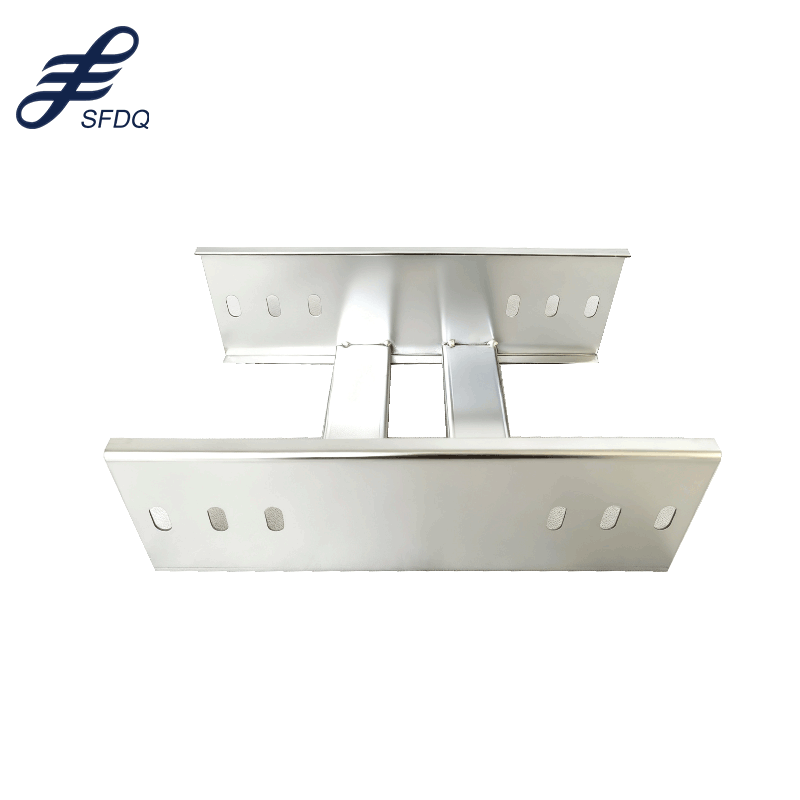
A cable ladder is a structural component designed to support, manage, and protect electrical cables and raceways. As the name suggests, it resembles a ladder, consisting of two longitudinal side rails connected by individual transverse rungs. This open-design architecture is specifically engineered to handle high-volume and heavy-weight cable loads that would overwhelm traditional conduit or lighter wire mesh systems.
In heavy industries such as machinery manufacturing, cable ladders are used to create organized "highways" for power distribution. Because they are governed by international standards like NEMA VE 1 and IEC 61537, these systems provide a verified level of mechanical strength and electrical continuity, ensuring that even the most complex wiring for circle forming machines remains safe and accessible throughout its lifecycle.
Key Structural Components and Design
The efficiency of a cable ladder system lies in its simple yet robust geometry. Understanding the individual components is essential for selecting the right system for your specific industrial application.
The Longitudinal Side Rails
The side rails are the primary load-bearing members of the ladder. They provide the longitudinal strength required to span long distances between structural supports. Depending on the depth of these rails, the system can accommodate varying volumes of cables. High-quality rails are often designed with an "I-beam" or "C-channel" profile to maximize stiffness while minimizing the overall weight of the system.
Transverse Rungs and Spacing
The rungs are the horizontal pieces that connect the side rails and provide the actual surface for cable support. Rung spacing—commonly 6, 9, or 12 inches—is a critical design factor. Closer rung spacing is necessary for smaller diameter cables to prevent sagging, while wider spacing is often used for heavy-duty power cables. Many modern rungs feature a "strut" profile, allowing for the easy attachment of cable ties or clamps to secure Tray Cables (TC) in place.
Fittings and Accessories
A complete system includes more than just straight sections. It encompasses a wide array of fittings, such as elbows, tees, crosses, and reducers, which allow the "highway" to navigate the complex geometry of a factory floor. Accessories like drop-out plates are particularly important when cables exit the ladder vertically to power a CNC wire bending machine, as they ensure the cable maintains its minimum bend radius and remains protected from sharp edges.
The Technical Advantages of Open-Air Support
Why do engineers in metallurgy and high-output manufacturing prefer ladders over enclosed conduits? The answer lies in the physics of electrical distribution and thermal dynamics.
Optimized Heat Dissipation and Ampacity
When electricity flows through a cable, it generates heat. In an enclosed pipe, this heat is trapped, leading to a rise in temperature that can degrade cable insulation. This necessitates "derating" the cables, which often forces the use of larger, more expensive conductors. Cable ladders provide virtually 100% air circulation. This natural convection allows heat to escape into the ambient air, keeping the cables cooler and allowing them to operate at their maximum rated ampacity.
Superior Installation Speed
In a competitive industrial environment, labor hours are a significant cost driver. Installing a ladder system is substantially faster than bending and threading individual runs of conduit. Because it is an open system, cables are simply "laid in" rather than "pulled through." This accessibility drastically reduces the physical strain on the installation crew and accelerates the project timeline, which is vital when setting up an automotive parts assembly line with tight deadlines.
Material Selection for Industrial Environments
The longevity of a cable ladder system depends heavily on the material and finish chosen to combat the specific environmental stressors of the facility.
Hot-Dip Galvanized Steel
This is the workhorse of the industry. After the ladder is fabricated, it is dipped into molten zinc, creating a thick, sacrificial layer that protects the steel from rust. It is the standard choice for general manufacturing environments where cost-effectiveness and durability must be balanced.
Aluminum Alloys
Aluminum ladders are prized for their high strength-to-weight ratio. They are naturally resistant to corrosion, making them ideal for high-moisture areas. Furthermore, because they are non-magnetic, they help reduce the inductive losses associated with high-current AC power systems.
Stainless Steel (316 Grade)
In the aggressive atmospheres of metallurgy plants or chemical processing facilities, stainless steel is the only viable option. It resists pitting and stress corrosion cracking from chemical vapors and extreme temperatures, ensuring that the electrical infrastructure lasts as long as the building itself.
Fiberglass (FRP/GRP)
For areas with extreme chemical exposure or where electrical non-conductivity is required, fiberglass ladders provide a lightweight, immune-to-corrosion alternative that does not require grounding.
Engineering Considerations: Load, Span, and Safety
A cable ladder system must be engineered, not just installed. There are three primary factors that dictate the safety and performance of the run.
Load-to-Span Ratios
Every ladder has a maximum weight it can support over a specific distance (the span) between hangers. Engineers must calculate the total weight of all cables, including potential ice or dust accumulation in certain environments. If the span is too long for the weight, the side rails will deflect, potentially leading to a structural failure.
Thermal Expansion and Contraction
In facilities that experience large temperature swings, such as a metallurgy shop, the metal ladder will grow and shrink. If not accounted for with expansion joints and specific hold-down clamps, the system can buckle or tear away from its supports.
Grounding and Electrical Continuity
For safety, all metal cable ladder systems must be electrically continuous and bonded to the facility's grounding system. This ensures that in the event of a cable fault, the system provides a low-impedance path to the ground, tripping the circuit breaker and preventing the ladder from becoming "live" and posing a shock hazard to personnel.
Maintenance and Lifecycle Management
One of the greatest lifecycle benefits of a cable ladder system is its ease of maintenance. In an automotive parts facility where production lines are frequently reconfigured, the "visibility" of the system is a major asset.
Visual Inspection and Troubleshooting
Because the cables are exposed, maintenance teams can perform a visual sweep of the entire run in minutes. Signs of jacket wear, overheating (discoloration), or improper cable nesting are immediately apparent. This proactive approach prevents the unexpected downtime that can cripple a manufacturing operation.
Simplified Upgrades and Reconfiguration
When a new automated machinery unit is added to the floor, adding power is a simple task. Unlike conduit, where you might have to tear out old pipes to fit new wires, a ladder system allows you to simply lay the new cable on top of the existing ones. This flexibility "future-proofs" the facility, allowing it to adapt to new technologies without massive infrastructure reinvestment.
FAQ: Frequently Asked Questions
Can I mix power and data cables in the same ladder?
Yes, but with precautions. To prevent electromagnetic interference (EMI) from the power cables from affecting the sensitive data signals used by CNC wire bending machines, you must use a grounded barrier strip or maintain a specific physical separation distance as mandated by electrical codes.
Are covers necessary for cable ladders?
Covers are not required for structural integrity, but they are recommended in areas with heavy falling debris, high dust accumulation (common in machinery shops), or where cables are exposed to direct sunlight, which can degrade the outer jackets over time.
What is the difference between a cable ladder and a cable tray?
While both are "cable trays," a ladder specifically refers to the side-rail-and-rung design. A "tray" often refers to solid-bottom or perforated systems. Ladders are generally used for heavier cables and longer spans, whereas other trays are used for lighter cables and shorter runs.
How do I choose the correct rung spacing?
Rung spacing is determined by the "bendability" of your cables. If you are using very small cables that might sag between rungs, a 6-inch spacing is better. For the large, stiff cables used in metallurgy, 9-inch or 12-inch spacing is usually sufficient.
Conclusion: The Strategic Choice for Industrial Power
The cable ladder system is more than just a support rack; it is a high-performance engineering solution designed for the rigors of modern industry. From its superior thermal management and structural load-bearing capacity to its unparalleled installation efficiency, the ladder system provides the foundation for operational success.
For professionals in the automotive, metallurgy, and machinery sectors, choosing a high-quality cable ladder system ensures that your infrastructure is as robust and adaptable as the equipment it powers. By investing in an engineered support system today, you are securing the safety and scalability of your facility for decades to come.
Table of Contents
- What is a Cable Ladder System?
- Key Structural Components and Design
- The Technical Advantages of Open-Air Support
- Material Selection for Industrial Environments
- Engineering Considerations: Load, Span, and Safety
- Maintenance and Lifecycle Management
- FAQ: Frequently Asked Questions
- Conclusion: The Strategic Choice for Industrial Power