 EN
EN


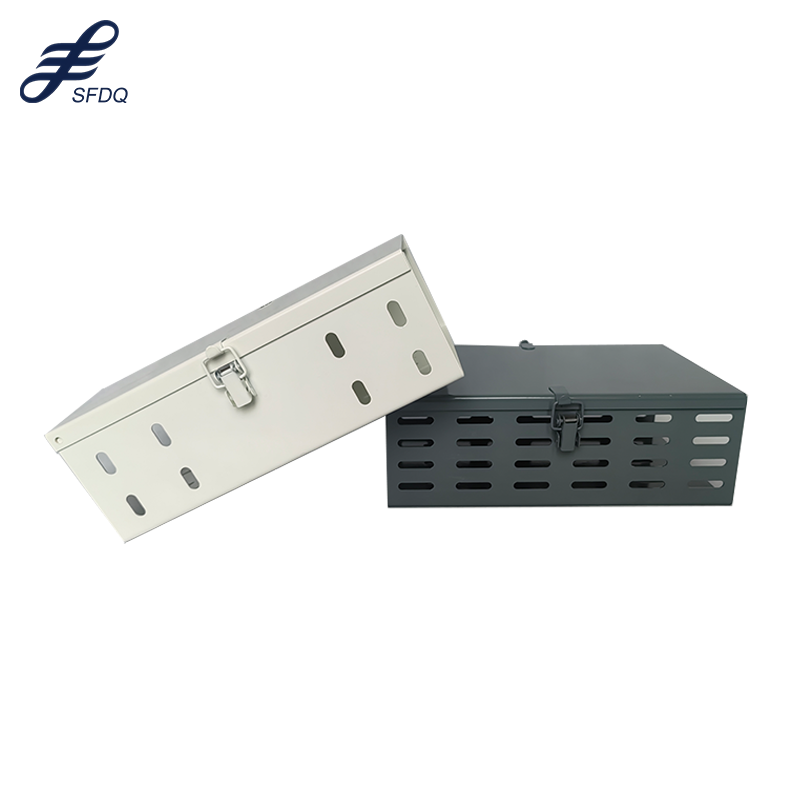
In the high-stakes world of industrial infrastructure, the "nerves" of a facility—the electrical wiring—require a support system that is as robust and adaptable as the machines they power. Whether you are managing a high-volume assembly plant for automotive parts, overseeing a heavy-duty metallurgy complex, or maintaining a precision shop floor equipped with CNC wire bending machines, the method you choose for cable management dictates your operational efficiency.
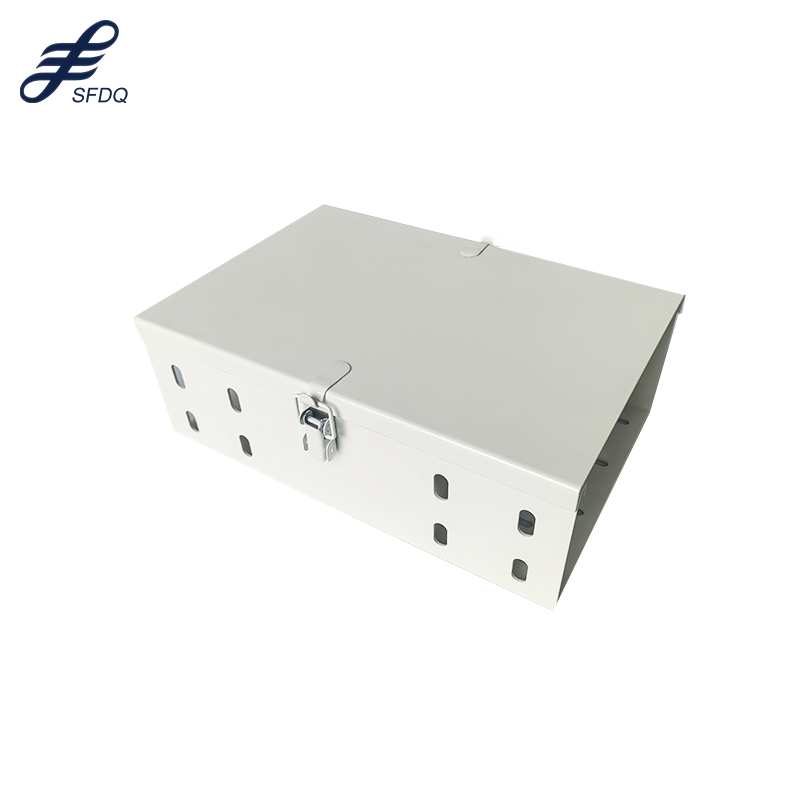
While traditional conduit systems have served the industry for decades, the modern move toward cable trays has revolutionized industrial wiring. This guide explores the multi-faceted benefits of cable trays, explaining why they are the superior choice for high-value industrial environments.
Superior Thermal Management and Energy Efficiency
In an industrial setting, power distribution involves high-voltage cables that generate significant heat. Managing this heat is not just a safety requirement; it is an economic necessity.
Natural Convection and Airflow
Unlike enclosed conduits, which act as thermal insulators, cable trays are typically open (ladder or perforated types). This design allows for maximum air circulation around the Tray Cables (TC). Natural convection dissipates heat rapidly, preventing the "hotspot" effect commonly found in bunched conduit runs.
Optimizing Cable Ampacity
When cables remain cool, they can carry current more efficiently. In an enclosed system, engineers must "derate" cables due to heat buildup, which often requires stepping up to a thicker, more expensive wire gauge. In a cable tray, the ability to operate at higher ampacities means you can often use smaller, lighter cables to achieve the same power delivery. For a facility running multiple automated machinery units, the cumulative savings in copper and aluminum costs can be immense.
Unmatched Scalability for Dynamic Production Lines
The industrial landscape is never static. In the automotive parts sector, for instance, production lines are frequently reconfigured to accommodate new part designs or upgraded robotics.
Simplified Cable Addition
With a conduit system, adding a single new circuit often requires installing a completely new run of pipe—a process involving cutting, bending, and threading. With a cable tray, adding a cable is as simple as laying it into the existing structure. This "drop-in" capability allows you to scale your power and data needs at the speed of your business.
Future-Proofing Infrastructure
Strategic engineers typically design cable trays with a 25% to 50% "expansion margin." This foresight ensures that when you add a new circle forming machine or a series of sensors to your floor, the infrastructure is already in place to support the additional wiring. This flexibility reduces the need for future construction work, keeping your facility's "downtime" to an absolute minimum.
Enhanced Maintenance and Rapid Troubleshooting
In a 24/7 manufacturing environment, every minute of unplanned downtime represents a significant financial loss. Cable trays offer a "transparency" that conduit systems simply cannot match.
Visual Inspection and Fault Detection
Because cables are visible and accessible, maintenance teams can perform routine inspections with a simple walk-through. Identifying a frayed jacket, a loose connection, or a discolored (overheating) cable is instantaneous. In a conduit system, faults are hidden behind steel walls, often requiring time-consuming "megger" testing to locate a problem.
Ease of Replacement
If a cable does fail, replacing it in a tray is a surgical process. You can remove the specific damaged wire without disturbing the surrounding circuits. This is particularly vital in the metallurgy industry, where cables are exposed to harsh vibrations and extreme temperatures that may necessitate more frequent maintenance cycles.
Cost-Effective Installation and Labor Savings
While the initial material cost of a high-quality cable tray might be higher than a few lengths of conduit, the Total Installed Cost is significantly lower.
Reduced Labor Hours
Installing a cable tray system is remarkably faster than bending and fitting conduit. Because the tray serves as a consolidated "highway," you install one support structure for dozens of cables rather than individual pipes for each. For a large-scale project housing complex machinery, this can reduce the electrical labor budget by 30% to 50%.
Lower Material Requirements
A single cable tray can replace a dozen or more runs of conduit. This reduction in the "bill of materials" simplifies logistics and reduces the weight load on the building's structural steel. Furthermore, the accessories required for trays—such as splice plates and mounting brackets—are modular and designed for rapid assembly.
Signal Integrity and EMI Protection
Modern industrial facilities are noisy environments, both mechanically and electromagnetically. Precision equipment like CNC wire bending machines relies on clean digital signals to maintain accuracy.
Effective Cable Separation
Cable trays allow for the organized separation of different cable types. By using grounded barrier strips (dividers), you can run high-voltage power leads and sensitive low-voltage data lines in the same tray while preventing Electromagnetic Interference (EMI).
Shielding Properties
Metal cable trays, when properly bonded and grounded, provide a degree of magnetic shielding. This helps protect control signals from the electrical noise generated by large motors and transformers, ensuring that your automated machinery operates without data corruption or ghost signals.
Safety and Environmental Adaptability
Safety is the cornerstone of industrial wiring. Cable trays contribute to a safer workspace by eliminating hazards that are often inherent in poor wire management.
Reduced Fire Propagation
Quality industrial cable trays are designed to prevent the "chimney effect." In an enclosed vertical conduit, fire can travel quickly between floors. In an open tray system, heat and smoke dissipate, and the use of fire-rated TC-ER (Exposed Run) cables ensures that the risk of fire spreading along the cable run is significantly minimized.
Durability in Harsh Climates
Industrial environments can be aggressive. Cable trays are available in a variety of materials and finishes to suit the specific environment:
Stainless Steel (316): Ideal for the corrosive vapors in metallurgy plants.
Aluminum: Perfect for high-moisture areas where weight is a concern.
Hot-Dip Galvanized: The standard for general manufacturing, providing "sacrificial" protection against rust.
FAQ: Common Technical Queries
Can cable trays be used for all types of industrial cables?
Most industrial-grade cables (type TC, MC, and PLTC) are specifically rated for use in cable trays. Always check the "TC" rating on the cable jacket to ensure compliance with local electrical codes.
Do cable trays require grounding?
Yes. All metal cable tray systems must be electrically continuous and bonded to the facility’s grounding system. This ensures that in the event of a fault, the tray provides a safe path for current, tripping the breaker and protecting personnel.
What is the "Tray Fill" rule?
Electrical codes (like the NEC or IEC) limit the amount of cable you can put in a tray. This is primarily to ensure there is enough air space for cooling and to prevent the bottom cables from being crushed by the weight of the top ones.
Are covers necessary for industrial cable trays?
Covers are optional but highly recommended in areas with heavy falling debris, high dust accumulation (common in machinery shops), or where cables are exposed to direct sunlight.
Conclusion: The Strategic Advantage
Choosing cable trays for industrial wiring is a decision that pays dividends throughout the life of the facility. From the thermal management that lowers energy costs to the scalability that allows for rapid production changes, cable trays provide the flexibility that modern industry demands.
For the automotive, metallurgy, and CNC machining sectors, the cable tray is more than just a support rack; it is a foundational component of a high-performance electrical system. By investing in a well-engineered tray system, you ensure that your facility remains safe, efficient, and ready to adapt to the technological advances of tomorrow.
Table of Contents
- Superior Thermal Management and Energy Efficiency
- Unmatched Scalability for Dynamic Production Lines
- Enhanced Maintenance and Rapid Troubleshooting
- Cost-Effective Installation and Labor Savings
- Signal Integrity and EMI Protection
- Safety and Environmental Adaptability
- FAQ: Common Technical Queries
- Conclusion: The Strategic Advantage