 EN
EN


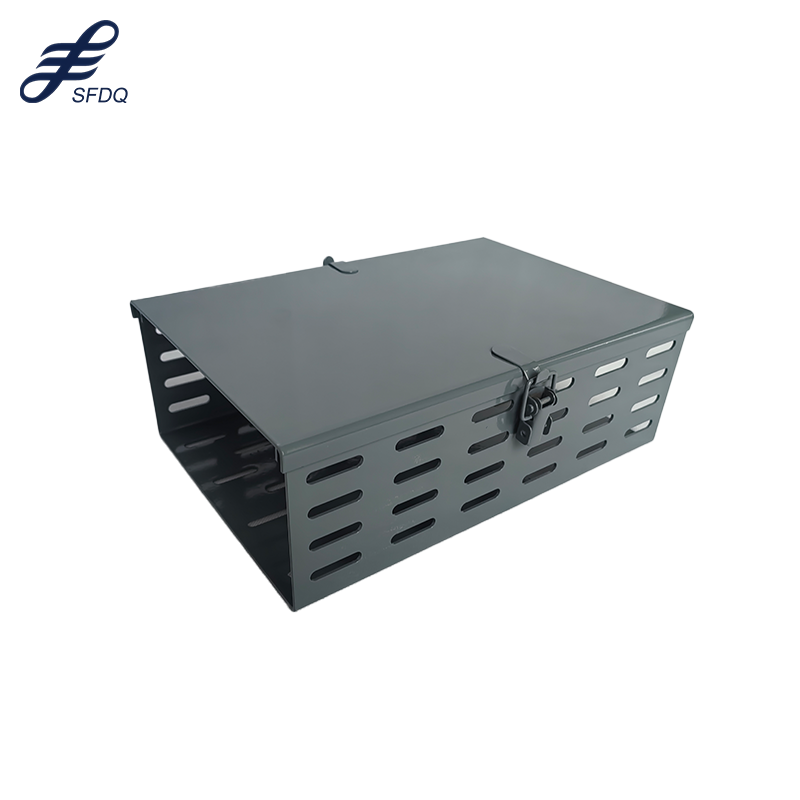
The electrical infrastructure industry relies heavily on specialized components that ensure safe and efficient power distribution throughout modern buildings and industrial facilities. Among these critical components, cable trays serve as the backbone for organizing, protecting, and supporting electrical cables across various applications. Understanding the intricate world of cable tray manufacturing reveals the sophisticated processes, quality standards, and technical expertise required to produce these essential electrical infrastructure components that power our modern world.
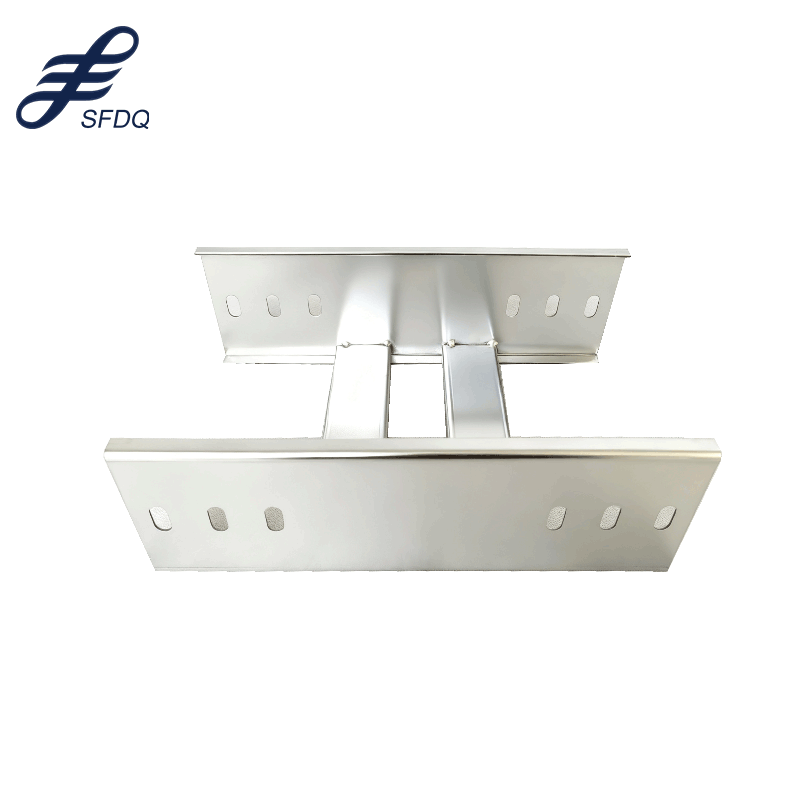
Manufacturing Processes and Production Methods
Steel Processing and Preparation
The foundation of quality cable tray production begins with meticulous steel processing and preparation procedures. Every reputable cable tray manufacturer starts with high-grade steel materials that meet specific industry standards for strength, durability, and corrosion resistance. The initial processing involves cutting raw steel sheets to precise dimensions using advanced laser cutting or punching equipment. This ensures consistent measurements across all components while minimizing material waste and maintaining cost-effective production cycles.
Quality steel preparation also includes surface treatment processes that prepare the material for subsequent manufacturing steps. Professional cable tray manufacturer facilities employ degreasing, cleaning, and surface conditioning techniques that remove impurities and create optimal conditions for forming and finishing operations. These preparatory steps directly impact the final product quality and longevity, making them crucial elements in the overall manufacturing workflow.
Forming and Shaping Technologies
Modern cable tray manufacturing employs sophisticated forming technologies that transform prepared steel materials into functional tray components. Roll forming machines create consistent profiles for ladder-type, perforated, and solid-bottom cable trays with precise dimensional tolerances. Each cable tray manufacturer must calibrate these machines carefully to ensure uniformity across production runs while maintaining the structural integrity required for heavy-duty electrical installations.
Advanced press brake operations handle the formation of complex bends, flanges, and mounting brackets that integrate seamlessly with the main tray structures. These forming processes require skilled operators who understand material properties, bend allowances, and springback calculations. The expertise of manufacturing personnel directly influences product quality, making continuous training and skill development essential components of successful cable tray manufacturing operations.
Quality Control and Testing Standards
Material Testing and Certification
Rigorous material testing forms the cornerstone of reliable cable tray manufacturing quality assurance programs. Every professional cable tray manufacturer implements comprehensive testing protocols that verify steel composition, tensile strength, and corrosion resistance properties before materials enter the production line. Chemical analysis ensures proper alloy content while mechanical testing confirms that materials meet or exceed industry specifications for load-bearing capacity and structural performance.
Certification processes involve third-party testing laboratories that provide independent verification of material properties and manufacturing standards. These certifications demonstrate compliance with international standards such as NEMA, IEC, and UL requirements that govern electrical infrastructure components. Maintaining current certifications requires ongoing quality monitoring and documentation that proves consistent adherence to established manufacturing standards throughout the production process.
Dimensional Accuracy and Tolerance Control
Precision manufacturing requires strict dimensional control throughout every stage of cable tray production. A skilled cable tray manufacturer employs advanced measuring equipment including coordinate measuring machines, laser scanners, and precision gauges that verify component dimensions against engineering specifications. Statistical process control methods track dimensional variations and identify trends that might indicate equipment wear or process drift requiring corrective action.
Tolerance control extends beyond individual components to include assembly fit and alignment verification. Complete cable tray systems must integrate seamlessly with fittings, supports, and accessories, requiring consistent manufacturing tolerances across all product lines. This level of precision ensures that field installation proceeds smoothly while maintaining the structural integrity and electrical performance characteristics specified in the original design.
Surface Treatment and Finishing Operations
Galvanization Processes
Hot-dip galvanization represents the gold standard for cable tray corrosion protection in most industrial and commercial applications. The galvanization process employed by leading cable tray manufacturer facilities involves immersing completed tray assemblies in molten zinc at temperatures exceeding 800 degrees Fahrenheit. This creates a metallurgical bond between the steel substrate and zinc coating that provides superior corrosion resistance compared to alternative finishing methods.
Pre-galvanized steel processing offers an alternative approach where steel materials receive zinc coating before forming operations. This method provides excellent corrosion protection while enabling more precise dimensional control and smoother surface finishes. The choice between hot-dip and pre-galvanized processing depends on specific application requirements, environmental conditions, and performance specifications outlined in project documentation.
Powder Coating and Paint Systems
Advanced powder coating systems provide customizable finish options for cable trays requiring specific color schemes or enhanced chemical resistance properties. The powder coating process begins with thorough surface preparation including cleaning, phosphating, and preheating stages that ensure optimal coating adhesion. Electrostatic spray application distributes powder particles evenly across all surfaces while curing ovens polymerize the coating into a durable, uniform finish.
Specialized paint systems accommodate unique environmental challenges such as marine installations, chemical processing facilities, or high-temperature applications. Each cable tray manufacturer must maintain coating application equipment and environmental controls that ensure consistent film thickness, adhesion properties, and curing performance across all finished products.
Design Engineering and Customization Capabilities
Load Calculation and Structural Analysis
Professional cable tray design requires comprehensive structural analysis that considers cable weights, environmental loads, and safety factors throughout the entire installation. Experienced cable tray manufacturer engineering teams utilize finite element analysis software and industry-standard calculation methods to verify that proposed designs meet or exceed specified load requirements. These analyses account for both static loads from installed cables and dynamic forces from seismic activity, wind loads, or thermal expansion.
Load distribution calculations ensure that support spacing and tray section properties provide adequate structural capacity while optimizing material usage and installation costs. Engineering documentation includes detailed load tables, span charts, and installation guidelines that enable electrical contractors to design safe, code-compliant cable tray systems for diverse applications ranging from data centers to industrial manufacturing facilities.
Custom Configuration Development
Modern electrical installations often require specialized cable tray configurations that accommodate unique architectural features, space constraints, or equipment arrangements. A versatile cable tray manufacturer maintains engineering capabilities that support custom design development from initial concept through final production. This includes creating specialized fittings, transitions, and support assemblies that integrate seamlessly with standard product lines while meeting specific project requirements.
Computer-aided design tools enable rapid development of custom configurations with accurate material quantities, manufacturing instructions, and assembly documentation. Prototyping capabilities allow verification of fit and function before full-scale production, reducing project risks and ensuring successful field installation. These custom engineering services differentiate experienced manufacturers from basic commodity suppliers in today's competitive electrical infrastructure market.
Environmental Considerations and Sustainability
Recycling and Material Recovery
Environmental stewardship has become increasingly important in modern cable tray manufacturing operations as companies seek to minimize their ecological footprint. Responsible cable tray manufacturer facilities implement comprehensive recycling programs that recover and reuse steel scrap generated during production processes. Advanced material handling systems separate different steel grades and coating materials to maximize recovery value while reducing waste disposal requirements.
End-of-life product recovery programs enable customers to return obsolete cable tray systems for proper recycling and material recovery. Steel components retain significant value throughout their service life, making recycling economically attractive while supporting circular economy principles. These sustainability initiatives demonstrate corporate responsibility while providing cost advantages through reduced material purchasing and waste disposal expenses.
Energy Efficiency and Green Manufacturing
Energy-efficient manufacturing processes reduce operating costs while minimizing environmental impact across cable tray production facilities. Modern cable tray manufacturer operations incorporate variable-speed drives, high-efficiency motors, and optimized heating systems that reduce energy consumption without compromising production quality or throughput. Waste heat recovery systems capture thermal energy from finishing operations for use in facility heating or other manufacturing processes.
Green manufacturing initiatives also include water conservation, emission control, and sustainable packaging programs that align with corporate environmental goals and regulatory requirements. These comprehensive approaches to environmental responsibility create competitive advantages while demonstrating commitment to sustainable business practices that benefit both customers and communities.
Market Applications and Industry Sectors
Commercial and Institutional Projects
Commercial building applications represent a significant market segment for cable tray manufacturer products, encompassing office buildings, retail centers, healthcare facilities, and educational institutions. These projects typically require code-compliant cable management systems that support power distribution, lighting controls, and communication networks throughout multi-story structures. Design considerations include accessibility for maintenance, aesthetic integration with architectural elements, and compliance with local electrical codes and fire safety regulations.
Institutional projects such as hospitals, schools, and government buildings often specify enhanced performance requirements including seismic resistance, fire ratings, and specialized coatings for healthcare or food service environments. Each cable tray manufacturer must understand these unique requirements and maintain appropriate certifications and testing documentation to support specification and procurement processes for institutional customers.
Industrial and Manufacturing Applications
Heavy industrial applications demand robust cable tray systems capable of withstanding harsh environmental conditions including chemical exposure, extreme temperatures, and mechanical vibration. Manufacturing facilities, refineries, and processing plants require cable tray manufacturer products that maintain structural integrity and electrical safety under challenging operating conditions while providing reliable service for decades of continuous operation.
Specialized industrial applications may require custom materials, coatings, or configurations that standard commercial products cannot accommodate. Experienced cable tray manufacturer engineering teams work closely with industrial customers to develop application-specific solutions that meet unique performance requirements while maintaining cost-effectiveness and installation efficiency for large-scale industrial projects.
Future Trends and Technology Developments
Smart Manufacturing Integration
Advanced manufacturing technologies are transforming cable tray production through automation, robotics, and data analytics that improve quality, efficiency, and customization capabilities. Progressive cable tray manufacturer facilities integrate smart sensors, predictive maintenance systems, and real-time quality monitoring that optimize production processes while reducing waste and defects. These technological advances enable higher production volumes with improved consistency and reduced manufacturing costs.
Digital manufacturing systems also facilitate mass customization where cable tray manufacturer operations can efficiently produce small quantities of specialized products without significant setup costs or lead time penalties. This capability becomes increasingly important as electrical infrastructure projects require more specialized solutions tailored to specific applications and installation requirements.
Material Innovation and Performance Enhancement
Ongoing material research focuses on developing enhanced steel alloys, coating systems, and composite materials that provide superior performance characteristics while maintaining cost competitiveness. Advanced coating technologies offer improved corrosion resistance, fire ratings, and chemical compatibility that expand application possibilities for cable tray systems in demanding environments.
Lightweight materials and hybrid construction methods enable cable tray manufacturer products that reduce installation labor while maintaining structural performance requirements. These innovations support industry trends toward modular construction, prefabricated assemblies, and rapid installation techniques that reduce overall project costs and schedules for electrical infrastructure development.
FAQ
What factors determine the load capacity of cable tray systems?
Cable tray load capacity depends on several key factors including tray width, depth, material thickness, support spacing, and the specific tray type such as ladder, perforated, or solid bottom. The cable tray manufacturer provides load tables based on standardized testing that considers both the allowable tray deflection and the maximum stress in the material. Environmental factors such as temperature variations and dynamic loads from seismic activity also influence the final load rating for specific installations.
How do galvanized and powder-coated finishes compare for corrosion protection?
Hot-dip galvanized finishes provide superior long-term corrosion protection through the sacrificial zinc layer that protects the underlying steel even when the coating is damaged. Powder coating offers excellent chemical resistance and appearance retention but may require more careful handling to prevent coating damage that could lead to corrosion. Many cable tray manufacturer facilities offer duplex coating systems that combine galvanizing with powder coating for maximum protection in severe environments.
What customization options are available for specialized applications?
Professional cable tray manufacturer operations typically offer extensive customization including non-standard dimensions, specialized materials, custom hole patterns, integrated mounting systems, and application-specific coatings. Engineering support helps develop solutions for unique space constraints, load requirements, or environmental conditions. Custom fabrication capabilities may include special fittings, transitions, and support assemblies designed specifically for individual project requirements.
How do manufacturers ensure consistent quality across large production volumes?
Quality consistency requires comprehensive process control systems including statistical monitoring of critical dimensions, material properties, and finishing characteristics. Leading cable tray manufacturer facilities implement ISO 9001 quality management systems with documented procedures, regular calibration of measuring equipment, and continuous operator training programs. Third-party certifications and regular audits verify compliance with industry standards and customer requirements throughout the manufacturing process.
Table of Contents
- Manufacturing Processes and Production Methods
- Quality Control and Testing Standards
- Surface Treatment and Finishing Operations
- Design Engineering and Customization Capabilities
- Environmental Considerations and Sustainability
- Market Applications and Industry Sectors
- Future Trends and Technology Developments
- FAQ