 EN
EN


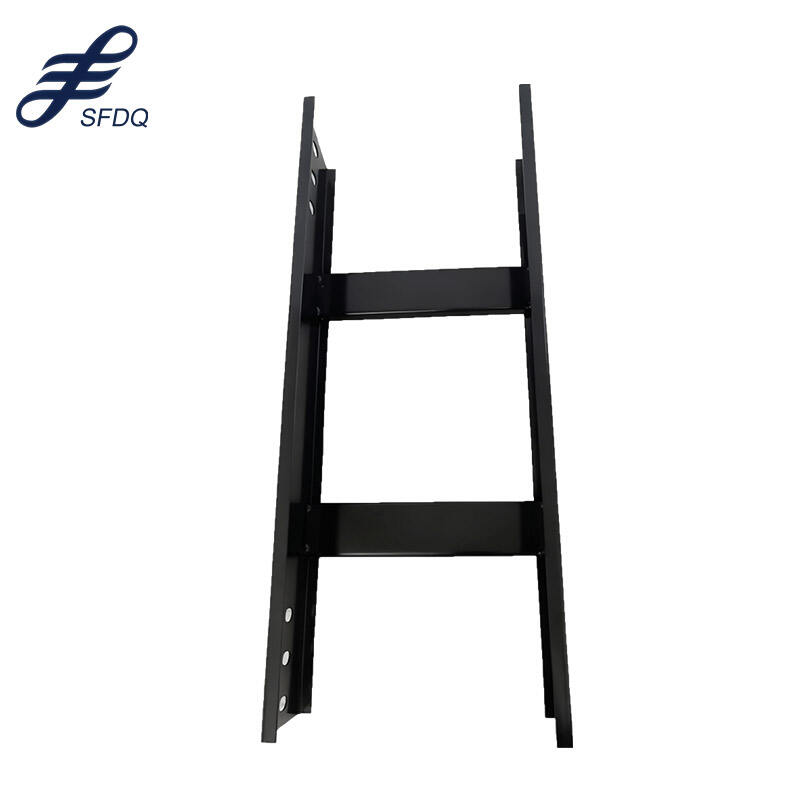
Selecting the appropriate electrical cable tray dimensions is a critical decision that directly impacts the safety, efficiency, and longevity of any industrial or commercial electrical installation. Cable trays serve as the foundational support system for electrical cables, providing organized routing while ensuring adequate ventilation, accessibility for maintenance, and compliance with electrical codes. Understanding the relationship between cable load requirements, future expansion needs, and the available standard electrical cable tray dimensions enables engineers and facility managers to make informed decisions that optimize both initial installation costs and long-term operational reliability. This comprehensive guide walks through the essential factors that determine proper cable tray sizing, explains how to interpret dimensional specifications, and provides practical insights into matching tray dimensions with specific installation requirements.
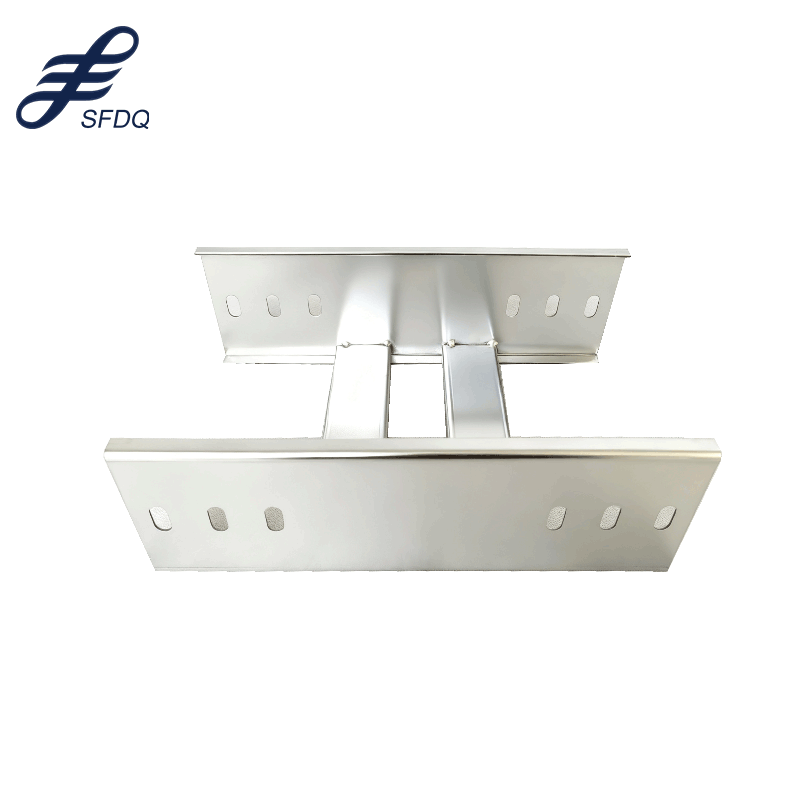
The process of determining correct electrical cable tray dimensions involves more than simply measuring cable bundle diameter. Professional installations require careful analysis of cable types, voltage classifications, thermal considerations, and regulatory requirements. Standard cable tray systems are manufactured in a range of widths, depths, and lengths designed to accommodate various installation scenarios, from compact commercial buildings to expansive industrial facilities. The dimensional specifications directly influence the tray's load-bearing capacity, the number and size of cables it can support, and its compatibility with existing infrastructure. By understanding how to read manufacturer specifications and apply industry standards, you can ensure that your cable management system delivers reliable performance while maintaining the flexibility needed for future modifications and expansions.
Understanding Standard Cable Tray Dimensional Parameters
Width Specifications and Their Applications
Cable tray width represents the inside measurement between the longitudinal side rails and is the primary dimension that determines cable capacity. Standard electrical cable tray dimensions for width typically range from 50 millimeters to 1000 millimeters in metric systems, or from 6 inches to 36 inches in imperial measurements. Narrow trays between 100-150 millimeters are commonly used for instrumentation and control wiring in process industries, where cable counts remain modest and space constraints exist. Medium-width trays spanning 300-600 millimeters serve general power distribution needs in commercial buildings and moderate industrial applications, offering an optimal balance between cable capacity and structural economy. Wide trays exceeding 600 millimeters are specified for heavy industrial installations, data centers, and utility projects where large numbers of power cables or fiber optic bundles must be routed together.
The selection of appropriate tray width depends on calculating the total cross-sectional area of all cables to be installed, then applying fill ratio requirements specified by electrical codes. The National Electrical Code and international equivalents typically limit cable fill to specific percentages based on cable type and installation method. For power and lighting circuits, the maximum fill generally should not exceed 50% of the usable tray cross-sectional area when cables are installed in a single layer, allowing adequate spacing for heat dissipation. Control and instrumentation cables may utilize higher fill ratios under certain conditions. When planning electrical cable tray dimensions for width, engineers should also account for future cable additions, typically reserving 25-40% spare capacity to accommodate system expansions without requiring tray replacement or the addition of parallel runs.
Depth or Height Measurements Explained
The depth dimension of cable trays, also referred to as height or rail height, measures the vertical distance from the tray bottom to the top of the side rails. Common electrical cable tray dimensions for depth include 25mm, 50mm, 75mm, 100mm, and 150mm in metric specifications, with equivalent imperial sizes of 1 inch, 2 inches, 3 inches, 4 inches, and 6 inches. Shallow depth trays are suitable for lightweight applications involving small-diameter cables such as communication wiring, control circuits, or fiber optic cables where the total cable mass remains minimal. Medium depth trays between 50-100 millimeters accommodate most commercial and light industrial power distribution systems, providing adequate sidewall support while maintaining reasonable clearances above the cable bundle.
Deeper trays become necessary when routing large-diameter power cables, multiple cable layers, or when vertical cable management becomes critical. The increased sidewall height prevents cables from spilling over the edges during installation and provides better containment during seismic events or accidental impacts. For heavy industrial applications with substantial cable loads, electrical cable tray dimensions may specify depths of 150 millimeters or greater, particularly in ladder-type tray systems where the structural rails must support significant distributed loads. The depth dimension also affects the minimum bend radius capabilities of the tray system, as codes typically require that cable trays maintain a minimum radius equal to specified multiples of the largest cable diameter, and deeper sidewalls provide more robust support during direction changes.
Length Standards and Sectional Configurations
Standard cable tray sections are manufactured in predetermined lengths to facilitate transportation, handling, and installation efficiency. The most common electrical cable tray dimensions for straight section length are 3 meters or 10 feet, though 2.5-meter and 12-foot sections are also widely available depending on regional manufacturing standards and transportation constraints. These standardized lengths simplify project planning and cost estimation, as engineers can quickly calculate the number of sections required for a given cable route. Shorter sections may be specified for installations with frequent direction changes or in congested areas where longer sections would be difficult to maneuver into position.
The modular nature of cable tray systems allows individual sections to be joined using mechanical connectors, creating continuous runs of virtually any length. When specifying electrical cable tray dimensions for a project, it is important to coordinate section lengths with building structural elements such as column spacing, avoiding situations where joints occur at inconvenient locations or where insufficient support exists. Some manufacturers offer custom-cut sections to exact lengths for specialized applications, though this typically involves additional lead time and cost. The choice between standard and custom lengths should consider not only the immediate installation requirements but also the availability of spare parts for future maintenance and the potential for tray system reconfiguration as facility needs evolve over time.
Load Capacity and Structural Considerations
Understanding Load Ratings for Different Dimensions
The load-bearing capacity of cable tray systems is directly related to their electrical cable tray dimensions, material thickness, and support spacing. Manufacturers publish load rating tables that specify the maximum uniformly distributed load a tray can support at various support span distances, typically expressed in kilograms per meter or pounds per foot. Wider and deeper trays generally support greater loads, but this relationship is not linear—doubling the width does not necessarily double the load capacity due to material stress distribution patterns and deflection limits. Ladder-type trays with substantial cross members typically offer higher load ratings than perforated or solid-bottom trays of equivalent dimensions due to their superior structural efficiency.
When selecting electrical cable tray dimensions based on load requirements, engineers must calculate not only the weight of the cables themselves but also account for dynamic loads from maintenance activities, potential ice or water accumulation in outdoor installations, and safety factors required by applicable codes. The actual cable load is determined by calculating the weight per unit length of each cable type multiplied by the total installed length within each tray span. This calculated load must remain below the manufacturer's published rating with appropriate safety margins, typically 25-33% below maximum capacity for commercial installations. Failure to properly match tray dimensions with load requirements can result in excessive deflection, structural failure, or violation of electrical clearance requirements.
Support Spacing Requirements for Various Dimensions
The maximum allowable distance between support points is a critical specification that varies with electrical cable tray dimensions and construction type. Lighter, narrower trays require more frequent support to prevent excessive sagging, while robust, wider trays can span greater distances between hangers or brackets. Typical support spacing for steel cable trays ranges from 1.5 meters to 6 meters depending on tray size, material gauge, and load conditions. Aluminum trays, having different material properties, often require closer support spacing than steel trays of equivalent dimensions due to aluminum's lower modulus of elasticity, which makes it more prone to deflection under load.
Manufacturer catalogs provide detailed support spacing charts that correlate electrical cable tray dimensions with maximum allowable spans at specific load levels. These recommendations ensure that deflection remains within acceptable limits, typically not exceeding 1/200th of the span length under maximum rated load. In vertical installations or at changes in direction, support requirements become more stringent, often requiring support at every section joint or even mid-span support for heavily loaded configurations. Special considerations apply when trays are installed above critical equipment or in areas accessible to personnel, where additional supports may be mandated by safety regulations regardless of structural adequacy. Proper support design is essential not only for structural integrity but also for maintaining cable protection and system aesthetics throughout the installation's service life.
Material Thickness and Its Dimensional Impact
The gauge or thickness of the material used to fabricate cable trays significantly affects both structural performance and actual electrical cable tray dimensions. Steel cable trays are commonly manufactured from material ranging from 1.2 millimeters to 3 millimeters thick, with heavier gauges specified for larger dimensions or higher load applications. The material thickness directly influences the tray's load-bearing capacity, resistance to impact damage, and longevity, particularly in corrosive environments. Thicker materials provide greater structural rigidity, allowing for increased support spacing and reduced deflection under load, but they also add weight and cost to the installation.
When evaluating electrical cable tray dimensions from different manufacturers, it is important to verify the material thickness specifications, as nominal dimensions may be identical while actual structural performance varies considerably. Some manufacturers specify material thickness as the gauge of the base material before finishing processes such as galvanizing, while others reference the final finished thickness including coating. This distinction can affect both load ratings and compatibility with connection hardware. For outdoor or corrosive environments, heavier material gauges provide longer service life and better resistance to degradation, making them preferable despite higher initial costs. The choice of material thickness should balance structural requirements, environmental conditions, budget constraints, and the anticipated service life of the installation.
Cable Fill Calculations and Dimensional Planning
Applying Cable Fill Ratios to Tray Dimensions
Determining the appropriate electrical cable tray dimensions requires accurate calculation of cable fill ratios, which express the relationship between the total cross-sectional area of installed cables and the usable interior area of the tray. Electrical codes establish maximum fill ratios to ensure adequate heat dissipation, prevent cable damage during installation, and maintain accessibility for future additions or maintenance. For multiconductor control cables, the fill ratio typically should not exceed 50% of the tray's usable cross-sectional area when cables are randomly laid. Single-conductor power cables may be limited to even more conservative fill ratios depending on voltage class, conductor size, and installation method.
The usable cross-sectional area is calculated by multiplying the inside width by the usable depth, where usable depth is typically considered to be the tray depth minus any required clearance above the cable bundle. For a tray with electrical cable tray dimensions of 300 millimeters width and 100 millimeters depth, the usable area would be approximately 30,000 square millimeters, though actual values depend on the specific tray construction and cable arrangement. When calculating cable fill, each cable's cross-sectional area is determined using its overall diameter including insulation and jacket, treating the cable as a circular cross-section. The sum of all individual cable areas is then compared to the available tray area, ensuring the result remains below the applicable fill ratio limit with appropriate margin for future expansion.
Planning for Future Cable Additions
A fundamental principle in selecting electrical cable tray dimensions is allowing adequate spare capacity for future cable installations. Industrial facilities and commercial buildings typically undergo multiple expansions and modifications during their operational life, with electrical systems requiring corresponding upgrades and additions. Specifying tray dimensions based solely on initial cable requirements often leads to premature tray saturation, forcing costly retrofits or the addition of parallel tray runs that could have been avoided with proper initial planning. Industry best practices recommend reserving 25% to 40% spare capacity in cable tray systems, with the specific percentage depending on the facility type, anticipated growth rate, and the relative cost of oversizing versus future modifications.
When planning for future additions, consider not only the quantity of cables but also the trend toward larger cable sizes as power demands increase and voltage levels rise. A tray sized for current needs with minimal spare capacity may accommodate additional cables of similar size but prove inadequate if future circuits require substantially larger conductors. This consideration is particularly important in data centers and telecommunications facilities where technology evolution drives rapid changes in cable specifications and quantities. Documentation of initial cable fill percentages and deliberate planning for growth areas enables facility managers to track utilization and make informed decisions about when tray capacity nearing exhaustion requires attention. Proper selection of electrical cable tray dimensions with growth margins provides operational flexibility and reduces the total cost of ownership over the facility's life cycle.
Segregation Requirements and Dimensional Impact
Electrical codes and industry standards often require physical separation between different cable types or voltage classes, which directly influences the selection of electrical cable tray dimensions. Power cables and control cables may need to occupy separate trays or separate compartments within the same tray structure, depending on voltage levels and applicable regulations. High-voltage power distribution cables typically cannot share tray space with low-voltage communication or instrumentation cables due to electromagnetic interference concerns and safety regulations. These segregation requirements effectively multiply the total tray capacity needed for a given installation, as cables that might otherwise fit within a single tray must be distributed across multiple parallel runs.
Some cable tray systems address segregation requirements through the use of longitudinal dividers that create multiple channels within a single tray structure, offering a space-efficient solution when routing diverse cable types along common pathways. When utilizing divided trays, each compartment's electrical cable tray dimensions must be evaluated independently for fill ratio compliance, and the divider itself occupies space that reduces the total usable area. In facilities with complex electrical systems involving multiple voltage classes, extensive instrumentation, and communication networks, the cumulative effect of segregation requirements can significantly increase the total tray footage required. Careful planning during the design phase, including routing optimization and strategic use of vertical and horizontal offsets to minimize parallel runs, helps control costs while maintaining full compliance with applicable separation requirements.
Material Selection and Dimensional Availability
Steel Cable Tray Dimensional Standards
Steel cable trays represent the most widely used material for industrial and commercial installations, offering excellent structural strength, durability, and cost-effectiveness across a broad range of applications. Standard electrical cable tray dimensions for steel systems are well-established in the industry, with manufacturers generally adhering to common sizing conventions that facilitate interchangeability and simplify specification. Pre-galvanized steel trays provide excellent corrosion resistance for most indoor and moderately corrosive environments, while hot-dip galvanized or powder-coated finishes serve more demanding applications. The dimensional accuracy of steel trays is typically very good due to automated manufacturing processes, ensuring consistent fit-up when connecting sections and installing fittings.
The range of available electrical cable tray dimensions in steel is extensive, from small 50-millimeter-wide trays suitable for control wiring to massive 1000-millimeter-wide systems designed for utility-scale power distribution. Steel's high strength-to-weight ratio allows for optimization of material thickness and structural configuration, resulting in trays that maximize load capacity while minimizing weight and material cost. For specialized applications requiring custom electrical cable tray dimensions, steel fabrication is relatively straightforward and cost-effective compared to other materials, though lead times for custom products may extend project schedules. When selecting steel trays, consider both the immediate dimensional requirements and the long-term maintenance implications, as steel's susceptibility to corrosion in certain environments may influence total ownership cost despite favorable initial pricing.
Aluminum Tray Sizing and Applications
Aluminum cable trays offer distinct advantages in applications where weight reduction, corrosion resistance, or non-magnetic properties are priorities. The electrical cable tray dimensions available in aluminum generally parallel those of steel systems, though some manufacturers may offer a more limited size range due to market demand and production considerations. Aluminum's lower density results in cable tray systems that weigh approximately one-third as much as equivalent steel systems, significantly reducing support structure requirements and simplifying installation in weight-sensitive applications such as suspended ceilings, rooftop installations, or offshore platforms. This weight advantage becomes increasingly significant as tray dimensions increase, as the structural weight savings compound with system size.
The natural corrosion resistance of aluminum makes it particularly suitable for coastal environments, chemical processing facilities, and clean rooms where steel trays would require extensive protective coatings or frequent replacement. However, aluminum's lower modulus of elasticity means that trays of equivalent electrical cable tray dimensions will deflect more under load compared to steel, typically requiring closer support spacing to maintain deflection within acceptable limits. This consideration affects the overall system design and support structure costs, potentially offsetting some of the material cost advantages. Aluminum cable trays are also preferred in installations where electromagnetic interference must be minimized, as aluminum provides effective shielding while remaining non-magnetic. When evaluating aluminum tray systems, carefully compare manufacturer load tables and support spacing requirements to ensure proper system performance, as specifications can vary more widely than with steel products.
Fiberglass and Non-Metallic Dimensional Options
Fiberglass-reinforced plastic cable trays serve specialized applications where electrical insulation, exceptional corrosion resistance, or spark-free operation are required. The range of electrical cable tray dimensions available in fiberglass is generally more limited than metallic systems, with most manufacturers offering widths from 150 millimeters to 600 millimeters and depths from 50 millimeters to 150 millimeters. These dimensional ranges cover the majority of industrial control and instrumentation applications where non-metallic trays are most commonly specified. The manufacturing process for fiberglass trays, which typically involves pultrusion or hand lay-up techniques, limits dimensional precision compared to metal systems and may result in greater dimensional variation between production lots.
Fiberglass cable trays excel in highly corrosive environments such as wastewater treatment facilities, pulp and paper mills, and chemical processing plants where metallic systems would suffer rapid degradation. The non-conductive properties of fiberglass make it the preferred choice for installations in hazardous areas where grounding concerns exist or where electrical isolation between cable tray sections is required. When specifying electrical cable tray dimensions for fiberglass systems, pay particular attention to load ratings and support spacing requirements, as fiberglass structural properties differ significantly from metals. Temperature limitations must also be considered, as fiberglass resins may degrade or lose strength at elevated temperatures that would not affect metal trays. While initial costs for fiberglass systems typically exceed those of galvanized steel, the elimination of corrosion-related maintenance and replacement costs often justifies the investment in appropriate applications.
Installation Considerations and Dimensional Tolerances
Field Measurement and Verification Procedures
Accurate field measurement is essential when specifying electrical cable tray dimensions for retrofit installations or when integrating new tray sections with existing systems. Begin by verifying the actual available space in the installation area, accounting for structural elements, existing utilities, required working clearances, and access requirements for maintenance. The theoretical dimensions shown on construction drawings may not reflect as-built conditions due to construction variations, added services, or dimensional creep resulting from multiple project phases. Use laser measurement tools or traditional measuring tapes to confirm ceiling heights, column spacing, wall clearances, and obstruction locations, documenting findings with photographs and dimensioned sketches to support accurate tray system design.
When interfacing with existing cable trays, physically verify the in-place electrical cable tray dimensions rather than relying on original specifications, as manufacturing standards may have changed, or the installed product may differ from what was originally specified. Measure the inside width between side rails, the depth from the tray bottom to the top of the rails, and the overall external dimensions including rail width and any projection of connection hardware. Check for consistent dimensions along the tray run, as older systems may exhibit considerable variation, particularly if sections were sourced from multiple suppliers over time. Document the type and spacing of existing supports, as new tray additions must integrate structurally with the existing support system. This verification process prevents costly ordering errors and installation delays caused by incompatible dimensions or inadequate clearances.
Thermal Expansion and Dimensional Changes
Temperature variations cause cable tray systems to expand and contract, creating dimensional changes that must be accommodated in system design to prevent structural damage or connection failures. The coefficient of thermal expansion differs significantly between tray materials, with aluminum expanding approximately twice as much as steel for a given temperature change. Long runs of cable tray with electrical cable tray dimensions spanning hundreds of meters can experience length changes of several centimeters due to seasonal temperature variations or exposure to heat-producing equipment. Failure to accommodate this movement through proper expansion joint placement can result in buckling of tray sections, stress on support structures, or separation of connection hardware.
Expansion joints or flexible connections should be installed at regular intervals along straight runs, with spacing determined by tray material, expected temperature range, and whether the installation is rigidly supported or allows some movement. Indoor installations with controlled temperatures may require expansion provisions only at intervals of 50 to 100 meters, while outdoor systems or those exposed to process heat may need expansion joints every 20 to 30 meters. When calculating expansion joint spacing for systems with specific electrical cable tray dimensions, consider not only the tray material but also the cable content, as heavily loaded trays experience greater resistance to thermal movement. Special attention is required at the interface between different tray materials or at transitions between supported and suspended sections, where differential expansion rates can concentrate stress. Proper accommodation of thermal effects ensures long-term system integrity and prevents maintenance issues related to binding, misalignment, or connection degradation.
Fitting and Accessory Dimensional Compatibility
Cable tray fittings such as bends, tees, crosses, and reducers must be dimensionally compatible with the straight sections they connect, requiring careful attention during specification and procurement. Most manufacturers offer complete fitting families that match their standard electrical cable tray dimensions, ensuring proper fit-up and structural continuity. However, mixing components from different manufacturers or combining legacy systems with new installations can create compatibility challenges due to variations in rail profile, connection hole patterns, and overall dimensional tolerances. Before ordering fittings, verify that the manufacturer's specified dimensions for width, depth, and rail configuration match the existing or planned cable tray sections to ensure mechanical compatibility.
Radius bends and offset fittings introduce additional dimensional considerations, as the cable bending radius requirements dictate minimum fitting dimensions. Electrical codes typically require that cable tray bends maintain a radius not less than the minimum bending radius of the largest cable being installed, which is usually specified as a multiple of the cable's outside diameter. For trays with substantial electrical cable tray dimensions carrying large power cables, this requirement may dictate custom-radius fittings rather than standard catalog products. Reducers that transition between different tray widths must be gradually tapered to prevent cable binding and maintain acceptable fill ratios throughout the transition. When designing complex tray systems with multiple direction changes and transitions, create detailed dimensional layouts showing all fittings and verify that the proposed configuration provides adequate space for cable installation while maintaining required bending radius limitations and accessibility for maintenance.
FAQ
What are the most common electrical cable tray dimensions used in commercial buildings?
The most common electrical cable tray dimensions in commercial buildings are 300mm to 600mm in width and 50mm to 100mm in depth. These sizes accommodate typical power distribution and lighting circuits while fitting within standard ceiling plenum spaces. The specific dimensions selected depend on the building's electrical load, the number of circuits being routed, and whether power and control cables share the same tray system or require separate runs. For office buildings with moderate electrical demands, 300mm or 400mm wide trays with 75mm depth often provide optimal capacity, while larger commercial facilities or those with high-density power requirements may utilize 600mm wide trays to consolidate cable runs and minimize installation complexity.
How do I determine the correct cable tray width for my installation?
To determine the correct cable tray width, first calculate the total cross-sectional area of all cables to be installed by summing the area of each cable based on its outside diameter. Then divide this total cable area by the maximum allowable fill ratio specified by electrical codes, which is typically 0.5 or 50% for multiconductor cables in a single layer. The resulting minimum tray cross-sectional area should be divided by your preferred tray depth to determine the required width. Add 25-40% additional capacity for future cable additions, then select the next larger standard width from the manufacturer's available electrical cable tray dimensions. For installations with multiple cable types or voltage classes requiring segregation, perform this calculation separately for each cable group and size the tray accordingly or specify multiple parallel trays with appropriate dimensions for each cable category.
Can I mix different cable tray dimensions in the same installation?
Yes, mixing different electrical cable tray dimensions in the same installation is common and often necessary to optimize both system performance and cost. Main distribution routes carrying large cable quantities typically use wider trays, while branch runs serving specific areas or equipment utilize narrower dimensions appropriate to their reduced cable count. Reducer fittings provide dimensional transitions between different tray widths while maintaining structural continuity and proper cable support. When mixing dimensions, ensure that all sections maintain adequate load capacity for their cable content, use compatible connection hardware, and maintain consistent depth or use appropriate transition fittings where depth changes occur. Document the dimensional variations clearly in installation drawings to ensure proper fitting selection and avoid field coordination issues during construction. The key consideration is maintaining code-compliant cable fill ratios and proper support throughout the system regardless of dimensional transitions.
How does cable tray depth affect installation and cable capacity?
Cable tray depth directly impacts both cable capacity and installation practicality. Deeper electrical cable tray dimensions provide greater sidewall containment, preventing cables from spilling over during installation and operation. This becomes critical with heavy or stiff cables that tend to spring outward when bent. Depth also determines how many cable layers can be stacked while maintaining code-compliant fill ratios and adequate heat dissipation. Shallow trays of 50mm or less are limited to single-layer cable arrangements with small-diameter cables, while 100mm or deeper trays can accommodate multiple layers or large-diameter power cables. However, excessively deep trays can complicate cable pulling and organization, as reaching cables at the bottom of a deep tray becomes difficult. The optimal depth balances capacity requirements, cable size, and practical installation considerations, typically ranging from 75mm to 100mm for most commercial applications and extending to 150mm for heavy industrial installations with large cable populations.