 EN
EN


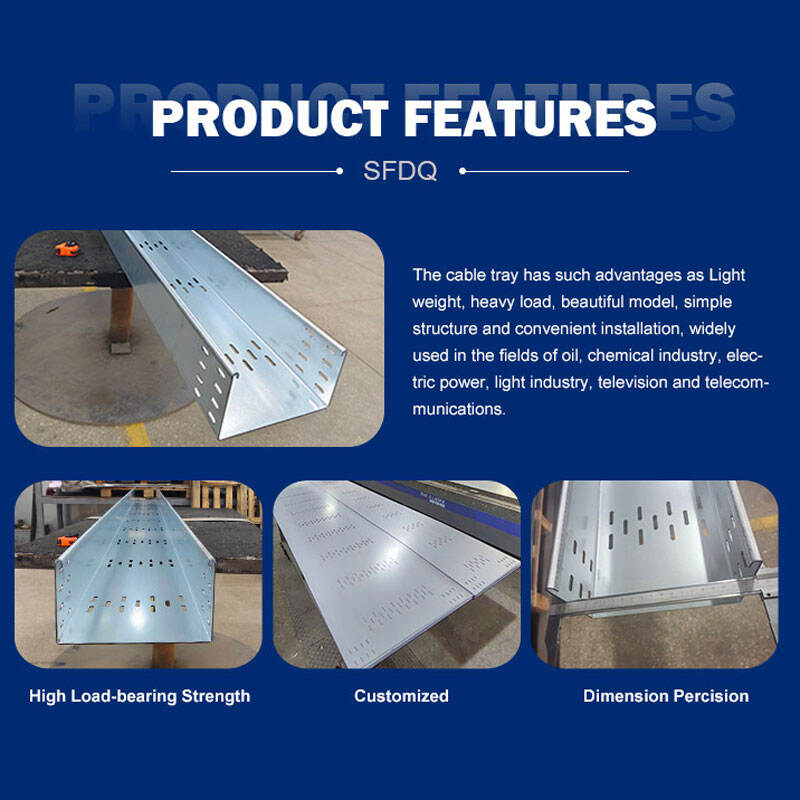
Specifying the right ss cable tray for harsh environments requires careful evaluation of environmental conditions, material properties, and long-term performance requirements. Industrial facilities operating in corrosive, high-temperature, or chemically aggressive environments face unique challenges when selecting cable management systems that must maintain structural integrity and electrical safety over extended service periods.
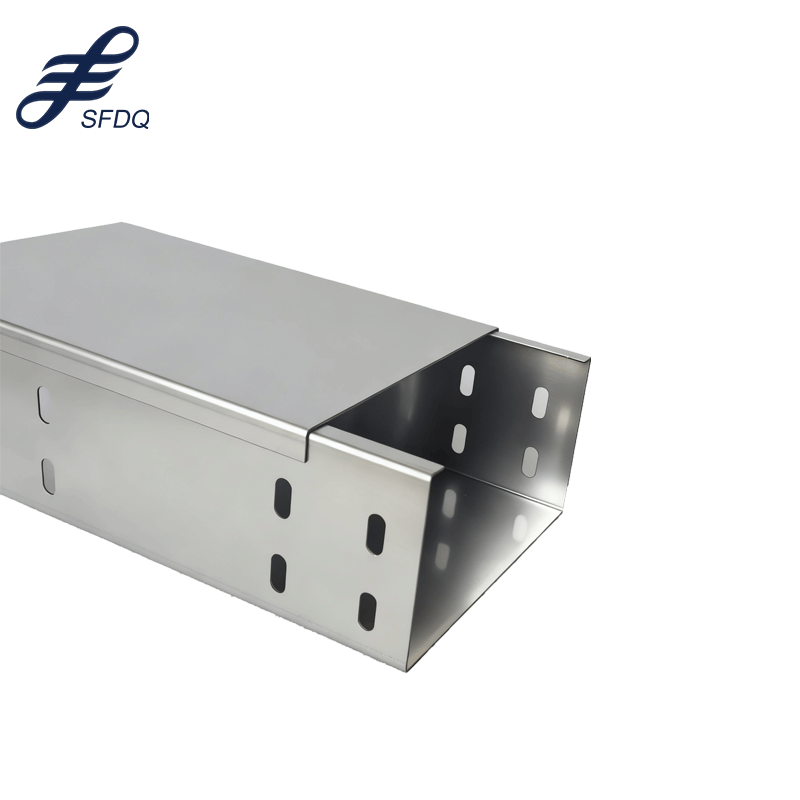
The specification process for stainless steel cable trays in demanding environments involves understanding specific corrosion mechanisms, temperature cycling effects, and chemical compatibility requirements that directly impact system reliability. Engineers must balance material costs against lifecycle performance, considering factors such as maintenance accessibility, load-bearing requirements, and compliance with industry standards for hazardous location installations.
Environmental Assessment for SS Cable Tray Selection
Corrosive Atmosphere Analysis
Identifying specific corrosive agents present in the installation environment forms the foundation for proper ss cable tray specification. Chemical processing facilities, marine environments, and industrial plants each present distinct corrosion challenges that require different stainless steel grades and surface treatments to ensure adequate service life.
Chloride concentration levels significantly influence material selection, as even Grade 316 stainless steel can experience pitting corrosion in high-chloride environments. Engineers must evaluate atmospheric salt content, chemical vapor concentrations, and potential for galvanic corrosion when different metals are present in the cable tray system.
Temperature cycling combined with corrosive atmospheres creates particularly challenging conditions for cable tray systems. The expansion and contraction of the ss cable tray structure can accelerate corrosion at connection points and create stress concentration areas that require special attention during specification.
Temperature Range Considerations
High-temperature environments demand careful evaluation of thermal expansion characteristics and material strength retention at elevated temperatures. Stainless steel cable trays maintain superior mechanical properties compared to aluminum or carbon steel alternatives, but thermal cycling can still affect joint integrity and support structure alignment.
Cryogenic applications present unique challenges for ss cable tray systems, as material brittleness increases at extremely low temperatures. Austenitic stainless steel grades generally maintain better toughness at sub-zero temperatures, making them preferred choices for LNG facilities and cold storage applications.
Thermal shock resistance becomes critical in environments where rapid temperature changes occur, such as near furnaces, reactors, or heat exchangers. The ss cable tray specification must account for thermal stress management through proper support spacing and expansion joint placement.
Chemical Compatibility Requirements
Direct chemical exposure requires comprehensive material compatibility analysis to prevent premature failure of the cable tray system. Organic solvents, acids, bases, and specialty chemicals each present specific challenges that influence stainless steel grade selection and surface finish requirements.
Hydrogen sulfide environments, common in petrochemical facilities, can cause sulfide stress cracking in certain stainless steel grades. The ss cable tray specification must address these specific chemical exposures through appropriate material selection and protective coating systems where necessary.
pH variations in the operating environment affect corrosion rates and can accelerate localized attack at welds and heat-affected zones. Understanding the range of chemical conditions helps engineers specify appropriate welding procedures and post-weld treatments for optimal corrosion resistance.
Material Grade Selection and Properties
Stainless Steel Grade Comparison
Grade 304 stainless steel provides excellent general corrosion resistance for most indoor industrial applications but may not offer sufficient chloride resistance for marine or chemical processing environments. The austenitic structure provides good ductility and weldability, making it suitable for complex ss cable tray configurations.
Grade 316 stainless steel incorporates molybdenum additions that significantly improve resistance to chloride-induced corrosion and pitting. This grade represents the most common choice for harsh environment cable tray applications, offering a balance between corrosion resistance and cost-effectiveness.
Super austenitic grades such as 254 SMO or 904L provide superior corrosion resistance for the most demanding chemical environments. These materials command premium pricing but offer exceptional performance in applications where standard grades would fail prematurely.
Duplex stainless steels combine austenitic and ferritic microstructures to provide enhanced strength and chloride stress corrosion cracking resistance. For heavy-duty ss cable tray applications in marine environments, duplex grades offer excellent performance characteristics.
Surface Finish Impact on Performance
Mill finish surfaces provide basic corrosion resistance suitable for many industrial applications but may retain contaminants that can initiate corrosion in harsh environments. The surface roughness affects cleaning ease and contamination retention, influencing long-term performance.
Electropolished surfaces offer superior corrosion resistance by removing surface imperfections and creating a uniform passive layer. This finish proves particularly beneficial for ss cable tray systems in pharmaceutical, food processing, and cleanroom applications where contamination control is critical.
Passivated surfaces provide enhanced corrosion resistance through controlled oxidation that strengthens the protective chromium oxide layer. This treatment is particularly important for welded cable tray assemblies where heat-affected zones may have reduced corrosion resistance.
Mechanical Property Requirements
Load-bearing capacity of the ss cable tray system must account for cable fill weights, environmental loading from wind or seismic forces, and potential dynamic loads from thermal expansion. Stainless steel's strength characteristics provide advantages over aluminum in high-load applications.
Fatigue resistance becomes important in applications where the cable tray system experiences cyclic loading from thermal expansion, vibration, or seismic activity. The superior fatigue properties of stainless steel support longer service life in dynamic loading conditions.
Impact resistance requirements vary with installation location and potential for mechanical damage during operation or maintenance. The ss cable tray specification must consider protection from falling objects, vehicle contact, or maintenance equipment impact.
Design Specifications for Harsh Environment Performance
Structural Design Considerations
Support spacing for ss cable tray systems in harsh environments requires careful consideration of thermal expansion effects and environmental loading conditions. Closer support spacing may be necessary to prevent excessive deflection under combined thermal and mechanical loads.
Connection details significantly impact system reliability in corrosive environments. Bolted connections using stainless steel fasteners provide serviceability advantages, while welded connections offer superior strength and reduced maintenance requirements in highly corrosive conditions.
Drainage provisions prevent water accumulation that can accelerate corrosion processes. The ss cable tray design should incorporate proper slope and drainage details to minimize standing water and debris accumulation that could compromise system performance.
Expansion joint placement and design accommodate thermal movement while maintaining structural integrity. The specification must address expansion joint materials, sealing requirements, and maintenance accessibility for long-term system reliability.
Protective Systems Integration
Cover systems protect cables from environmental exposure while creating enclosed spaces that require careful ventilation design. The ss cable tray specification must address air circulation requirements to prevent condensation buildup and maintain cable operating temperatures within acceptable limits.
Fire protection systems integration affects cable tray design through support requirements for sprinkler systems, fire stops, and emergency lighting. The structural design must accommodate these additional loads while maintaining system integrity under fire conditions.
Grounding and bonding requirements ensure electrical safety and proper operation of protective systems. The ss cable tray system must provide reliable electrical continuity through proper bonding of all metallic components and sections.
Access and Maintenance Planning
Maintenance accessibility directly impacts system lifecycle costs and safety in harsh environments. The ss cable tray specification should consider access requirements for cable installation, inspection, and replacement throughout the system's service life.
Cleaning access becomes critical in contaminated environments where buildup of corrosive materials can accelerate degradation. The design should provide adequate clearances for cleaning equipment and personnel access while maintaining structural efficiency.
Future expansion capability allows for system modifications without major reconstruction. The ss cable tray specification should incorporate provisions for additional cable routing and capacity increases that may be required during facility upgrades or process modifications.
Installation and Quality Requirements
Installation Procedures for Harsh Environments
Welding procedures for ss cable tray installation in harsh environments require qualified welders and appropriate filler materials to maintain corrosion resistance properties. Heat input control prevents excessive sensitization that could reduce corrosion resistance in the heat-affected zones.
Surface preparation before installation removes contaminants that could initiate corrosion processes. The specification should address cleaning requirements, handling procedures, and protective measures during storage and installation to preserve material properties.
Post-installation treatments such as passivation restore the protective oxide layer damaged during fabrication and installation. This process is particularly important for welded assemblies and areas where the stainless steel surface has been mechanically damaged.
Quality Control and Testing
Material certification ensures that the delivered ss cable tray components meet the specified grade and property requirements. Mill test certificates provide chemical composition and mechanical property data that verify compliance with project specifications.
Dimensional inspection confirms that the cable tray system meets design requirements for fit-up, alignment, and support interface compatibility. Proper dimensional control prevents installation difficulties and ensures structural performance.
Corrosion resistance testing may be required for critical applications where standard material certifications are insufficient. Salt spray testing, cyclic corrosion testing, or specific chemical exposure tests can validate material performance under project-specific conditions.
Documentation and Traceability
Material traceability documentation ensures that all components can be tracked back to original material certifications and manufacturing records. This documentation proves essential for warranty claims and failure analysis if problems develop during service.
Installation records document welding procedures, quality control inspections, and any deviations from standard installation practices. These records support maintenance planning and provide valuable information for future system modifications.
As-built drawings capture the actual installed configuration, including modifications made during construction. Accurate as-built documentation supports maintenance activities and future system expansion planning for the ss cable tray installation.
FAQ
What stainless steel grade is best for marine environment cable trays?
Grade 316 stainless steel is typically the minimum recommendation for marine environments due to its molybdenum content that provides enhanced chloride corrosion resistance. For severe marine exposures or splash zones, consider super austenitic grades like 254 SMO or duplex stainless steels for superior performance. The selection depends on specific chloride concentrations and temperature conditions at the installation site.
How do temperature cycles affect ss cable tray performance in harsh environments?
Temperature cycling creates thermal expansion stresses that can affect joint integrity and accelerate corrosion at connection points. Proper support spacing, expansion joint design, and connection details accommodate thermal movement while maintaining structural integrity. The coefficient of thermal expansion for stainless steel requires careful consideration in support structure design to prevent overstressing.
What surface treatments improve corrosion resistance for chemical plant applications?
Electropolishing provides the best corrosion resistance by creating a smooth, uniform surface with an enhanced passive layer. Passivation treatments remove surface contaminants and restore the protective chromium oxide layer, particularly important after welding. For extreme chemical exposures, specialized coatings or higher-grade stainless steels may be necessary instead of surface treatments alone.
How often should ss cable tray systems be inspected in corrosive environments?
Inspection frequency depends on environmental severity and criticality of supported systems. Generally, quarterly visual inspections identify obvious problems, while annual detailed inspections assess structural condition and corrosion progression. High-risk applications may require monthly inspections or continuous monitoring systems to detect problems before they compromise system integrity or safety.
Table of Contents
- Environmental Assessment for SS Cable Tray Selection
- Material Grade Selection and Properties
- Design Specifications for Harsh Environment Performance
- Installation and Quality Requirements
-
FAQ
- What stainless steel grade is best for marine environment cable trays?
- How do temperature cycles affect ss cable tray performance in harsh environments?
- What surface treatments improve corrosion resistance for chemical plant applications?
- How often should ss cable tray systems be inspected in corrosive environments?