 EN
EN


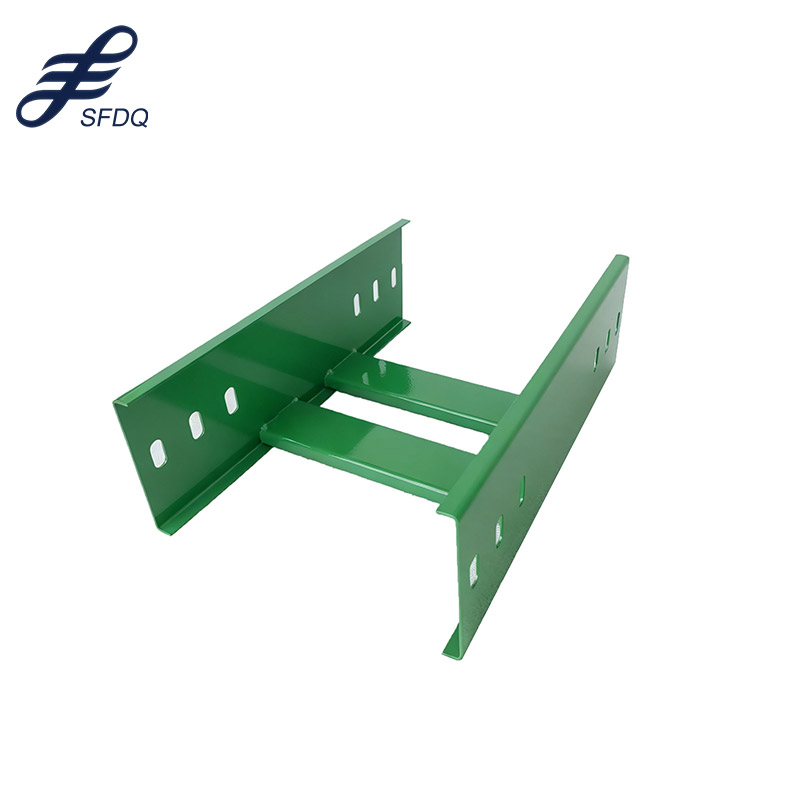
Selecting appropriate electrical cable tray dimensions is a critical decision that directly impacts installation efficiency, system safety, and long-term operational costs in industrial and commercial electrical infrastructure projects. Cable trays serve as the backbone of organized cable management systems, and understanding the relationship between standardized dimensions and their practical applications enables engineers, contractors, and facility managers to design systems that accommodate current loads while providing flexibility for future expansion. The dimensional specifications of cable trays encompass width, height, length, and load-bearing capacity, each parameter playing a distinct role in determining suitability for specific installation environments and cable volume requirements.

The manufacturing industry has established dimensional standards that balance material efficiency with functional performance, creating a range of common sizes that address the majority of installation scenarios across diverse sectors including manufacturing facilities, data centers, commercial buildings, and utility infrastructure. Understanding how these standard electrical cable tray dimensions translate into real-world applications requires examining not only the physical measurements but also the relationship between tray size, cable fill ratios, environmental conditions, and regulatory compliance requirements that govern safe installation practices.
Standard Width Specifications for Cable Trays
Narrow Profile Cable Tray Dimensions
Narrow electrical cable tray dimensions typically range from 150 millimeters to 300 millimeters in width, serving specialized applications where space constraints dictate compact installation solutions. These smaller width profiles are commonly deployed in telecommunication closets, control panel connections, and branch circuit distribution systems where cable quantities remain moderate and installation pathways follow tight corridors or overhead spaces with limited clearance. The 150-millimeter width represents the minimum practical dimension for maintaining structural integrity while accommodating small bundles of power or control cables, typically supporting between six and twelve standard power cables depending on conductor size and insulation thickness.
The 225-millimeter and 300-millimeter widths provide incremental capacity increases suitable for light commercial applications and auxiliary systems within larger industrial facilities. These dimensions allow for organized separation of different circuit types while maintaining the compact footprint necessary for installations in renovated buildings or areas where architectural features limit available routing options. Engineers selecting these narrow electrical cable tray dimensions must carefully calculate fill ratios to ensure adequate ventilation space around cables, preventing heat accumulation that could degrade insulation performance over time and create safety hazards in enclosed pathways.
Mid-Range Width Applications
Mid-range electrical cable tray dimensions spanning 400 millimeters to 600 millimeters represent the most frequently specified sizes across general industrial and commercial construction projects. The 450-millimeter width has emerged as a versatile standard capable of handling moderate cable loads typical in office buildings, retail centers, and light manufacturing environments where a balance between capacity and cost-effectiveness drives specification decisions. This dimension accommodates mixed cable types including power distribution circuits, data networking infrastructure, and building automation control wiring within a single tray system, simplifying installation logistics and reducing overall material costs.
The 600-millimeter width provides substantially greater capacity while remaining manageable for standard installation crews using conventional support hardware and mounting techniques. This size proves particularly valuable in high-density electrical distribution scenarios such as server rooms, equipment galleries, and process control areas where numerous circuits must converge along common pathways. The additional width allows for proper cable segregation practices that separate power circuits from sensitive data or control wiring, reducing electromagnetic interference concerns and facilitating compliance with electrical codes requiring physical separation between circuit classifications.
Heavy-Duty Wide Profile Systems
Large electrical cable tray dimensions exceeding 750 millimeters in width address the demands of heavy industrial facilities, power generation plants, and major infrastructure projects where cable volumes reach significant levels. Standard widths of 750 millimeters, 900 millimeters, and extending to 1200 millimeters provide the capacity necessary for main distribution corridors that consolidate hundreds of individual circuits feeding throughout extensive facility complexes. These substantial dimensions require robust support structures with carefully engineered span distances to maintain load ratings while preventing excessive deflection under the combined weight of cables and environmental factors such as ice accumulation in outdoor installations.
Selection of these wide-profile electrical cable tray dimensions involves comprehensive load calculations that account not only for installed cable weight but also for dynamic loads introduced during maintenance activities when technicians may need to work within or across the tray system. The engineering specifications for these large systems typically incorporate safety factors that exceed minimum code requirements, ensuring long-term structural reliability even when cable densities increase during facility expansions or equipment upgrades that add circuits to existing infrastructure without complete tray replacement.
Height and Depth Dimensional Standards
Shallow Depth Configurations
The depth measurement of electrical cable tray dimensions determines the vertical clearance available for cable bundles and directly influences the system's load-bearing characteristics and cable fill capacity. Shallow depth profiles measuring 50 millimeters to 75 millimeters are designed for applications involving flat cable layouts where horizontal space is less restricted but vertical clearance remains at a premium, such as under raised flooring systems or in low-clearance ceiling plenums. These shallow configurations work effectively with smaller gauge cables that do not require extensive vertical stacking and maintain their shape without significant sagging between support points.
The limited depth of these shallow electrical cable tray dimensions necessitates careful attention to cable bend radius requirements, as insufficient depth can force cables into tighter curves than manufacturer specifications allow, potentially damaging internal conductors or insulation systems. Installation designers must coordinate the relationship between tray depth and cable size to ensure that even the largest cables within the system can make necessary directional changes without exceeding minimum bend radius limits that preserve cable integrity and electrical performance throughout the system's operational lifespan.
Standard Depth Profiles
Standard depth electrical cable tray dimensions ranging from 100 millimeters to 150 millimeters accommodate the majority of general-purpose installations where cable types vary and some vertical stacking becomes necessary to maximize tray capacity. The 100-millimeter depth provides sufficient vertical clearance for two to three layers of medium-sized power cables while maintaining structural efficiency that keeps material costs reasonable and installation weight manageable. This depth specification has become a default choice for commercial building electrical distribution systems where mixed cable types including power feeders, branch circuits, and communication wiring must coexist within common pathways.
The 150-millimeter depth offers enhanced capacity for projects involving larger conductor sizes or higher cable densities where multiple layers become inevitable. This dimension proves particularly valuable in industrial settings where power distribution involves substantial feeder cables that individually occupy significant cross-sectional area, requiring adequate depth to prevent excessive stacking that could create heat retention problems or make cable identification and maintenance activities unnecessarily difficult for facility personnel.
Deep Profile Applications
Deep electrical cable tray dimensions measuring 200 millimeters or greater serve specialized applications in heavy industrial environments, utility substations, and process facilities where extremely large cables or high-density cable bundles require maximum vertical clearance. These deep profiles allow for organized layering of multiple cable tiers while maintaining adequate spacing between layers for heat dissipation and physical access during troubleshooting or modification activities. The substantial depth also provides flexibility for accommodating cable sizes that may vary significantly within a single installation, eliminating the need for frequent transitions between different tray dimensions as cable requirements change along the routing path.
Engineering considerations for deep profile electrical cable tray dimensions include increased wind loading in outdoor installations and higher lateral forces in seismic zones where the elevated center of gravity created by heavy cable loads at greater depths affects structural stability calculations. Support systems for deep trays typically incorporate reinforced attachment hardware and reduced span lengths compared to shallow profiles to maintain equivalent safety margins and prevent excessive movement during environmental disturbances or maintenance activities that introduce temporary loads.
Length Standards and Practical Considerations
Manufacturing Length Conventions
Standard manufacturing lengths for electrical cable tray dimensions typically follow modular patterns that balance material efficiency, shipping logistics, and installation convenience, with common lengths including 2.4 meters, 3.0 meters, and 6.0 meters depending on regional standards and manufacturer capabilities. The selection of standard lengths reflects practical considerations including transportation vehicle dimensions, handling capabilities of typical installation crews, and coordination with building structural grids that establish natural support point locations. These standardized lengths reduce manufacturing complexity and inventory requirements while providing sufficient flexibility to accommodate most installation geometries through strategic combination of full-length sections with field-cut pieces at termination points.
The modular nature of standard electrical cable tray dimensions enables efficient project planning where quantity takeoffs can be calculated based on routing distances and support spacing requirements, minimizing material waste while ensuring adequate stock availability for timely project completion. Contractors benefit from the predictability of standard lengths when developing installation sequences and crew assignments, as the consistent handling characteristics of uniform sections allow for streamlined work processes that reduce labor costs and installation timelines compared to custom-fabricated systems requiring field measurement and modification.
Span Distance Relationships
The relationship between tray length and support span distance represents a critical engineering parameter that affects both structural performance and installation economy for electrical cable tray dimensions across all width and depth categories. Maximum allowable span distances vary according to tray width, depth, material gauge, cable load, and environmental factors such as outdoor exposure where ice and wind loads introduce additional forces. Wider and deeper trays generally permit longer spans between supports due to their inherently greater structural stiffness, while heavily loaded systems require reduced spans to prevent excessive deflection that could damage cables or create visual concerns in exposed architectural applications.
Design engineers must balance the desire for longer spans that reduce support hardware quantities and installation labor against the need to maintain adequate structural margins that ensure safe performance under all anticipated loading conditions. Industry standards and manufacturer load tables provide guidance on maximum recommended spans for various electrical cable tray dimensions under different loading scenarios, but site-specific conditions including seismic requirements, corrosive environments, or unusual installation geometries may necessitate more conservative span distances to maintain long-term system reliability and code compliance.
Field Modification Practices
While standard lengths dominate material procurement, field modification of electrical cable tray dimensions remains a routine necessity to accommodate actual installation conditions including precise termination points, obstructions discovered during construction, and coordination with other building systems competing for the same spatial envelope. Modern cable tray systems employ connection hardware designed to facilitate secure joining of sections regardless of whether pieces represent full factory lengths or field-cut segments, maintaining structural continuity and electrical bonding requirements across the entire installation. Contractors must ensure that field modifications maintain the load-bearing capacity intended in the original design, avoiding cuts or alterations that compromise structural integrity or create sharp edges that could damage cable insulation during installation or subsequent maintenance activities.
The frequency of field cuts and modifications impacts project costs through increased labor requirements and potential material waste, making accurate preliminary measurements and coordination with other trades essential for controlling expenses while maintaining schedule adherence. Advanced projects increasingly utilize three-dimensional coordination modeling to minimize field modifications by resolving spatial conflicts during the design phase, though practical construction tolerances and unforeseen site conditions ensure that some degree of field adaptation remains inevitable even with comprehensive planning efforts.
Load Rating Specifications
Dead Load Capacity Factors
Load ratings for electrical cable tray dimensions reflect the maximum weight that can be safely supported per unit length under static conditions, with capacity varying according to tray width, depth, material gauge, and span distance between support points. Manufacturers publish load tables that specify allowable loads at various span distances, enabling designers to match tray dimensions and support spacing to anticipated cable weights while maintaining adequate safety factors. Dead load calculations must account for the cumulative weight of all installed cables, which can vary significantly depending on conductor sizes, insulation types, and cable construction methods that affect weight per unit length for different cable classifications.
Accurate load estimation requires detailed knowledge of planned cable installations including quantities, sizes, and routing paths, information that may not be fully defined during early design phases when electrical cable tray dimensions must be specified to support overall project scheduling. Conservative engineering practice involves specifying tray systems with load capacities exceeding minimum calculated requirements, providing reserve capacity that accommodates design changes during construction and future additions during facility operational life without requiring costly tray upgrades or supplemental support installations.
Dynamic and Environmental Loads
Beyond static cable weight, electrical cable tray dimensions must be selected to accommodate dynamic loads introduced during installation and maintenance activities, plus environmental forces including wind, snow, and seismic effects in regions subject to earthquake activity. Dynamic loads during installation occur when cable reels are positioned on completed tray sections or when installation personnel work from tray surfaces, temporarily introducing concentrated loads that may exceed distributed cable weights. Responsible engineering design incorporates safety factors that account for these temporary conditions without requiring special handling procedures that slow installation progress or increase labor costs.
Environmental loading considerations for outdoor electrical cable tray dimensions include wind pressure calculations based on local climate data and building exposure categories, plus snow and ice accumulation estimates that can substantially increase dead loads in cold climate regions. Seismic design requirements in earthquake-prone areas mandate special bracing configurations and reduced span distances to limit tray movement during ground motion events, protecting both the tray system and supported cables from damage that could compromise facility electrical integrity during emergency conditions when reliable power distribution becomes especially critical.
Future Expansion Allowances
Prudent selection of electrical cable tray dimensions includes consideration for future cable additions anticipated during facility expansion or equipment upgrades, avoiding the common trap of specifying systems sized precisely to initial loads without margin for growth. Industry best practices typically recommend limiting initial cable fill to 50-60 percent of rated tray capacity, reserving substantial space for additions while maintaining proper cable ventilation and accessibility. This conservative approach may increase initial material costs compared to minimum-sized systems, but substantially reduces future modification expenses and operational disruptions that occur when cable additions require installation of parallel tray runs or costly rerouting of existing circuits to make space for new cables.
The economic analysis supporting larger electrical cable tray dimensions must balance higher initial investment against the present value of anticipated future savings from simplified expansion procedures and maintained operational flexibility. Facilities experiencing rapid technological change or planned growth phases benefit significantly from generous initial tray sizing that defers or eliminates the need for major electrical infrastructure modifications, while stable installations with well-defined long-term requirements may justify more closely sized systems that optimize initial capital efficiency.
Application-Specific Dimension Selection
Data Center and IT Infrastructure
Data center environments demand careful electrical cable tray dimensions selection that addresses the unique characteristics of high-density power distribution combined with extensive structured cabling systems carrying network data traffic throughout the facility. The convergence of power and data infrastructure within common pathways requires tray systems that provide adequate capacity while maintaining physical separation that reduces electromagnetic interference potential between high-current power circuits and sensitive data transmission cables. Standard practice employs dedicated tray systems for power versus data circuits, with electrical cable tray dimensions for power distribution typically following 600-millimeter width specifications while data cable trays may utilize narrower profiles where cable quantities remain moderate relative to the number of supported circuits.
The rapid evolution of data center technology creates especially strong justification for oversized electrical cable tray dimensions that accommodate equipment upgrades introducing higher power densities and additional cooling infrastructure without requiring disruptive tray modifications. Modern hyperscale data centers increasingly specify 900-millimeter or wider main distribution trays along primary corridors, accepting higher initial costs in exchange for operational flexibility that supports continuous facility optimization without major construction activities that could risk service interruptions to critical information technology operations.
Industrial Manufacturing Facilities
Manufacturing environments present diverse requirements for electrical cable tray dimensions driven by the mixture of high-power equipment feeders, extensive motor control circuits, process instrumentation wiring, and safety system connections that characterize modern automated production facilities. Main distribution pathways typically employ large-width trays in the 600-millimeter to 900-millimeter range to consolidate major power feeders supplying production equipment, while branch systems serving individual machines or work cells utilize narrower dimensions appropriate to local circuit quantities. The industrial environment introduces additional selection factors including exposure to dust, moisture, chemical contaminants, and mechanical impact risks that may influence material selection and finish requirements beyond basic dimensional specifications.
Flexibility represents a paramount concern in manufacturing applications where production line reconfigurations, equipment replacements, and process modifications occur regularly throughout facility operational life. Generous electrical cable tray dimensions that provide substantial reserve capacity enable responsive adaptation to changing production requirements without extensive electrical infrastructure modifications that would require costly production downtime and extended project timelines for regulatory approvals and construction activities in occupied industrial spaces.
Commercial Building Applications
Commercial buildings including offices, retail centers, and institutional facilities typically employ moderate electrical cable tray dimensions that balance adequate capacity against architectural coordination requirements in spaces where exposed infrastructure may impact aesthetic considerations. Common specifications center on 450-millimeter to 600-millimeter widths with 100-millimeter to 150-millimeter depths, dimensions that handle typical commercial power distribution and lighting control requirements while fitting within standard ceiling plenum depths and maintaining clearances around other building systems including HVAC ductwork and plumbing distribution. The commercial environment emphasizes cost efficiency and installation speed, driving preference for standardized systems that minimize field modification requirements and utilize readily available support hardware compatible with typical building structural systems.
Tenant improvement flexibility in multi-tenant commercial buildings justifies slightly oversized electrical cable tray dimensions along main distribution spines, providing capacity to serve diverse tenant requirements without major base building modifications during lease turnovers. The incremental cost of moderately larger trays proves negligible compared to the expenses and disruptions associated with emergency electrical capacity upgrades when new tenants introduce power demands exceeding original building electrical infrastructure capabilities.
FAQ
What factors determine appropriate electrical cable tray dimensions for a specific installation?
Appropriate electrical cable tray dimensions depend on multiple coordinated factors including total cable volume requiring accommodation, cable types and their individual sizes, applicable electrical code requirements for fill ratios and separation distances, anticipated future expansion needs, available installation space constraints, environmental conditions affecting material selection, and structural load-bearing considerations. Engineers must evaluate the complete installation context rather than selecting dimensions based solely on immediate cable quantities, ensuring that chosen specifications support long-term operational flexibility while maintaining code compliance and safety margins under all anticipated loading conditions including maintenance activities and environmental forces.
How do standard electrical cable tray dimensions vary between different international markets?
Standard electrical cable tray dimensions exhibit regional variations reflecting different measurement systems, construction practices, and regulatory frameworks across international markets. North American specifications predominantly utilize inch-based dimensions with common widths including 6-inch, 12-inch, 18-inch, and 24-inch profiles, while European and Asian markets typically specify dimensions in metric units with standard widths of 150 millimeters, 300 millimeters, 450 millimeters, and 600 millimeters. Despite these measurement system differences, the underlying dimensional ratios and capacity ranges remain relatively consistent globally, allowing functional equivalency when converting between systems, though direct substitution requires careful verification that load ratings and accessory compatibility align across different manufacturing standards.
Can electrical cable tray dimensions be mixed within a single installation system?
Mixing different electrical cable tray dimensions within a single installation system is not only permissible but represents common practice in complex facilities where cable quantities vary substantially along different routing paths. Transitions between tray sizes utilize specialized fittings that maintain continuous structural support and electrical bonding while accommodating dimensional changes, typically occurring at natural transition points where main distribution corridors branch into smaller subsidiary pathways serving localized loads. Successful implementation of mixed-dimension systems requires careful planning to ensure that transitions occur at structurally appropriate locations with adequate support and that cable routing through transition fittings maintains required bend radius specifications without forcing cables into damaging configurations that could compromise performance or create installation difficulties.
How frequently should electrical cable tray dimensions be reevaluated during facility operational life?
Regular evaluation of electrical cable tray dimensions and capacity utilization should occur as part of routine facility maintenance programs, with formal assessments recommended whenever significant electrical system modifications are planned or when cable fill ratios approach 75 percent of available capacity. Proactive monitoring prevents situations where emergency capacity needs cannot be accommodated within existing infrastructure, forcing costly rush installations of supplemental tray systems under suboptimal conditions. Well-managed facilities maintain current documentation of installed cable inventories and remaining tray capacity, enabling informed planning for equipment additions or tenant modifications that introduce new electrical demands requiring integration into existing distribution infrastructure without compromising safety margins or code compliance.
Table of Contents
- Standard Width Specifications for Cable Trays
- Height and Depth Dimensional Standards
- Length Standards and Practical Considerations
- Load Rating Specifications
- Application-Specific Dimension Selection
-
FAQ
- What factors determine appropriate electrical cable tray dimensions for a specific installation?
- How do standard electrical cable tray dimensions vary between different international markets?
- Can electrical cable tray dimensions be mixed within a single installation system?
- How frequently should electrical cable tray dimensions be reevaluated during facility operational life?