 EN
EN


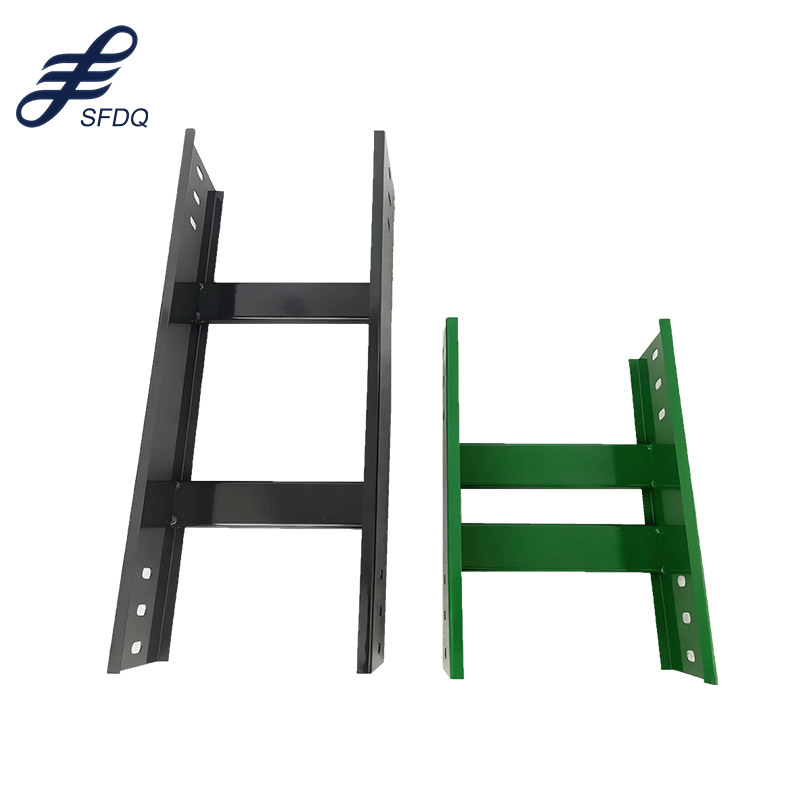
When infrastructure projects demand precise, durable, and site-specific cable management systems, working with an experienced cable ladder manufacturer becomes a strategic decision rather than a simple procurement choice. Every industrial facility has unique layout requirements, load conditions, and environmental constraints that standard off-the-shelf products simply cannot address. A capable cable ladder manufacturer understands this reality and responds with engineering-driven customization at every stage of the project.
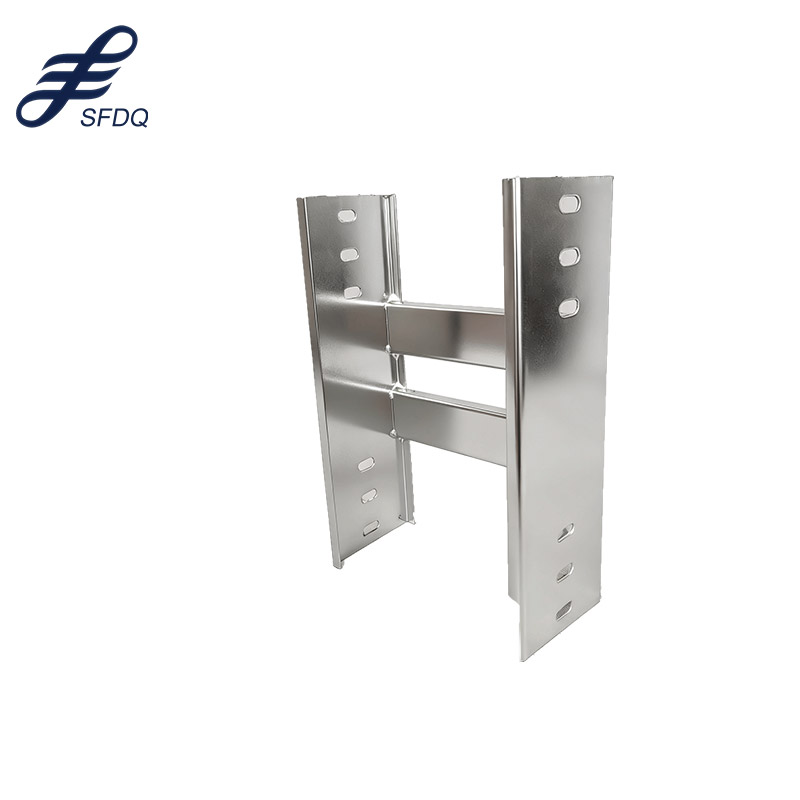
Custom engineering from a cable ladder manufacturer is not simply about changing dimensions. It involves a deep collaboration between the client's project engineers and the manufacturer's design team to produce cable ladder systems that meet specific load ratings, span lengths, material specifications, and installation environments. This article explores what custom engineering from a cable ladder manufacturer actually entails, why it matters, and how procurement and engineering teams can make the most of it.
What Custom Engineering Means for a Cable Ladder Manufacturer
Beyond Standard Catalogue Products
A reliable cable ladder manufacturer offers far more than a fixed range of sizes and finishes. Custom engineering begins when the client shares project-specific requirements — span lengths that exceed standard offerings, unusual cable loads, corrosive environments, or complex routing paths with multiple bends and transitions. The cable ladder manufacturer then applies structural and materials engineering expertise to design a solution that fits the exact project scope.
For example, an offshore oil and gas installation might require a cable ladder manufacturer to produce systems from duplex stainless steel with custom rung spacing and reinforced side rails. A data center project might call for a cable ladder manufacturer to deliver high-density configurations with precisely calculated load ratings per meter. Each scenario demands dedicated engineering, not a catalogue lookup.
Engineering Documentation and Compliance
A professional cable ladder manufacturer supports custom orders with full technical documentation, including load calculation reports, material certifications, and compliance statements for relevant standards such as IEC 61537 or NEMA VE 1. This documentation is essential for project approvals, site inspections, and long-term asset management. When a cable ladder manufacturer provides this level of engineering support, it significantly reduces the coordination burden on the client's project team.
Key Areas Where Custom Engineering Adds Real Value
Material Selection for Harsh Environments
One of the most impactful areas where a cable ladder manufacturer applies custom engineering is material selection. Standard hot-dip galvanized steel is suitable for most indoor and sheltered outdoor applications, but extreme environments require more targeted choices. A skilled cable ladder manufacturer can engineer solutions using pre-galvanized steel, hot-dip galvanized steel, stainless steel grades 304 or 316L, or aluminum alloys, depending on the exposure conditions present on site.
When a cable ladder manufacturer evaluates a corrosive coastal or chemical processing environment, the material specification becomes a structural engineering decision. The wrong material leads to accelerated corrosion, structural failure, and costly replacements. A cable ladder manufacturer with genuine engineering capability guides clients to the right choice based on actual environmental data rather than general assumptions.
Dimensional Customization and Structural Design
Standard cable ladder products are typically available in widths from 100mm to 600mm and in fixed span lengths. However, many industrial projects require a cable ladder manufacturer to produce wider trays, extended spans, or non-standard rung pitches to accommodate specific cable bundles or installation geometries. Custom side rail heights also affect the bending resistance of the ladder system, and a qualified cable ladder manufacturer calculates these parameters to ensure structural adequacy under the applied cable loads.
Fittings and accessories — including bends, tees, reducers, and cross-junctions — must also align with the custom ladder dimensions. A cable ladder manufacturer that controls its own fabrication process can produce matching fittings to exact specifications, ensuring consistent performance and appearance throughout the cable management system.
Surface Treatment and Coating Engineering
Surface treatment is another area where the expertise of a cable ladder manufacturer translates directly into long-term performance. Beyond standard galvanizing, a cable ladder manufacturer may offer powder coating in specific colors for zone identification, epoxy coatings for chemical resistance, or combined treatment systems for maximum durability. The choice of surface treatment affects the service life of the cable ladder system and must be matched to the operating environment by engineers who understand both the process chemistry and the field conditions.
How to Collaborate Effectively with a Cable Ladder Manufacturer
Providing Clear and Complete Technical Briefs
The quality of custom engineering output from a cable ladder manufacturer depends heavily on the quality of input provided by the client. Procurement and engineering teams should supply detailed project briefs that include cable load data, span and support spacing, routing plans, environmental classifications, applicable standards, and any special installation constraints. The more precisely a cable ladder manufacturer understands the project requirements, the more accurately it can engineer a solution that fits without costly rework.
Early engagement with a cable ladder manufacturer during the design phase — rather than at the procurement stage — allows for valuable input on constructability, material optimization, and cost efficiency. Many clients find that involving a cable ladder manufacturer early in the project timeline leads to better technical outcomes and shorter lead times for custom orders.
Reviewing Engineering Submittals Before Fabrication
A responsible cable ladder manufacturer will provide engineering submittals — including drawings, load tables, and material data sheets — before commencing fabrication. Reviewing these documents carefully ensures that the custom cable ladder system will meet all project requirements before production begins. Changes after fabrication are expensive and time-consuming, so the submittal review stage is the most critical checkpoint in the collaboration between the client and the cable ladder manufacturer.
FAQ
What information should I provide to a cable ladder manufacturer for a custom order?
You should provide cable load data, required span and support spacing, routing layout, environmental conditions, relevant standards, and any special material or finish requirements. The more complete the brief, the more accurately a cable ladder manufacturer can engineer a solution that meets your exact project needs.
Can a cable ladder manufacturer produce non-standard sizes and fittings together?
Yes. A cable ladder manufacturer with in-house fabrication capabilities can produce custom-sized ladder sections and matching fittings — including bends, tees, and reducers — to the same dimensions and finish. This ensures full system consistency and structural performance throughout your cable management installation.
How long does it take a cable ladder manufacturer to deliver custom-engineered orders?
Lead times vary depending on complexity, material availability, and order volume. However, engaging a cable ladder manufacturer early in the design phase and providing a complete technical brief typically shortens the engineering and fabrication timeline significantly compared to late-stage custom requests.