 EN
EN


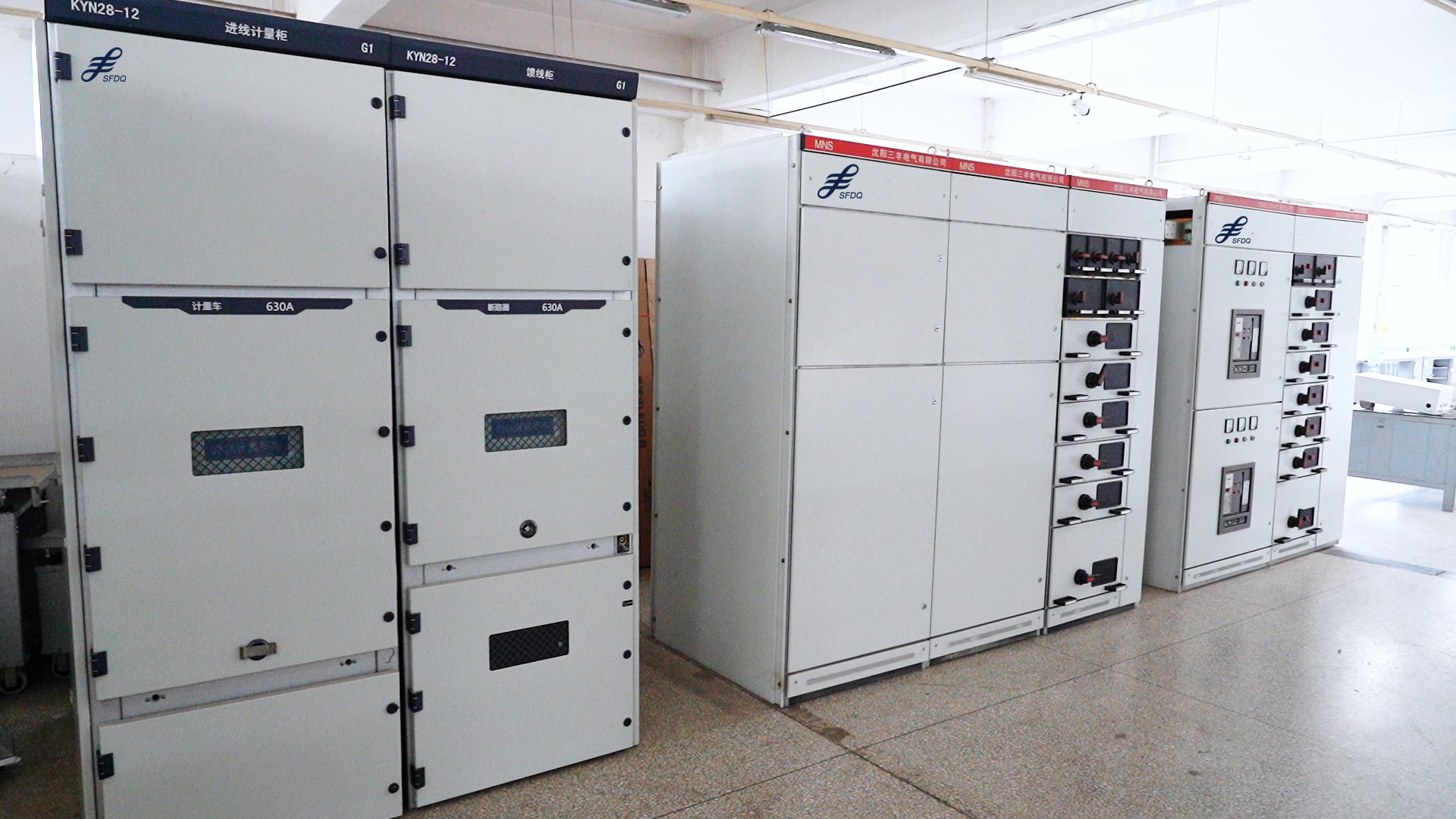
Selecting the right distribution cabinet is a critical decision for any industrial or commercial facility. A distribution cabinet serves as the central hub for electrical power distribution, controlling and protecting circuits while ensuring safe and efficient operation of equipment. Whether you're managing a manufacturing plant, data center, or commercial building, choosing an appropriate distribution cabinet directly impacts system reliability, maintenance accessibility, and long-term operational costs. Understanding the key factors that influence this selection process helps you avoid costly mistakes and ensures your electrical infrastructure meets current and future demands.

The process of selecting a distribution cabinet requires careful evaluation of electrical load requirements, physical space constraints, environmental conditions, and future scalability. A poorly chosen distribution cabinet can lead to inadequate circuit protection, maintenance bottlenecks, and potential safety hazards. Conversely, an oversized or unnecessarily complex distribution cabinet wastes capital investment and complicates daily operations. This guide walks through the essential criteria you must consider to make an informed decision that aligns with your facility's specific operational needs and long-term growth strategy.
Understanding Distribution Cabinet Requirements
Assessing Electrical Load and Capacity
The first step in selecting a distribution cabinet is calculating your facility's total electrical load in amperes and kilowatts. This figure determines the main switch rating and the number of circuits your distribution cabinet must accommodate. Peak demand analysis should account for simultaneous equipment operation, not just installed capacity, because oversizing the distribution cabinet based on theoretical maximum rarely reflects real-world usage. Conduct a thorough audit of all connected equipment, including motors, lighting, heating systems, and future expansion plans. Once you have the accurate load profile, your distribution cabinet selection becomes much clearer. Undersizing a distribution cabinet creates safety risks and operational constraints, while accurate sizing ensures reliable circuit protection and sufficient headroom for equipment upgrades.
Environmental and Installation Conditions
Environmental factors significantly influence which distribution cabinet model suits your installation. Temperature extremes, humidity levels, corrosive atmospheres, and vibration intensity all determine the protection rating and material composition your distribution cabinet requires. Outdoor distribution cabinet installations demand weather-sealed enclosures with appropriate ingress protection ratings, while indoor facilities may require a simpler distribution cabinet design. Corrosive environments such as food processing plants or coastal facilities necessitate a distribution cabinet with specialized coatings or stainless steel construction. The physical location also affects accessibility for maintenance and inspection, so your distribution cabinet should be positioned where technicians can safely work on components without disrupting facility operations. Understanding these environmental demands prevents premature failure and ensures your distribution cabinet investment delivers long-term value.
Key Technical Specifications for Distribution Cabinet Selection
Enclosure Design and Protection Rating
Every distribution cabinet carries an Ingress Protection (IP) rating that describes how effectively it protects internal components from dust and moisture. An IP54-rated distribution cabinet typically suits indoor commercial environments where light dust exposure occurs, while harsh industrial settings demand an IP65 or IP66 distribution cabinet for complete dust and water jet protection. When selecting a distribution cabinet, match the IP rating to your specific operating environment to avoid internal corrosion, component failure, and electrical hazards. The cabinet material also matters significantly. Steel distribution cabinet enclosures offer cost-effective protection and magnetic accessibility, while powder-coated or painted finishes enhance durability and appearance. Some facilities benefit from a distribution cabinet featuring modular internal organization, allowing circuit breakers, contactors, and monitoring devices to be arranged efficiently for maintenance accessibility. Examining these technical details ensures your distribution cabinet provides reliable protection and simplifies troubleshooting when issues arise.
Circuit Arrangement and Compartmentalization
The internal organization of your distribution cabinet significantly impacts operational efficiency and safety protocols. A well-designed distribution cabinet separates power distribution circuits from control circuits, preventing interference and reducing troubleshooting complexity. Some distribution cabinet configurations feature vertical bus bars that enable flexible circuit assignments, while others use horizontal distribution rails for cleaner cable management and easier future modifications. The distribution cabinet should provide adequate space for cable routing, component ventilation, and thermal dissipation without creating maintenance hazards. When comparing options, verify that your chosen distribution cabinet allows sufficient clearance for circuit breaker operation, fuse replacement, and terminal connections. Proper compartmentalization in your distribution cabinet also reduces troubleshooting time by logically grouping related circuits, enabling faster fault identification and isolation.
Scalability, Maintenance, and Operational Considerations
Planning for Future Growth and Flexibility
An effective distribution cabinet selection strategy accounts for facility expansion and equipment upgrades that may occur within five to ten years. Selecting a distribution cabinet with available expansion slots or modular construction provides flexibility without requiring complete replacement. Many industrial facilities underestimate future power requirements and subsequently struggle with inadequate distribution cabinet capacity, forcing costly retrofits or auxiliary distribution systems. When evaluating potential distribution cabinet options, confirm that spare circuit positions exist for new equipment connections. Additionally, verify that your chosen distribution cabinet supports upgraded monitoring and control devices, such as power meters or remote switching modules, that enhance operational visibility. A thoughtfully selected distribution cabinet with growth capacity reduces total cost of ownership and minimizes operational disruption during facility modifications. Engaging with your facility's five-year expansion plan ensures your distribution cabinet investment aligns with anticipated demand.
Maintenance Access and Component Lifecycle
Maintenance efficiency depends heavily on how well your distribution cabinet design facilitates regular inspection and component replacement. A poorly arranged distribution cabinet forces maintenance technicians into awkward positions, increases error risk, and extends outage duration during service work. Superior distribution cabinet selections feature swing-out or removable component trays that permit safe work on live circuits while maintaining isolation of inactive sections. Cable routing clarity distinguishes exceptional distribution cabinet installations from problematic ones, enabling technicians to trace circuits quickly during diagnostics or modifications. Document retention becomes simpler when your distribution cabinet includes internal labeling templates and easily accessible terminal diagrams. These practical features may seem minor, but they significantly impact reliability and reduce labor costs throughout your distribution cabinet's operational life. Prioritizing maintenance accessibility during distribution cabinet selection protects your team's safety and supports consistent facility performance.
FAQ
What size distribution cabinet do I need for my facility?
The appropriate distribution cabinet size depends on your peak electrical load in amperes and the number of circuits required. Calculate total demand by adding all connected equipment ratings and applying a demand factor based on simultaneous operation patterns. Your distribution cabinet main switch should handle this peak load with approximately 20 percent headroom for future additions. Consult with an electrical engineer to ensure your distribution cabinet sizing complies with local electrical codes and accommodates planned equipment upgrades.
How do I know which protection rating my distribution cabinet needs?
The required protection rating for your distribution cabinet depends on the installation environment and exposure conditions. Indoor, climate-controlled facilities typically use IP54-rated distribution cabinet models, while outdoor or wash-down environments demand IP65 or higher. Evaluate dust, moisture, temperature extremes, and chemical exposure when specifying your distribution cabinet protection class. Local electrical codes may also dictate minimum protection requirements for your distribution cabinet installation location.
Can I modify an existing distribution cabinet for new equipment?
Many distribution cabinet installations can accommodate new equipment if spare circuit capacity exists and internal space permits additional components. However, modifying a distribution cabinet requires careful load analysis to ensure the main switch and bus bars handle increased current without exceeding ratings. Thermal considerations become critical when adding components to an older distribution cabinet, particularly in enclosed spaces with limited ventilation. Always engage a qualified electrician before attempting distribution cabinet modifications to ensure safety compliance and system reliability.