 EN
EN


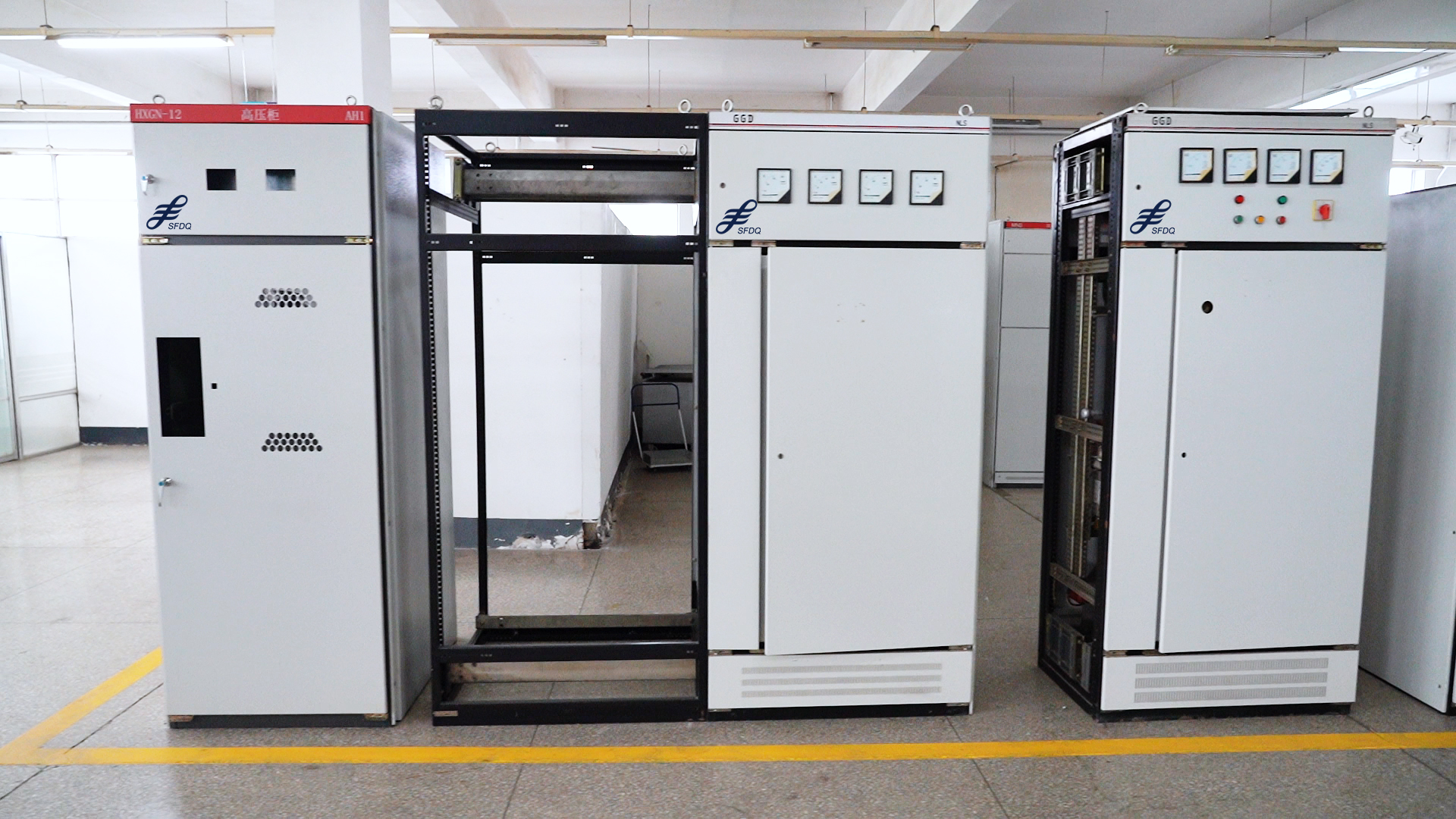
A distribution cabinet represents one of the most critical components in any modern electrical infrastructure, functioning as the central hub through which electrical power flows to all connected systems and equipment. Understanding the role and importance of a distribution cabinet is essential for facility managers, electrical engineers, and industrial professionals who need to maintain safe, efficient, and reliable electrical operations. The distribution cabinet serves as the organizational center where electrical power arrives, is measured, monitored, and then distributed to various circuits and endpoints throughout a building or industrial facility.

The architecture of a distribution cabinet encompasses switchgear, circuit breakers, busbars, monitoring devices, and protective equipment that work together to manage electrical load, provide overcurrent protection, and enable safe maintenance procedures. Every electrical system, from small commercial buildings to large industrial plants, relies on a properly designed and maintained distribution cabinet to ensure continuous power supply while protecting personnel and equipment from electrical hazards.
Core Functions and Components of a Distribution Cabinet
Primary Role in Electrical Management
The primary function of a distribution cabinet is to receive electrical power from the main utility supply or on-site generation system and redistribute it efficiently to secondary circuits and equipment throughout the facility. Within the distribution cabinet, incoming power passes through a main disconnect switch and protective devices before entering the main busbar, which serves as the common connection point for all outgoing circuits. This distribution cabinet architecture allows electrical technicians to safely isolate specific circuits for maintenance, troubleshooting, or emergency shutdowns without affecting the entire facility's power supply.
Protection and Safety Integration
A distribution cabinet integrates multiple layers of electrical protection, including circuit breakers, fuses, surge protection devices, and grounding systems that safeguard personnel and connected equipment from electrical faults. Each circuit branch within the distribution cabinet is protected by its own circuit breaker, which automatically interrupts power flow if current exceeds safe limits, preventing equipment damage and electrical fires. The distribution cabinet also provides essential grounding pathways that ensure any fault current safely returns to earth, protecting anyone who might accidentally contact energized components.
Design Considerations for Distribution Cabinet Installation
Capacity Planning and Load Assessment
Proper sizing of a distribution cabinet begins with comprehensive analysis of current and projected electrical loads within the facility, ensuring the cabinet's amperage rating, busbar capacity, and thermal management systems can handle peak demand without overheating or component degradation. Professional load calculations consider not only existing equipment but also potential future expansion, allowing the distribution cabinet to accommodate growth without requiring complete replacement or costly upgrades. Temperature monitoring within the distribution cabinet is critical; excessive heat indicates overloaded circuits or inadequate ventilation, both conditions that reduce equipment lifespan and increase failure risk.
Spatial Layout and Accessibility
The physical placement and internal organization of a distribution cabinet directly impact operational efficiency and maintenance safety, with industry standards requiring clear labeling, adequate working space, and logical grouping of related circuits. Proper ventilation around the distribution cabinet prevents heat accumulation while maintaining adequate clearance from walls, ceilings, and other equipment to allow heat dissipation and emergency access. Cable management within the distribution cabinet must follow established practices, using proper routing, bundling, and identification systems to prevent accidental disconnections and simplify troubleshooting procedures when problems arise.
Monitoring, Maintenance, and Troubleshooting
Advanced Monitoring Capabilities
Modern distribution cabinet designs often incorporate digital metering systems and remote monitoring capabilities that provide real-time visibility into power consumption, voltage levels, frequency, and equipment health across all connected circuits. Power quality monitoring within a distribution cabinet helps identify voltage sags, harmonic distortion, and other irregularities that could damage sensitive electronic equipment or reduce operational efficiency in the facility. Integration of building management systems with the distribution cabinet enables automated alerts when circuit loads approach limits or when protective devices operate, allowing technicians to respond quickly before problems escalate.
Preventive Maintenance and Inspection Protocols
Regular inspection and maintenance of a distribution cabinet extends equipment lifespan, prevents unexpected shutdowns, and maintains compliance with electrical safety standards and regulations. Technicians should periodically check that all circuit breakers operate smoothly, verify that connections remain tight, inspect components for corrosion or heat damage, and confirm that protective devices have not degraded from age or repeated operation. Documentation of all maintenance activities, circuit modifications, and equipment replacements maintains an accurate history of the distribution cabinet that proves invaluable during future upgrades, expansions, or troubleshooting efforts.
FAQ
What is the difference between a distribution cabinet and a main electrical panel?
A main electrical panel typically serves as the first point of distribution from the utility supply and contains the primary disconnect for the entire building, while a distribution cabinet can be positioned downstream to serve specific zones, departments, or equipment groupings. The distribution cabinet often provides secondary distribution functions with more granular circuit organization and specialized protection for particular loads, whereas the main panel focuses on overall facility power management and emergency shutdown capability.
How often should a distribution cabinet be inspected and serviced?
Industry standards generally recommend annual inspections of a distribution cabinet by qualified electrical professionals, with more frequent checks in harsh environments, facilities with high power demands, or installations where the distribution cabinet experiences significant temperature fluctuations. The specific inspection schedule for any distribution cabinet should align with manufacturer recommendations, local electrical codes, facility operating conditions, and the results of previous inspections that might indicate accelerated component wear.
Can a distribution cabinet be upgraded or expanded to handle increased electrical loads?
Many distribution cabinet installations can be upgraded by adding additional circuit breakers, expanding busbar capacity, or installing higher-capacity protective devices, though modifications depend on the specific cabinet model and the degree of load increase required. In some cases, when a distribution cabinet reaches its maximum capacity or aging components become unreliable, complete replacement with a larger or more modern cabinet proves more cost-effective than attempting modifications, particularly when code compliance or new technology integration becomes necessary.