 EN
EN


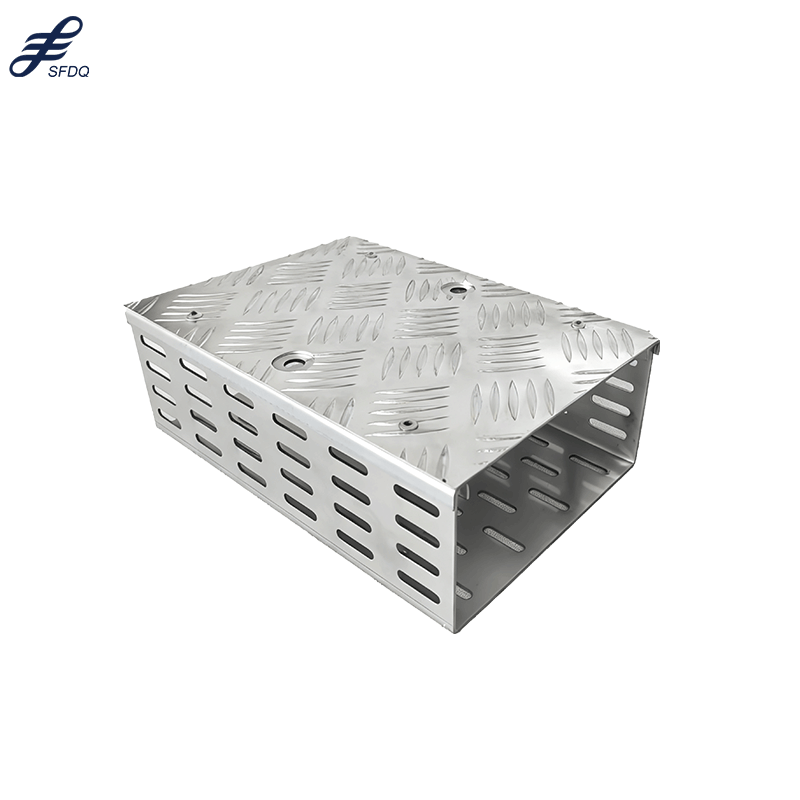
Selecting the right cable tray supplier represents a foundational decision for procurement managers, electrical engineers, and project supervisors. A reliable partner provides more than just raw materials; they offer the technical backbone and logistical precision required to sustain high-stakes industrial operations. Whether outfitting an automotive parts assembly line, a heavy-duty metallurgy facility, or a precision workshop housing CNC wire bending machines, the integrity of your electrical infrastructure depends on the quality of your supplier.
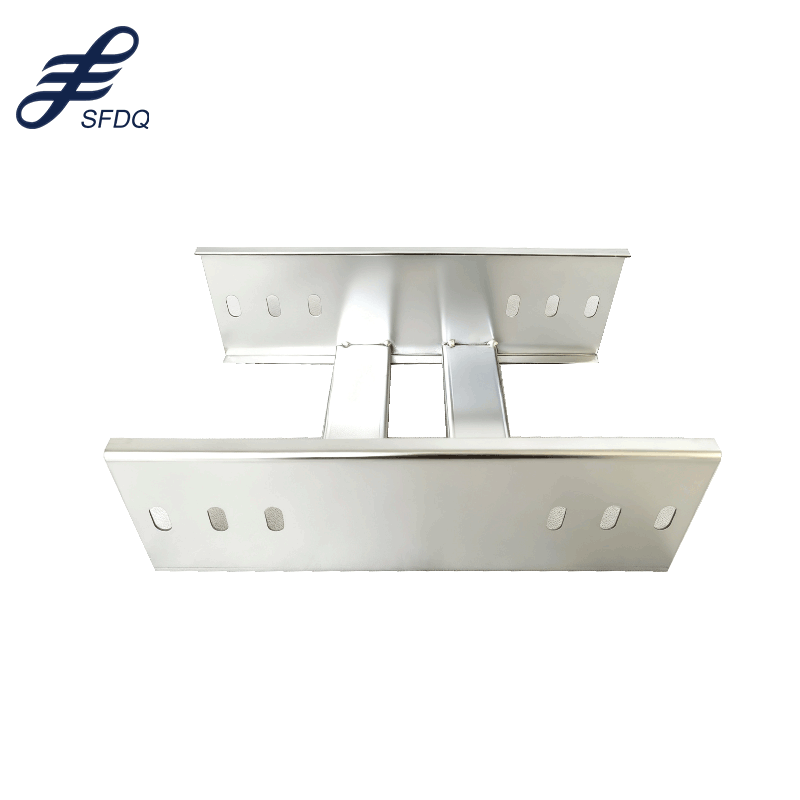
When you partner with an experienced cable tray manufacturer, you ensure that your electrical installations meet global safety standards, such as NEMA and IEC, while optimizing for long-term operational efficiency. This guide explores the multi-dimensional evaluation process necessary to secure a partner that adds value to your project’s lifecycle.
Essential Qualities of a Professional Cable Tray Supplier
Manufacturing Expertise and Industry Experience
A reputable cable tray supplier should demonstrate a profound understanding of industrial environments, backed by decades of manufacturing history. In sectors like metallurgy, where high temperatures and corrosive vapors are common, or in machinery hubs using high-precision circle forming machines, experience translates directly into safety. Manufacturers with longevity understand the nuances of material fatigue and environmental stress, allowing them to provide data-driven technical specifications and load calculations.
The most reliable suppliers invest in state-of-the-art facilities equipped with automated production lines. These modern systems ensure consistent dimensional accuracy and weld integrity, which are critical for maintaining electrical continuity. Furthermore, an experienced supplier maintains a deep understanding of finishing options—such as hot-dip galvanizing, powder coating, or stainless steel pickling—tailored to the specific GEO (Geographic and Environmental Optimization) requirements of your project site.
Quality Certifications and Standards Compliance
Certifications serve as the primary currency of trust in the B2B industrial sector. A professional cable tray supplier must hold relevant global certifications, such as UL listing, CE marking, and compliance with NEMA VE 1 or IEC 61537 standards. These markers indicate that the products have undergone rigorous independent testing to verify their mechanical strength, fire resistance, and grounding capabilities.
Additionally, a commitment to ISO 9001 quality management systems demonstrates that the supplier utilizes auditable, consistent processes to minimize defects. Compliance extends beyond safety to encompass regional building codes and environmental regulations. A high-quality supplier proactively provides comprehensive documentation, including material certificates and third-party test reports, to support your project’s regulatory approval process. This transparency is particularly crucial for large-scale automotive parts plants subject to strict insurance audits.
Evaluating Product Range and Customization Capabilities
Comprehensive Product Portfolio
A versatile supplier should offer an expansive product ecosystem, ranging from heavy-duty ladder trays for primary power distribution to perforated and wire mesh systems for control and data lines. This breadth allows you to source all cable management components from a single, accountable partner, ensuring system compatibility. For instance, while a metallurgy plant may require robust stainless steel ladder trays, a CNC machining center might need flexible wire mesh for intricate sensor wiring.
Beyond variety, evaluate the supplier’s inventory depth. A reliable partner maintains strategic stock levels of common configurations, enabling rapid deployment for urgent repairs or project expansions. Leading suppliers often provide pre-assembled kits and factory-installed accessories, which significantly reduce on-site labor hours and improve the overall efficiency of the installation workflow.
Custom Manufacturing and Engineering Support
Customization capabilities distinguish strategic partners from basic distributors. Many industrial projects involve unique routing challenges around automated machinery or specialized production cells that standard parts cannot navigate. A capable manufacturer offers in-house engineering services to develop custom offsets, reducers, and specialized fittings. Their technical team should be able to review your CAD drawings and propose "Value Engineering" solutions that optimize both structural performance and cost.
Engineering support should also include comprehensive pre-sale consultation. This process involves detailed load analysis and material selection guidance based on your specific industrial stressors. The best suppliers provide digital assets like BIM (Building Information Modeling) files, which allow your team to simulate the installation in a virtual environment, detecting potential collisions before the first bracket is ever bolted into place.
Supply Chain Reliability and Delivery Performance
Inventory Management and Logistics
Effective logistics management is a core competency for any professional cable tray supplier. Reliable partners utilize advanced inventory systems to provide real-time stock visibility and prevent shortages of critical items. With multiple distribution hubs, a supplier can ensure reduced shipping times and lower freight costs to your project location. This is especially vital in the automotive parts industry, where "Just-In-Time" manufacturing leaves no room for infrastructure delays.
Logistical excellence also includes protective packaging standards. Cable trays are bulky and susceptible to transit damage; therefore, professional suppliers use reinforced palletization and weather-resistant wrapping. They should also offer flexible shipping options, such as job-site delivery and phased releases coordinated with your construction schedule, ensuring that materials arrive exactly when the installation crew is ready.
Project Timeline Management
Experienced suppliers understand the critical path of industrial construction and work proactively to prevent delays. They should provide transparent delivery schedules and regular progress updates throughout the manufacturing phase. In the event of global supply chain disruptions, a reliable supplier maintains contingency plans, such as safety stock for critical raw materials or alternative logistics routes, to protect your project’s completion date. This level of preparedness is essential for maintaining uptime in high-output manufacturing environments.
Technical Support and Customer Service Excellence
Pre-Sale Engineering Consultation
Strategic technical support begins long before the order is placed. Professional suppliers offer design review services to identify potential installation issues during the planning phase. By conducting thorough load-to-span calculations and environmental assessments, they ensure the selected system performs reliably under actual operating conditions. This consultative approach helps you select the most durable materials for your specific environment, whether that involves high-salinity coastal air or chemically aggressive indoor environments.
Ongoing Support and After-Sales Service
Reliable suppliers stand behind their products throughout the facility’s lifecycle. This includes providing detailed installation manuals, on-site training for electrical contractors, and troubleshooting support during the commissioning of complex automated machinery. After the project is complete, they should maintain long-term availability of replacement parts and expansion components, ensuring that your facility can be easily upgraded as production needs evolve. Comprehensive warranty programs and responsive customer service further protect your long-term investment.
Cost Management and Value Proposition
Transparent Pricing and Total Cost of Ownership
A professional supplier maintains a transparent pricing structure that includes all custom fabrication and delivery fees, enabling accurate project budgeting. However, the most successful procurement managers look beyond the initial purchase price to evaluate the Total Cost of Ownership (TCO).
High-quality trays with superior corrosion resistance and ease-of-installation features often yield significant savings by reducing labor costs and eliminating the need for mid-life repairs. A strategic partner helps you analyze these lifecycle costs—considering factors like cable derating and maintenance intervals—to ensure you achieve the best long-term value for your infrastructure investment.
FAQ: Navigating the Supplier Selection Process
What certifications should I look for when selecting a cable tray supplier?
Priority should be given to UL listing, CE marking, and ISO 9001 certification. These ensure compliance with safety standards and a consistent quality management process. For heavy industrial use, verify that products meet NEMA VE 1 or IEC 61537 requirements for load-bearing capacity and electrical continuity.
How can I verify the manufacturing quality of cable tray products?
Verify manufacturing quality by requesting material certificates, independent laboratory test reports, and coating thickness verification (e.g., for hot-dip galvanizing). Professional suppliers should provide detailed specifications for materials and finishes along with test results that verify performance claims under stress.
What lead times should I expect for standard vs. custom orders?
Standard catalog items from established inventory are often available for immediate shipment or within 1–2 weeks. Custom manufactured solutions, including specialized coatings or non-standard dimensions for specific machinery layouts, typically require 4–6 weeks. Always confirm the production schedule during the quotation phase.
How should I evaluate the technical support capabilities of a supplier?
Evaluate technical support by assessing the supplier's engineering staff qualifications and the quality of their documentation. Reliable suppliers provide CAD/BIM models, provide on-site installation training, and offer responsive customer service to address troubleshooting requirements during the installation of complex systems like CNC wire bending machines.
Conclusion: Selecting for the Future
Finding a reliable cable tray supplier is a strategic investment in the reliability of your facility. By focusing on manufacturing expertise, regulatory compliance, and logistical precision, you ensure that your electrical assets are protected by a system built to last.
For the automotive, metallurgy, and CNC machining industries, the cable tray is not just a support structure; it is the foundation of operational continuity. Choose a partner who understands the technical demands of your sector and provides the engineering depth required to support the weight of your industrial ambitions for decades to come.
Table of Contents
- Essential Qualities of a Professional Cable Tray Supplier
- Evaluating Product Range and Customization Capabilities
- Supply Chain Reliability and Delivery Performance
- Technical Support and Customer Service Excellence
- Cost Management and Value Proposition
- FAQ: Navigating the Supplier Selection Process
- Conclusion: Selecting for the Future