 EN
EN


In the world of industrial design and facility management, the difference between a high-performance workspace and an operational hazard often lies in the details of wire management. Whether you are streamlining a production floor for automotive parts, managing the complex electrical feeds of a metallurgy plant, or setting up a precision cell for CNC wire bending machines, the organization of your cabling is paramount.
While cable trays and ladders handle the heavy lifting of power distribution, cable trunking is the essential solution for localized organization, protection, and aesthetic integration. This guide provides a foundational overview of cable trunking basics, helping you move from a "spaghetti" of wires to a professional, high-value infrastructure.
What is Cable Trunking?
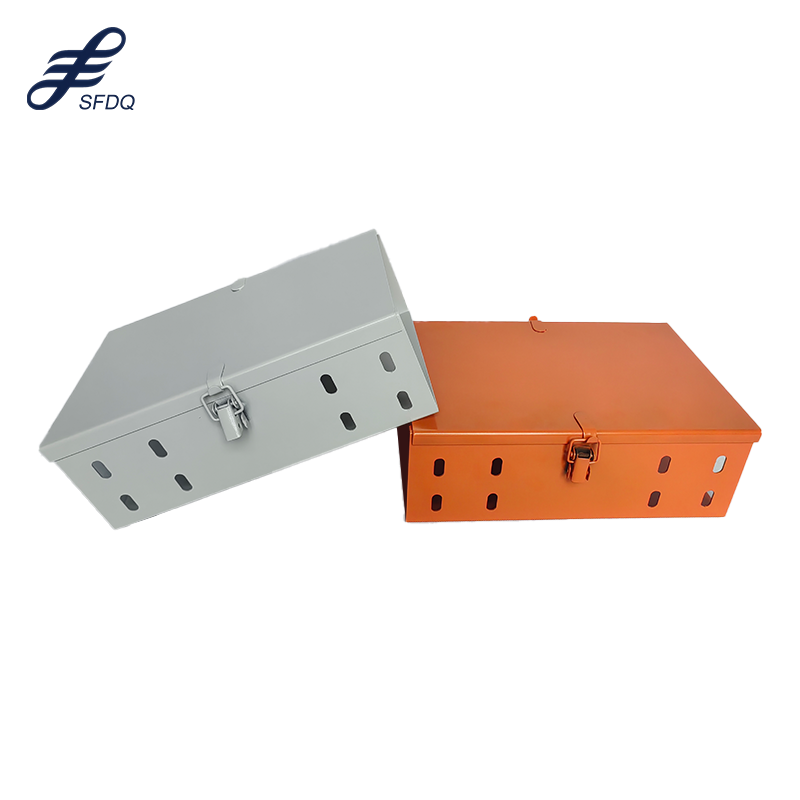
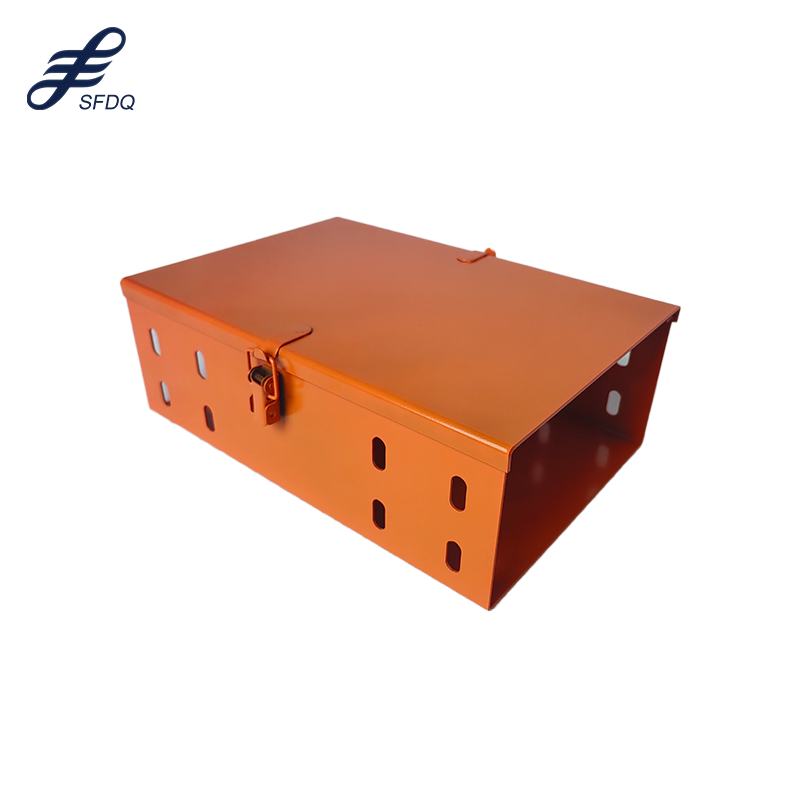
Cable trunking is a protective enclosure—typically square or rectangular in cross-section—with a removable lid, used to house and organize multiple electrical cables. Unlike conduits, which are cylindrical and often require wires to be "fished" through long lengths, trunking allows for cables to be simply "laid in" once the lid is removed.
In the context of industrial machinery, trunking serves as the final protective layer that routes control wires and power leads from the main distribution trays directly into the control cabinets of equipment like circle forming machines. It is governed by safety standards such as IEC 61084, ensuring that the enclosure can withstand mechanical impacts and provide adequate electrical insulation.
Why Trunking is Essential for Modern Facilities
The decision to implement a dedicated trunking system goes beyond simple neatness; it is a strategic move for safety and efficiency.
Physical Protection and Safety
In high-traffic environments like automotive parts manufacturing, wires are exposed to mechanical risks, including foot traffic, equipment vibration, and falling tools. Trunking provides a rigid barrier that prevents accidental punctures or crushing of cable insulation. Furthermore, it eliminates trip hazards by consolidating loose floor-level wiring into a single, wall-mounted or floor-recessed track.
Electromagnetic Interference (EMI) Shielding
Modern automated machinery relies on sensitive digital signals. When low-voltage data lines run too close to high-voltage power leads, EMI can cause communication errors or machine malfunctions. Metal cable trunking, when properly grounded, acts as a Faraday cage, shielding data cables from external noise and preventing power cables from radiating interference to other precision tools like CNC wire bending machines.
Thermal Management and Fire Safety
While trunking is an enclosed system, quality industrial versions are designed with volume capacities that allow for adequate air space. By organizing cables rather than bunching them tightly, you reduce the risk of localized hotspots. In the event of a short circuit, flame-retardant trunking materials (such as PVC-U or galvanized steel) help contain the fire and prevent it from spreading along the cable run.
Selecting the Right Trunking Material
The material of your trunking must be selected based on the specific stressors of your facility’s environment.
PVC-U (Polyvinyl Chloride) Trunking
This is the most common choice for commercial and light industrial applications. It is lightweight, non-conductive, and highly resistant to moisture and chemical corrosion. It is particularly useful in facilities where frequent cleaning is required, as it does not rust.
Galvanized Steel Trunking
For heavy-duty industrial environments like metallurgy plants, steel is the gold standard. It offers superior mechanical strength and maximum EMI shielding. The galvanization process ensures the steel remains protected against rust even in humid or poorly ventilated areas.
Stainless Steel Trunking
In highly corrosive environments or food-grade assembly zones for automotive parts, stainless steel is required. It can withstand aggressive chemical cleaning agents and extreme temperatures without degrading, maintaining the hygiene and structural integrity of the cable run.
Understanding Trunking Profiles and Types
Trunking is not a "one-size-fits-all" product. Different profiles serve different functional roles in the workspace.
Standard Trough Trunking
This is a simple rectangular enclosure used for straight runs along walls or ceilings. It is the primary method for moving large bundles of control wires across a factory floor to reach machinery hubs.
Skirting and Dado Trunking
Commonly used in workshops and laboratories, this trunking is installed at floor level (skirting) or waist height (dado). It often features integrated compartments for power outlets and data ports, allowing technicians to plug in diagnostic tools or laptops directly next to a CNC wire bending machine.
Slotted (Duct) Trunking
Frequently found inside control panels and switchboards, slotted trunking features "fingers" along the sides. This allows wires to exit the trunking at any point to connect to breakers or PLC units. This is essential for the complex internal wiring of circle forming machines where hundreds of connections must be managed in a small space.
Engineering Best Practices: Capacity and Routing
A common mistake in wire management is overstuffing the trunking. This leads to heat buildup and makes future maintenance impossible.
The 45% Fill Rule
International electrical codes typically recommend that the total cross-sectional area of the cables should not exceed 45% of the trunking's internal area. This "fill factor" ensures there is enough air space for heat dissipation and provides room for adding new cables when the facility’s automated machinery is upgraded.
Strategic Routing and Bends
When navigating corners, the trunking must accommodate the "minimum bend radius" of the cables inside. Forcing a thick power cable into a sharp 90-degree corner can damage the internal conductors. High-quality trunking systems offer a range of internal and external "gusseted" bends that provide a smoother curve for the cables.
Installation and Maintenance for Long-Term Value
The "Total Installed Cost" of a trunking system is optimized when the installation is planned with future maintenance in mind.
Modular Fittings and Joints
Professional trunking systems utilize a variety of modular fittings, including tees, crosses, and stop-ends. Using these factory-made components rather than "site-fabricated" cuts ensures a tighter seal and better aesthetic finish. It also ensures that the removable lid fits perfectly across the entire run, allowing for easy access during audits or repairs.
Visual Inspection and Labeling
One of the greatest advantages of trunking is the ability to organize by "function." By using multi-compartment trunking, you can separate power, data, and emergency lines. Labeling the exterior of the trunking at regular intervals helps maintenance teams quickly identify which run feeds which specific machinery, reducing downtime during troubleshooting.
Cost-Benefit Analysis: Why Invest in Professional Trunking?
While loose wiring or cheap plastic clips may seem cost-effective initially, they represent a long-term liability.
Reduced Downtime
In the automotive parts industry, every minute of production counts. A trunking system protects against the "accidental disconnects" and "cable fatigue" that cause unexpected outages. When a fault does occur, the organized nature of the trunking allows for a faster fix.
Future-Proofing the Facility
Industrial production is never static. As you add new CNC wire bending machines or transition to smarter GEO (Geographic and Environmental Optimization) sensors, your trunking system provides the "expansion lanes" needed to accommodate new wiring without a total infrastructure overhaul.
FAQ: Common Trunking Questions
Can I run power and data cables in the same trunking?
Yes, but only if you use a multi-compartment trunking or a physical divider. This is critical to prevent EMI from the power leads from interfering with the precision data signals needed for automated machinery.
Is grounding necessary for PVC trunking?
No, PVC is an insulator. However, if you are using metal trunking, it must be bonded to the facility’s grounding system to ensure safety in the event of a cable fault.
How do I prevent cables from falling out when the lid is removed?
For vertical runs or ceiling-mounted trunking, use "cable retainers" or "bridging pieces." These small clips hold the cables in place even when the lid is taken off for inspection.
What is the difference between trunking and conduit?
Trunking is generally rectangular with a removable lid, designed for multiple cables and easy access. Conduit is a closed tube, designed for fewer cables and offering higher protection against water ingress or high-pressure impact.
Conclusion: The Foundation of an Organized Workspace
Mastering the basics of cable trunking is a fundamental step for anyone involved in automotive, metallurgy, or machinery infrastructure. By moving cables away from the floor and into organized, protected enclosures, you improve safety, enhance signal integrity for your CNC wire bending machines, and create a facility that is ready for future growth.
Cable trunking is not just a plastic or metal box; it is the final touch of a professional electrical design. When executed correctly, it ensures that your high-value equipment is supported by a high-value wiring system that is safe, efficient, and easy to maintain.
Table of Contents
- What is Cable Trunking?
- Why Trunking is Essential for Modern Facilities
- Selecting the Right Trunking Material
- Understanding Trunking Profiles and Types
- Engineering Best Practices: Capacity and Routing
- Installation and Maintenance for Long-Term Value
- Cost-Benefit Analysis: Why Invest in Professional Trunking?
- FAQ: Common Trunking Questions
- Conclusion: The Foundation of an Organized Workspace