 EN
EN


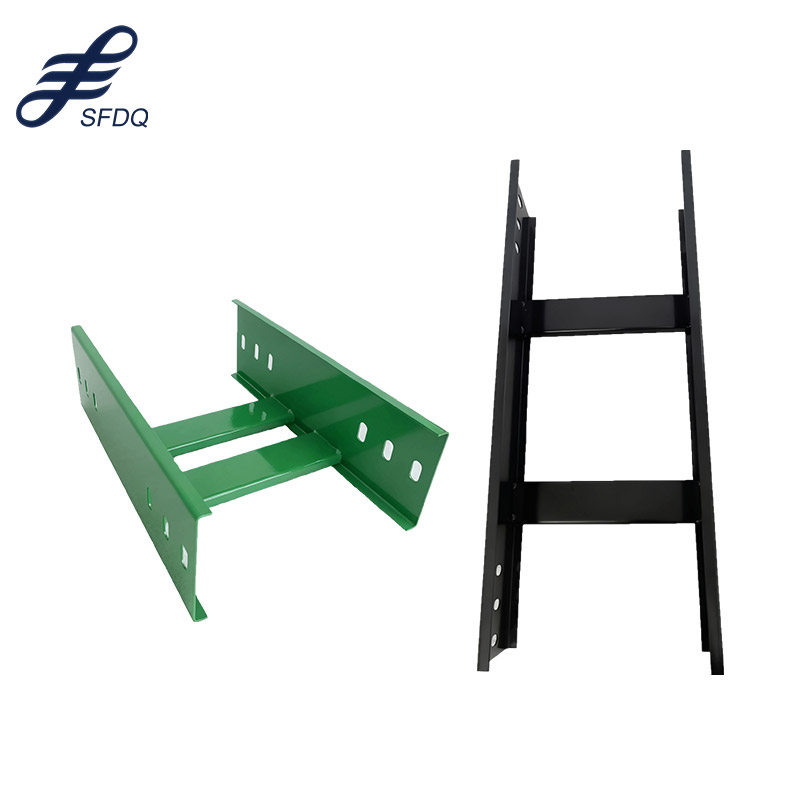
Installing a heavy duty cable tray system is one of the most critical infrastructure decisions in industrial and commercial facilities. The heavy duty cable tray serves as the backbone of electrical distribution, supporting thousands of pounds of cabling while maintaining organized routing and accessibility. Proper installation and support of a heavy duty cable tray directly impacts operational efficiency, safety compliance, and long-term maintenance costs. When implemented correctly, a heavy duty cable tray prevents cable degradation, reduces fire risk, and simplifies future upgrades or troubleshooting.
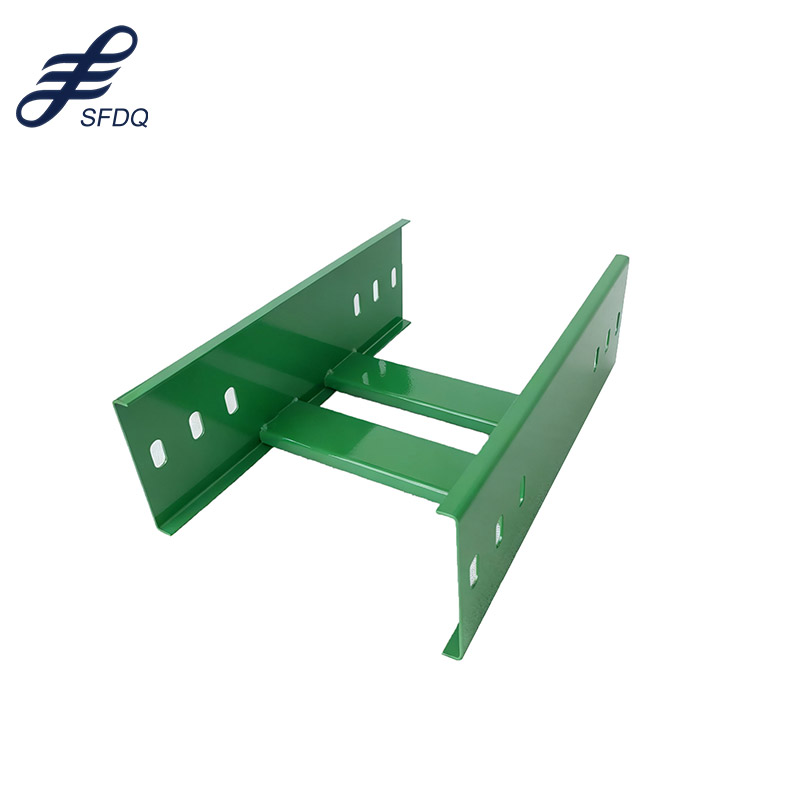
The selection and installation process for a heavy duty cable tray requires careful planning, precise measurement, and adherence to electrical codes and safety standards. Understanding the structural requirements, environmental considerations, and support mechanisms ensures that your heavy duty cable tray installation will perform reliably for decades. This guide walks through the essential steps, technical considerations, and best practices for installing and supporting a heavy duty cable tray system in demanding industrial environments.
Planning and Assessment for Heavy Duty Cable Tray Installation
Load Calculation and Structural Requirements
Before any heavy duty cable tray is installed, engineers must calculate the total load it will carry. This includes the weight of all cables, future expansion capacity, and environmental factors such as snow load or seismic activity. A heavy duty cable tray system typically handles 50 to 150 pounds per linear foot, depending on its construction and material grade. Undersizing the heavy duty cable tray creates a safety hazard and limits operational flexibility, while oversizing increases unnecessary costs and installation complexity.
The structural supports for a heavy duty cable tray must be designed to handle the calculated load plus a safety factor, typically 1.5 to 2.0 times the expected maximum weight. When selecting support brackets and fastening hardware for your heavy duty cable tray, ensure all components are rated for the full calculated load. Inadequate support structures cause deflection, cable damage, and potential cable failures that disrupt operations and compromise safety.
Environmental and Regulatory Considerations
Installation conditions dramatically affect the performance and longevity of your heavy duty cable tray system. Outdoor or corrosive environments require a heavy duty cable tray made from hot-dip galvanized steel or stainless steel to prevent rust and deterioration. Indoor facilities with temperature fluctuations or chemical exposure also benefit from corrosion-resistant materials. Building codes, the National Electrical Code (NEC), and OSHA regulations specify clearances, grounding requirements, and safety protocols that every heavy duty cable tray installation must follow.
Fire codes in many jurisdictions mandate specific fire ratings and separation distances for cable routing systems. A heavy duty cable tray installation in a hazardous location requires additional fire protection measures or specialized cable management products. Before purchasing or installing a heavy duty cable tray, consult local building and electrical authorities to ensure full compliance with all applicable codes.
Installation Procedures and Support Mechanisms
Mounting and Support Bracket Installation
The foundation of any reliable heavy duty cable tray system starts with properly spaced and securely anchored support brackets. Support brackets should be spaced 4 to 6 feet apart for standard industrial applications, though heavier loads or longer spans may require closer spacing. Each support bracket must be bolted securely to structural steel, concrete, or wall studs using grade 8 bolts or equivalent fasteners rated for the calculated load. When installing a heavy duty cable tray, verify that all fasteners are torqued to manufacturer specifications to prevent loosening under vibration or thermal cycling.
Horizontal alignment is critical during heavy duty cable tray installation. Use laser levels or transit instruments to ensure the tray maintains proper slope for cable drainage and consistent clearance from other building systems. The heavy duty cable tray should slope at least 1/4 inch per 10 feet toward drainage points to prevent water accumulation. Vertical runs of a heavy duty cable tray require additional vertical supports and cable straps to prevent sagging and ensure cables remain organized and accessible.
Cable Routing and Spacing Requirements
Once the heavy duty cable tray structure is secured in place, proper cable arrangement ensures optimal performance and future accessibility. Power cables, control cables, and communication cables should be segregated within the heavy duty cable tray to prevent electromagnetic interference and meet code requirements. Cross-connected cables must be bundled and secured at regular intervals, typically every 3 to 4 feet, to prevent shifting and tangling as cables are added or removed from the heavy duty cable tray.
The heavy duty cable tray must maintain adequate clearance from hot equipment, steam pipes, and other heat sources that could degrade insulation. Additionally, the heavy duty cable tray routing should minimize transitions between horizontal and vertical sections, as sharp bends can damage cable jackets and reduce cable lifespan. Plan cable entry points and exit points strategically so that cables enter the heavy duty cable tray from below or the side rather than stressing connectors and junction boxes.
Support, Maintenance, and Long-Term Performance
Ongoing Support and Monitoring
A heavy duty cable tray installation does not end once all cables are in place. Regular inspections and maintenance extend the life of the heavy duty cable tray and catch potential problems before they cause outages. Quarterly visual inspections should verify that support brackets remain tight, fasteners have not loosened due to vibration, and the heavy duty cable tray shows no signs of deflection, rust, or damage. In coastal or chemically aggressive environments, a heavy duty cable tray may require additional protective treatments or accelerated replacement schedules.
Load management is equally important for long-term heavy duty cable tray performance. As operations expand, the heavy duty cable tray may accumulate cables beyond its original design capacity. Periodic audits of actual cable load compared to design specifications help determine when an additional heavy duty cable tray run is needed or when existing runs must be reinforced. Proactive management prevents emergency failures and maintains the electrical system's reliability and safety.
Troubleshooting and System Upgrades
When issues arise with an existing heavy duty cable tray installation, systematic troubleshooting identifies root causes and appropriate corrections. Sagging or deflection in a heavy duty cable tray indicates insufficient support spacing, overloading, or bracket deterioration. Adding intermediate support brackets or redistributing cable load across multiple heavy duty cable tray runs resolves this issue. Corrosion or rust suggests the heavy duty cable tray material is unsuitable for the environment, requiring protective coating application or replacement with a more corrosion-resistant material.
System upgrades to accommodate new equipment or increased capacity demand careful planning of the heavy duty cable tray layout. Rather than overloading an existing heavy duty cable tray, most industrial facilities install parallel runs or transition to a larger, more robust system. Planning for growth during initial heavy duty cable tray installation by slightly oversizing brackets and spacing prevents costly future modifications and operational disruptions.
FAQ
What is the maximum span distance recommended for a heavy duty cable tray between supports?
The maximum span between support brackets for a heavy duty cable tray is typically 4 to 6 feet for standard industrial applications carrying moderate loads. However, the exact spacing depends on the load weight, tray material, and environmental conditions. Heavier loads, longer spans, or dynamic conditions may require support brackets every 3 feet or less. Always consult the manufacturer's engineering data for your specific heavy duty cable tray model to determine the appropriate support spacing for your application.
How often should a heavy duty cable tray system be inspected and maintained?
A heavy duty cable tray installation should be visually inspected at least quarterly to check for loose fasteners, corrosion, deflection, and cable degradation. In harsh environments such as coastal areas or chemical processing facilities, more frequent inspections—monthly or even weekly—may be necessary. Additionally, perform a comprehensive load audit annually to ensure the heavy duty cable tray has not been overloaded beyond its design capacity. Preventive maintenance extends the life of the heavy duty cable tray and reduces unexpected failures.
Can an existing heavy duty cable tray be relocated or expanded after installation?
Yes, an existing heavy duty cable tray can often be relocated or expanded with proper planning and execution. Relocating a heavy duty cable tray requires careful documentation of the current cable configuration, temporary rerouting during the move, and verification that the new location meets all code requirements and clearance standards. Adding sections to an existing heavy duty cable tray is generally easier than relocation, though the new section must match the material, load rating, and fire rating of the original installation. Always consult with an electrical engineer or systems integrator before expanding a heavy duty cable tray to ensure structural integrity and code compliance.