 EN
EN


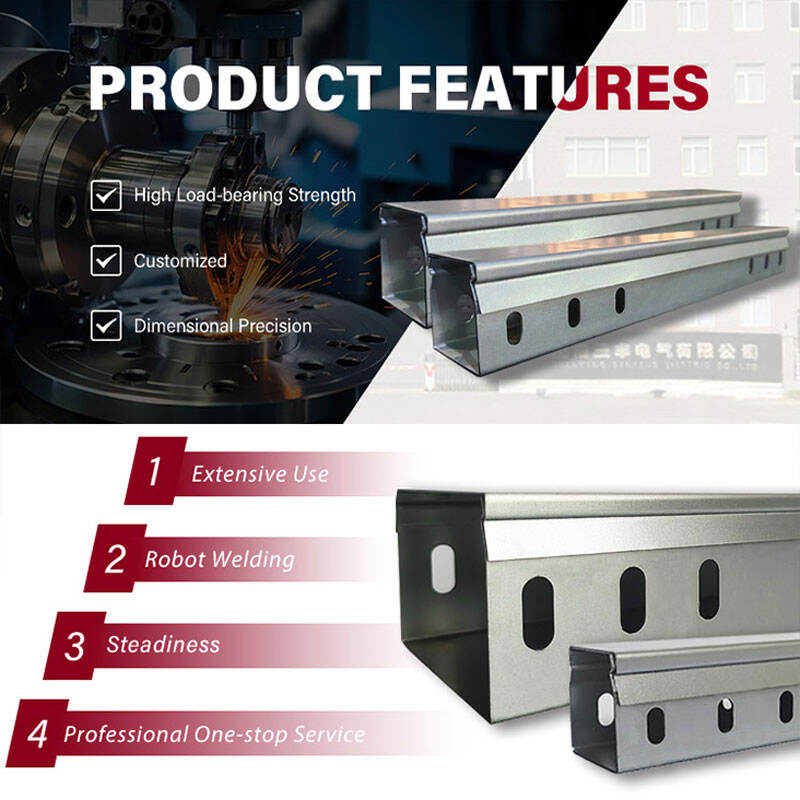
Selecting the right tray cable for industrial power applications requires understanding specific performance requirements, environmental conditions, and installation constraints. Industrial facilities depend on reliable power distribution systems where tray cable serves as the backbone for electrical infrastructure, carrying power from distribution panels to equipment throughout manufacturing plants, processing facilities, and commercial buildings. The selection process involves evaluating conductor materials, insulation properties, voltage ratings, and compatibility with cable tray systems to ensure optimal performance and long-term reliability.
The decision to implement tray cable in industrial power systems stems from its unique design characteristics that address the demanding requirements of modern industrial environments. Unlike traditional conduit wiring methods, tray cable combines multiple conductors within a single cable assembly, reducing installation complexity while maintaining excellent electrical performance. This comprehensive approach to cable selection ensures that industrial facilities can achieve efficient power distribution while meeting safety standards and operational requirements that define successful industrial electrical installations.
Understanding Tray Cable Fundamentals for Industrial Applications
Construction and Design Characteristics
Industrial tray cable features specialized construction that distinguishes it from conventional power cables. The cable assembly typically includes multiple insulated conductors bundled together with an overall jacket designed to withstand the mechanical stresses of cable tray installation. The conductor arrangement allows for efficient heat dissipation while maintaining electrical isolation between phases, making tray cable particularly suitable for high-current industrial applications where thermal management is critical.
The outer jacket of tray cable provides mechanical protection against abrasion, moisture, and chemical exposure commonly encountered in industrial environments. This protective layer is engineered to resist cracking and degradation from UV exposure, temperature fluctuations, and industrial contaminants. The robust construction ensures that tray cable maintains its electrical integrity throughout its operational lifespan, even when subjected to the harsh conditions typical of manufacturing facilities and processing plants.
Electrical Performance Standards
Tray cable must meet specific electrical performance criteria to ensure reliable power distribution in industrial settings. Voltage ratings typically range from 600V to 35kV, with ampacity ratings determined by conductor size, insulation type, and installation conditions. The cable's electrical characteristics include low impedance paths for efficient power transmission and adequate insulation resistance to prevent ground faults and phase-to-phase failures that could disrupt industrial operations.
Temperature ratings for industrial tray cable typically range from 75°C to 90°C for standard applications, with specialty cables available for high-temperature environments exceeding 150°C. These temperature ratings directly impact the cable's current-carrying capacity and must be carefully considered during the selection process. The relationship between temperature, current capacity, and ambient conditions determines the appropriate cable sizing for specific industrial power requirements.
Key Selection Criteria for Industrial Power Systems
Environmental Condition Assessment
Industrial environments present unique challenges that directly influence tray cable selection. Temperature extremes, humidity levels, chemical exposure, and UV radiation all impact cable performance and longevity. Manufacturing facilities may experience wide temperature swings due to process heating and cooling cycles, requiring tray cable with appropriate temperature ratings and thermal stability. Chemical processing plants demand cables with enhanced chemical resistance to prevent jacket degradation from process chemicals and cleaning agents.
Moisture and humidity considerations are particularly important for tray cable installations in facilities with wet processes or outdoor applications. The cable jacket must provide adequate moisture barrier properties to prevent water ingress that could lead to insulation failure and ground faults. Additionally, industrial facilities located in coastal areas or regions with high atmospheric corrosion potential require tray cable with enhanced corrosion resistance to maintain long-term electrical performance.
Load Requirements and Electrical Specifications
Determining the appropriate electrical specifications for tray cable requires careful analysis of load requirements, voltage levels, and power factor considerations. Industrial loads often exhibit varying power demands throughout operational cycles, requiring tray cable with sufficient ampacity to handle peak loads without exceeding temperature ratings. The calculation process must account for load diversity, future expansion requirements, and safety factors to ensure adequate capacity for both current and anticipated future needs.
Voltage drop calculations are essential for tray cable selection in large industrial facilities where cable runs may extend hundreds or thousands of feet. The conductor size and material directly impact voltage drop, affecting equipment performance and energy efficiency. Copper conductors provide superior conductivity compared to aluminum alternatives, though cost considerations may favor aluminum for larger installations. The selection must balance electrical performance requirements with economic constraints to achieve optimal system design.
Installation and Compatibility Considerations
Cable Tray System Integration
The compatibility between tray cable and cable tray systems is fundamental to successful installation and long-term performance. Cable tray systems provide structural support and organization for tray cable installations, with different tray types offering varying levels of support and ventilation. Ladder-type cable trays provide maximum ventilation for heat dissipation, making them suitable for high-current tray cable installations where thermal management is critical for maintaining ampacity ratings.
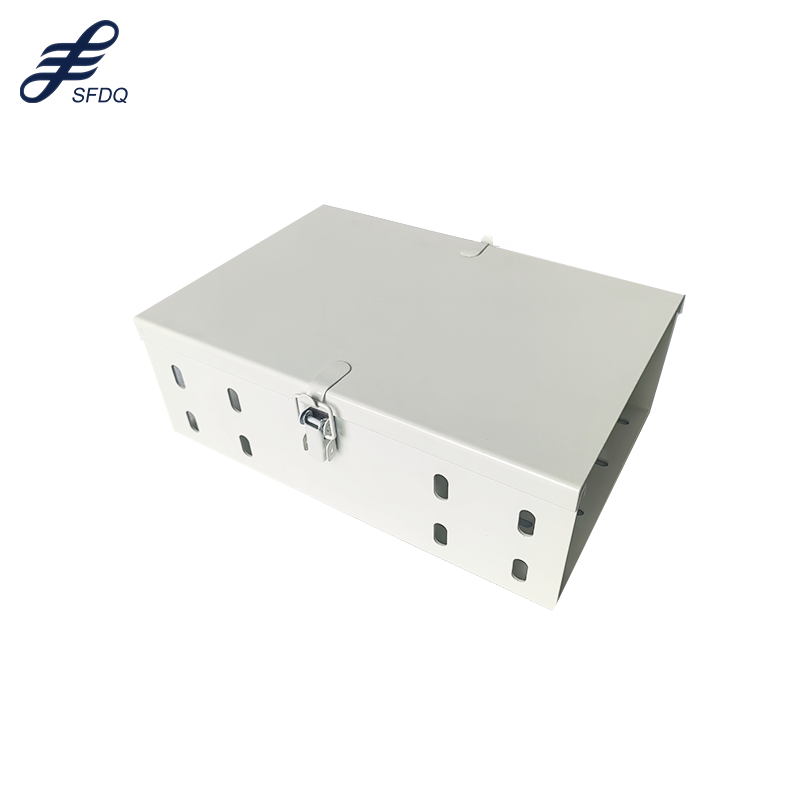
Solid-bottom cable trays offer enhanced mechanical support and protection for tray cable installations in environments with potential for falling objects or debris. The selection of cable tray type must consider the specific requirements of the tray cable being installed, including weight, bend radius limitations, and support spacing requirements. Proper tray selection ensures that the tray cable maintains its specified electrical and mechanical properties throughout the installation process and operational lifespan.
Installation Method Impact on Performance
The installation method significantly affects tray cable performance and determines the appropriate cable specifications for specific applications. Single-layer installations provide optimal heat dissipation and allow maximum current-carrying capacity, while multi-layer installations require derating factors that reduce ampacity. The number of current-carrying conductors and their arrangement within the cable tray system directly impacts the thermal performance of tray cable installations.
Bend radius requirements for tray cable must be carefully observed during installation to prevent conductor damage and insulation stress. Industrial installations often require complex routing around equipment and structural obstacles, making bend radius compliance critical for maintaining cable integrity. The minimum bend radius typically ranges from 6 to 12 times the cable diameter, depending on the specific tray cable construction and manufacturer specifications.
Material Selection and Performance Optimization
Conductor Material Considerations
The choice between copper and aluminum conductors in tray cable applications involves balancing electrical performance, cost, and installation requirements. Copper conductors offer superior conductivity, corrosion resistance, and mechanical properties, making them the preferred choice for critical industrial applications where reliability is paramount. The higher conductivity of copper allows for smaller conductor sizes to achieve equivalent current-carrying capacity compared to aluminum alternatives.
Aluminum conductors provide cost advantages for large tray cable installations where the reduced material cost can significantly impact project economics. However, aluminum tray cable requires special attention to connection techniques and thermal expansion considerations to ensure long-term reliability. The selection between copper and aluminum conductors must consider the specific requirements of the industrial application, including load characteristics, environmental conditions, and maintenance capabilities.
Insulation System Performance
The insulation system in tray cable determines voltage rating, temperature capability, and environmental resistance. Cross-linked polyethylene (XLPE) insulation provides excellent electrical properties and thermal performance, making it suitable for medium voltage tray cable applications in industrial power systems. Ethylene propylene rubber (EPR) insulation offers enhanced flexibility and thermal cycling capability, advantageous for installations subject to thermal stress from load variations.
Thermoplastic insulation materials such as polyvinyl chloride (PVC) and polyethylene provide cost-effective solutions for low voltage tray cable applications. The selection of insulation material must consider the operating environment, temperature requirements, and chemical exposure potential. Advanced insulation systems may incorporate moisture barriers, flame retardant properties, and enhanced thermal stability to meet specific industrial application requirements.
Safety and Code Compliance Requirements
National Electrical Code Compliance
Tray cable selection must comply with National Electrical Code (NEC) requirements that govern installation methods, ampacity ratings, and safety considerations. Article 392 of the NEC specifically addresses cable tray installations and defines the types of cables permitted in different tray configurations. The code requirements ensure that tray cable installations maintain adequate safety margins and provide reliable electrical service throughout their operational lifespan.
Fire safety considerations are particularly important for tray cable installations in industrial facilities where the consequences of electrical fires can be severe. The NEC requires flame-retardant cable constructions for most tray cable applications, with specific requirements for plenum applications and areas with special fire safety concerns. Compliance with these requirements ensures that tray cable installations do not contribute to fire spread and maintain electrical integrity during emergency conditions.
Industry-Specific Safety Standards
Industrial facilities in specific sectors may be subject to additional safety standards that influence tray cable selection. Petrochemical facilities require cables with enhanced fire resistance and low smoke generation properties to minimize risks in potentially explosive atmospheres. Food processing facilities may require cables with FDA-approved jacket materials and enhanced washdown resistance to maintain sanitary conditions while providing reliable electrical service.
Mining and heavy industrial applications often require tray cable with enhanced mechanical protection and resistance to physical damage from equipment operations. These applications may specify armored cable constructions or enhanced jacket thickness to provide additional protection against mechanical stress. The selection process must consider these industry-specific requirements to ensure compliance with applicable safety standards and operational requirements.
FAQ
What factors determine the appropriate ampacity rating for industrial tray cable?
The ampacity rating for industrial tray cable depends on conductor size, insulation temperature rating, ambient temperature, installation method, and the number of current-carrying conductors in the cable tray. Single-layer installations in well-ventilated trays provide maximum ampacity, while multi-layer installations require derating factors. The calculation must also consider load diversity, future expansion needs, and safety factors to ensure adequate capacity for both current and anticipated loads.
How does environmental exposure affect tray cable jacket material selection?
Environmental factors such as UV radiation, chemical exposure, temperature extremes, and moisture significantly impact jacket material selection for tray cable. Outdoor installations require UV-resistant jackets, while chemical processing environments need enhanced chemical resistance. High-temperature applications require specialized thermoplastic or thermoset jacket materials, and wet environments demand jackets with superior moisture barrier properties to prevent water ingress and insulation failure.
What are the key differences between copper and aluminum conductor tray cable?
Copper conductor tray cable offers superior conductivity, corrosion resistance, and mechanical properties but comes at higher material cost. Aluminum conductor tray cable provides cost advantages for large installations but requires larger conductor sizes to achieve equivalent ampacity and special attention to connection techniques. The selection depends on project economics, performance requirements, and long-term maintenance considerations for the specific industrial application.
How do bend radius requirements impact tray cable routing in industrial installations?
Bend radius requirements for tray cable typically range from 6 to 12 times the cable diameter and directly impact routing flexibility in industrial installations. Tighter bend radius requirements limit routing options around equipment and structural obstacles, potentially requiring additional cable tray supports or alternative routing paths. Compliance with manufacturer-specified bend radius limits is essential to prevent conductor damage and maintain cable electrical integrity throughout the installation process.
Table of Contents
- Understanding Tray Cable Fundamentals for Industrial Applications
- Key Selection Criteria for Industrial Power Systems
- Installation and Compatibility Considerations
- Material Selection and Performance Optimization
- Safety and Code Compliance Requirements
-
FAQ
- What factors determine the appropriate ampacity rating for industrial tray cable?
- How does environmental exposure affect tray cable jacket material selection?
- What are the key differences between copper and aluminum conductor tray cable?
- How do bend radius requirements impact tray cable routing in industrial installations?