 EN
EN


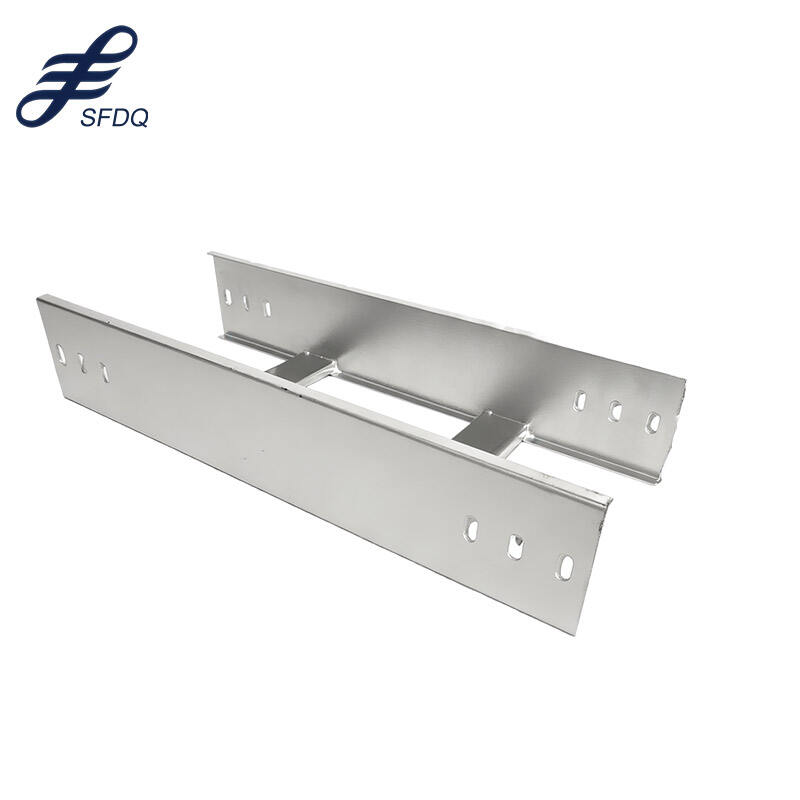
In the grand architecture of an industrial facility, the most critical systems are often the ones tucked away overhead or beneath the floorboards. While the spotlight often shines on high-speed CNC wire bending machines or the intricate robotics of an automotive parts assembly line, the silent "nervous system" that powers these titans is the electrical cabling. For heavy-duty power distribution, standard conduits and light-duty trays often fall short. This is where the cable ladder—a structural powerhouse—comes into play.
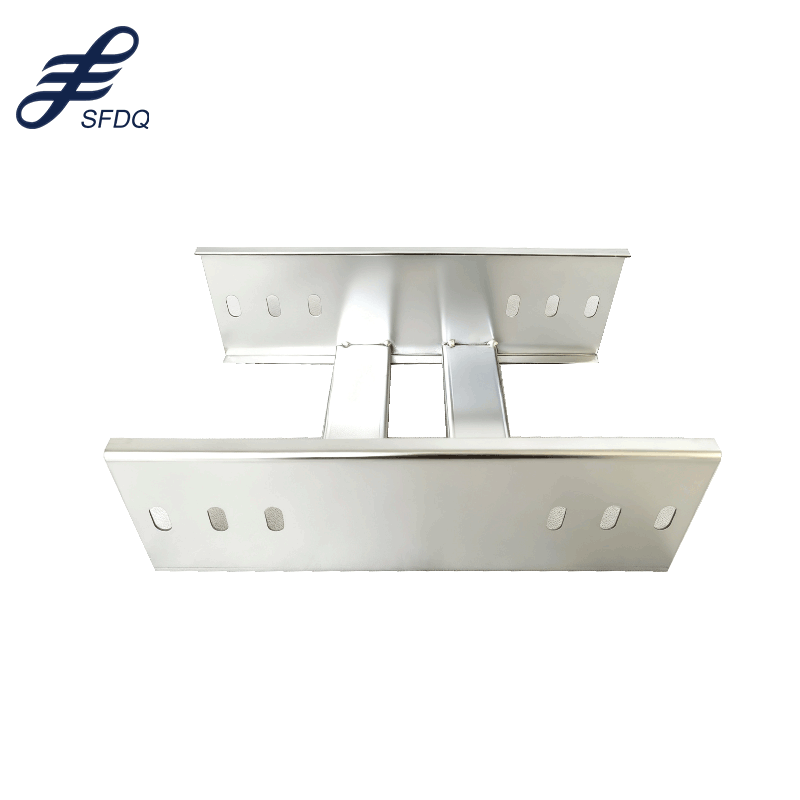
Selecting the right support system for heavy Tray Cables (TC) is not merely a matter of convenience; it is a fundamental engineering decision that affects the safety, thermal efficiency, and long-term durability of the entire plant. This guide explores why cable ladders are the undisputed champions for supporting heavy cables in sectors ranging from metallurgy to large-scale manufacturing, emphasizing the technical benefits that drive operational excellence.
Structural Integrity and Load-Bearing Superiority
The primary reason engineers specify cable ladders for metallurgy plants and heavy machinery hubs is their superior weight-to-strength ratio. In these environments, power requirements are immense, necessitating thick, multi-conductor cables that carry hundreds of amps and weigh several pounds per linear foot.
Resistance to Deflection
Unlike wire mesh trays, which can sag under the weight of heavy power leads, or plastic conduits that may warp over time, metal cable ladders are designed to resist deflection. A high-quality ladder consists of two longitudinal side rails connected by individual transverse rungs. This configuration provides a rigid frame that can maintain its shape over long spans—often 12 to 20 feet—between structural supports. This reduces the number of support hangers required, directly lowering material and labor costs during installation.
Even Weight Distribution
When dealing with large-diameter cables (such as 500 kcmil or larger), the pressure exerted on the support surface is concentrated. The flat, wide rungs of a cable ladder distribute this pressure more evenly than the thin wires of a mesh tray. This prevents the cable's outer jacket from deforming over years of service, which is critical for maintaining the insulation integrity of high-voltage lines.
Superior Heat Dissipation and Ampacity Optimization
One of the most significant, yet often overlooked, advantages of cable ladders is their open-air design. Electricity generates heat, and in heavy-duty industrial applications, managing that heat is a matter of both safety and economics.
The Physics of Natural Convection
When cables are bundled in a closed conduit or a solid-bottom tray, heat is trapped within the enclosure. This environmental heat buildup forces engineers to "derate" the cables, meaning a larger, more expensive cable must be used to carry the same amount of current safely. Cable ladders, however, provide virtually 100% air circulation around the conductors. This natural convection allows heat to dissipate rapidly into the ambient environment.
Economic Impact of Cooler Cables
Because heat can escape freely, cables in a ladder system can operate at their maximum rated ampacity. For a facility managing a fleet of automated machinery, this can mean the difference between using a smaller gauge cable versus a much larger, more expensive one. Over a kilometer of cabling, the cost savings in copper or aluminum can be staggering. Furthermore, cooler-running cables have a longer insulation life, reducing the risk of premature failure and costly plant downtime.
Installation Efficiency and Labor Savings
In the competitive world of industrial construction, time is the most expensive commodity. Cable ladders are engineered for "rapid deployment," providing several logistical advantages that streamline the installation of heavy infrastructure.
Ease of Cable Pulling
Pulling heavy cables through a long run of rigid conduit is a labor-intensive process, often requiring mechanical tuggers and excessive amounts of pulling lubricant. With a cable ladder, the "pull" is significantly easier. The open rungs allow installers to place the cable into the ladder from the side or drop it in from above in many configurations. This accessibility reduces the physical strain on the installation crew and speeds up the project timeline.
Simplified Transitions and Routing
Modern industrial layouts, especially those housing CNC wire bending machines, are complex. Cables must often transition from horizontal runs to vertical drops to reach individual machine control cabinets. Cable ladders offer a wide array of standardized fittings—tees, crosses, and internal/external risers—that allow for smooth, code-compliant transitions without the need for custom-bent conduit.
Maintenance, Inspection, and Future-Proofing
In the automotive parts industry, production lines are frequently reconfigured to accommodate new vehicle models or part designs. The "static" nature of conduit systems makes these upgrades difficult and expensive.
Total Visual Accessibility
One of the core tenets of industrial safety is the ability to inspect infrastructure. Cable ladders provide 100% visibility of the cable run. Maintenance teams can easily spot signs of jacket wear, overheating, or pest damage without opening a single junction box. This transparency is vital for complying with safety audits and ensuring that the plant’s power distribution system remains healthy.
Scalability for Expansion
When a new circle forming machine or a specialized welding robot is added to a production floor, adding a new power line is a simple task with a ladder system. Installers can simply lay the new cable on top of the existing ones (within the limits of the tray fill regulations) and secure it with cable ties. There is no need to tear down existing infrastructure.
Technical Selection: Materials and Finishes
To maximize the advantages of a cable ladder, the material must match the environmental stressors of the facility.
| Material / Finish | Ideal Environment | Key Advantage |
| Hot-Dip Galvanized | General Manufacturing | Excellent "sacrificial" corrosion protection for steel. |
| Aluminum Alloy | High Moisture Areas | High strength-to-weight ratio; naturally rust-resistant. |
| Stainless Steel | Metallurgy / Chemical | Ultimate resistance to aggressive chemical vapors. |
| Fiberglass (FRP) | Highly Corrosive / Salty | Non-conductive and immune to most salts and acids. |
FAQ: Common Technical Questions
Can cable ladders support both power and data cables?
Yes, provided they are separated by a grounded barrier strip. This prevents electromagnetic interference (EMI) from the heavy power cables from disrupting the sensitive signals used by automated machinery.
What is the standard rung spacing for heavy cables?
The most common spacing is 9 inches (225mm). This provides enough support to prevent cable sagging while leaving ample room for cables to exit the tray through the rungs to reach equipment below.
How do cable ladders perform in fire scenarios?
Because they are typically made of steel or aluminum, they have a high melting point. Furthermore, unlike conduits, they do not act as a chimney to spread smoke and flames between rooms, provided fire-stops are used at wall penetrations.
Is grounding necessary for metal cable ladders?
Absolutely. Metal cable ladders must be electrically continuous and bonded to the building's grounding system to ensure safety in the event of a cable fault.
Conclusion: The Backbone of Industrial Reliability
The advantages of using cable ladders for heavy cables are multifaceted, touching on every aspect of industrial operations from the initial capital expenditure to daily maintenance. Their ability to handle massive loads, optimize electrical performance through heat dissipation, and provide a flexible platform for future growth makes them the superior choice for modern manufacturing environments.
Whether you are designing a new automotive parts assembly plant or upgrading the power feeds for a heavy metallurgy operation, the cable ladder provides the reliable foundation your equipment deserves. By investing in a high-quality, engineered ladder system, you are not just buying a metal rack—you are ensuring the uptime, safety, and efficiency of your facility for decades to come.
Table of Contents
- Structural Integrity and Load-Bearing Superiority
- Superior Heat Dissipation and Ampacity Optimization
- Installation Efficiency and Labor Savings
- Maintenance, Inspection, and Future-Proofing
- Technical Selection: Materials and Finishes
- FAQ: Common Technical Questions
- Conclusion: The Backbone of Industrial Reliability