 EN
EN


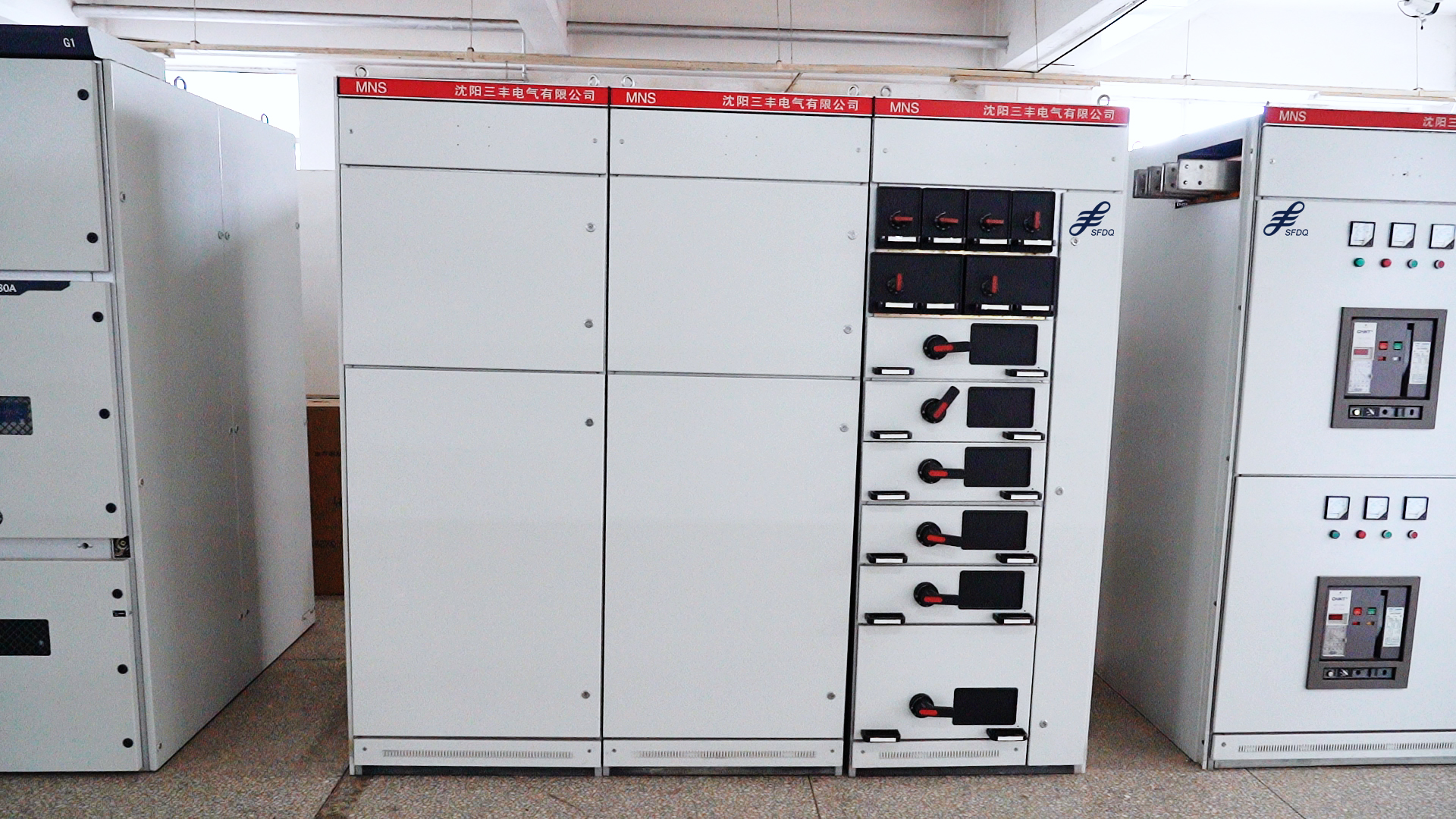
A distribution box serves as the critical interface between power sources and electrical equipment in outdoor industrial environments. Protecting delicate electrical components from harsh weather conditions, moisture, and environmental contaminants requires a distribution box specifically designed for outdoor applications. Whether deployed in manufacturing facilities, utility installations, or remote infrastructure projects, selecting the right distribution box directly impacts operational reliability, maintenance costs, and long-term equipment performance. This guide explains how weatherproof distribution boxes function, why they matter for outdoor installations, and what factors determine successful outdoor distribution box deployment.
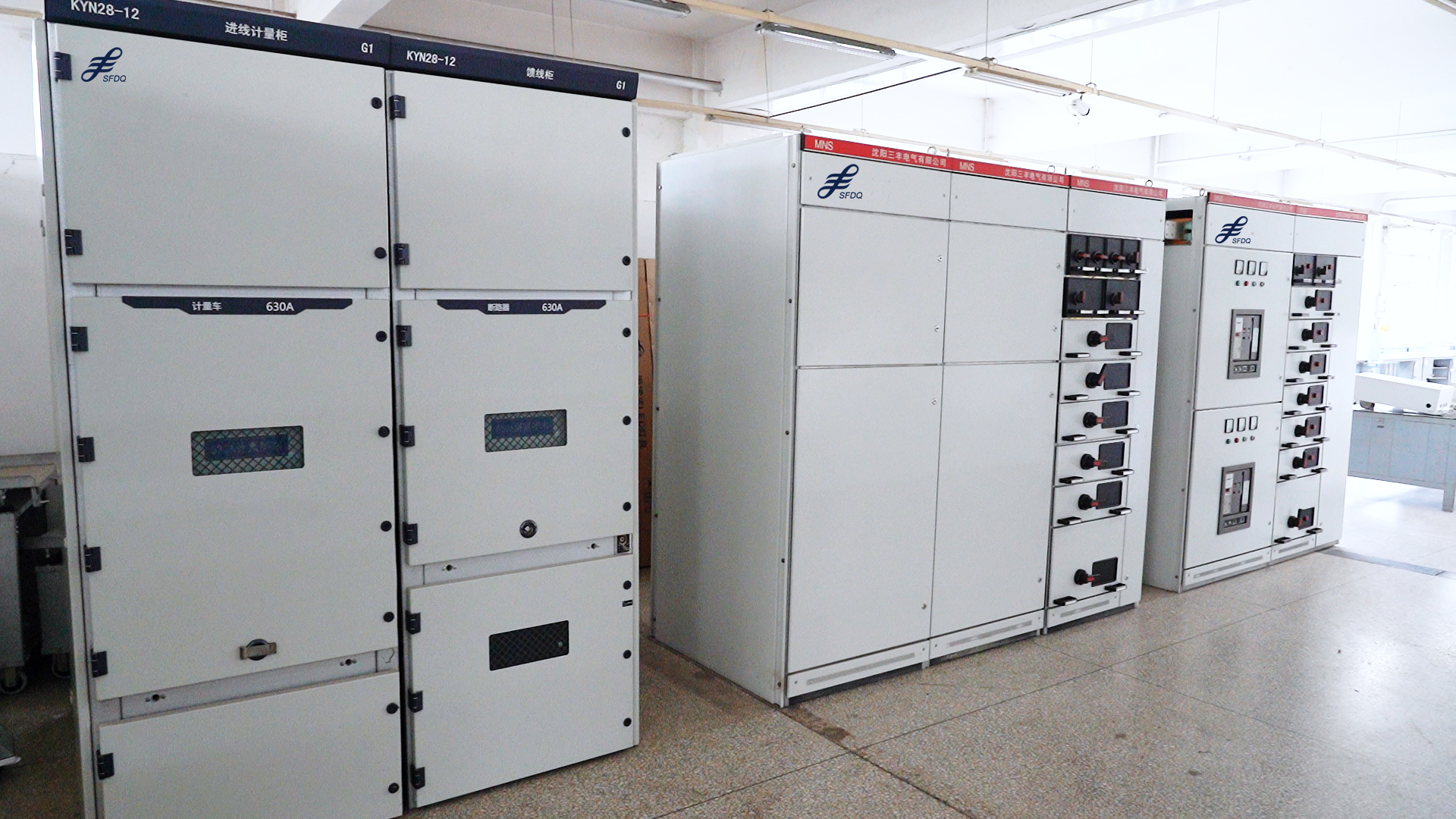
Outdoor electrical infrastructure demands protection far beyond standard indoor distribution box solutions. Weatherproof materials, sealed enclosures, and corrosion-resistant construction ensure that your distribution box maintains electrical integrity even when exposed to rain, UV radiation, temperature fluctuations, and salt air. Industrial facilities, utility companies, and infrastructure operators rely on robust distribution box engineering to minimize downtime, reduce maintenance frequency, and comply with environmental regulations. Understanding the specifications and design principles behind weatherproof distribution box technology helps you make informed purchasing and installation decisions.
Understanding Weatherproof Distribution Box Construction
Material Selection and Corrosion Resistance
A distribution box intended for outdoor use must employ materials that resist corrosion and environmental degradation. Stainless steel, powder-coated steel, and polyester composite materials serve as the primary construction choices for outdoor distribution box enclosures. Each material option offers distinct advantages: stainless steel provides superior corrosion resistance in coastal environments, powder-coated steel combines affordability with protective finishes, and composite materials eliminate rust concerns entirely. The distribution box housing must also feature reinforced seams, sealed edges, and drain provisions to prevent water accumulation. Metal distribution box designs typically incorporate ventilation louvers with rainwater deflection geometry, allowing airflow while protecting the distribution box interior from direct water entry.
Sealing and Gasket Systems
Effective moisture protection depends on the distribution box gasket and sealing mechanism quality. High-grade EPDM rubber gaskets create watertight seals around all distribution box entry points, terminal connections, and removable covers. A properly sealed distribution box maintains internal air quality and prevents condensation accumulation during temperature cycling. The distribution box gasketing system must accommodate thermal expansion and contraction without compromising the seal integrity. Regular inspection protocols verify that distribution box seals remain intact and functional throughout the equipment lifecycle. Field testing confirms that industrial-grade distribution box seals maintain effectiveness across extended temperature ranges, from sub-zero conditions to high-heat industrial environments.
Durability Standards and Performance Specifications
Ingress Protection Ratings
The distribution box ingress protection rating, designated by IP codes, quantifies environmental protection performance. IP65-rated distribution boxes provide complete dust protection and water jet resistance, essential for industrial outdoor environments. IP66-rated distribution box enclosures offer superior water resistance against high-pressure washdown procedures common in manufacturing facilities. The distribution box IP rating determines its suitability for specific outdoor applications and environmental hazard levels. Outdoor electrical codes typically mandate IP65 minimum ratings for distribution boxes in exposed installations. Verifying that your selected distribution box meets or exceeds applicable IP standards ensures regulatory compliance and operational safety. Higher-rated distribution box solutions provide additional resilience for extreme weather scenarios and maritime applications.
Temperature and Environmental Stress Testing
Certified distribution box designs undergo rigorous environmental stress testing to validate weatherproof performance claims. Thermal cycling tests confirm that distribution box materials and seals maintain integrity across temperature extremes. Salt spray corrosion tests, UV exposure trials, and humidity chamber assessments validate long-term distribution box durability in challenging climates. Third-party certification programs evaluate distribution box performance against international standards, providing independent verification of protective claims. Industrial purchasers should verify that distribution boxes carry relevant certifications such as CE marking, UL listings, or equivalent regional approvals. A distribution box engineered to withstand these standardized stress conditions typically performs reliably in actual outdoor environments. Documentation of distribution box environmental test results provides confidence in durability specifications and maintenance projections.
Installation and Maintenance Considerations
Proper Mounting and Drainage
Distribution box installation location and orientation significantly influence weatherproof performance. Positioning the distribution box away from direct water spray, under structural overhangs, or within protective utility structures extends equipment life. The distribution box mounting surface must provide stable support and allow adequate clearance for cable entry and maintenance access. Drainage provisions within the distribution box design must remain unobstructed to prevent internal water pooling. Sloped mounting surfaces encourage water runoff away from distribution box cabling and terminal areas. Elevated mounting positions keep the distribution box above ground-level moisture accumulation and flooding risks. Professional installation of weatherproof distribution boxes incorporates these best practices to optimize performance and minimize failure probability.
Maintenance Schedules and Inspection Protocols
Even the most durable distribution box requires periodic maintenance to sustain weatherproof integrity. Regular visual inspections identify damage to distribution box seals, corrosion initiation, or compromised gasket conditions requiring replacement. Scheduled distribution box maintenance includes verifying seal effectiveness, cleaning ventilation areas, and confirming cable entry point integrity. Maintenance protocols for distribution boxes operating in harsh environments may require more frequent attention intervals. Documentation of distribution box inspection findings creates maintenance records useful for warranty claims and equipment lifecycle planning. Preventive maintenance approaches applied to weatherproof distribution boxes typically reduce unexpected failures and emergency repair costs. Establishing formal distribution box maintenance procedures extends equipment operational life and ensures consistent performance throughout the service period.
Application Scenarios and Industry Requirements
Industrial Manufacturing and Utility Infrastructure
Manufacturing facilities deploy weatherproof distribution boxes to protect electrical distribution systems serving outdoor processes and equipment. Utility companies utilize outdoor distribution box technology for power distribution, substation protection, and telecommunications support structures. Renewable energy installations, including solar farms and wind turbine facilities, depend on robust distribution box solutions for reliable power management. The distribution box must support heavy electrical loads while maintaining safety margins and thermal performance standards. Mining operations, agricultural facilities, and construction sites all require specialized distribution box configurations for site-specific environmental conditions. Specifying the appropriate distribution box category for industrial applications ensures equipment protection and operational continuity.
Coastal and Extreme Climate Applications
Coastal installations present unique challenges for distribution box longevity due to salt air corrosion and continuous moisture exposure. Distribution box materials rated for marine environments require superior corrosion resistance and enhanced sealing specifications. Extreme climate regions, including desert installations with temperature extremes or arctic environments with freeze-thaw cycles, demand distribution box designs engineered for environmental stress tolerance. The distribution box selected for challenging climates must undergo extended validation testing to demonstrate reliable performance. Geographic location, prevailing weather patterns, and seasonal variation all factor into distribution box specification decisions. Environmental assessment during procurement ensures the distribution box selection aligns with actual site conditions and operational demands.
FAQ
What makes a distribution box weatherproof rather than standard indoor equipment?
Weatherproof distribution boxes incorporate sealed enclosures, corrosion-resistant materials, enhanced gasket systems, and ventilation design that prevents water ingress while allowing air circulation. Unlike standard indoor distribution box designs, outdoor-rated units feature reinforced seams, elevated drain provisions, and materials selected specifically to resist UV radiation, temperature cycling, and moisture exposure. A distribution box designated as weatherproof must achieve IP65 minimum ratings and undergo environmental stress testing to validate protection claims, ensuring it withstands direct rainfall, humidity, and environmental contaminants inherent to outdoor installations.
How frequently should a weatherproof distribution box undergo maintenance inspections?
Maintenance frequency for distribution boxes depends on environmental severity, operational demands, and manufacturer recommendations. Facilities in mild climates may conduct distribution box inspections annually, while harsh coastal or industrial environments warrant semi-annual or quarterly assessment schedules. Distribution box inspection protocols should examine seals, gasket conditions, corrosion signs, cable entry integrity, and drainage functionality. Many facility managers establish distribution box maintenance routines synchronized with broader electrical system inspections to optimize labor efficiency. Documentation of distribution box maintenance findings supports warranty compliance, regulatory audits, and lifecycle cost analysis calculations.
Can a standard indoor distribution box be retrofitted for outdoor use with protective additions?
Retrofitting standard indoor distribution boxes with external protective covers or gasket modifications provides limited weatherproof improvement compared to purpose-built outdoor distribution box designs. While temporary protective measures may offer brief protection in moderately weathered environments, they typically fail to achieve required IP65 ratings or long-term durability standards. Purpose-designed outdoor distribution box solutions incorporate integrated sealing, corrosion-resistant materials, and validated environmental performance that retrofitted solutions cannot replicate. Investing in properly engineered weatherproof distribution boxes from initial installation ensures regulatory compliance, predictable performance, and reduced maintenance costs throughout the equipment service life.