 EN
EN


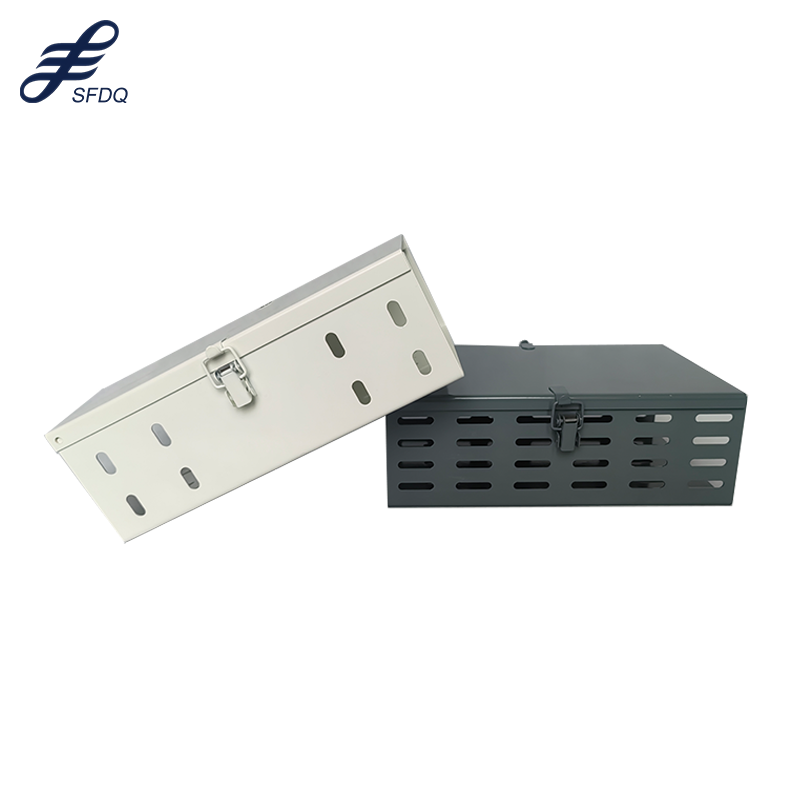
In modern electrical installations across industrial facilities, commercial buildings, and infrastructure projects, organizing and protecting cables efficiently is essential for operational safety and system reliability. Among the most effective solutions for this purpose is a structured support system that allows cables to be routed cleanly while remaining accessible for maintenance and future expansion. Understanding what is cable tray and how it functions is fundamental for engineers, facility managers, and electrical contractors who design and maintain power distribution and communication networks.
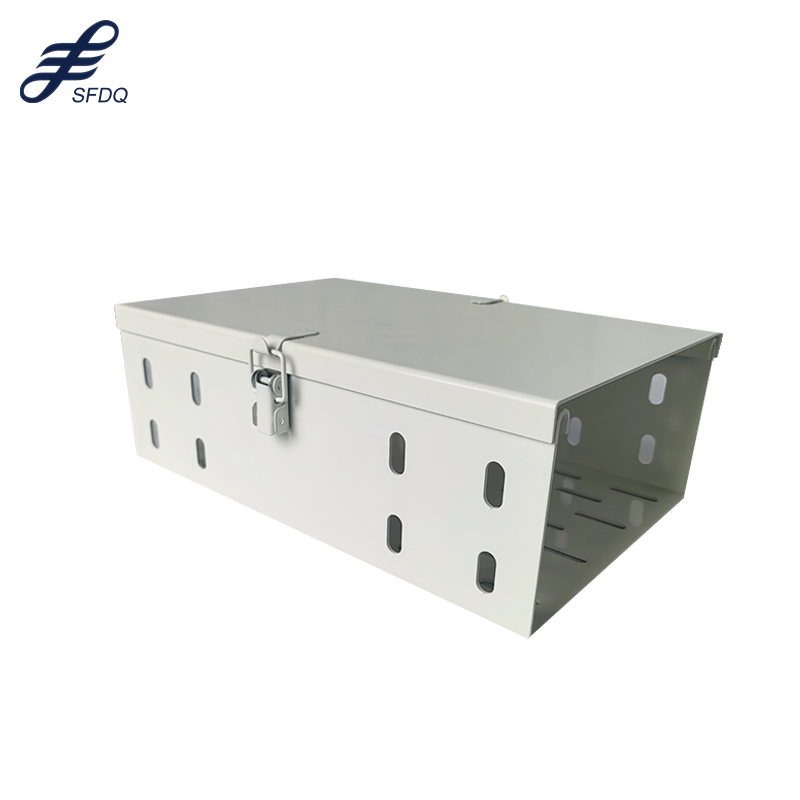
A cable tray is a prefabricated structural system designed to support insulated electrical cables used for power distribution, control systems, and telecommunications. Unlike conduit systems that enclose cables within tubes, cable trays provide an open or semi-enclosed pathway that allows cables to be laid in organized horizontal or vertical runs. This system consists of metal or non-metallic framework units that are assembled to form continuous rigid structures, enabling cables to span distances between connection points while maintaining proper spacing, ventilation, and protection from environmental hazards. The straightforward definition of what is cable tray centers on its role as a mechanical support structure that combines load-bearing capacity with accessibility and flexibility in cable management.
Core Components and Physical Characteristics
Structural Elements and Design Features
When examining what is cable tray from a structural perspective, the system comprises several key components that work together to create a robust cable support framework. The primary element is the tray section itself, which can take various forms including ladder-style configurations with two parallel side rails connected by rungs, solid-bottom trays with continuous metal sheets, and ventilated trough designs featuring perforated bottoms. These sections typically range from two to four feet in width and are manufactured in standard lengths of eight to twelve feet for ease of handling and installation.
The side rails of a what is cable tray system provide the main structural strength and are engineered to support substantial cable loads while maintaining dimensional stability under stress. These rails are constructed from materials such as galvanized steel, stainless steel, or aluminum, with thickness and height dimensions determined by the anticipated cable weight and span distance. Connection fittings including straight connectors, elbows, tees, and crosses enable the tray system to navigate architectural features and change direction as needed throughout the installation route.
Material Composition and Surface Treatments
The materials used in cable tray construction directly impact durability, corrosion resistance, and suitability for different environmental conditions. Steel cable trays, the most common type, are typically manufactured from cold-rolled steel and then treated with protective finishes to prevent rust and degradation. Pre-galvanized steel trays receive a zinc coating before fabrication, while hot-dip galvanized trays are immersed in molten zinc after assembly, providing superior corrosion protection for outdoor and corrosive environments.
Understanding what is cable tray material selection involves recognizing that aluminum trays offer lightweight alternatives with natural corrosion resistance, making them ideal for marine environments and chemical processing facilities. Stainless steel trays provide maximum corrosion resistance for the most demanding applications, though at higher cost. Non-metallic cable trays constructed from fiberglass-reinforced plastic or PVC offer advantages in highly corrosive environments or where electromagnetic interference must be minimized, though they have lower load-bearing capacity compared to metal systems.
Load Capacity and Dimensional Standards
The engineering definition of what is cable tray includes specific load-bearing specifications that determine how much cable weight the system can safely support. Manufacturers rate cable trays based on their allowable load per unit length, typically expressed in pounds per foot of tray length. These ratings account for both the static weight of installed cables and dynamic forces from installation activities or cable movement during thermal expansion and contraction cycles.
Standard cable tray widths range from six inches to thirty-six inches, with the most common sizes being twelve, eighteen, and twenty-four inches. The selection of appropriate width depends on the number and size of cables to be installed, following fill capacity guidelines that typically limit cable fill to forty percent of the tray's cross-sectional area for power cables and fifty percent for control cables. The rail height, ranging from two to six inches, influences both the structural strength and the cable fill depth, with deeper rails providing greater load capacity for longer unsupported spans.
Functional Purpose and Application Advantages
Cable Organization and Routing Efficiency
Exploring what is cable tray functionality reveals that these systems provide superior cable organization compared to alternative routing methods. By creating dedicated pathways for electrical and communication cables, trays prevent the tangled, disorganized cable masses that can develop when cables are simply draped across structural members or bundled together without proper support. This organized approach enables clear identification of cable runs, simplifies troubleshooting efforts, and ensures that cables maintain proper bend radius requirements to prevent damage to conductors and insulation.
The open design inherent in understanding what is cable tray allows for natural air circulation around installed cables, which is critical for heat dissipation from power conductors carrying substantial electrical loads. Unlike enclosed conduit systems where heat can accumulate, cable trays enable convection cooling that helps maintain cable temperatures within safe operating limits. This thermal management capability allows higher ampacity ratings for cables installed in trays compared to those in conduits, often resulting in the ability to use smaller conductor sizes for the same electrical load.
Installation Flexibility and Future Expansion
A key aspect of what is cable tray advantages lies in the system's inherent flexibility for both initial installation and future modifications. Cable trays can be installed and populated with cables progressively, allowing electrical systems to be brought online in phases as construction projects advance or as operational needs develop. This staged approach reduces upfront installation time and allows project schedules to accommodate changes without significant rework.
The accessibility that defines what is cable tray systems makes adding, removing, or replacing individual cables straightforward without disturbing adjacent circuits. In comparison to pulling cables through conduit, which requires fishing lines and can be limited by the number of bends in the conduit run, cables can be simply laid into trays along their entire length. This ease of access dramatically reduces labor costs for both initial installation and subsequent modifications, making cable tray systems particularly economical for facilities that anticipate frequent electrical system updates or expansions.
Maintenance Access and System Visibility
Understanding what is cable tray from a maintenance perspective highlights the operational benefits of visual cable inspection and easy access for testing and repair activities. The open or semi-open construction allows maintenance personnel to visually assess cable condition, identify damaged insulation, detect overheating through discoloration, and locate specific cables for testing without extensive disassembly. This visibility contrasts sharply with conduit systems where cable problems often remain hidden until circuit failures occur.
The practical definition of what is cable tray includes its role in facilitating cable pulling and replacement operations. When cables reach the end of their service life or require upgrading to higher capacity conductors, the tray system enables straightforward removal and installation of new cables without the friction and pulling tensions associated with conduit systems. This accessibility reduces downtime during maintenance activities and enables electrical system upgrades to be completed more quickly and cost-effectively than would be possible with alternative cable routing methods.
Types and Configuration Options
Ladder-Style Cable Tray Systems
When professionals ask what is cable tray in its most economical form, the ladder-style configuration typically represents the answer. This design consists of two longitudinal side rails connected by transverse rungs spaced at regular intervals, creating a framework that resembles a horizontal ladder. The open structure provides maximum ventilation for cable cooling and offers the lightest weight per foot among cable tray types, which reduces support requirements and simplifies handling during installation.
Ladder cable trays excel in applications involving large power cables that generate significant heat during operation, as the widely spaced rungs allow unrestricted air circulation around all cable surfaces. The definition of what is cable tray efficiency in high-current applications often points to ladder-style systems, which accommodate cables with substantial bending radii and provide clear pathways for routing individual circuits. The rung spacing, typically ranging from six to twelve inches, can be specified based on the size and stiffness of the cables being supported, with closer spacing used for smaller cables and wider spacing for large conductors.
Solid-Bottom and Ventilated Trough Designs
Solid-bottom cable trays represent another answer to what is cable tray when applications require maximum cable protection or when small cables need additional support. These trays feature continuous metal bottoms with raised side rails, creating an enclosed channel that shields cables from falling objects, prevents small cables from sagging between supports, and contains cable debris during installation or maintenance activities. Solid-bottom trays are particularly appropriate for control circuits, instrumentation cables, and communication wiring where cable sizes are modest and electromagnetic shielding is beneficial.
Ventilated trough cable trays combine characteristics of both ladder and solid-bottom designs by incorporating perforated or slotted bottom panels that provide partial enclosure while maintaining airflow for heat dissipation. Understanding what is cable tray ventilation design involves recognizing that these hybrid systems offer a practical compromise between cable protection and thermal management. The ventilation openings, which typically consist of slots or holes covering twenty to thirty percent of the bottom surface area, enable cooling air circulation while still providing structural support for smaller cables that might otherwise sag through the large openings of ladder-style trays.
Wire Mesh and Channel Cable Tray Variations
Wire mesh cable trays answer the question of what is cable tray for lightweight applications involving data cables, fiber optics, and low-voltage communication wiring. These systems consist of welded wire grid panels formed into trough shapes, creating pathways that are substantially lighter than traditional steel trays while providing adequate support for cables with minimal self-weight. The complete open grid structure enables maximum airflow and provides clear visibility of all installed cables, making these trays popular in data centers and telecommunications rooms where cooling and cable identification are priorities.
Channel cable trays represent a compact answer to what is cable tray needs in space-constrained applications or where individual cable separation is required. These small-profile systems consist of narrow channels, typically one to four inches wide, that support single cables or small cable groups in vertical or horizontal orientations. Channel trays enable precise cable routing along walls, around equipment, and through tight spaces where larger tray systems would be impractical, providing a structured alternative to cable ties and clips while maintaining the accessibility advantages of open tray systems.
Installation Requirements and Technical Standards
Support Spacing and Structural Loading
Properly understanding what is cable tray installation involves recognizing the critical importance of adequate structural support at appropriate intervals. Cable tray systems must be supported at distances that prevent excessive deflection under the combined weight of the tray itself and the installed cable load. Support spacing requirements vary based on tray type, width, and material, with typical intervals ranging from five to twenty feet depending on these factors and the anticipated loading conditions.
The engineering aspect of what is cable tray support design requires calculating the distributed load from installed cables and ensuring that both the tray structure and support framework can accommodate this weight with adequate safety margins. Support methods include trapeze hangers suspended from overhead structural members, wall brackets for trays running parallel to vertical surfaces, and floor-mounted posts or towers for installations where overhead attachment is impractical. Each support point must be anchored to building structure capable of carrying the imposed loads, with anchor selections based on substrate material and load transfer requirements.
Grounding and Electrical Bonding
An essential element in defining what is cable tray from an electrical safety perspective involves proper grounding and bonding of the metal framework. Cable tray systems must be electrically continuous and connected to the facility grounding system to provide a fault current path and protect against electrical hazards. This continuity is achieved through bonding jumpers at all tray section joints, fittings, and splice points, ensuring that the entire tray system forms a unified conductive structure.
Understanding what is cable tray grounding requirements includes recognizing that the tray system itself can serve as an equipment grounding conductor for the cables it supports when properly installed and bonded. This capability simplifies installations by eliminating the need for separate grounding conductors in some applications, though specific requirements depend on local electrical codes and the types of circuits being installed. Grounding connections must be made using appropriate hardware that maintains long-term electrical contact despite environmental factors such as corrosion, vibration, or thermal cycling.
Code Compliance and Safety Standards
The regulatory definition of what is cable tray encompasses compliance with electrical codes and industry standards that govern installation practices and performance requirements. In the United States, the National Electrical Code provides specific requirements for cable tray systems in Article 392, covering permitted cable types, fill limitations, grounding methods, and support specifications. These code provisions ensure that cable tray installations meet minimum safety standards and provide reliable performance throughout their service life.
International standards also define what is cable tray through specifications addressing manufacturing quality, load testing procedures, corrosion resistance requirements, and installation practices. The International Electrotechnical Commission publishes standards covering cable tray system design and application, while various regional and national codes provide jurisdiction-specific requirements. Compliance with these standards ensures that cable tray systems deliver predictable performance, maintain structural integrity under specified loading conditions, and provide safe cable support throughout their operational lifespan. Professional engineers and electrical contractors must remain current with applicable codes and standards to ensure that installations meet all regulatory requirements and industry best practices.
Selection Criteria and Application Considerations
Environmental Factors and Location Requirements
Determining what is cable tray appropriate for a specific application requires careful evaluation of environmental conditions at the installation location. Indoor environments with controlled temperature and humidity generally allow standard pre-galvanized or powder-coated steel trays, while outdoor installations exposed to weather require hot-dip galvanized or stainless steel construction to resist corrosion from moisture and temperature cycling. Chemical processing facilities, wastewater treatment plants, and marine installations demand highly corrosion-resistant materials such as stainless steel or non-metallic trays to withstand aggressive atmospheres.
The practical application of what is cable tray selection involves assessing factors including ambient temperature ranges, exposure to corrosive chemicals or salt spray, potential for physical impact or abuse, and requirements for fire resistance or low smoke emission. Installations in food processing or pharmaceutical facilities may require stainless steel trays that can withstand frequent washdown with cleaning chemicals and hot water. Data centers and telecommunications facilities often specify powder-coated or anodized aluminum trays for their combination of corrosion resistance, aesthetic appearance, and electromagnetic compatibility. Each application demands material and finish selections matched to its specific environmental challenges.
Cable Types and Fill Capacity Planning
Understanding what is cable tray capacity planning involves calculating the cross-sectional area occupied by cables and ensuring compliance with fill limitations specified in electrical codes. Power cables are typically limited to forty percent tray fill to allow adequate spacing for heat dissipation, while control cables may occupy up to fifty percent of the available area. These limitations prevent cable congestion that could trap heat, restrict airflow, or make individual cable identification and access difficult during maintenance activities.
The technical aspects of what is cable tray fill calculation require tabulating the cross-sectional areas of all cables to be installed in a given tray section and comparing this total to the allowable fill area. For mixed installations containing both power and control cables, the more restrictive forty percent fill limit applies to ensure proper thermal management. Future expansion should be considered during initial tray sizing, with many installations specifying tray widths that provide twenty-five to fifty percent spare capacity to accommodate cable additions without exceeding fill limits or requiring tray system expansion.
Economic Considerations and Total Cost Analysis
Evaluating what is cable tray value from an economic perspective requires examining not only initial material and installation costs but also long-term operational expenses and lifecycle benefits. While cable tray systems generally have higher upfront material costs compared to cable laid on building structure or threaded through cable ties, the installation labor savings often result in lower total installed costs. The ability to lay cables into trays rather than pulling them through conduit significantly reduces installation time, particularly for large cables or long runs with multiple direction changes.
The complete economic picture of what is cable tray ownership includes maintenance cost advantages and operational flexibility benefits that accumulate over the facility's lifespan. The ease of adding or replacing cables in tray systems reduces downtime and labor costs for system modifications, allowing facilities to adapt their electrical infrastructure to changing operational needs without major renovation expenses. The improved cable cooling in tray systems can enable use of smaller conductor sizes compared to conduit installations, providing additional material cost savings while delivering equivalent current-carrying capacity. When these lifecycle factors are properly considered, cable tray systems frequently deliver superior total value despite potentially higher initial investment compared to simpler cable support methods.
FAQ
What is the primary difference between cable tray and electrical conduit?
Cable tray is an open or semi-open support system that provides a continuous structural pathway where cables are laid and remain visible and accessible, while electrical conduit is a closed tubular raceway through which cables are pulled and enclosed. Cable tray offers easier cable access, better heat dissipation, and simpler modifications, whereas conduit provides complete physical protection and is required in certain applications where cables need maximum shielding from physical damage or environmental exposure.
Can cable tray be used for all types of electrical cables?
Cable tray can support most common electrical cable types including power cables, control wiring, instrumentation circuits, and communication cables, provided the cables are specifically rated and approved for cable tray installation according to electrical code requirements. Single conductor cables generally require special installation methods or must be grouped in specific configurations, while most multiconductor cables with appropriate outer jackets are suitable for direct installation in cable tray systems without additional protection.
How do you determine the correct cable tray size for a project?
Determining correct cable tray size involves calculating the total cross-sectional area of all cables to be installed, applying the appropriate fill factor limitation based on cable types, and selecting a tray width and depth that accommodates the required cable area while providing allowance for future expansion. The tray's load-bearing capacity must also be verified against the total cable weight, and support spacing must be specified to prevent excessive deflection under the anticipated loading conditions.
What maintenance is required for cable tray systems?
Cable tray systems require periodic visual inspection to identify corrosion, structural damage, loose connections, or cable degradation, with inspection frequency determined by environmental conditions and operational criticality. Maintenance activities include verifying grounding continuity, checking support integrity, removing accumulated debris or dust that could impair heat dissipation, and ensuring that cable additions have not exceeded fill capacity limits or created excessive loading on the tray structure or support framework.