Modular Design Flexibility and Scalability
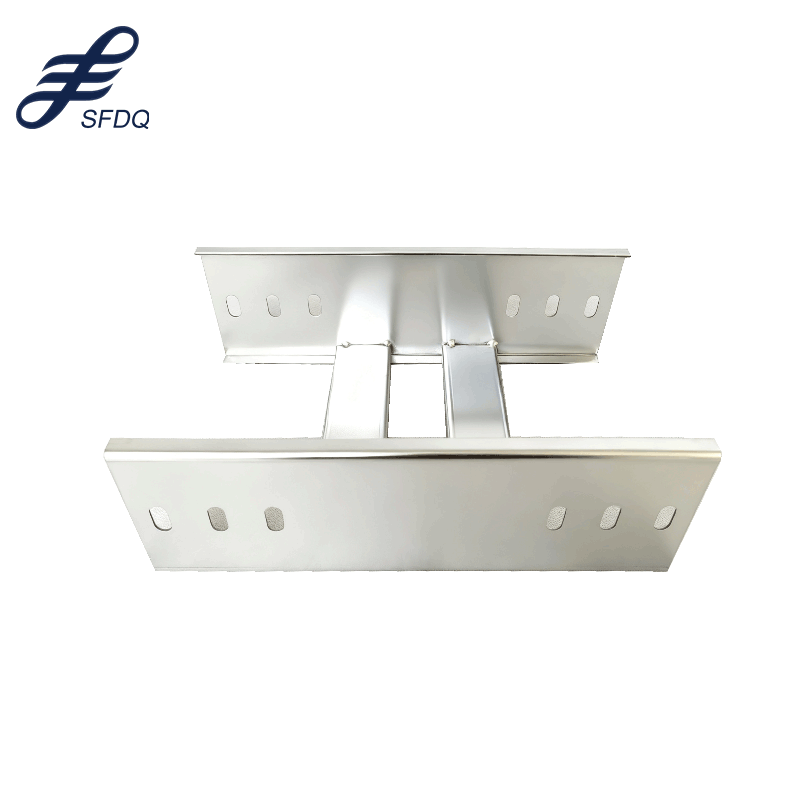
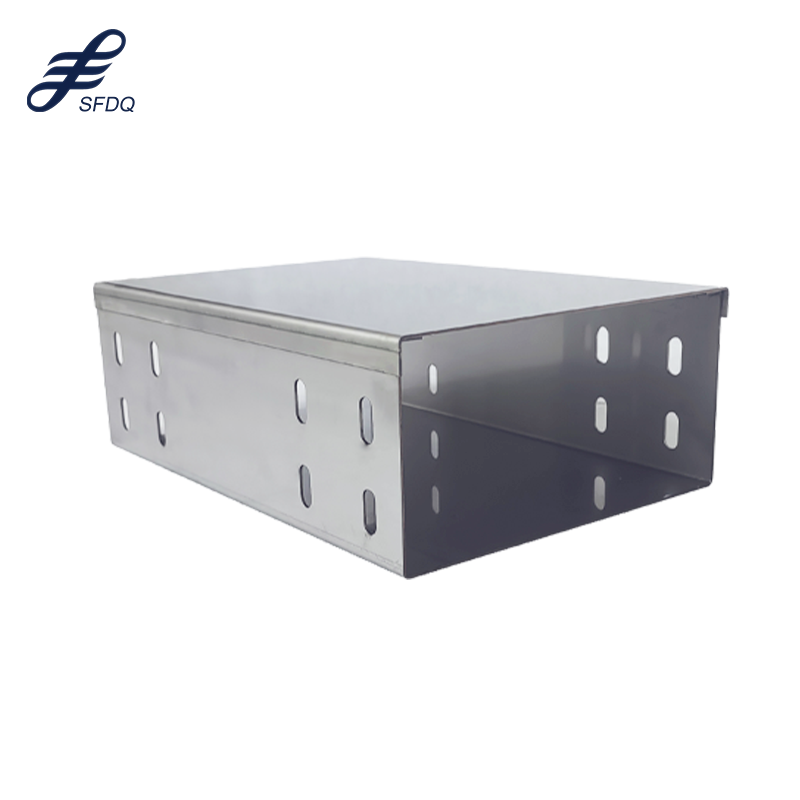
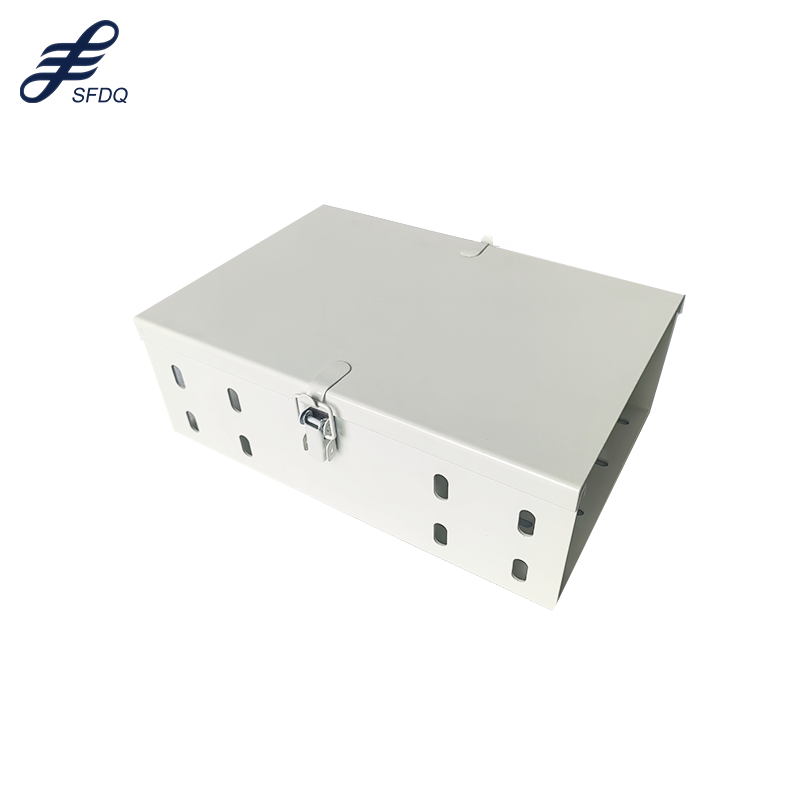
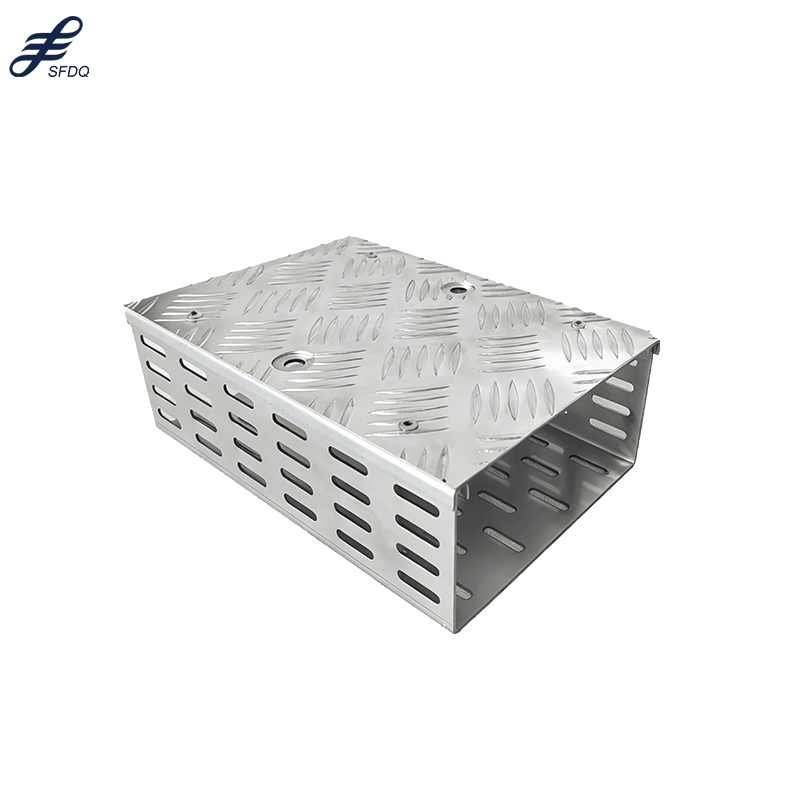
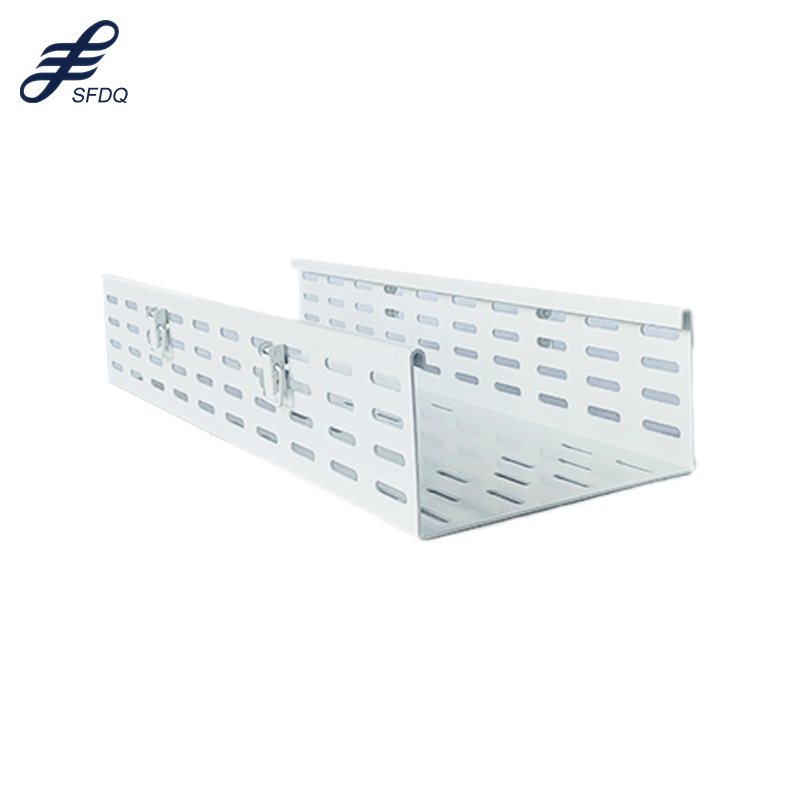
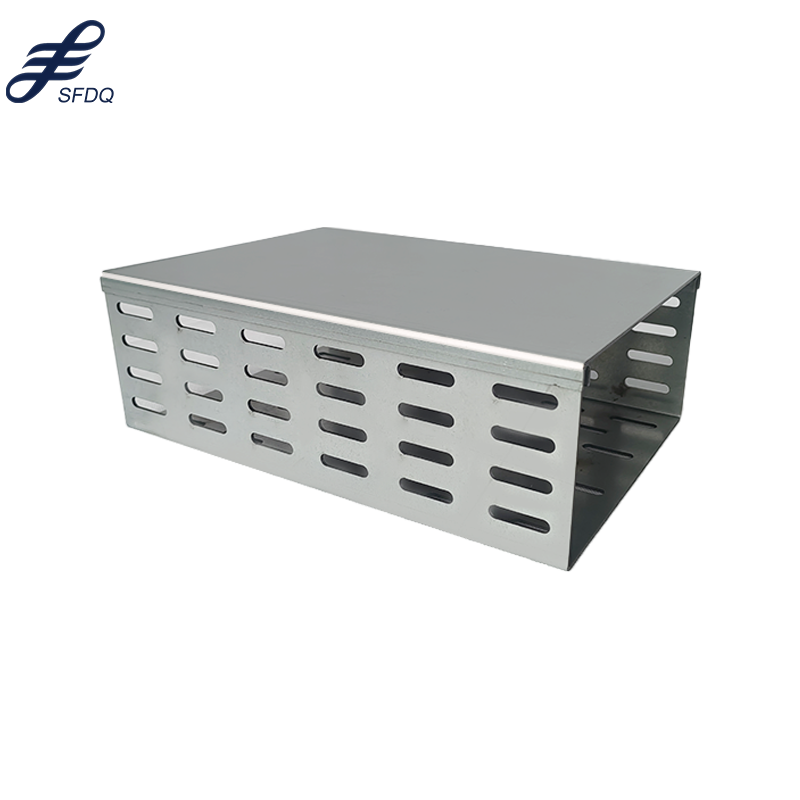
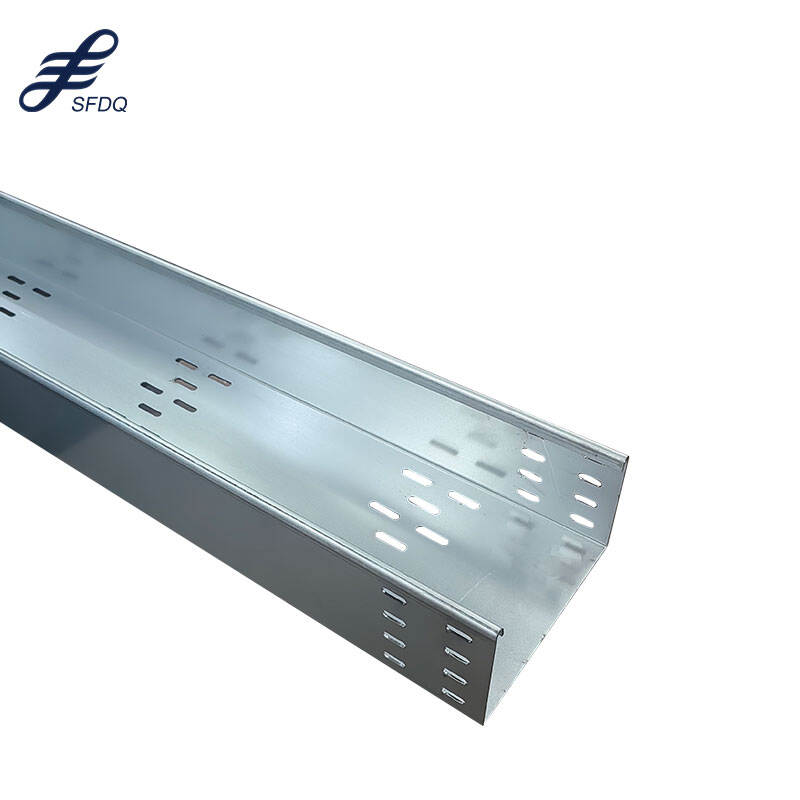
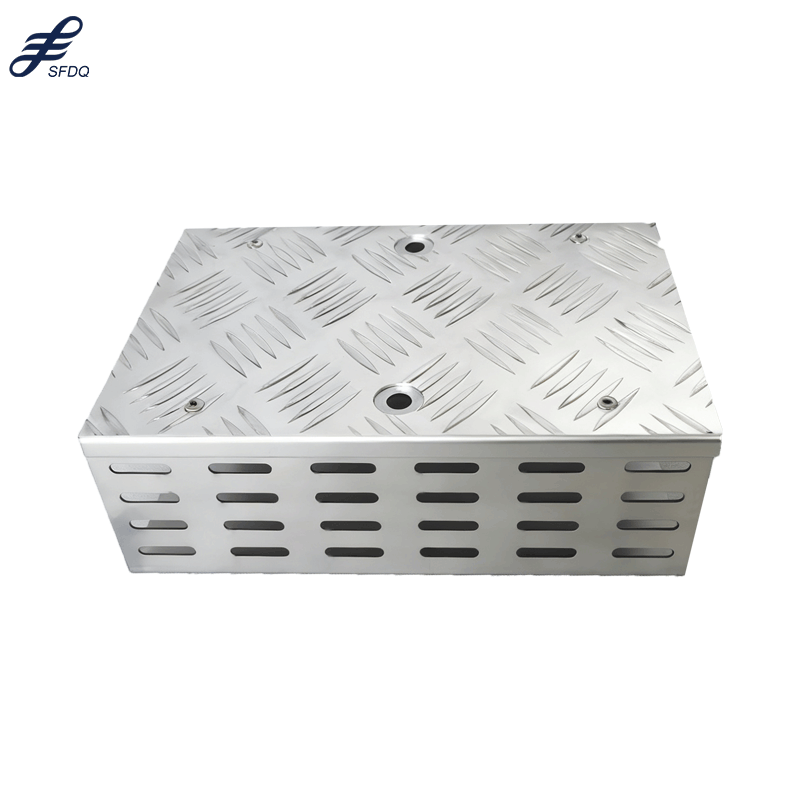
The modular design philosophy embedded within black cable tray systems represents a paradigm shift in cable management flexibility, enabling unprecedented adaptability to evolving infrastructure requirements across diverse applications. This innovative approach breaks away from rigid, one-size-fits-all solutions by offering a comprehensive suite of interconnectable components that can be configured to match virtually any spatial constraint or cable routing challenge. The modular architecture encompasses straight sections, curves, tees, crosses, reducers, and specialized fittings that connect seamlessly to create custom pathways tailored to specific project requirements. This flexibility proves invaluable during both initial installations and future modifications, as facility managers can easily reconfigure or expand systems without requiring complete replacements or extensive demolition work. The black cable tray modular system accommodates changes in cable loads, routing requirements, and facility layouts that commonly occur as businesses grow and technology evolves. Manufacturing facilities benefit tremendously from this scalability when production lines require reconfiguration or expansion, as the cable management system can adapt quickly without disrupting ongoing operations. Data centers, which face constant pressure to accommodate increasing server densities and changing cooling requirements, find the modular black cable tray approach essential for maintaining organized cable management while facilitating rapid equipment changes. The standardized connection mechanisms ensure compatibility across different components and manufacturers, preventing compatibility issues that could compromise system integrity or limit future expansion options. Installation teams appreciate the simplified assembly process that modular design enables, as components fit together intuitively without requiring specialized training or complex assembly procedures. The time savings achieved through modular installation can significantly reduce project timelines and associated labor costs, making black cable tray systems an economically attractive option for time-sensitive projects. Quality control becomes more manageable with modular systems, as individual components undergo rigorous testing before assembly, ensuring that the finished installation meets or exceeds performance specifications. The ability to standardize on modular black cable tray components across multiple projects creates procurement efficiencies and simplifies maintenance procedures, as facility teams become familiar with consistent connection methods and component specifications.
 EN
EN