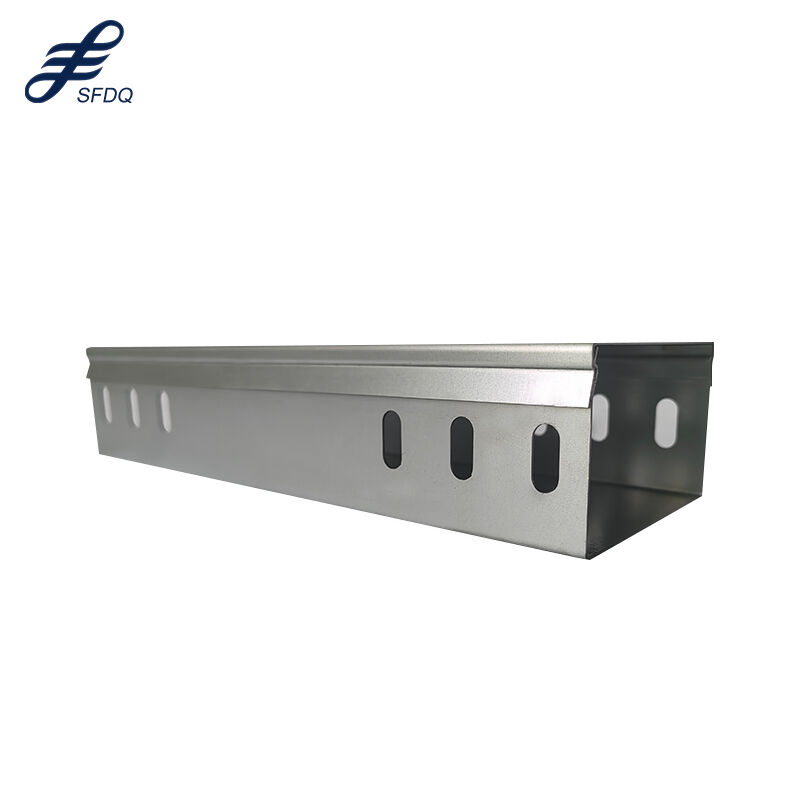
cable tray fittings
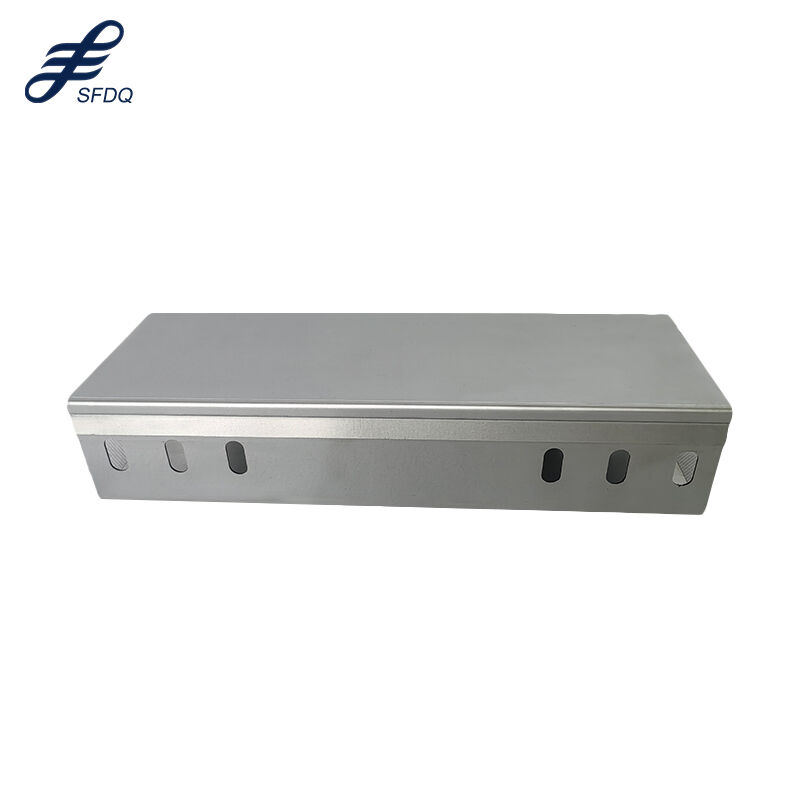
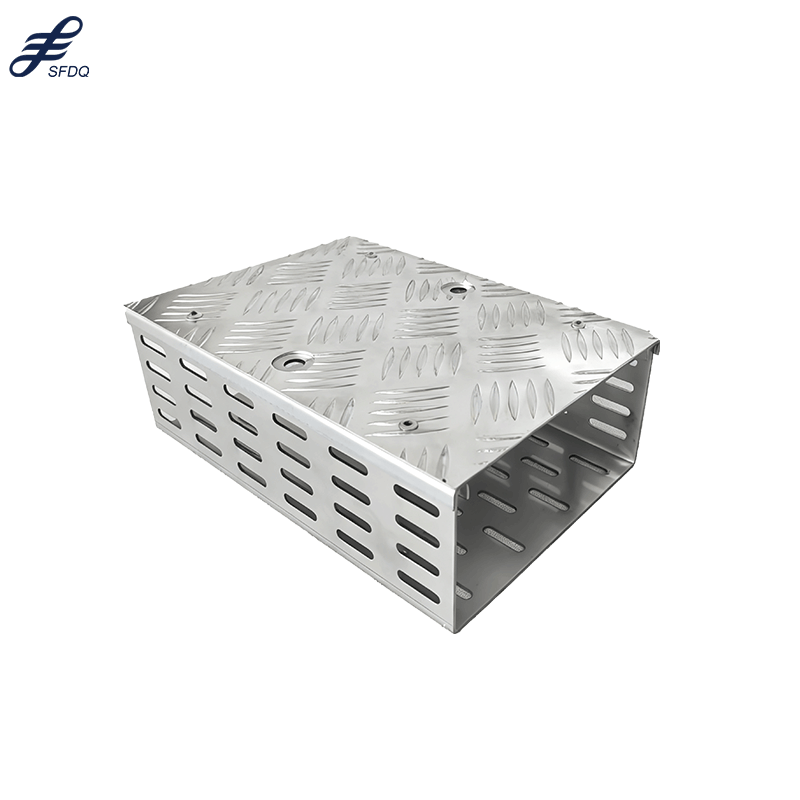
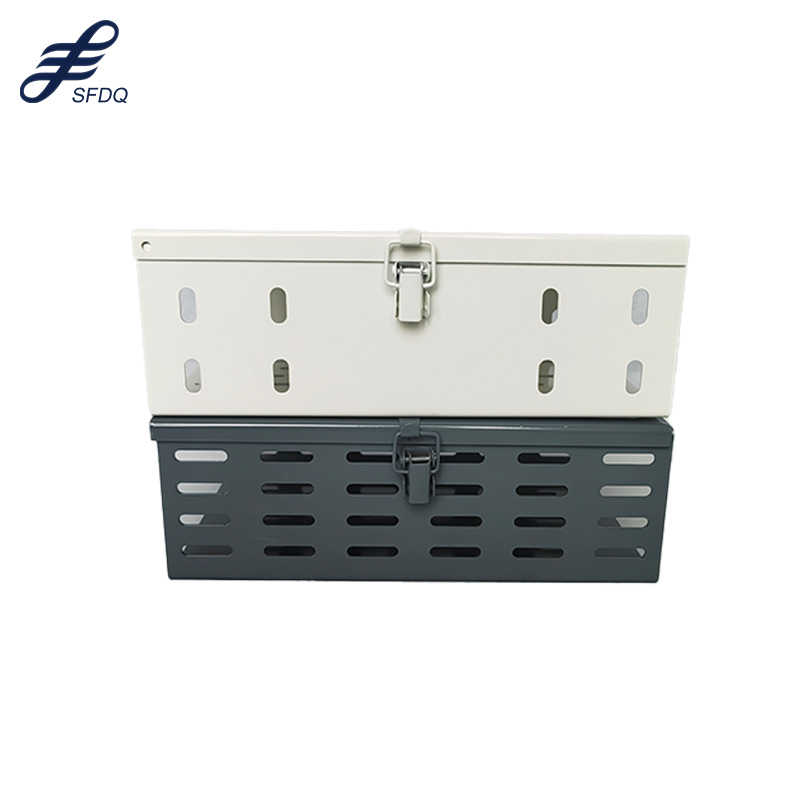
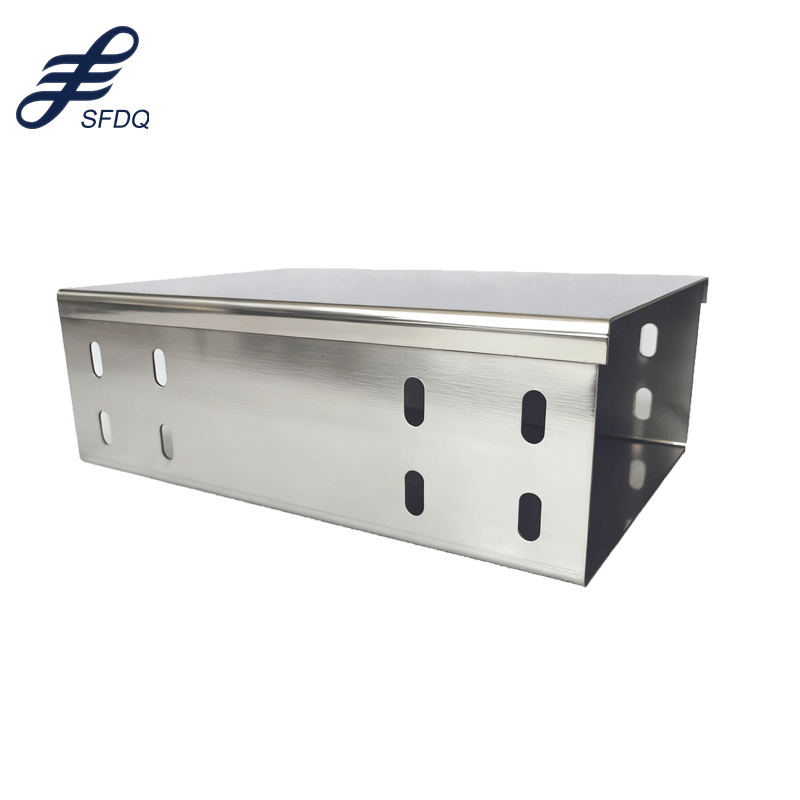
Cable tray fittings represent essential components in modern electrical infrastructure systems, serving as critical connectors and support elements that ensure seamless cable management throughout commercial, industrial, and residential installations. These specialized hardware pieces are engineered to connect, redirect, and support cable trays while maintaining structural integrity and electrical safety standards. Cable tray fittings encompass a comprehensive range of components including elbows, tees, crosses, reducers, end caps, and mounting brackets, each designed to address specific routing requirements and installation challenges. The primary function of cable tray fittings involves creating secure connections between tray sections while accommodating directional changes, branching points, and size transitions within cable routing systems. These components feature robust construction materials such as galvanized steel, stainless steel, aluminum, and fiberglass, selected based on environmental conditions and load requirements. Technological features of cable tray fittings include precision-engineered connection mechanisms, corrosion-resistant coatings, and standardized dimensions that ensure compatibility across different manufacturers and installation scenarios. Advanced cable tray fittings incorporate innovative design elements such as tool-free assembly systems, adjustable connection points, and integrated grounding provisions that streamline installation processes while enhancing system reliability. Modern applications for cable tray fittings span diverse sectors including power generation facilities, manufacturing plants, data centers, healthcare institutions, educational campuses, and commercial buildings where organized cable management is paramount. These fittings enable efficient power distribution, telecommunications infrastructure, and control system installations while providing easy access for maintenance and future expansions. The versatility of cable tray fittings allows them to accommodate various cable types including power cables, fiber optic lines, coaxial cables, and control wiring within unified support systems. Professional electricians and installation teams rely on cable tray fittings to create customized routing solutions that comply with electrical codes and safety regulations while optimizing space utilization and system accessibility.
 EN
EN