Ventilated Cable Tray Systems: Advanced Heat Dissipation and Accessible Cable Management Solutions

Get a Free Quote

Our representative will contact you soon.
Email
Name
Company Name
WhatsApp
Message
0/1000

ventilated cable tray

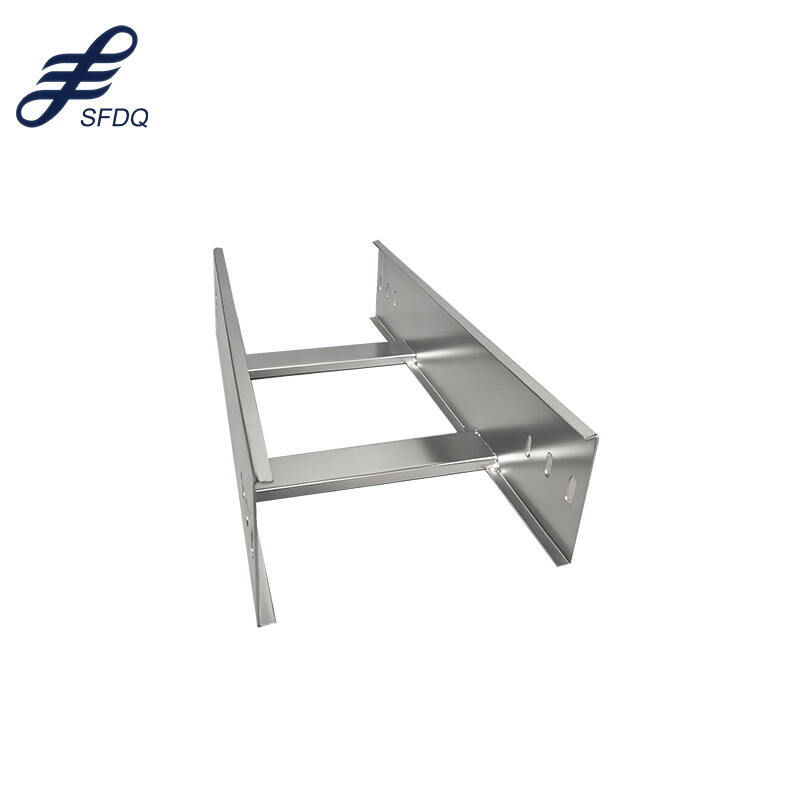
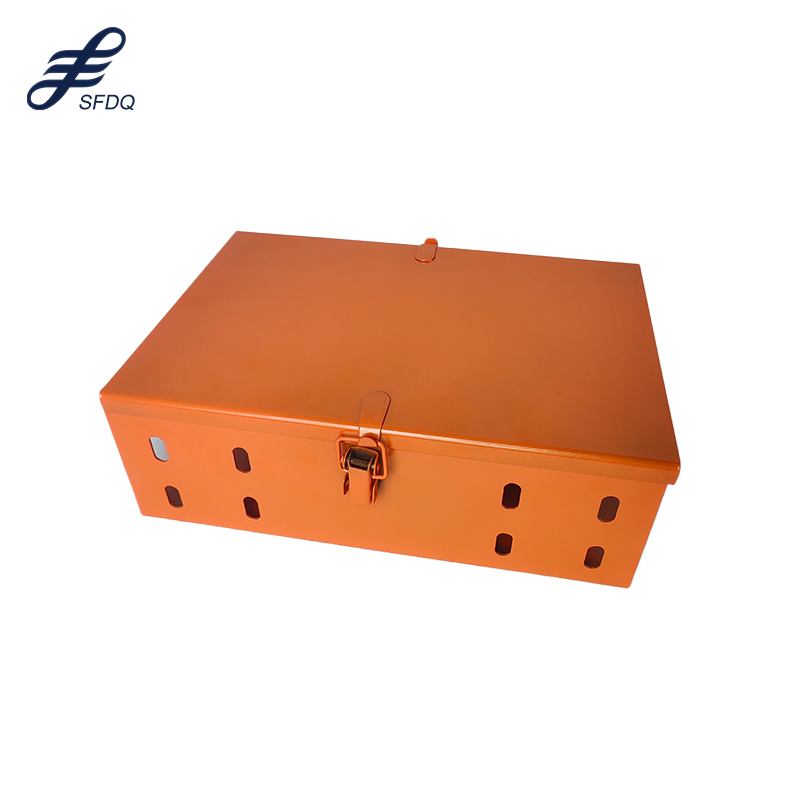
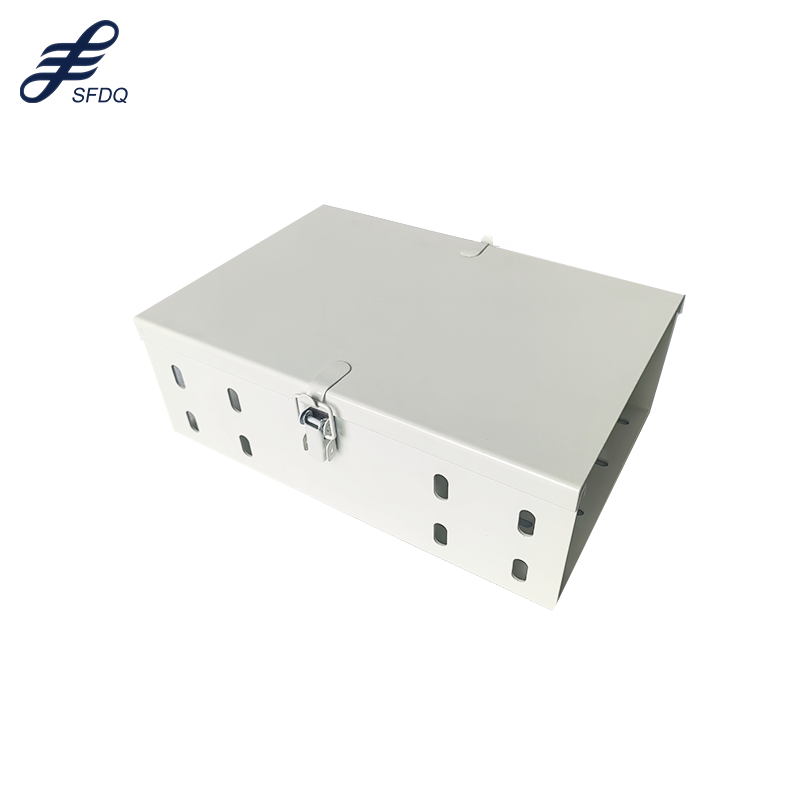
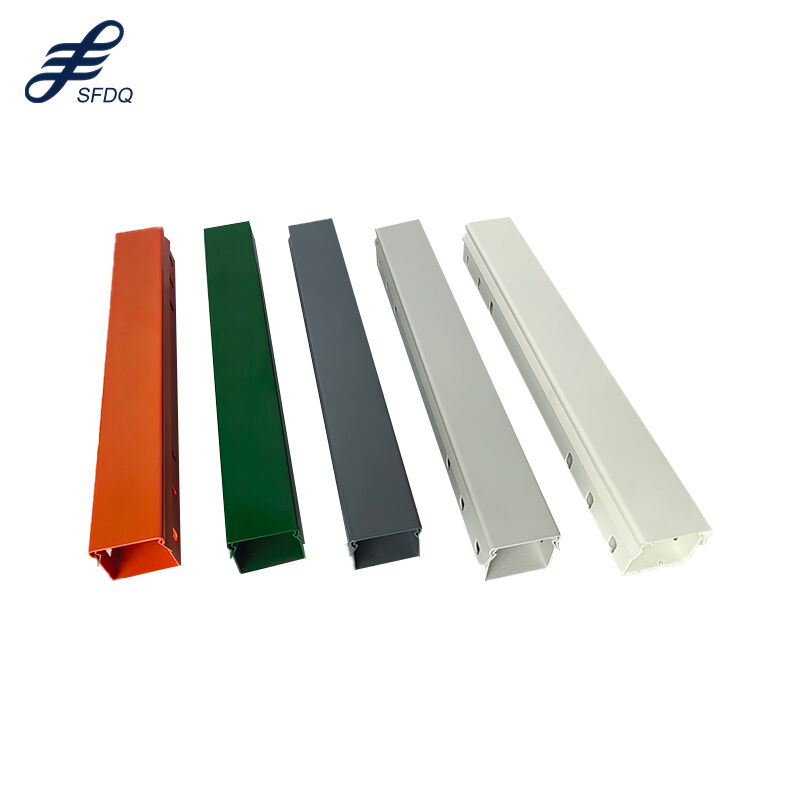
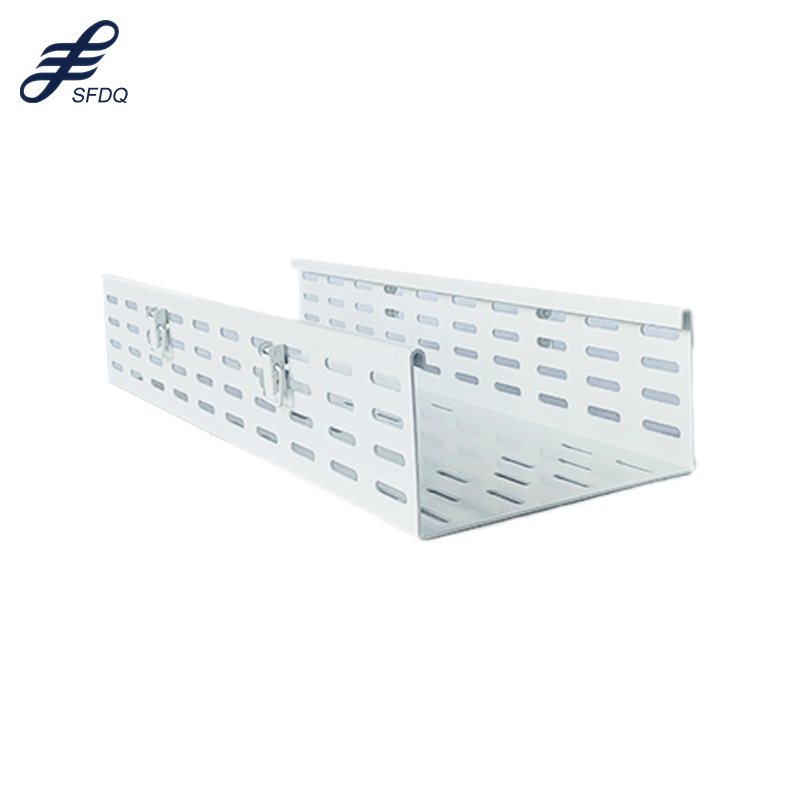
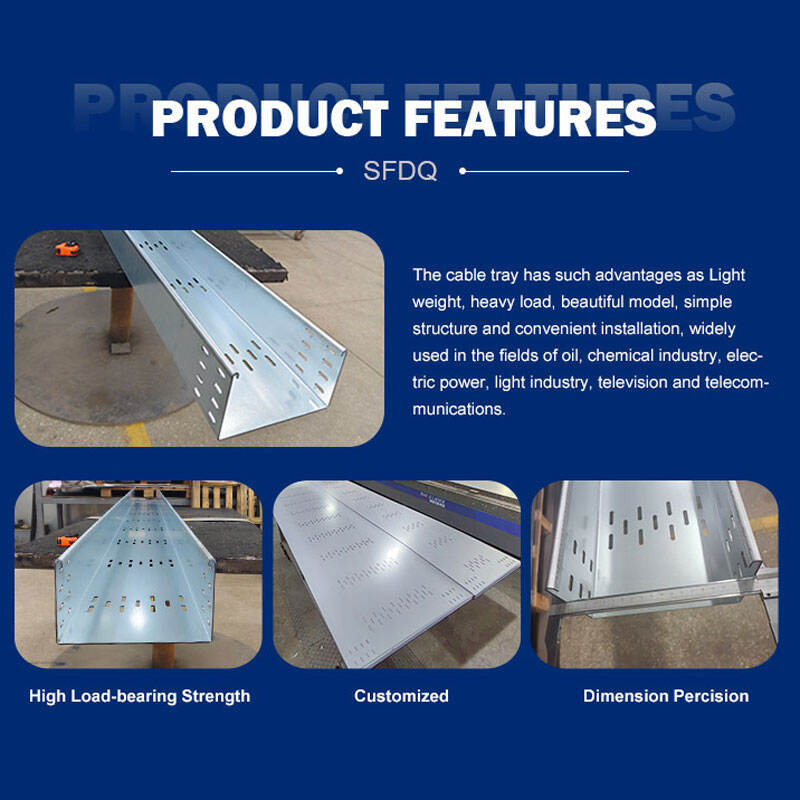
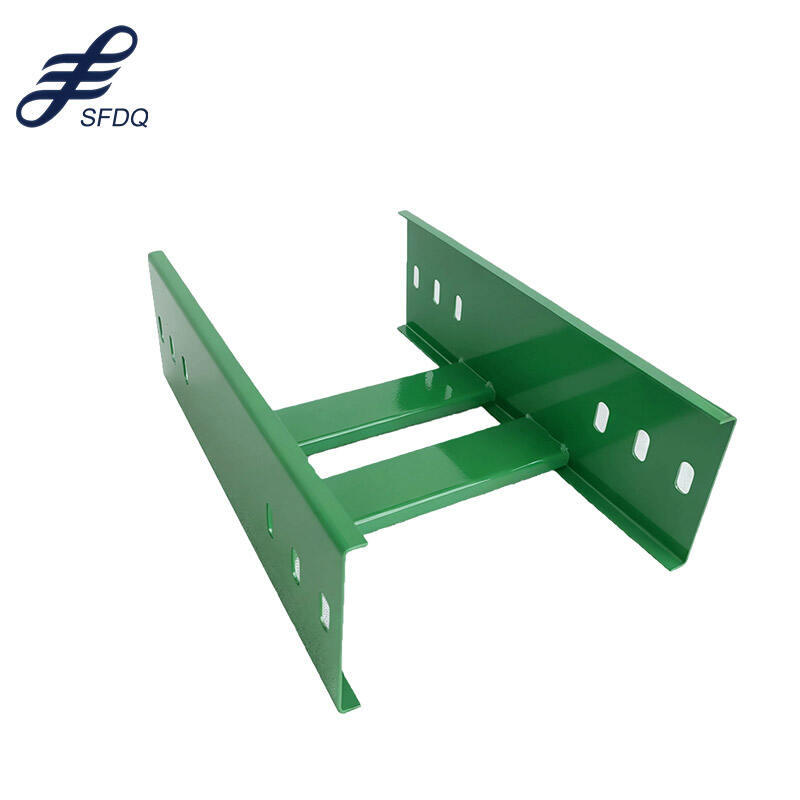
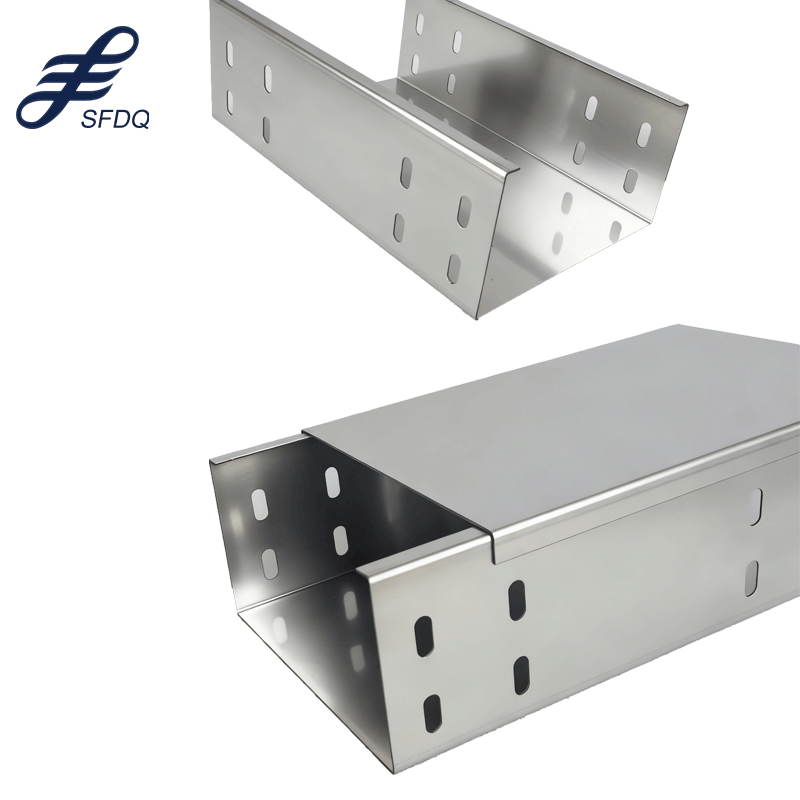
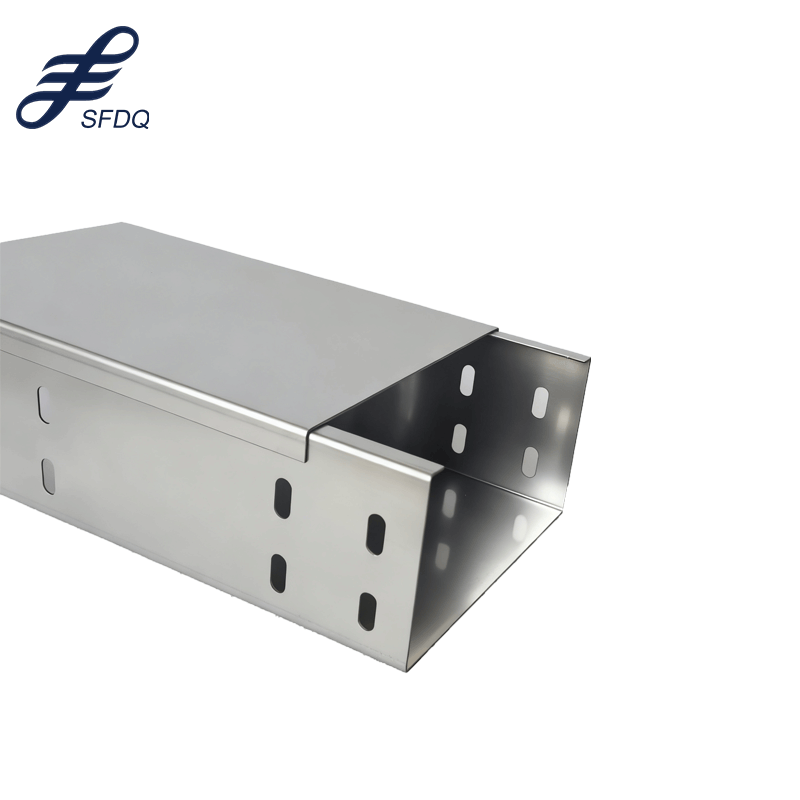
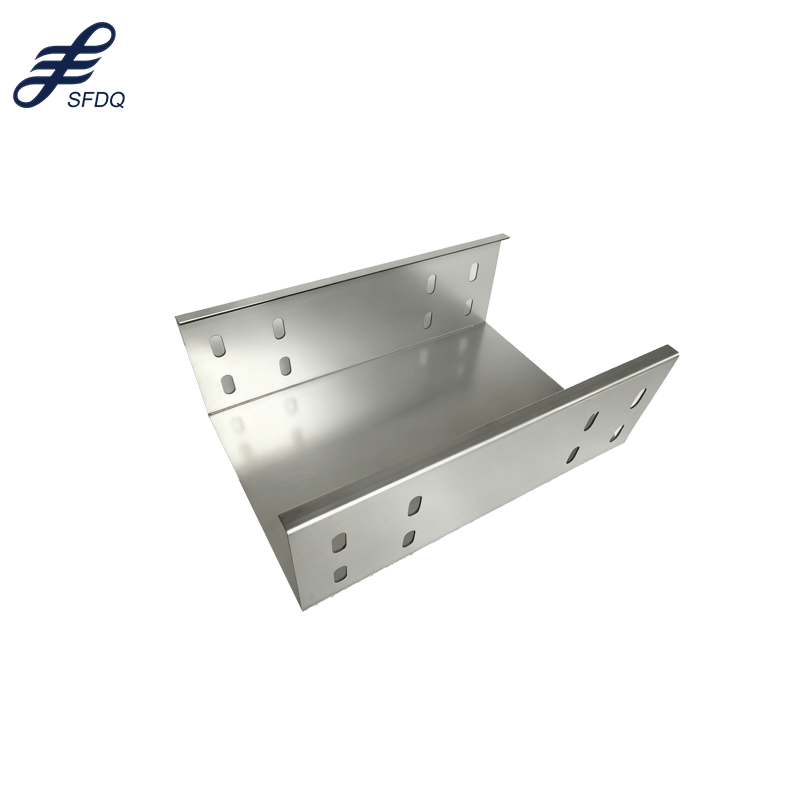
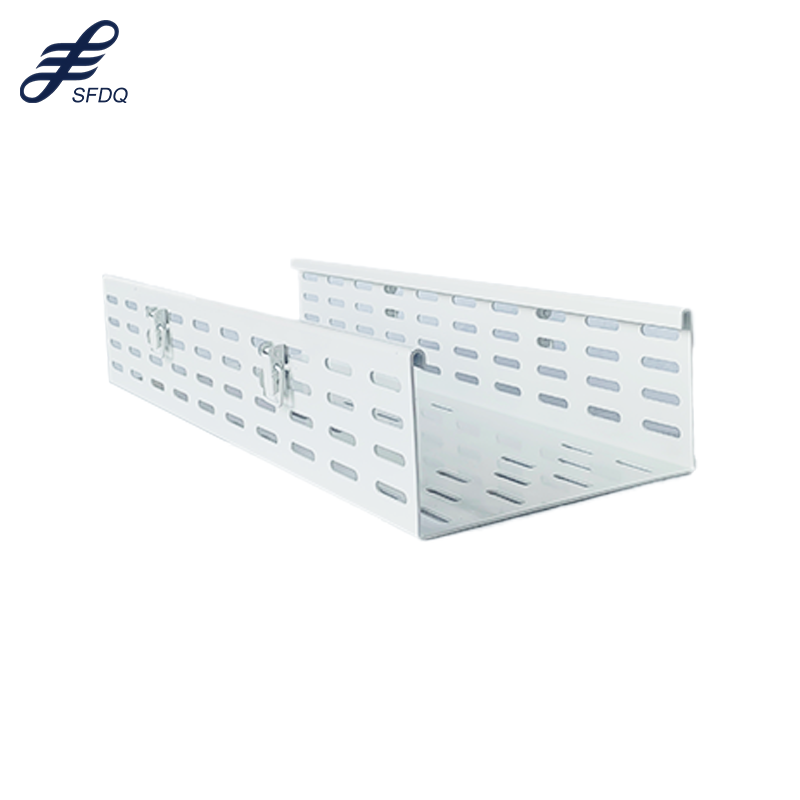
A ventilated cable tray represents a sophisticated electrical infrastructure solution designed to support and organize cables while providing essential airflow circulation. This specialized cable management system features strategically positioned perforations or slots throughout its structure, enabling natural air movement that prevents heat accumulation around electrical conductors. The ventilated cable tray serves as a backbone for electrical installations across commercial, industrial, and institutional facilities, offering superior cable protection while maintaining optimal operating temperatures. The primary function of a ventilated cable tray centers on cable support and organization, ensuring electrical conductors remain properly separated and easily accessible for maintenance procedures. Its perforated design facilitates heat dissipation, preventing thermal buildup that could compromise cable performance or safety. The technological features include corrosion-resistant materials such as galvanized steel, stainless steel, or aluminum construction, providing long-lasting durability in various environmental conditions. Advanced manufacturing processes ensure precise perforation patterns that maximize airflow while maintaining structural integrity under heavy cable loads. These systems accommodate diverse cable types including power cables, control wiring, data transmission lines, and fiber optic cables. Applications span multiple industries including manufacturing facilities, data centers, hospitals, educational institutions, commercial buildings, and industrial plants. The ventilated cable tray proves particularly valuable in environments where temperature control is critical, such as server rooms, electrical equipment rooms, and process control areas. Installation flexibility allows for horizontal, vertical, and angled configurations, adapting to complex architectural requirements. The modular design enables easy expansion and modification as electrical system needs evolve. Proper implementation of ventilated cable tray systems ensures compliance with electrical codes and safety standards while providing efficient cable management solutions that enhance system reliability and reduce maintenance costs over the installation's operational lifetime.

Popular Products

The ventilated cable tray delivers exceptional thermal management capabilities that significantly benefit electrical system performance and longevity. The strategically designed perforations create continuous airflow channels that actively remove heat generated by electrical conductors, preventing dangerous temperature buildup that could lead to cable degradation or failure. This natural cooling effect extends cable lifespan considerably, reducing replacement costs and minimizing system downtime. Facility managers appreciate how the ventilated design maintains optimal operating temperatures without requiring additional mechanical cooling systems, resulting in substantial energy savings. The open structure provides unparalleled accessibility for cable installation, modification, and maintenance procedures. Technicians can quickly identify specific cables, perform upgrades, or troubleshoot issues without dismantling entire sections of the cable management system. This accessibility translates directly into reduced labor costs and shorter maintenance windows, minimizing disruption to facility operations. The transparent nature of the ventilated cable tray system allows for easy visual inspection of cable conditions, enabling proactive maintenance strategies that prevent unexpected failures. Installation teams find the lightweight yet robust construction of ventilated cable tray systems extremely advantageous during project execution. The reduced weight compared to solid cable trays simplifies handling procedures, speeds installation processes, and reduces structural load requirements on building frameworks. This efficiency translates into lower installation costs and faster project completion times. The modular design philosophy enables flexible system configurations that adapt to changing electrical infrastructure requirements without requiring complete system replacement. Expansion capabilities allow facilities to accommodate growth while maintaining consistent cable management standards. The corrosion-resistant materials and protective finishes ensure long-term performance in challenging environmental conditions, including high humidity, temperature fluctuations, and exposure to industrial contaminants. This durability minimizes maintenance requirements and ensures reliable cable protection throughout the system's operational life. Cost-effectiveness emerges as a primary advantage, with the ventilated cable tray offering superior value through reduced installation time, lower maintenance costs, extended cable life, and improved system reliability compared to alternative cable management solutions.

Latest News

​Cable Tray: The Backbone of Efficient Cable Management - From SFDQ Factory

20

Nov

​Cable Tray: The Backbone of Efficient Cable Management - From SFDQ Factory

View More
Why Choose SFDQ’s Cable Tray?

20

Nov

Why Choose SFDQ’s Cable Tray?

View More
Unlock the Power of Factory Cable Trays with CE and ISO Certifications

20

Nov

Unlock the Power of Factory Cable Trays with CE and ISO Certifications

View More
SFDQ Participates in Saudi Exhibitions

05

Dec

SFDQ Participates in Saudi Exhibitions

Bringing High-Quality Cable Trays to Deepen Presence in the Middle East Infrastructure Market​
View More

Get a Free Quote

Our representative will contact you soon.
Email
Name
Company Name
WhatsApp
Message
0/1000

ventilated cable tray

Superior Heat Dissipation Technology

Superior Heat Dissipation Technology

The ventilated cable tray incorporates advanced heat dissipation technology through its precisely engineered perforation pattern, delivering unmatched thermal management for electrical installations. This innovative design creates multiple airflow pathways that actively circulate air around electrical conductors, preventing the accumulation of heat that commonly plagues solid cable management systems. The strategic placement and sizing of ventilation openings maximize cooling efficiency while maintaining structural strength, ensuring optimal performance under varying load conditions. Temperature regulation proves critical for electrical system reliability, as excessive heat can degrade insulation materials, reduce conductor efficiency, and accelerate equipment failure. The ventilated cable tray addresses these concerns by maintaining ambient temperature conditions around cables, effectively extending their operational lifespan and improving overall system performance. Field studies demonstrate that properly ventilated cable installations operate at temperatures significantly lower than solid tray alternatives, translating into measurable improvements in cable performance and longevity. The natural convection process facilitated by the ventilated design eliminates the need for forced air cooling systems, reducing energy consumption and operational costs. This passive cooling approach proves particularly valuable in environments with high ambient temperatures or dense cable installations where heat buildup poses significant risks. The thermal management benefits extend beyond cable protection to encompass improved safety conditions for maintenance personnel and reduced fire hazards associated with overheated electrical components. Facility operators report substantial reductions in cable-related failures and maintenance interventions following ventilated cable tray implementation, demonstrating the tangible value of superior heat dissipation technology. The consistent temperature control provided by ventilated systems also contributes to stable electrical performance, reducing voltage fluctuations and signal interference that can compromise sensitive equipment operations.
Enhanced Accessibility and Maintenance Efficiency

Enhanced Accessibility and Maintenance Efficiency

The ventilated cable tray system revolutionizes cable management through its exceptional accessibility features that streamline maintenance procedures and reduce operational costs. The open-grid design provides unobstructed visual access to all cables within the system, enabling technicians to quickly identify specific conductors, assess their condition, and perform necessary maintenance without extensive disassembly procedures. This transparency eliminates the time-consuming process of cable tracing common in enclosed systems, significantly reducing troubleshooting time and associated labor costs. Maintenance teams can easily add new cables, remove obsolete wiring, or modify existing installations without disrupting adjacent cable runs, minimizing system downtime and operational interruptions. The accessible design facilitates comprehensive cable inspection programs that identify potential issues before they develop into costly failures, supporting proactive maintenance strategies that enhance system reliability. The ventilated cable tray configuration allows for easy cable bend radius compliance, ensuring proper installation practices that prevent cable stress and premature failure. Technicians appreciate the ability to visually verify cable separation requirements, grounding connections, and support spacing without removing covers or accessing confined spaces. This visibility proves invaluable during commissioning procedures, enabling thorough system verification and testing protocols. The modular construction of ventilated cable tray systems supports flexible installation approaches that accommodate complex routing requirements while maintaining accessibility standards. Expansion capabilities allow facilities to grow their electrical infrastructure incrementally without compromising maintenance access or system organization. The standardized connection methods and component compatibility ensure that future modifications integrate seamlessly with existing installations. Documentation and labeling systems work more effectively with ventilated cable tray installations due to the clear visual access to cable identification markers, supporting accurate system records and efficient maintenance procedures. The enhanced accessibility features translate directly into reduced maintenance costs, shorter service intervals, and improved system uptime, making ventilated cable tray systems an economically advantageous choice for facility managers focused on operational efficiency.
Versatile Installation and Environmental Adaptability

Versatile Installation and Environmental Adaptability

The ventilated cable tray demonstrates remarkable versatility through its adaptable installation capabilities and robust environmental performance, making it suitable for diverse applications across multiple industries. The system's modular design philosophy enables flexible configurations that accommodate complex architectural requirements, irregular building layouts, and specialized equipment installations without compromising functionality or code compliance. Installation teams benefit from the lightweight construction that simplifies handling procedures while maintaining the structural integrity necessary to support substantial cable loads safely. The standardized connection methods and comprehensive accessory selection facilitate rapid assembly and modification procedures, reducing installation time and associated labor costs. The ventilated cable tray system adapts effectively to various mounting configurations including ceiling suspension, wall mounting, floor support, and multi-level installations, providing design flexibility that meets diverse project requirements. Environmental adaptability represents a key strength of ventilated cable tray systems, with material options and protective finishes designed to withstand challenging conditions including high humidity, temperature extremes, chemical exposure, and corrosive atmospheres. Galvanized steel variants provide excellent corrosion resistance for standard applications, while stainless steel options deliver superior performance in harsh industrial environments or outdoor installations. Aluminum construction offers lightweight advantages with natural corrosion resistance suitable for coastal or marine applications. The ventilated design inherently resists moisture accumulation that can contribute to corrosion in enclosed systems, extending service life and reducing maintenance requirements. The open structure allows for natural drainage of condensation or cleaning solutions, preventing the accumulation of contaminants that could compromise system integrity. Compliance with international electrical standards and building codes ensures that ventilated cable tray installations meet safety requirements across different jurisdictions and application types. The system's compatibility with various cable types including power conductors, control wiring, instrumentation cables, and data transmission lines makes it a universal solution for modern electrical installations. Future expansion capabilities ensure that initial installations can accommodate growing electrical infrastructure needs without requiring complete system replacement, providing long-term value and adaptability for evolving facility requirements.
Inquiry Inquiry Email Email Tel Tel TopTop

Get a Free Quote

Our representative will contact you soon.
Email
Name
Company Name
WhatsApp
Message
0/1000