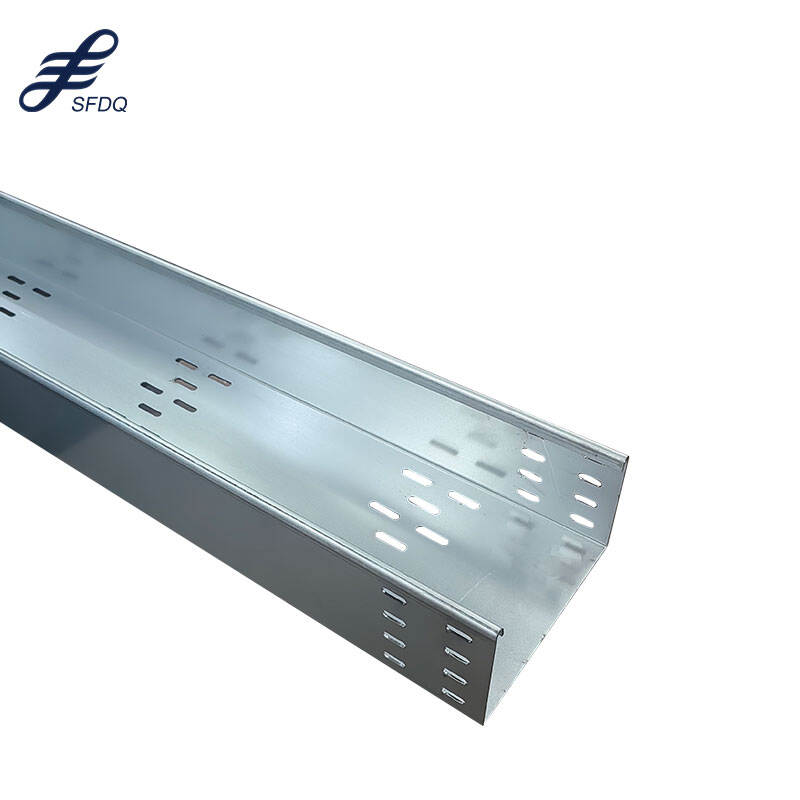
heavy duty stainless steel cable tray
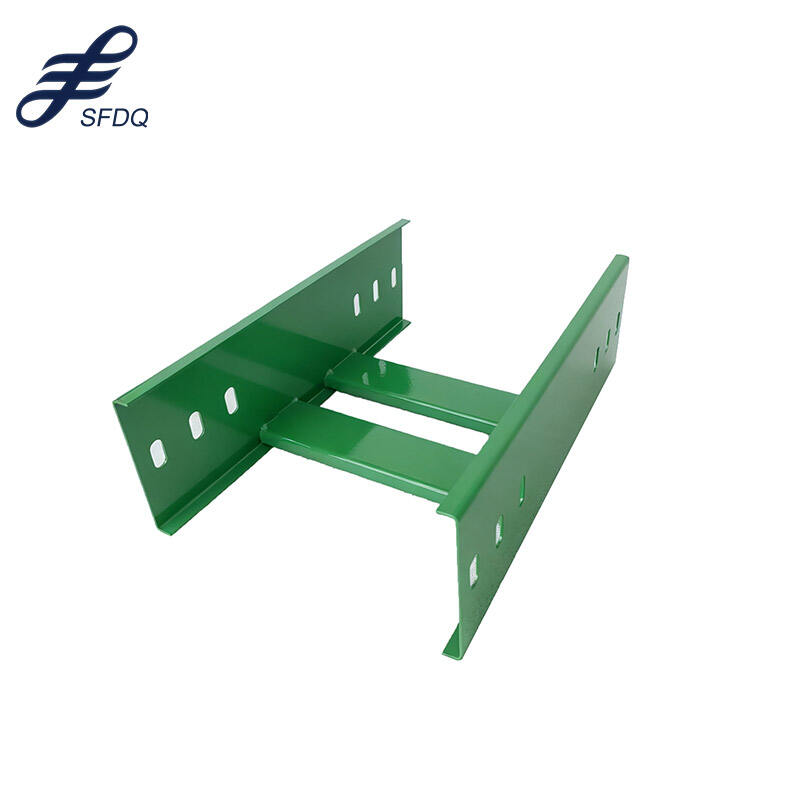
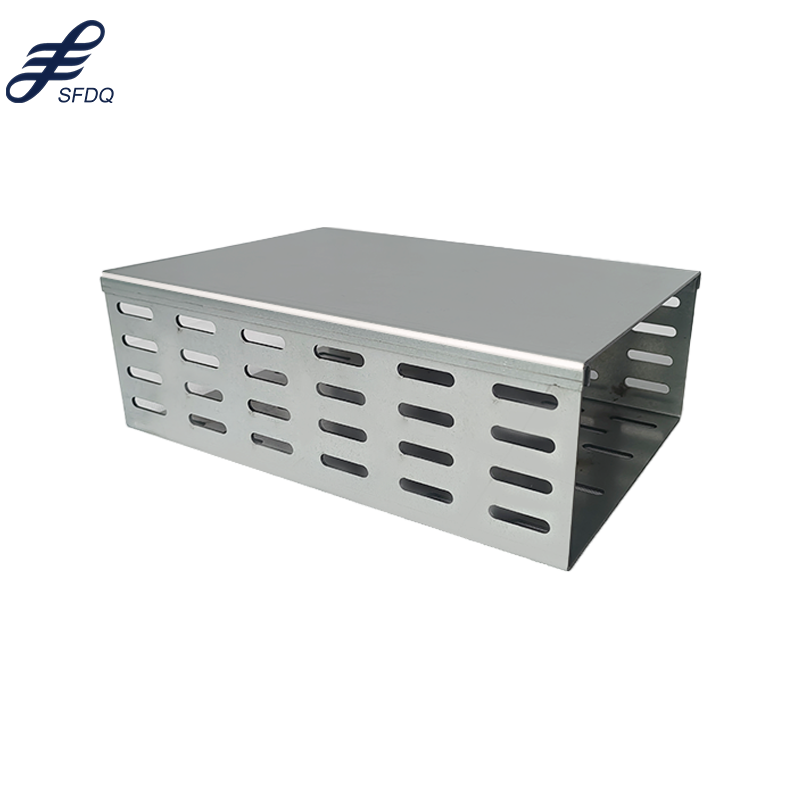
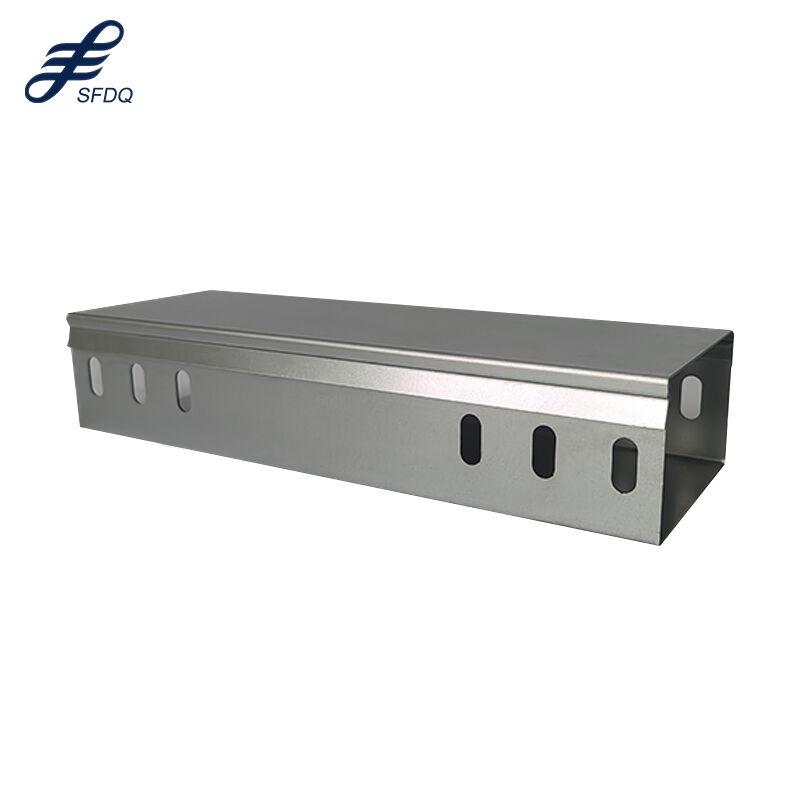
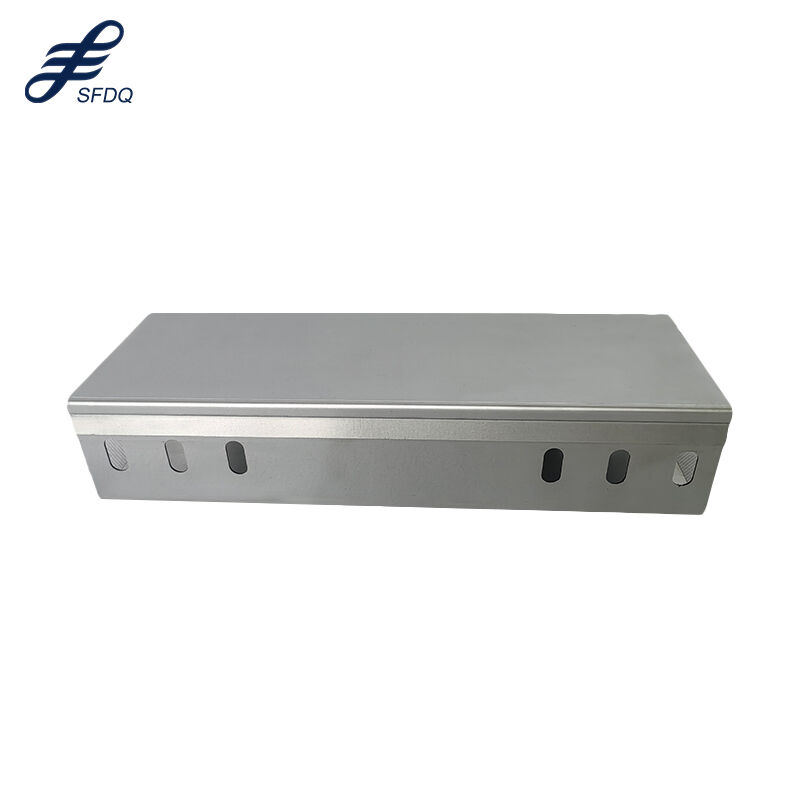
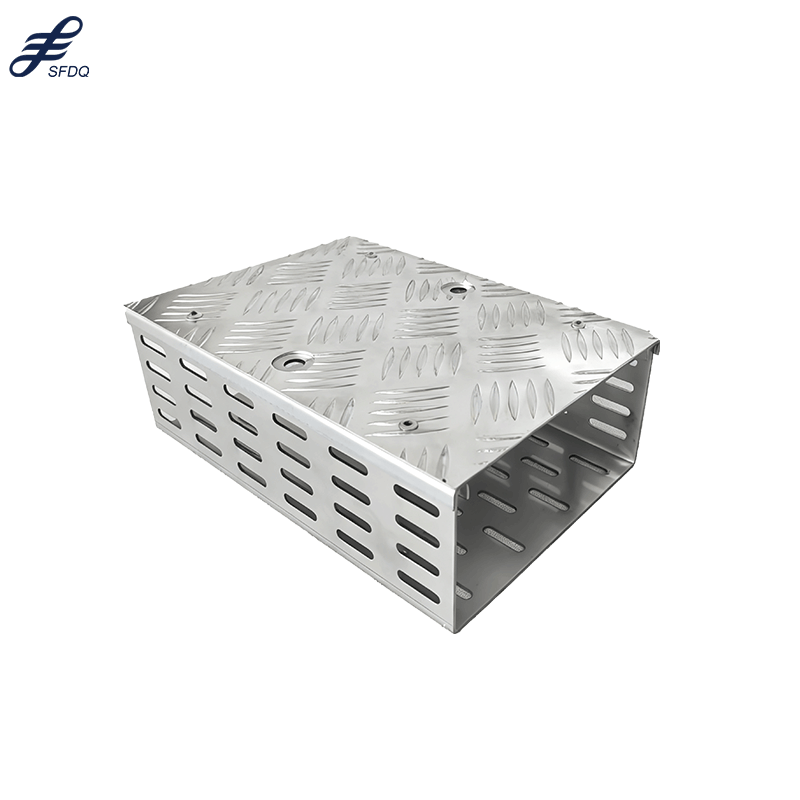
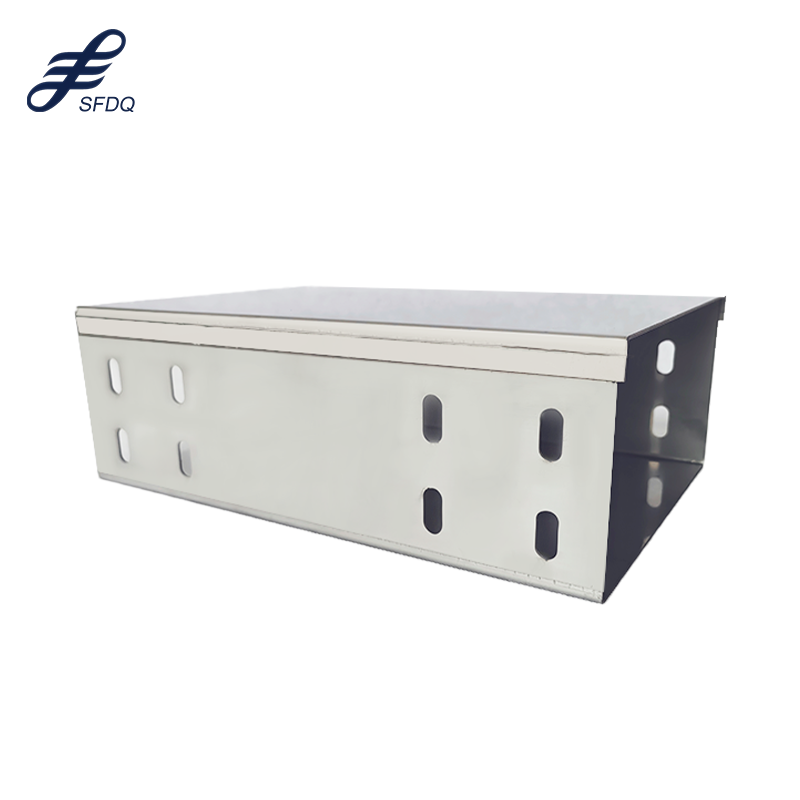
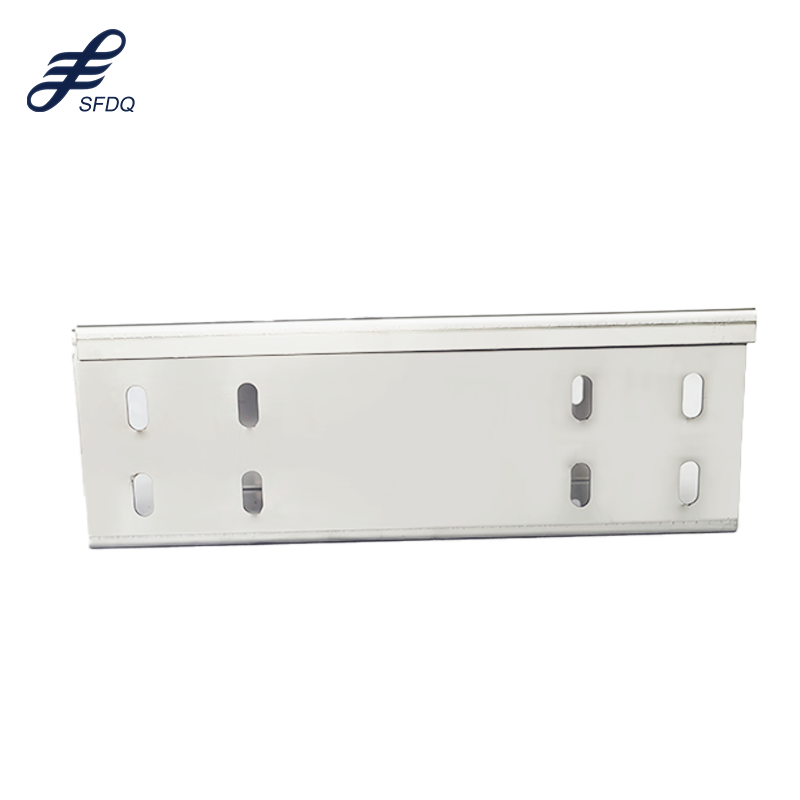
Heavy duty stainless steel cable tray systems represent the pinnacle of electrical infrastructure support, engineered to withstand extreme environments while maintaining exceptional performance standards. These robust cable management solutions combine the inherent corrosion resistance of stainless steel with reinforced structural engineering to create a superior pathway for electrical cables and wiring systems. The heavy duty stainless steel cable tray serves as a critical component in industrial facilities, commercial buildings, and specialized environments where conventional cable management systems fail to meet demanding operational requirements. The primary function of these cable trays involves organizing, supporting, and protecting electrical cables while facilitating easy maintenance access and system modifications. Advanced manufacturing processes ensure these trays maintain dimensional accuracy and structural integrity under significant load conditions. The technological features include precision-welded joints, reinforced sidewalls, and carefully engineered perforation patterns that optimize ventilation while maintaining structural strength. Marine-grade stainless steel construction provides exceptional resistance to saltwater corrosion, chemical exposure, and temperature fluctuations. Applications span across petrochemical plants, offshore drilling platforms, food processing facilities, pharmaceutical manufacturing centers, and data centers where reliability cannot be compromised. The heavy duty stainless steel cable tray accommodates various cable types including power distribution cables, control wiring, fiber optic networks, and instrumentation connections. Installation flexibility allows for horizontal runs, vertical risers, and complex routing configurations that adapt to architectural constraints and operational requirements. Quality assurance protocols ensure each heavy duty stainless steel cable tray meets international standards for load capacity, fire resistance, and environmental performance. These systems integrate seamlessly with existing infrastructure while providing scalable solutions for future expansion needs.
 EN
EN