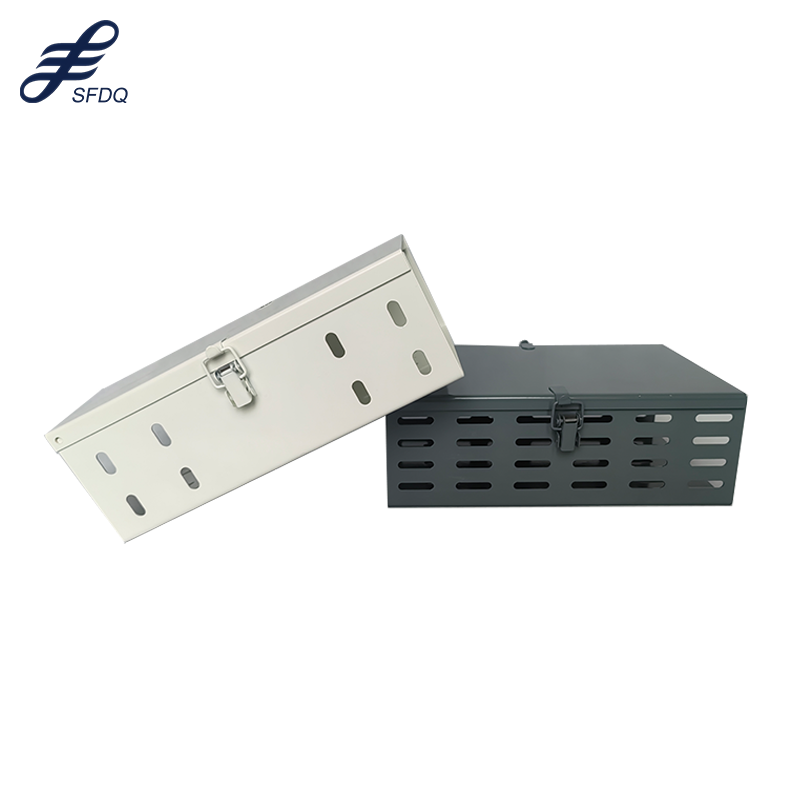
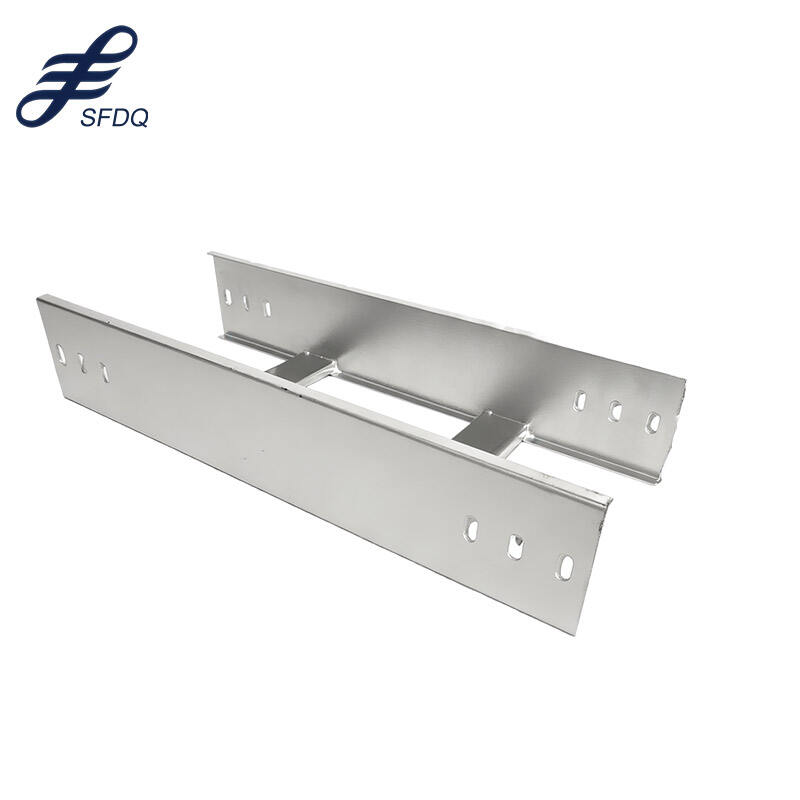
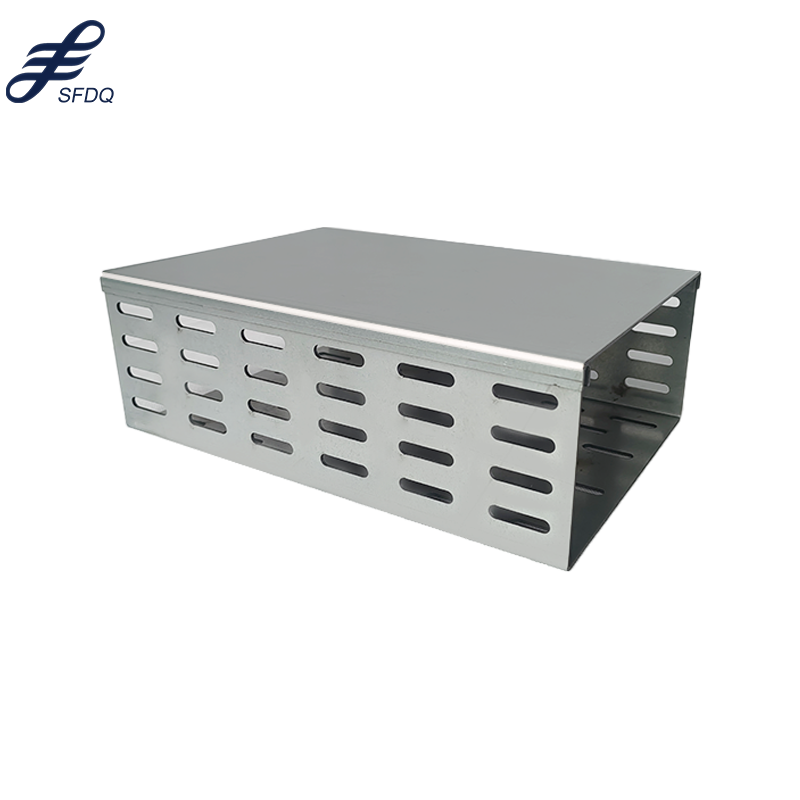
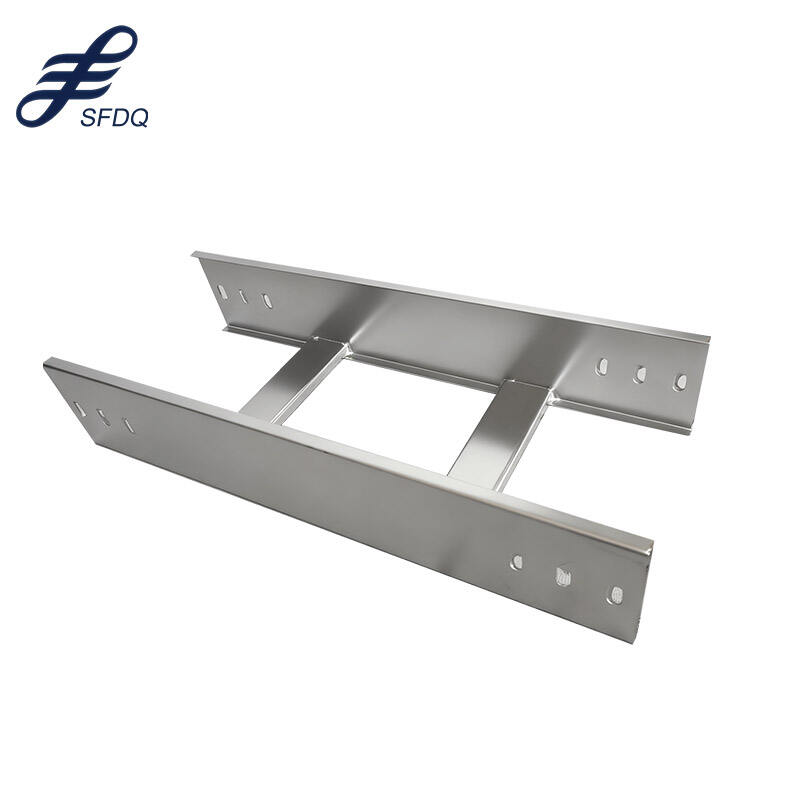
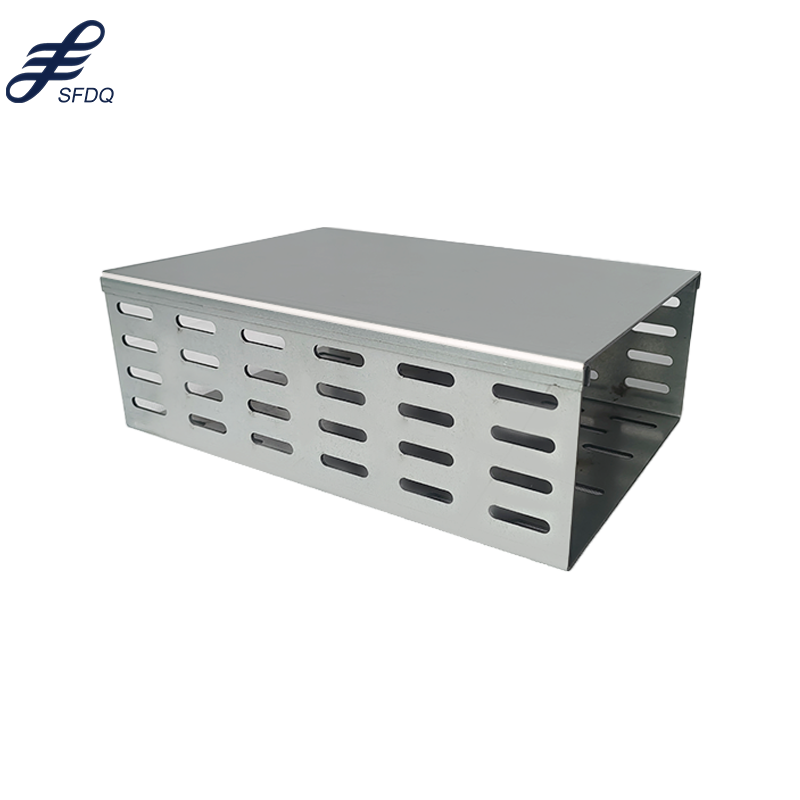
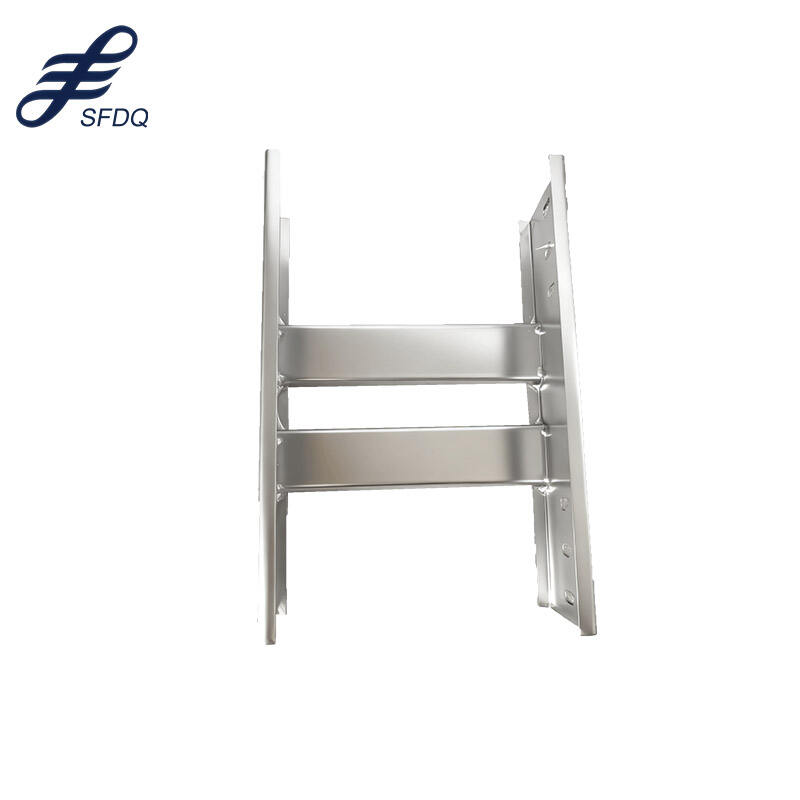
Premium Mild Steel Cable Tray Solutions - Durable Cable Management Systems for Industrial Applications

Get a Free Quote

Our representative will contact you soon.
Email
Name
Company Name
WhatsApp
Message
0/1000

mild steel cable tray

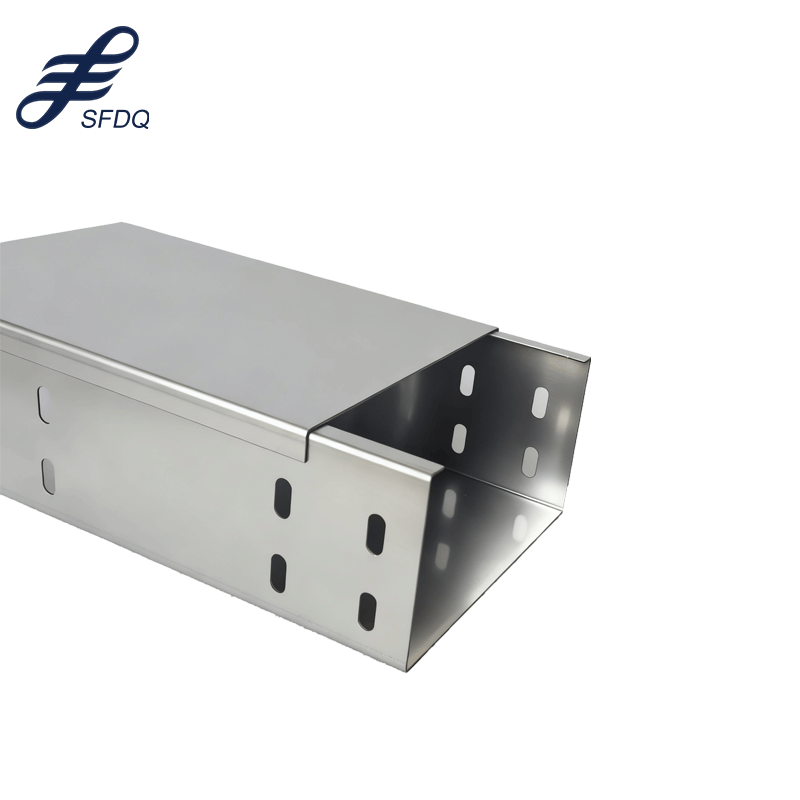
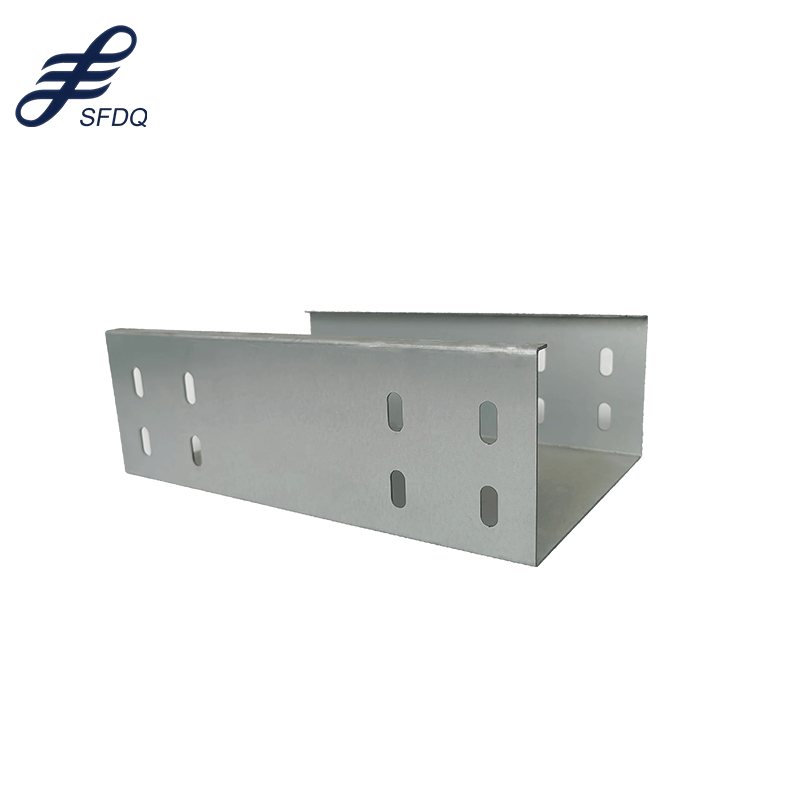
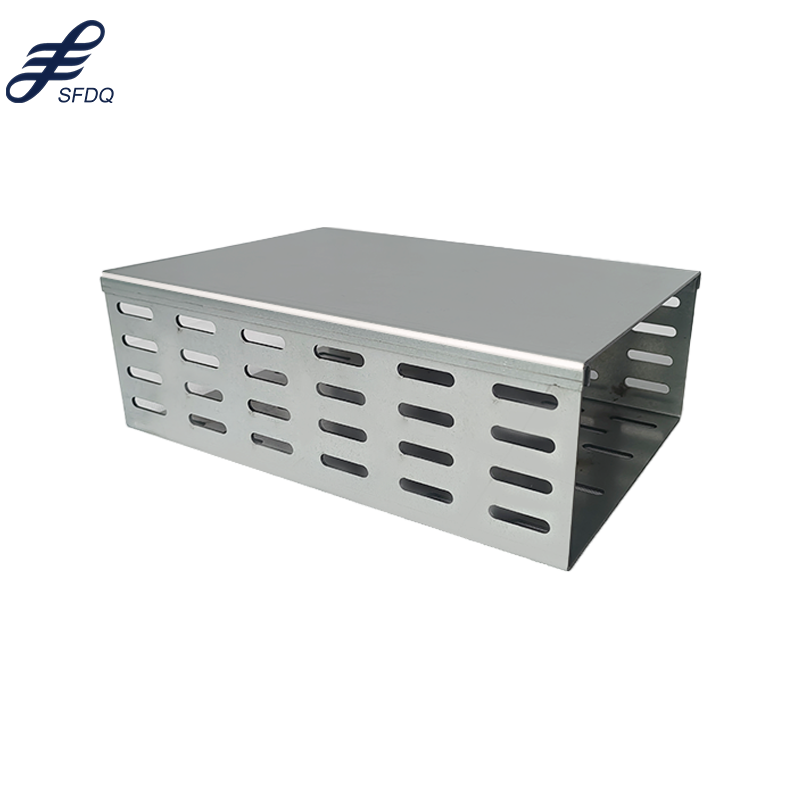
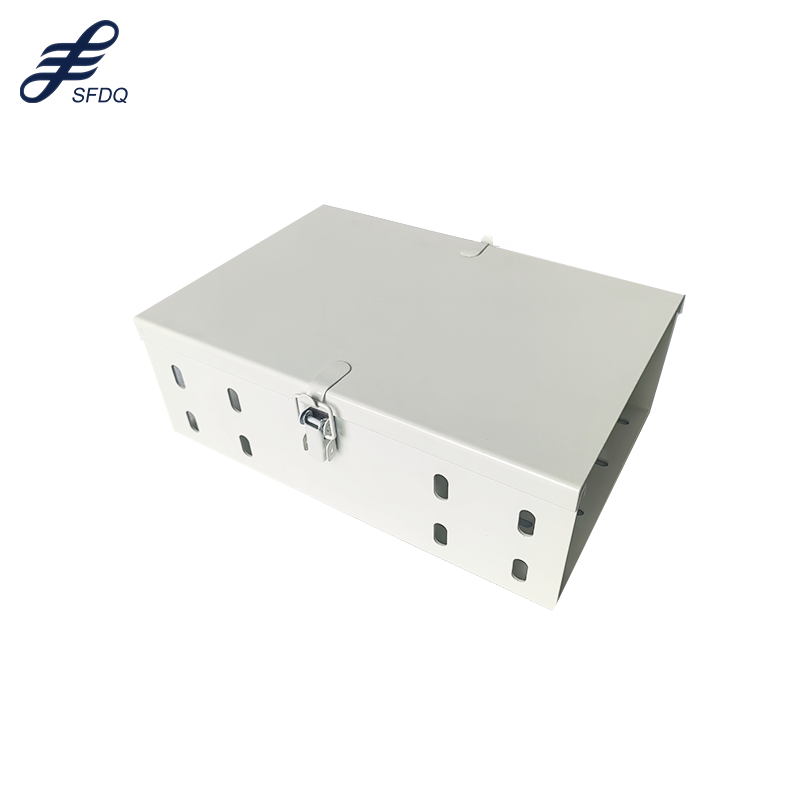
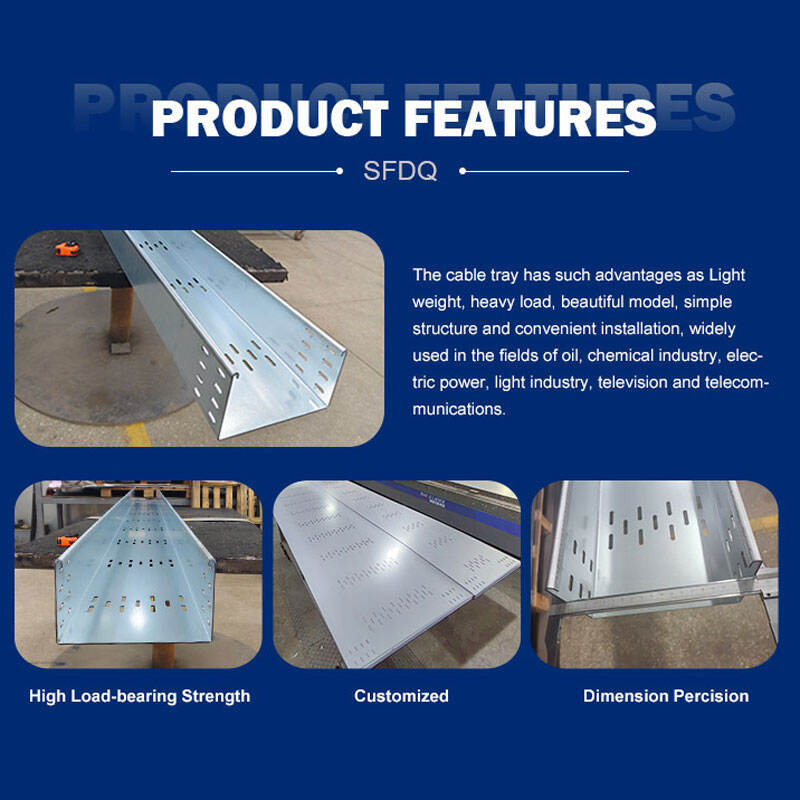
The mild steel cable tray represents a fundamental solution for modern cable management systems across various industrial and commercial applications. This robust infrastructure component serves as the backbone for organized electrical installations, providing essential support and protection for power cables, data lines, and communication wiring throughout buildings and facilities. The mild steel cable tray functions primarily as a mechanical support system that maintains cables in their designated pathways while ensuring accessibility for maintenance and future modifications. Its open design allows for natural ventilation, preventing heat buildup that could damage sensitive electrical components. The technological features of mild steel cable tray construction include precision-engineered side rails and rungs that distribute load evenly across the structure. The manufacturing process involves cold-forming techniques that enhance the structural integrity without compromising the material's inherent flexibility. Surface treatments such as galvanization or powder coating provide enhanced corrosion resistance, extending the operational lifespan significantly. The mild steel cable tray system incorporates modular design principles, enabling seamless integration with various fittings, connectors, and accessories. This modularity facilitates complex routing configurations around obstacles and through different building zones. Applications for mild steel cable tray systems span across manufacturing facilities, commercial buildings, data centers, healthcare institutions, educational campuses, and infrastructure projects. In industrial environments, these cable management solutions handle heavy-duty electrical feeds, control circuits, and instrumentation wiring. The mild steel cable tray adapts to harsh operating conditions while maintaining structural stability under dynamic loads. Commercial installations benefit from the clean appearance and professional finish that mild steel cable tray systems provide, supporting both functional requirements and aesthetic considerations in visible areas.

Popular Products

The mild steel cable tray delivers exceptional value through its superior strength-to-weight ratio, making installation procedures more manageable while maintaining structural reliability under demanding conditions. This characteristic translates directly into reduced labor costs and faster project completion times for contractors and facility managers. The durability of mild steel cable tray construction ensures long-term performance with minimal maintenance requirements, providing significant cost savings over the system's operational lifetime. Unlike alternative materials that may deteriorate under environmental stress, mild steel cable tray maintains its structural integrity across wide temperature ranges and humidity variations. The economic benefits extend beyond initial installation savings, as the mild steel cable tray system accommodates future expansion and reconfiguration without requiring complete replacement. This adaptability proves invaluable in dynamic business environments where technological upgrades and facility modifications occur regularly. The mild steel cable tray offers superior fire resistance compared to plastic alternatives, contributing to overall building safety and compliance with stringent fire codes and insurance requirements. This safety advantage provides peace of mind for facility owners and occupants while potentially reducing insurance premiums. Installation versatility represents another key advantage of mild steel cable tray systems, as these components integrate seamlessly with existing infrastructure and accommodate various mounting configurations. The standardized dimensions and connection methods simplify planning and procurement processes, reducing project complexity and potential compatibility issues. Maintenance teams appreciate the accessibility that mild steel cable tray systems provide, enabling efficient troubleshooting and cable management without disrupting adjacent systems. The open design facilitates visual inspection and allows for easy cable additions or removals as operational needs evolve. Environmental considerations favor mild steel cable tray selection due to the material's recyclability and sustainable manufacturing processes. At the end of its service life, the mild steel cable tray can be completely recycled, supporting corporate sustainability goals and reducing environmental impact. The proven track record of mild steel cable tray performance in diverse applications provides confidence for engineers and specifiers when selecting cable management solutions for critical installations.

Latest News

The Benefits of Using Cable Trays in Industrial Wiring

08

Jan

The Benefits of Using Cable Trays in Industrial Wiring

In the high-stakes world of industrial infrastructure, the "nerves" of a facility—the electrical wiring—require a support system that is as robust and adaptable as the machines they power. Whether you are managing a high-volume assembly ...
View More
The Advantages of Using Cable Ladders for Heavy Cables

15

Jan

The Advantages of Using Cable Ladders for Heavy Cables

In the grand architecture of an industrial facility, the most critical systems are often the ones tucked away overhead or beneath the floorboards. While the spotlight often shines on high-speed CNC wire bending machines or the intricate robotics of ...
View More
What is Tray Cable (TC)? An Essential Guide

19

Feb

What is Tray Cable (TC)? An Essential Guide

In the high-stakes world of industrial infrastructure, the reliability of electrical systems is the invisible backbone of production. Whether you are overseeing a massive metallurgy plant, managing an automotive parts assembly line, or operating hig...
View More
Grades of Stainless Steel for Cable Trays (304 vs 316)

24

Apr

Grades of Stainless Steel for Cable Trays (304 vs 316)

The selection of stainless steel grades for industrial cable management systems represents a critical decision that directly impacts performance, longevity, and operational costs. When specifying a stainless steel cable tray for your project, underst...
View More

Get a Free Quote

Our representative will contact you soon.
Email
Name
Company Name
WhatsApp
Message
0/1000

mild steel cable tray

Unmatched Structural Durability and Load-Bearing Capacity

Unmatched Structural Durability and Load-Bearing Capacity

The mild steel cable tray demonstrates exceptional structural durability that surpasses alternative cable management solutions in demanding industrial environments. This superior performance stems from the inherent properties of mild steel, which provides an optimal balance of strength, flexibility, and workability. The material composition allows the mild steel cable tray to withstand significant mechanical stress while maintaining dimensional stability under varying load conditions. Engineering specifications for mild steel cable tray systems typically accommodate distributed loads far exceeding those required for standard electrical installations, providing substantial safety margins for complex cable configurations. The manufacturing process enhances these natural characteristics through precise forming techniques that optimize the cross-sectional geometry for maximum strength efficiency. Roll-forming operations create consistent profile dimensions while maintaining material continuity, eliminating weak points that could compromise structural integrity. The mild steel cable tray design incorporates strategic reinforcement features such as embossed patterns or formed ribs that increase load-bearing capacity without adding excessive weight. These engineering enhancements enable longer spans between support points, reducing installation hardware requirements and associated costs. The durability advantage becomes particularly evident in applications involving frequent cable changes or maintenance activities, where the mild steel cable tray must withstand repeated loading and unloading cycles without permanent deformation. Dynamic loading scenarios, such as those encountered in manufacturing facilities with moving equipment, benefit from the mild steel cable tray's ability to absorb vibrations and shock loads without failure. Corrosion resistance treatments applied to mild steel cable tray surfaces provide additional protection against environmental factors that could compromise structural performance over time. Galvanized coatings create a metallurgical bond with the base material, offering superior adhesion compared to applied finishes that may chip or peel under mechanical stress. This comprehensive approach to durability ensures that mild steel cable tray installations maintain their structural integrity throughout extended service periods, providing reliable support for critical electrical infrastructure while minimizing lifecycle replacement costs.
Cost-Effective Installation and Long-Term Value

Cost-Effective Installation and Long-Term Value

The mild steel cable tray system delivers outstanding cost-effectiveness through multiple factors that impact both initial installation expenses and long-term operational value. The economic advantages begin with material costs, where mild steel cable tray components typically offer competitive pricing compared to specialized alternatives while providing superior performance characteristics. Manufacturing efficiencies in mild steel production contribute to stable pricing structures that enable accurate project budgeting and cost control. Installation efficiency represents a significant cost advantage of mild steel cable tray systems, as the standardized components and connection methods reduce labor requirements and installation time. The relatively lightweight nature of mild steel cable tray sections allows smaller installation crews to handle longer lengths safely, improving productivity and reducing project duration. Pre-engineered connection systems eliminate the need for custom fabrication work in most applications, further streamlining the installation process. The mild steel cable tray's compatibility with standard tools and fasteners means that electrical contractors can utilize existing equipment and expertise without investing in specialized installation hardware. This familiarity reduces the learning curve and potential installation errors that could result in costly rework or delays. Long-term value considerations favor mild steel cable tray selection due to the material's exceptional service life and minimal maintenance requirements. The structural stability of mild steel cable tray systems prevents sagging or deformation that could necessitate premature replacement or ongoing adjustment costs. Surface treatments applied to mild steel cable tray components provide decades of protection against corrosion and environmental degradation, eliminating the need for frequent refinishing or coating renewal. The modularity of mild steel cable tray systems enables cost-effective expansion and modification as facility requirements evolve, protecting the initial investment while accommodating future growth. Rather than replacing entire cable management systems, facility managers can simply add compatible mild steel cable tray sections to extend existing installations. This scalability proves particularly valuable in rapidly growing businesses or facilities with changing technological requirements. The recyclable nature of mild steel cable tray materials provides additional economic value at the end of the system's service life, offering potential recovery value that offsets disposal costs while supporting environmental sustainability objectives.
Versatile Design Flexibility and Universal Compatibility

Versatile Design Flexibility and Universal Compatibility

The mild steel cable tray system exemplifies design versatility through its comprehensive range of configurations, accessories, and integration capabilities that accommodate virtually any cable management requirement. This flexibility begins with the variety of mild steel cable tray profiles available, including ladder-type designs for heavy-duty applications, solid bottom configurations for sensitive cables requiring complete protection, and ventilated options that provide intermediate levels of coverage. Each profile type maintains the fundamental advantages of mild steel construction while addressing specific application needs. The modular architecture of mild steel cable tray systems enables complex routing solutions through the use of standardized fittings and connectors. Horizontal elbows, vertical bends, tees, crosses, and reducers allow the mild steel cable tray to navigate around obstacles, change elevations, and branch into multiple directions while maintaining structural continuity. These components utilize consistent connection methods that ensure secure joints without requiring specialized tools or techniques. Custom configurations become possible through the combination of standard mild steel cable tray components, eliminating the cost and lead time associated with purpose-built solutions. Engineering flexibility extends to support and mounting options, where mild steel cable tray installations can utilize various hardware systems depending on structural requirements and environmental conditions. Trapeze supports, wall brackets, ceiling-mounted hangers, and floor-standing pedestals provide options for every conceivable installation scenario. The mild steel cable tray's inherent strength allows for longer spans between supports, reducing hardware requirements and simplifying installation in areas with limited attachment points. Compatibility advantages of mild steel cable tray systems include seamless integration with existing electrical infrastructure and cable management components from multiple manufacturers. Industry-standard dimensions and connection interfaces ensure that mild steel cable tray installations can interface with conduit systems, cable entry points, and equipment connections without requiring adapters or custom transitions. This universal compatibility simplifies system design and reduces the risk of incompatibility issues during installation or future modifications. The mild steel cable tray system accommodates diverse cable types simultaneously, from high-voltage power feeders to sensitive data transmission cables, through appropriate separation and shielding techniques. This multi-purpose capability reduces the need for separate cable management systems while maintaining proper electrical isolation and electromagnetic compatibility. Surface finishing options for mild steel cable tray components include various coating systems that provide enhanced corrosion protection, improved aesthetics, or specialized properties such as increased conductivity for grounding applications.

Inquiry Inquiry Email Email Tel Tel TopTop

Get a Free Quote

Our representative will contact you soon.
Email
Name
Company Name
WhatsApp
Message
0/1000