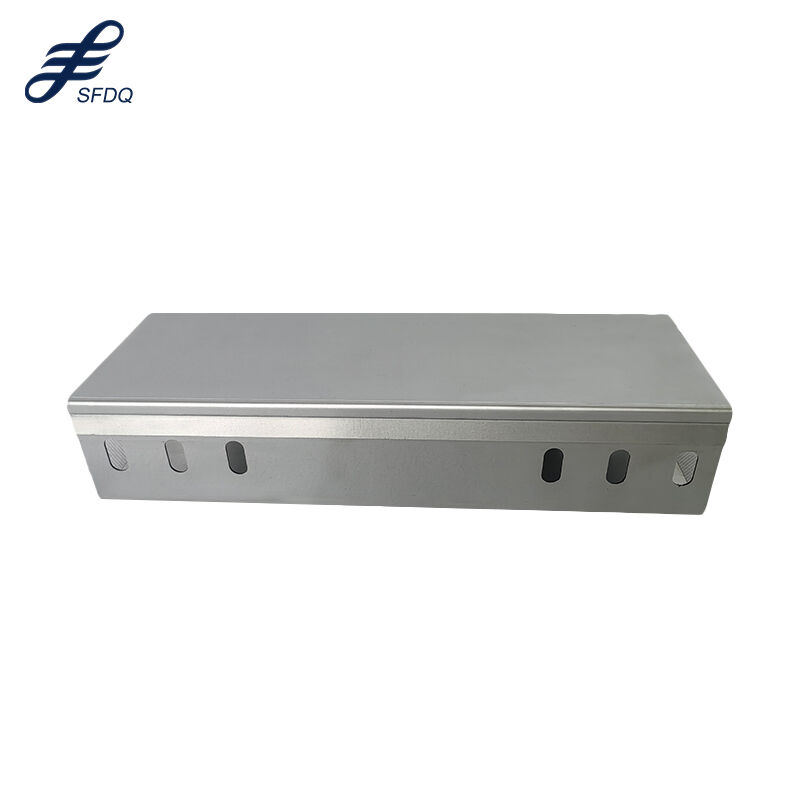
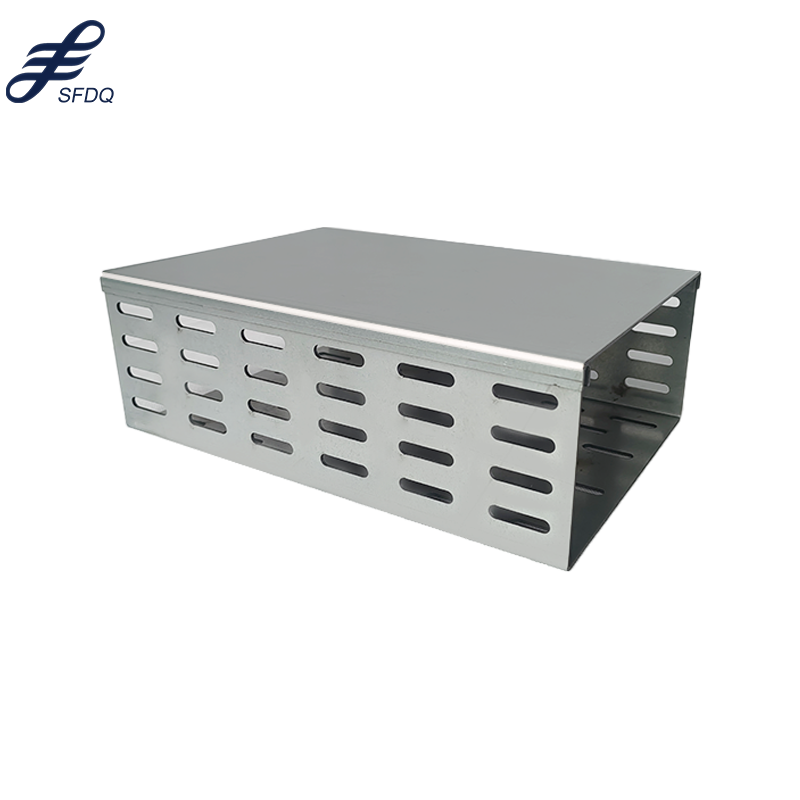
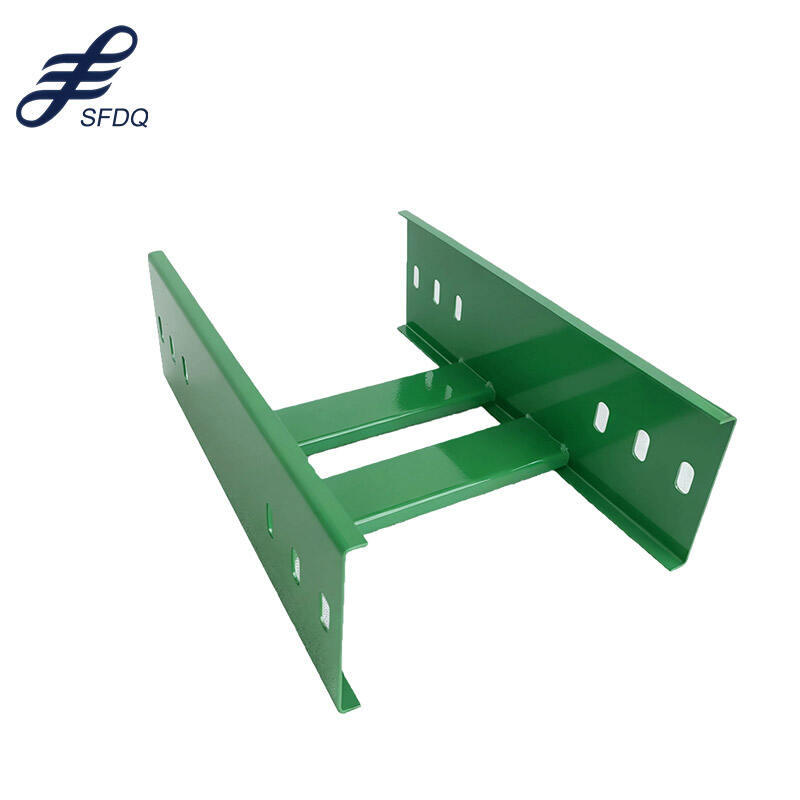
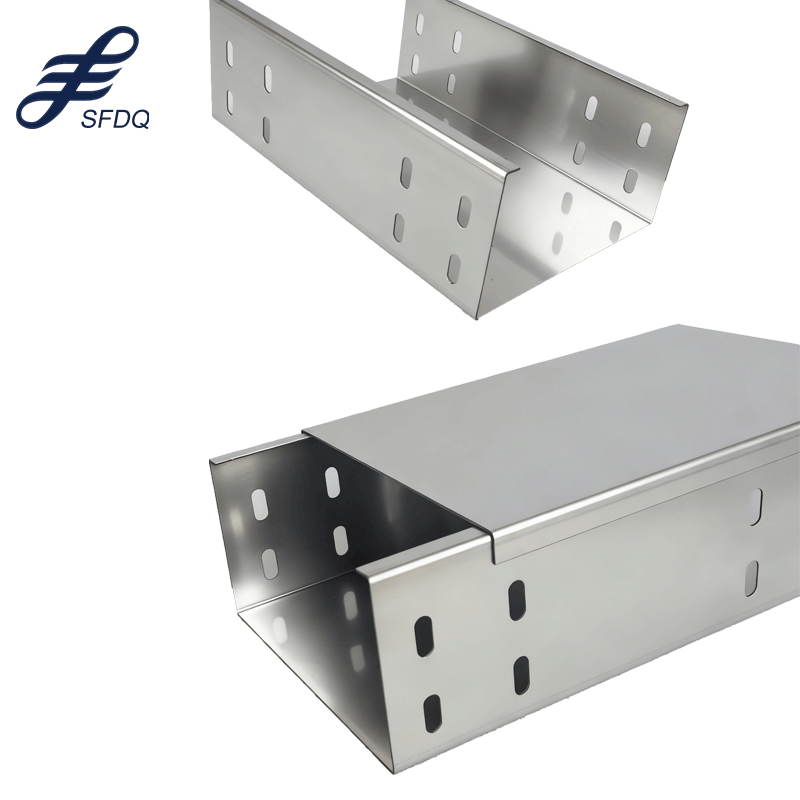
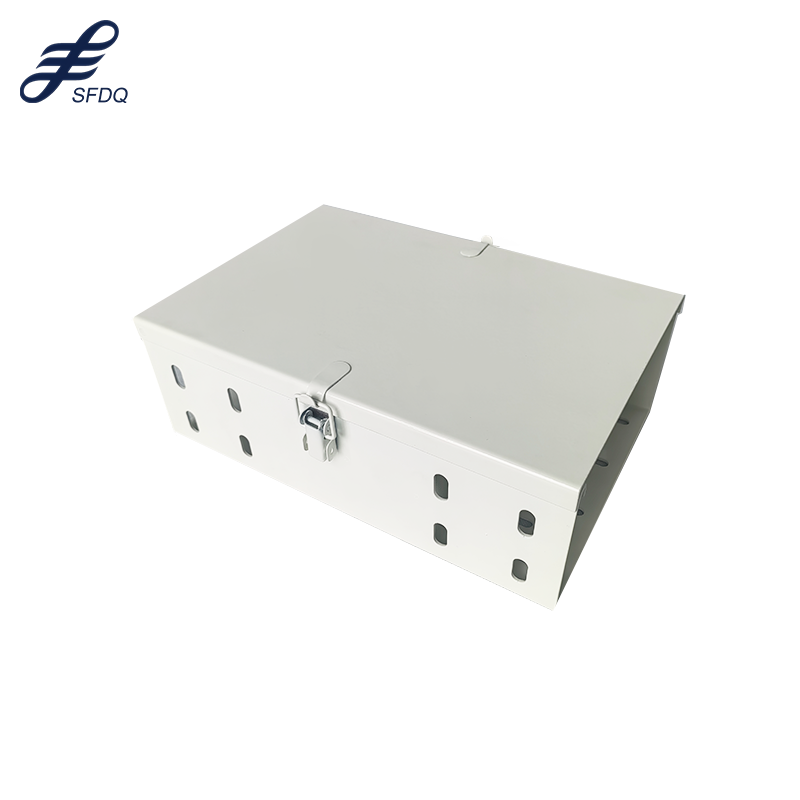
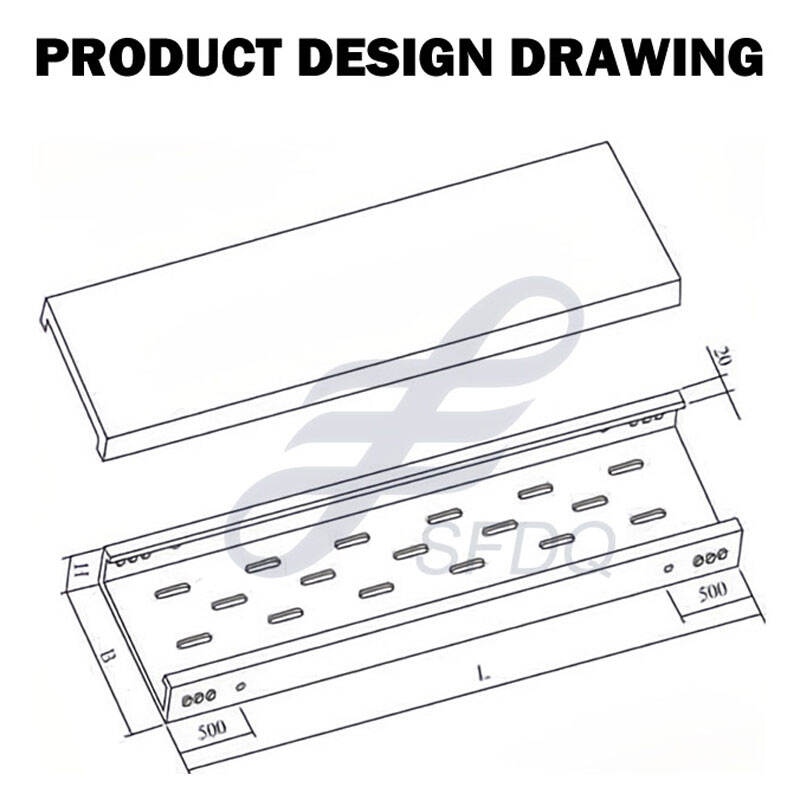
non perforated cable tray
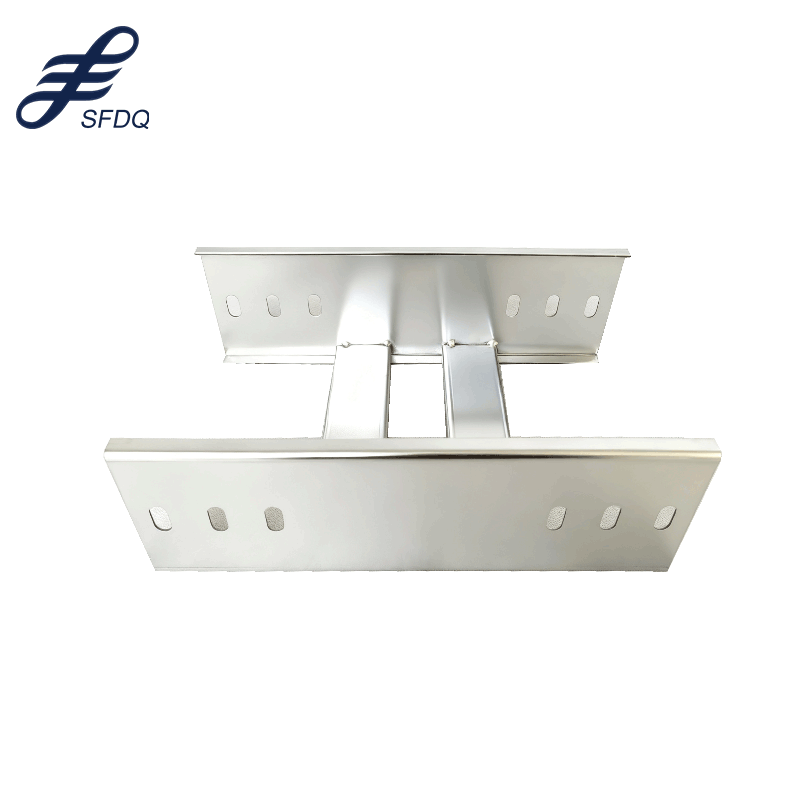
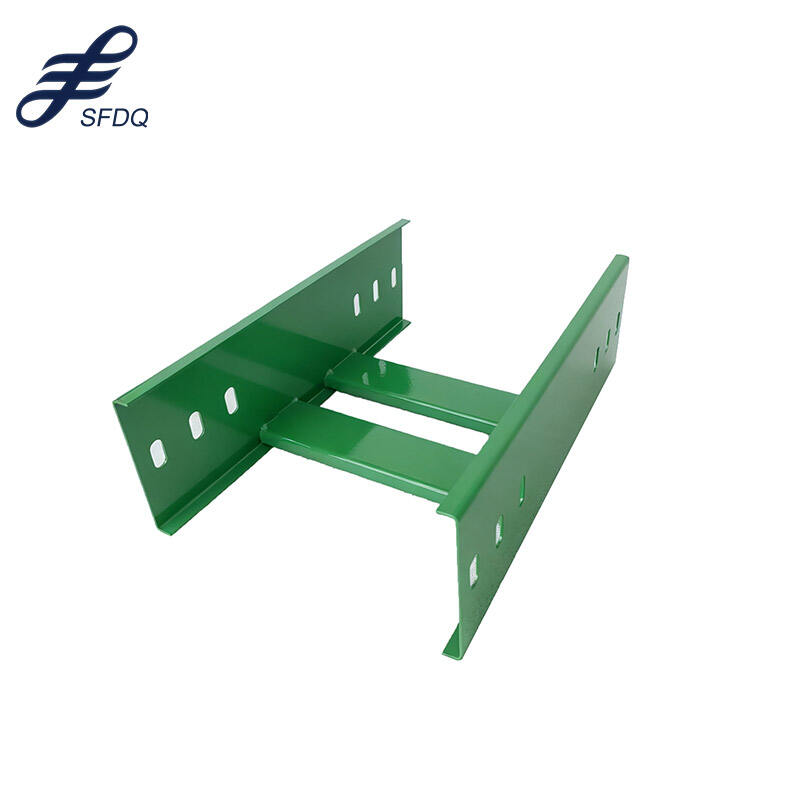
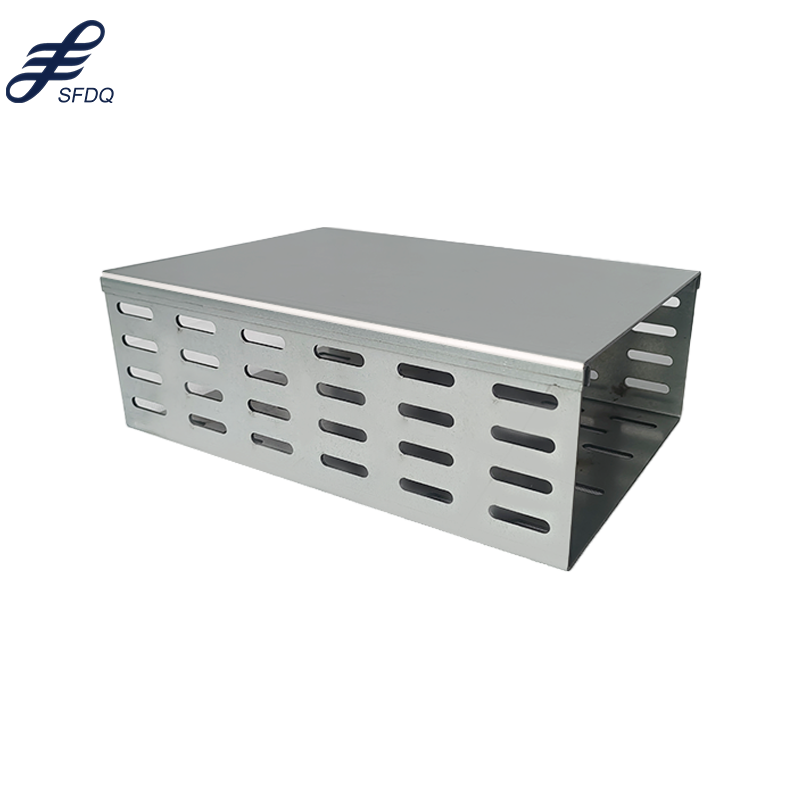
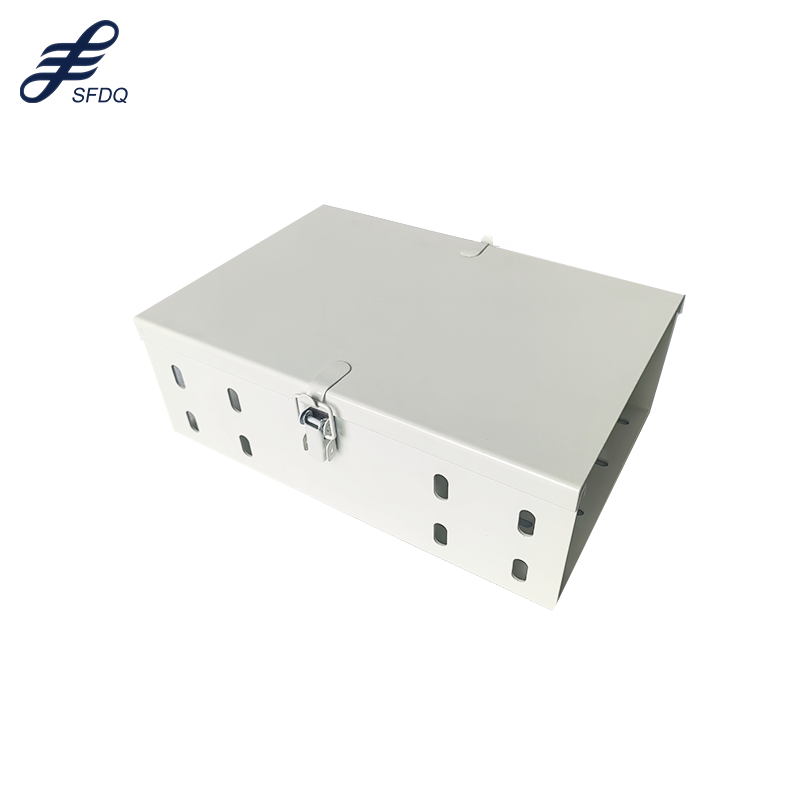
Non perforated cable tray represents a fundamental infrastructure solution designed to organize, support, and protect electrical cables in commercial, industrial, and institutional environments. Unlike its perforated counterpart, the non perforated cable tray features a solid bottom construction without holes or openings, providing enhanced protection and specialized functionality for specific applications. This robust cable management system serves as the backbone for electrical installations, ensuring reliable power distribution while maintaining safety standards and operational efficiency. The non perforated cable tray construction typically utilizes high-grade materials such as galvanized steel, stainless steel, or aluminum, offering exceptional durability and corrosion resistance. The solid bottom design creates a protective barrier that shields cables from environmental contaminants, moisture, and physical damage. This makes the non perforated cable tray particularly suitable for harsh industrial environments where cable protection is paramount. The technological features of non perforated cable tray include precision manufacturing processes that ensure dimensional accuracy and structural integrity. Advanced coating technologies provide superior corrosion protection, extending the service life of installations. The solid construction eliminates potential cable snagging points, reducing maintenance requirements and installation complexity. Load-bearing capabilities are optimized through engineered design principles, allowing the non perforated cable tray to support substantial cable weights while maintaining structural stability. Applications for non perforated cable tray span across diverse industries including manufacturing facilities, data centers, healthcare institutions, educational campuses, and commercial buildings. The system excels in environments requiring enhanced cable protection, electromagnetic interference shielding, or contamination prevention. Power distribution systems, control circuits, and sensitive communication networks benefit significantly from the protective characteristics inherent in non perforated cable tray design. The versatility of this cable management solution enables integration into both new construction projects and retrofit applications, providing flexible installation options that accommodate varying architectural constraints and electrical requirements.
 EN
EN