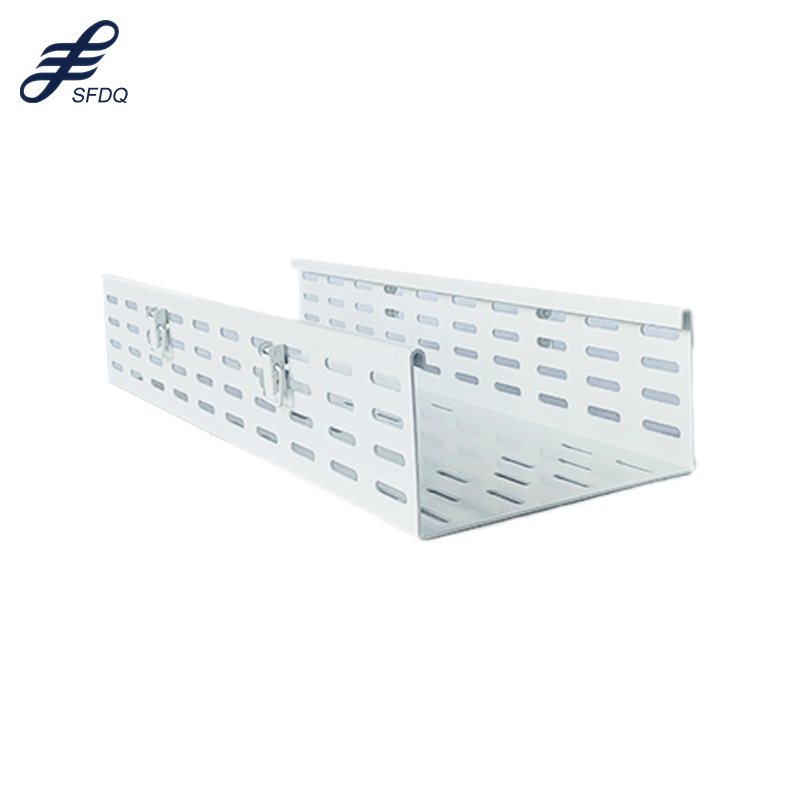
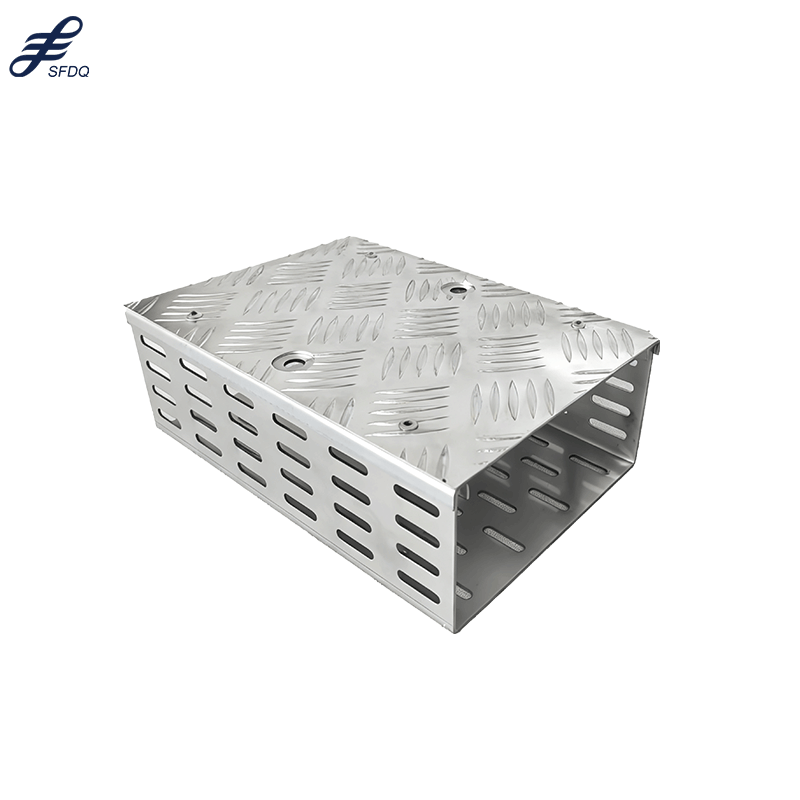
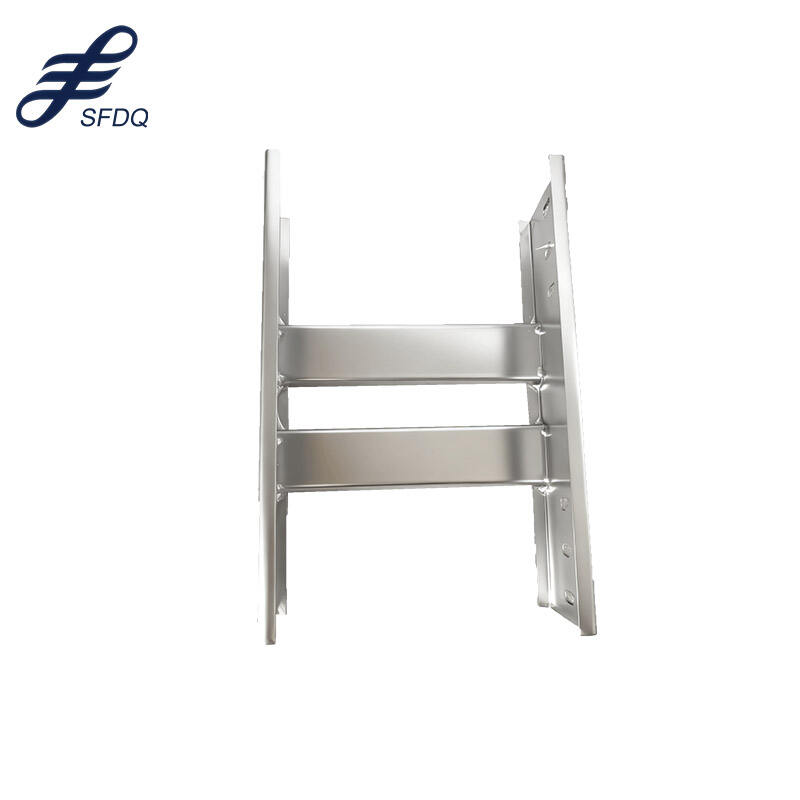
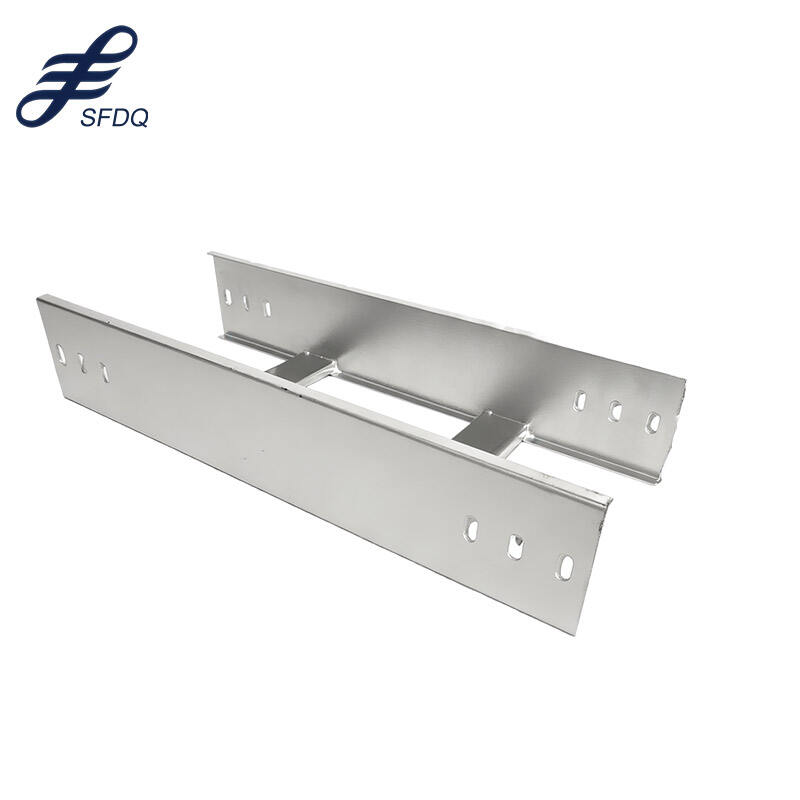
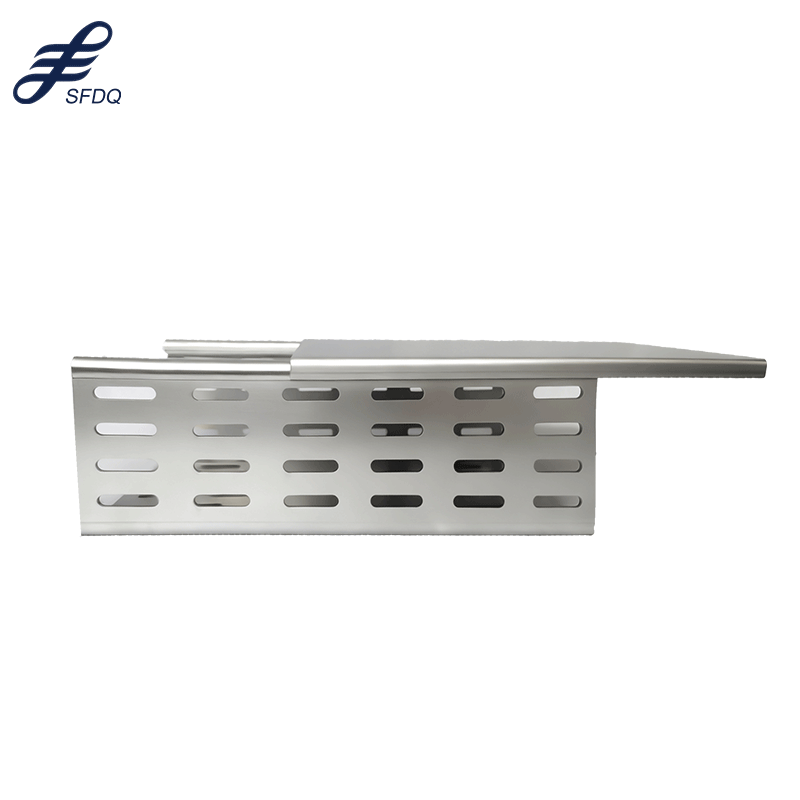
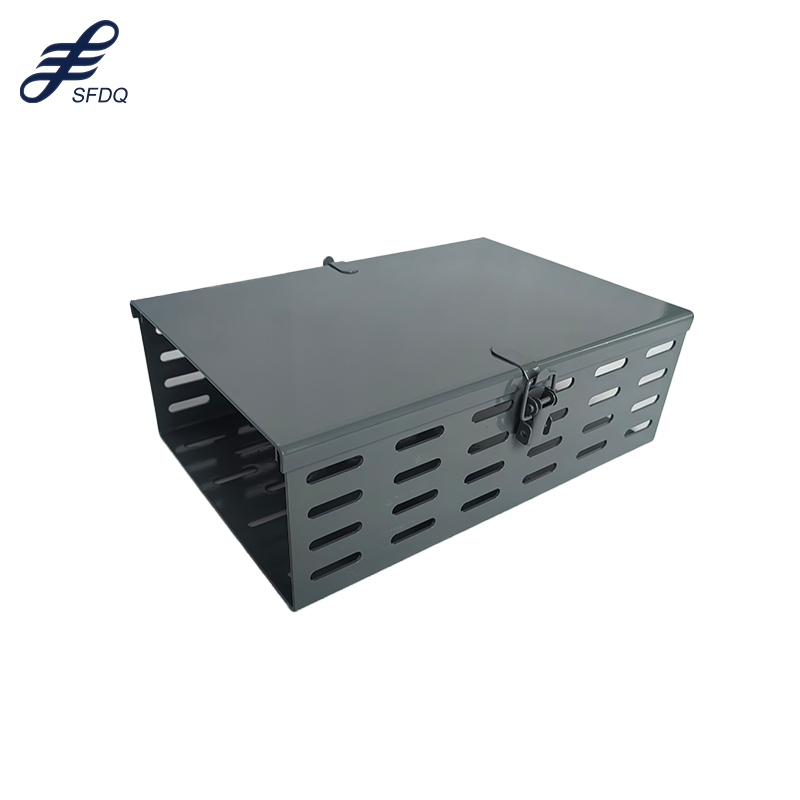
aluminium perforated cable tray
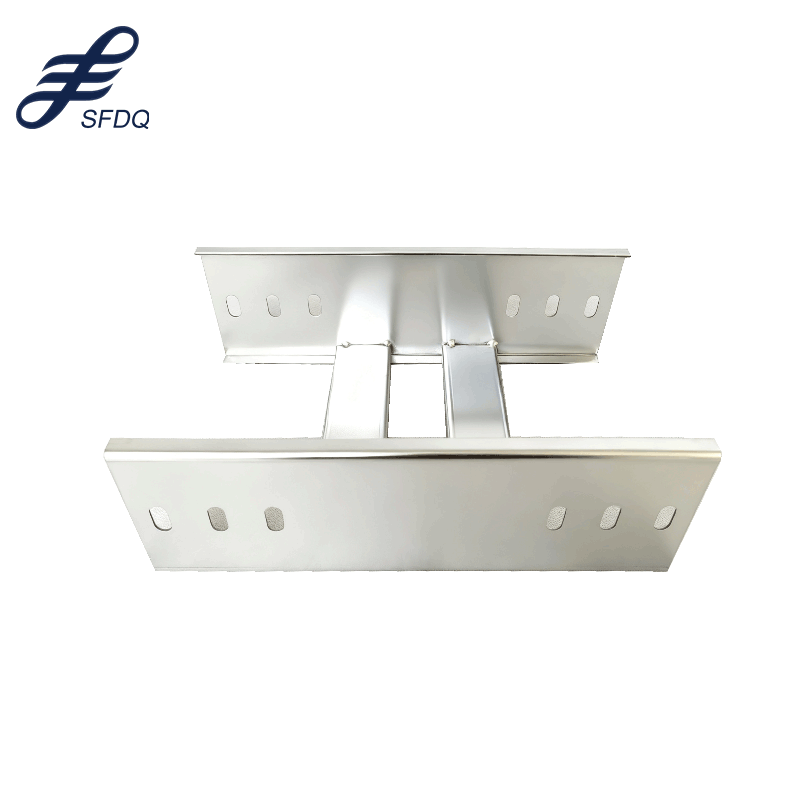
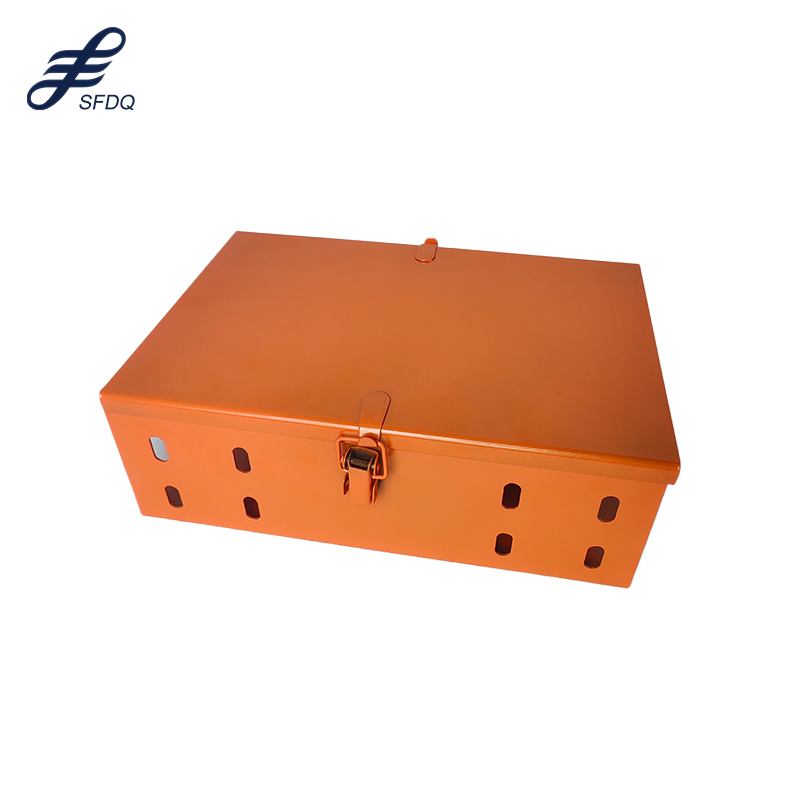
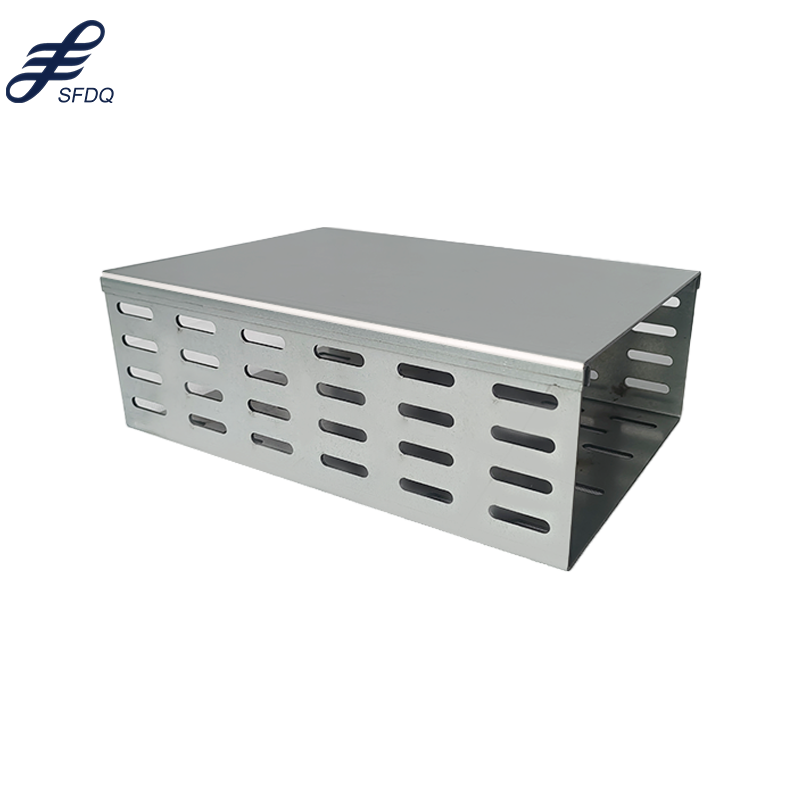
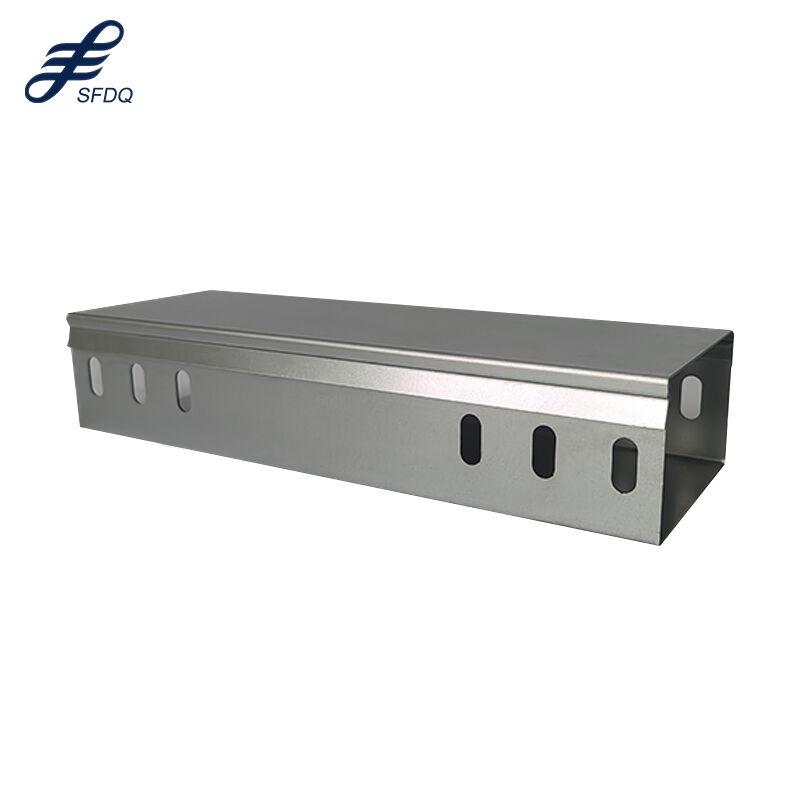
The aluminium perforated cable tray represents a cutting-edge solution for modern cable management systems, designed to provide optimal support and organization for electrical and data cables across various industrial and commercial applications. This innovative infrastructure component combines lightweight aluminium construction with strategically placed perforations to create an efficient pathway for cable routing while maintaining structural integrity and promoting proper ventilation. The primary function of an aluminium perforated cable tray involves supporting and protecting cables throughout buildings, manufacturing facilities, data centers, and outdoor installations. The perforated design allows for superior airflow circulation around cables, preventing overheating and ensuring optimal performance of electrical systems. The technological features of this cable management solution include corrosion-resistant properties inherent to aluminium construction, making it suitable for harsh environments including coastal areas with high salt content and industrial settings with chemical exposure. The perforation pattern is engineered to provide maximum strength-to-weight ratio while facilitating easy cable installation and maintenance access. Advanced manufacturing processes ensure consistent hole spacing and edge finishing, preventing cable damage during installation. The modular design allows for flexible configuration and easy expansion of cable routing systems. Applications for aluminium perforated cable tray span numerous industries including telecommunications, power generation, manufacturing plants, commercial buildings, hospitals, educational institutions, and transportation hubs. In data centers, these trays efficiently manage server cables while promoting cooling efficiency. Industrial facilities utilize them for power distribution and control cable organization. The construction industry relies on aluminium perforated cable tray systems for building infrastructure, HVAC systems integration, and fire safety compliance. Marine and offshore applications benefit from the corrosion resistance properties, while renewable energy installations use them for solar panel and wind turbine cable management.
 EN
EN