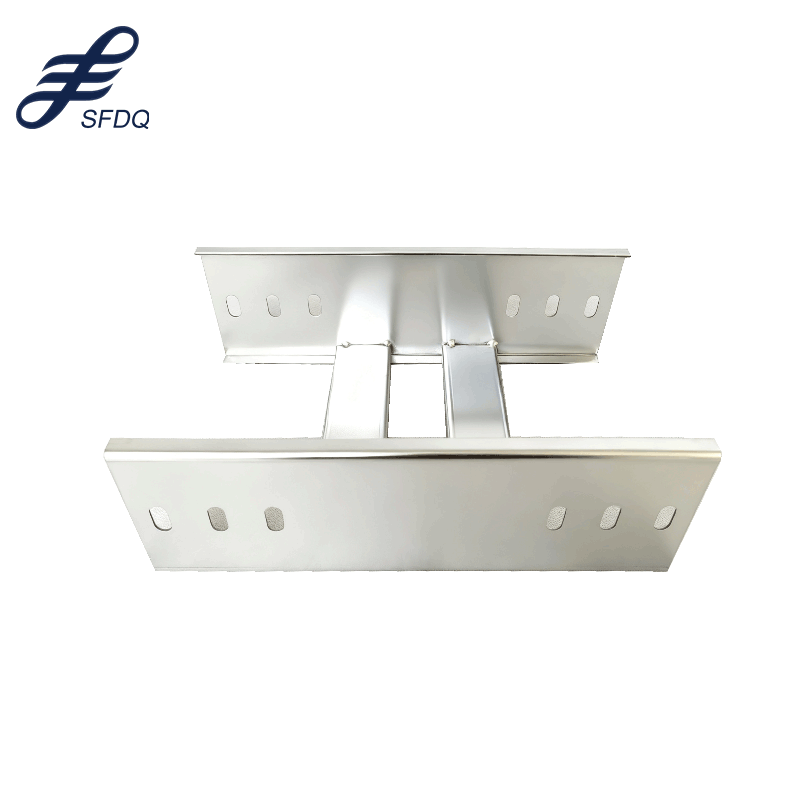
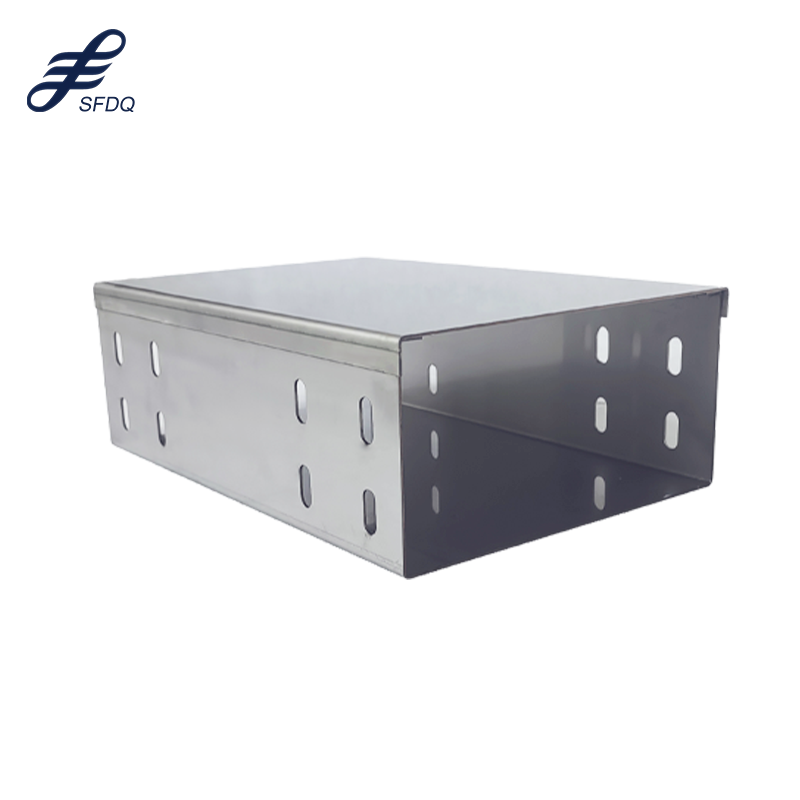
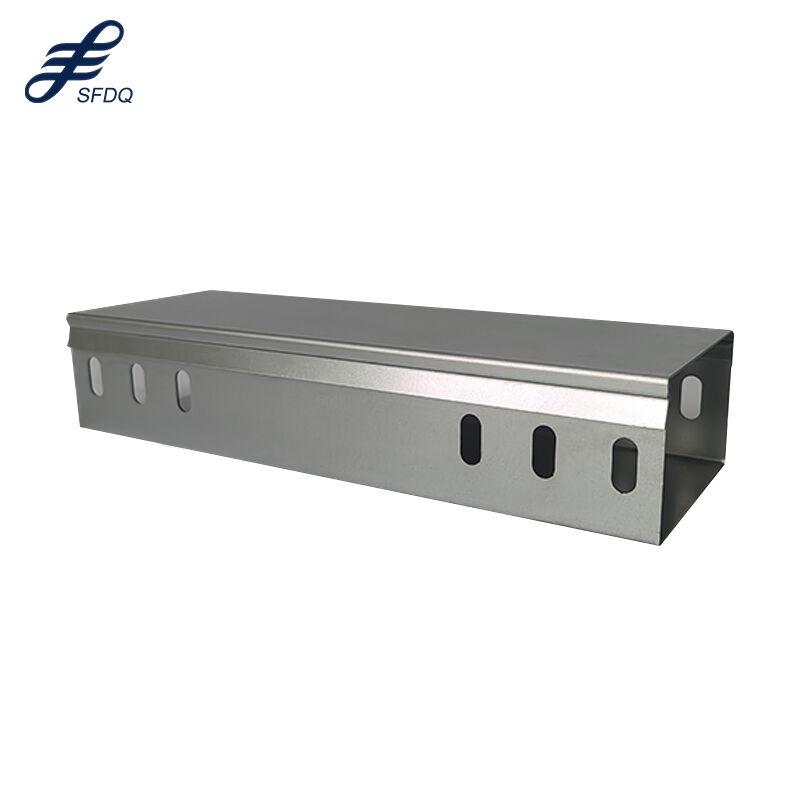
metallic perforated cable tray
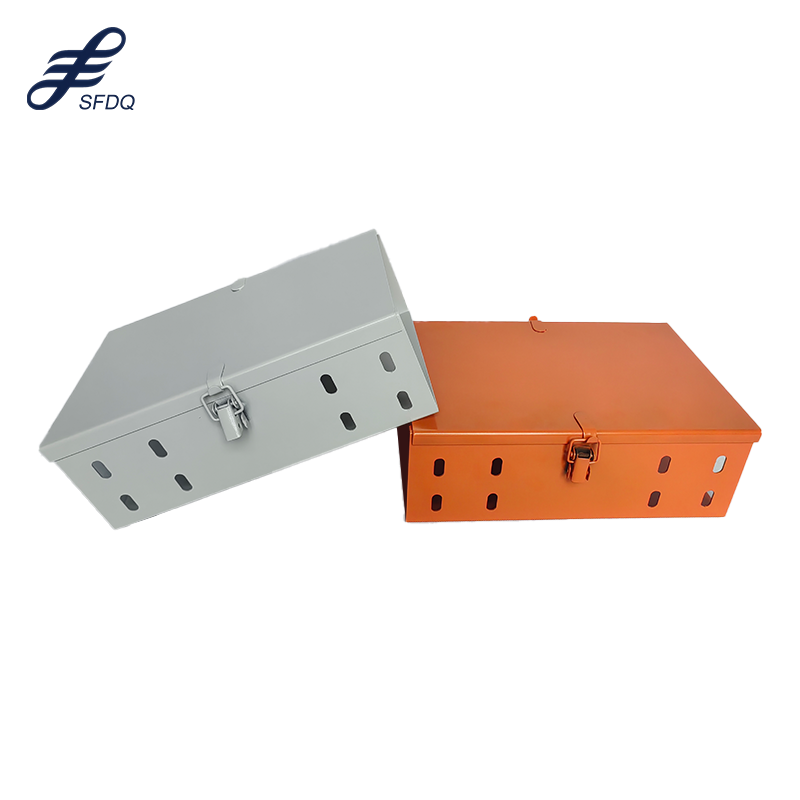
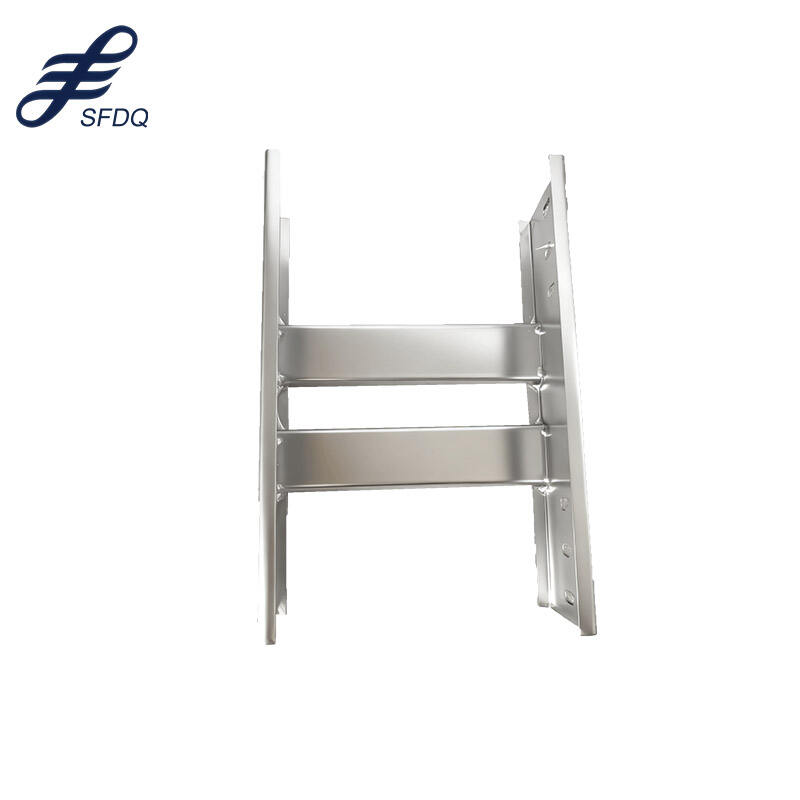
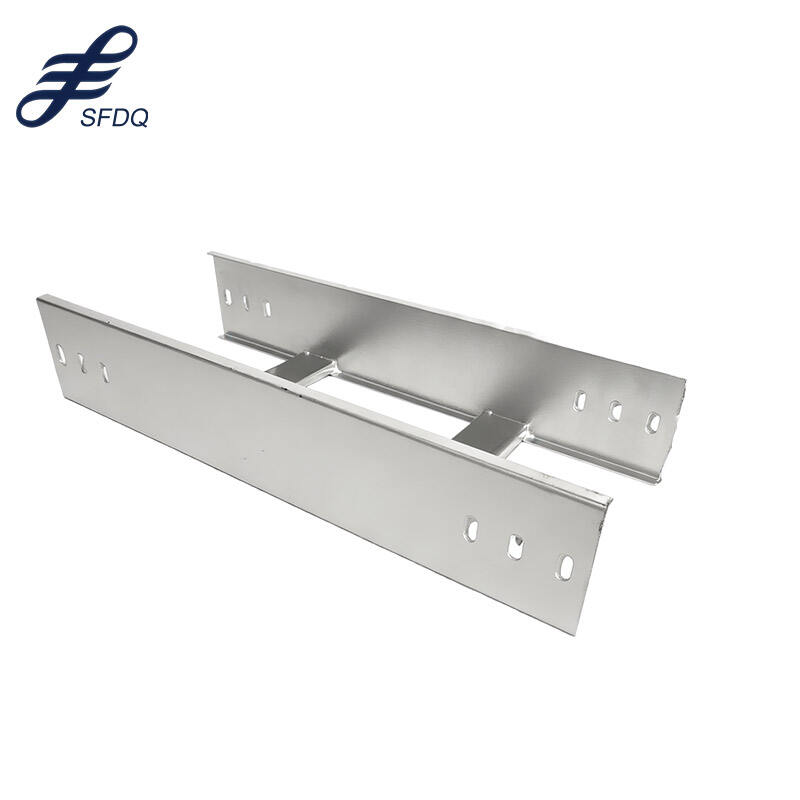
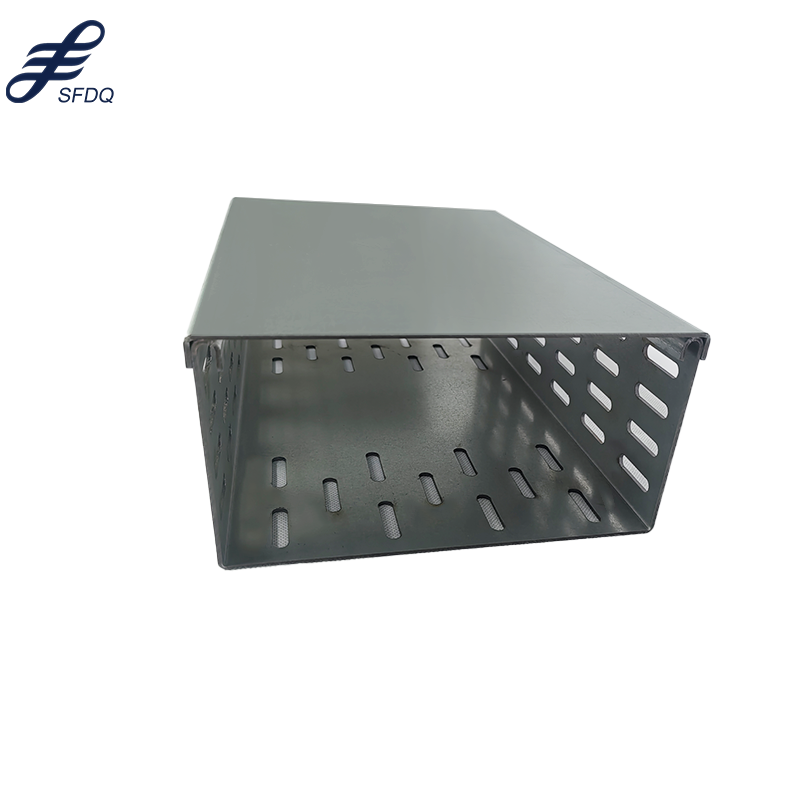
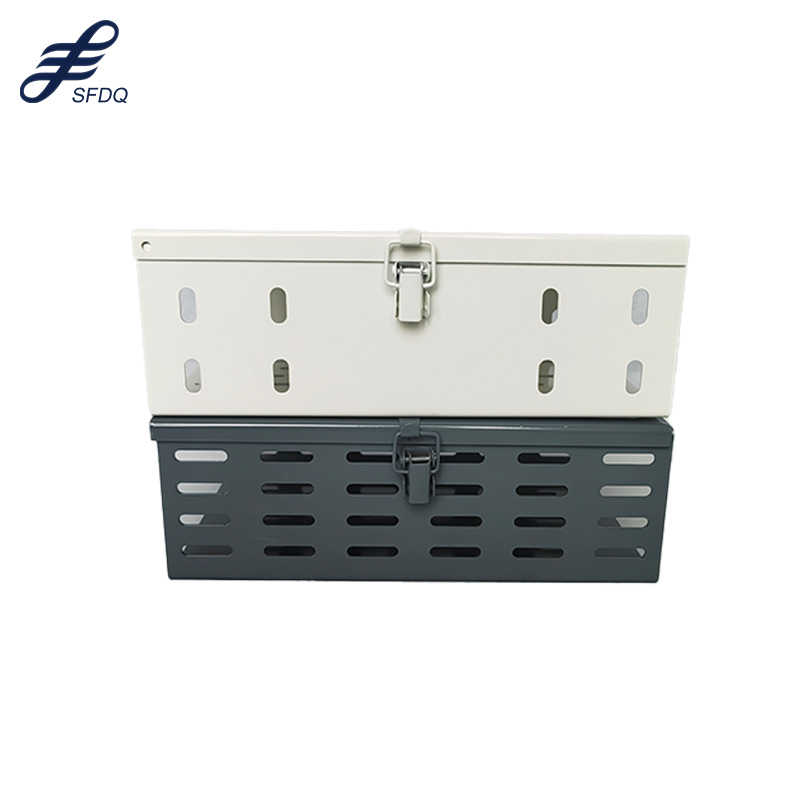
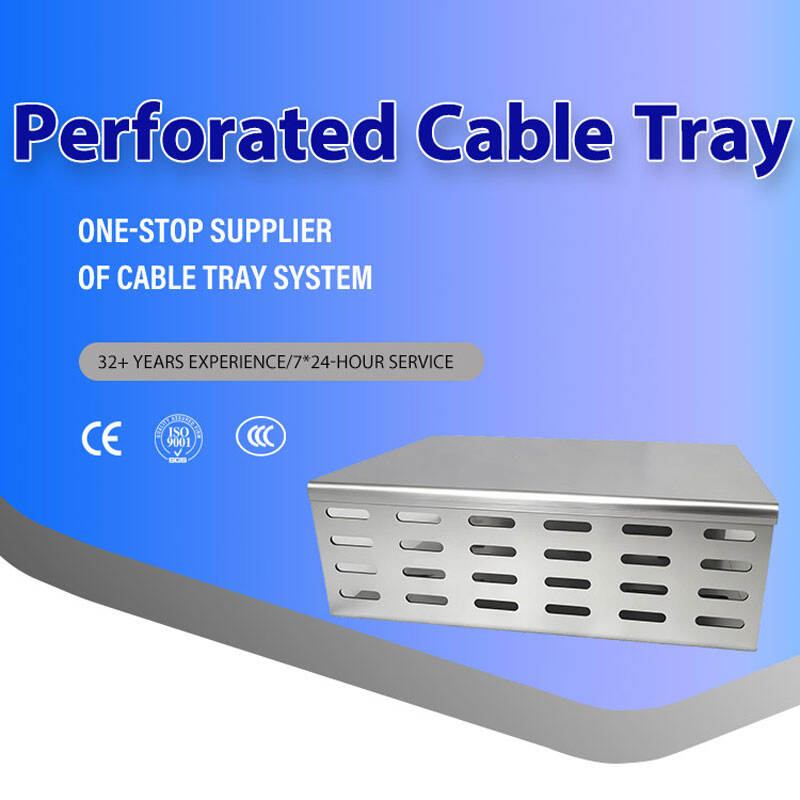
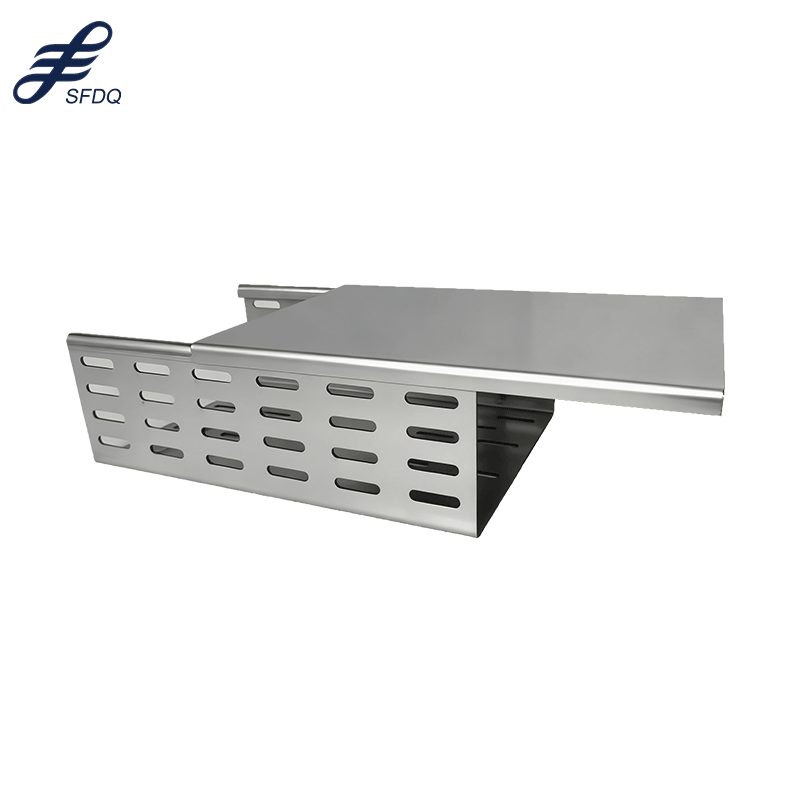
The metallic perforated cable tray represents a sophisticated infrastructure solution designed to organize, protect, and route electrical cables and communication wiring systems across commercial, industrial, and residential environments. This innovative system features strategically positioned perforations throughout its metallic construction, creating an optimal balance between structural integrity and functional versatility. The primary function of the metallic perforated cable tray involves providing secure cable management while facilitating proper ventilation and accessibility for maintenance operations. Constructed from high-grade steel or aluminum materials, these trays undergo specialized manufacturing processes including precision perforation techniques that ensure consistent hole patterns and dimensions. The perforations serve multiple technological purposes, including enhanced heat dissipation, reduced cable stress, and improved electromagnetic interference management. Advanced coating technologies protect the metallic perforated cable tray from environmental factors such as moisture, chemicals, and temperature fluctuations. The modular design philosophy enables seamless integration with existing infrastructure systems while accommodating future expansion requirements. Installation flexibility allows for horizontal, vertical, and angled configurations, making the metallic perforated cable tray suitable for complex routing scenarios. Applications span across data centers where high-density cable management requires exceptional organization and cooling capabilities. Manufacturing facilities benefit from the robust construction that withstands harsh industrial conditions while maintaining easy access for cable modifications. Healthcare institutions utilize these systems for critical infrastructure supporting life-safety equipment and communication networks. Educational facilities rely on metallic perforated cable trays for comprehensive technology infrastructure supporting modern learning environments. The standardized dimensions and connection systems ensure compatibility with international installation standards and electrical codes, facilitating global deployment and compliance requirements.
 EN
EN