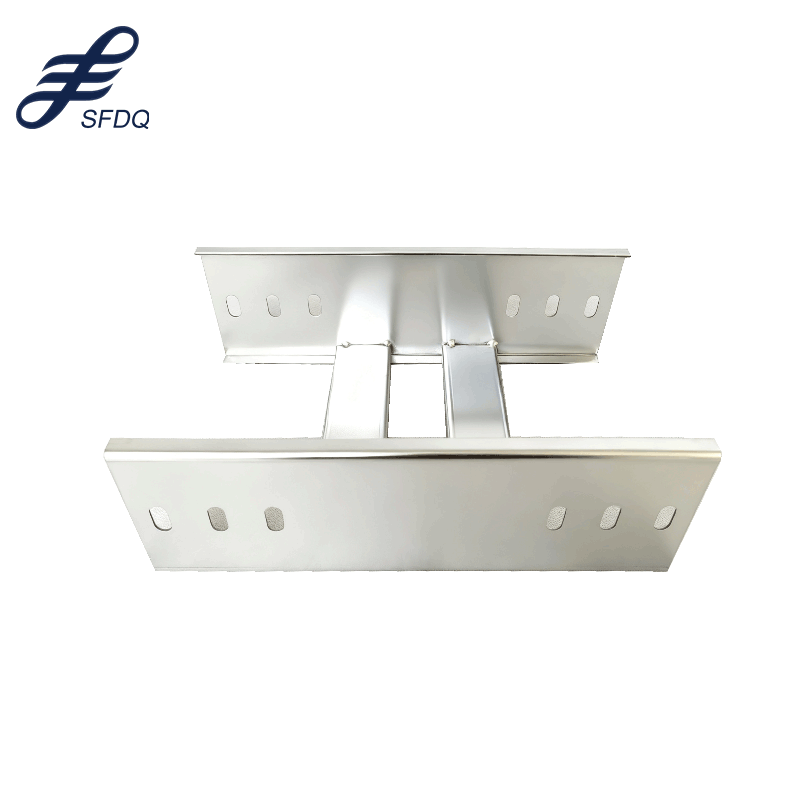
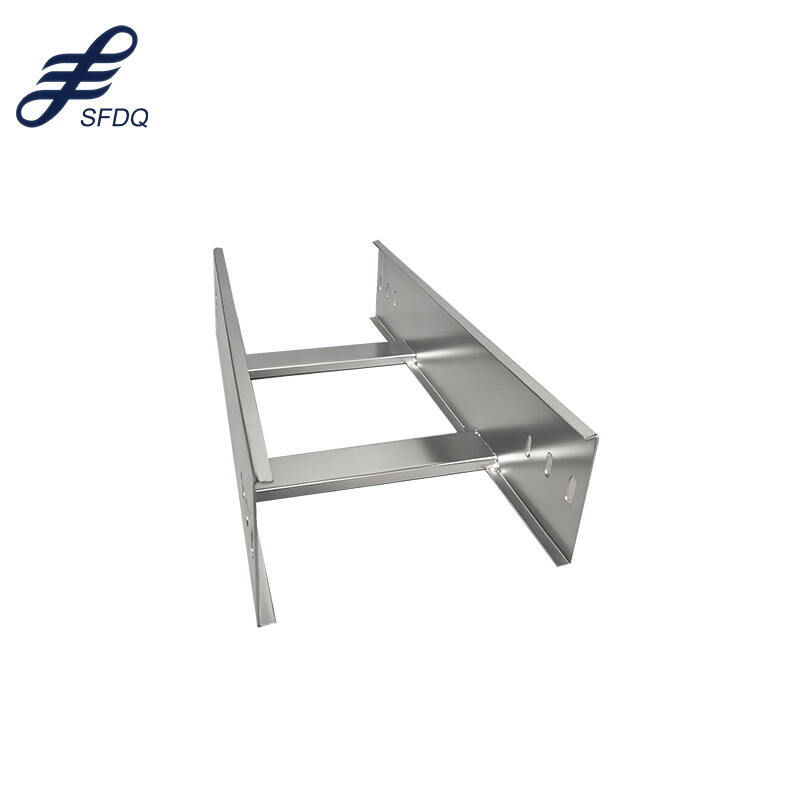
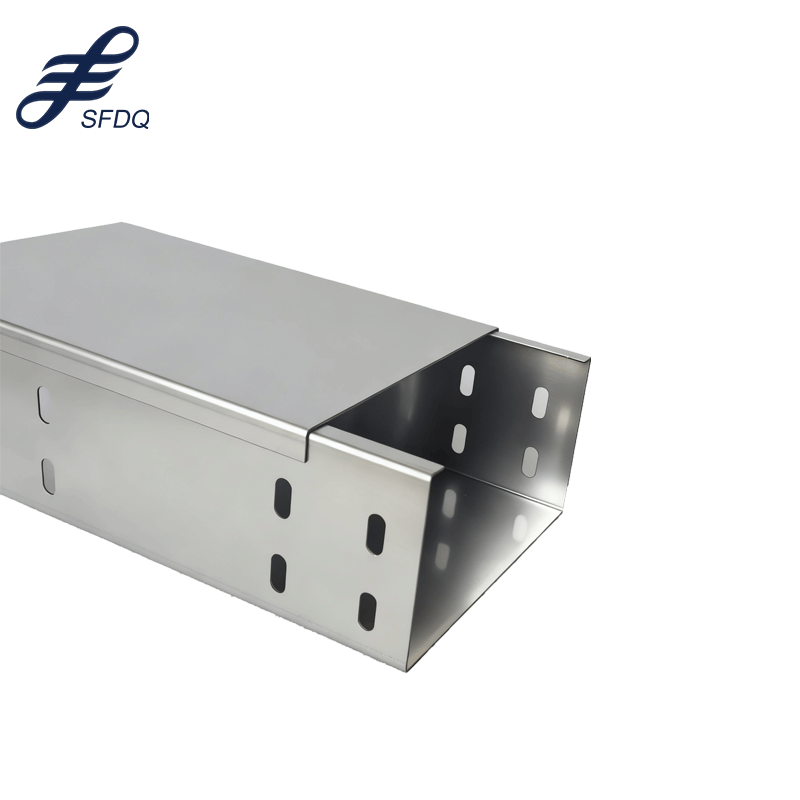
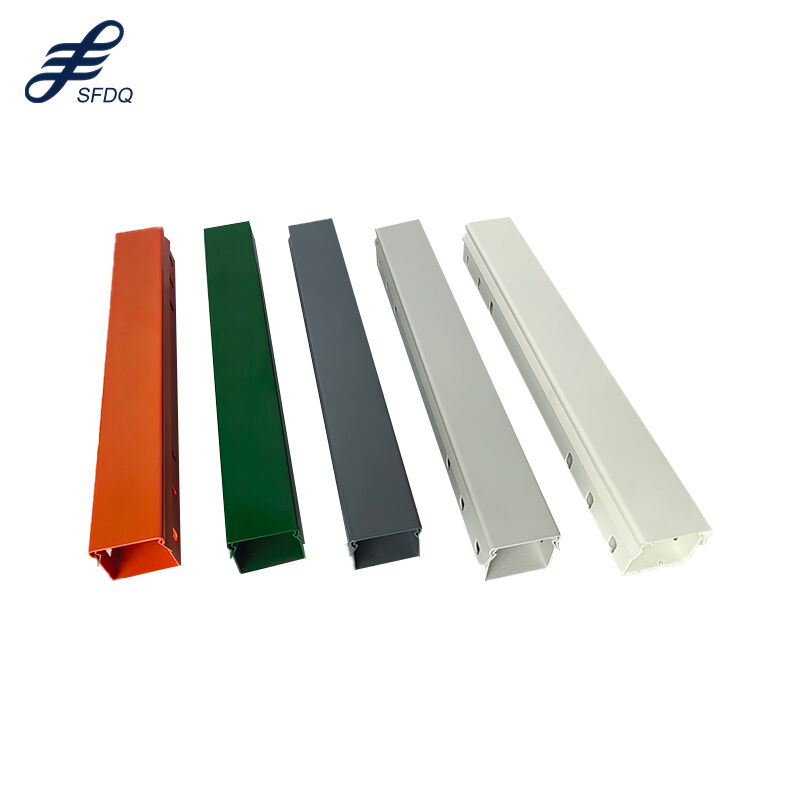
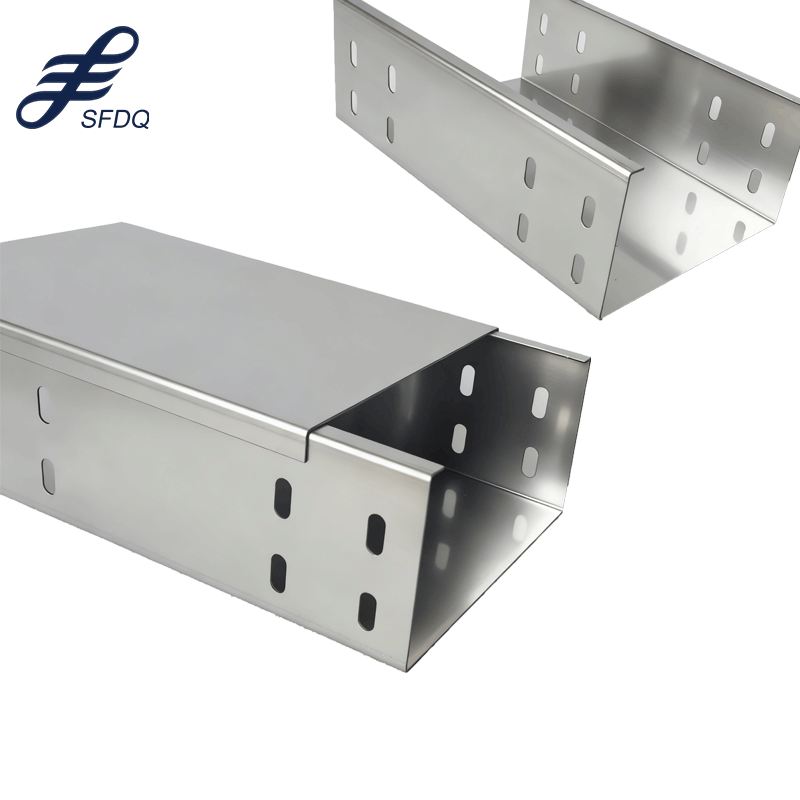
tray and trunking
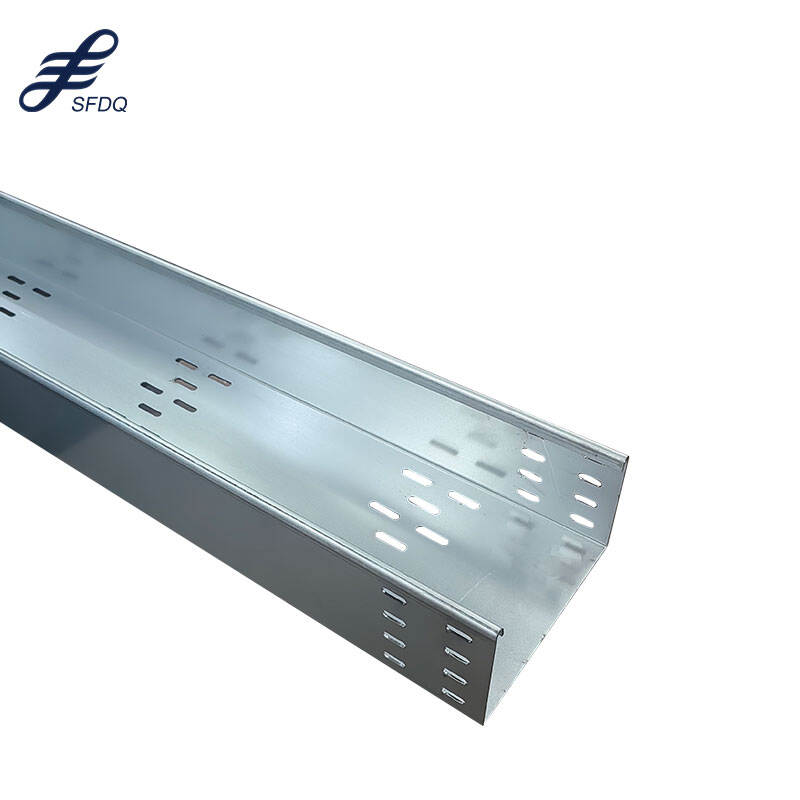
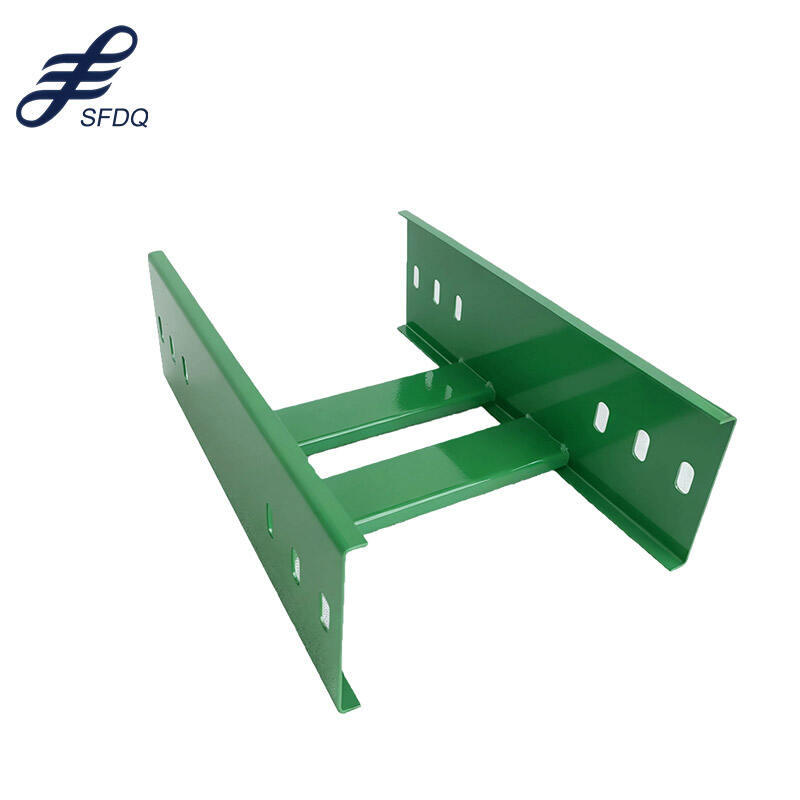
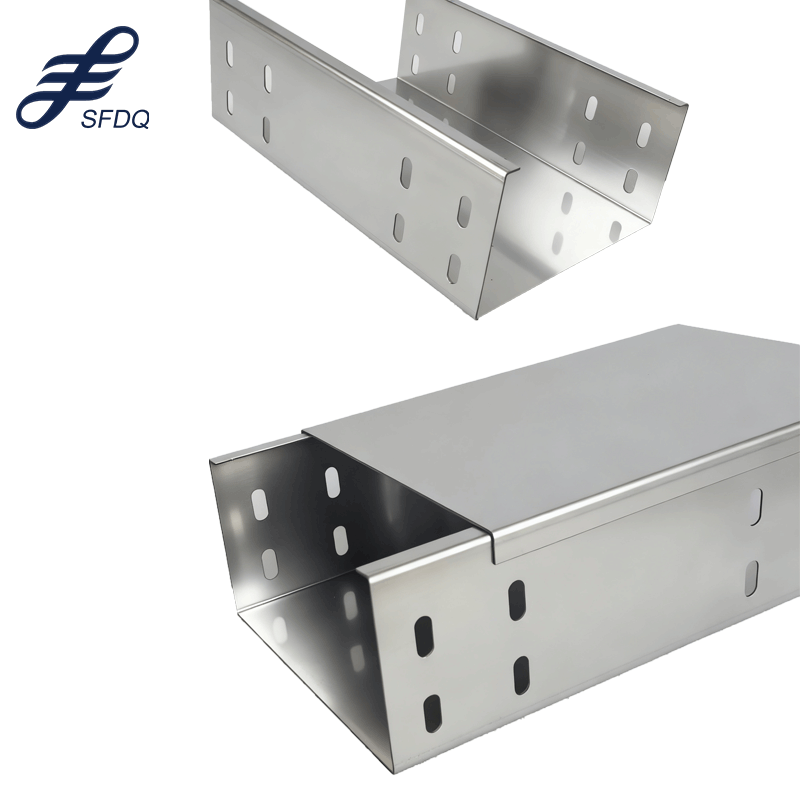
Tray and trunking systems represent essential infrastructure components in modern electrical and cable management applications across commercial, industrial, and residential environments. These robust cable management solutions provide organized pathways for electrical wires, data cables, and communication lines, ensuring safe and efficient distribution throughout buildings and facilities. The primary function of tray and trunking systems involves protecting cables from environmental hazards while maintaining accessibility for maintenance and future modifications. These systems consist of metal or non-metal channels, supports, and accessories that create structured cable routes from distribution points to end-use locations. Technological features of contemporary tray and trunking include corrosion-resistant materials, modular construction, and integrated grounding systems that enhance electrical safety. Advanced manufacturing techniques produce lightweight yet durable components that resist fire, moisture, and chemical exposure. Modern tray and trunking designs incorporate ventilation features that prevent heat buildup, extending cable lifespan and maintaining optimal performance. The modular nature allows flexible configuration to accommodate various cable types and future expansion needs. Applications span diverse sectors including manufacturing facilities, office buildings, hospitals, data centers, and residential complexes. In industrial settings, tray and trunking systems handle heavy-duty power cables and control wiring for machinery and equipment. Commercial installations utilize these systems for lighting circuits, emergency power distribution, and telecommunications infrastructure. Healthcare facilities rely on tray and trunking for critical power systems, medical equipment connections, and specialized monitoring networks. Data centers implement sophisticated tray and trunking networks to manage thousands of network cables and power connections efficiently. The systems support both overhead and underground installations, adapting to architectural constraints and operational requirements. Proper installation of tray and trunking ensures compliance with electrical codes and safety standards while providing long-term reliability for cable management needs.
 EN
EN