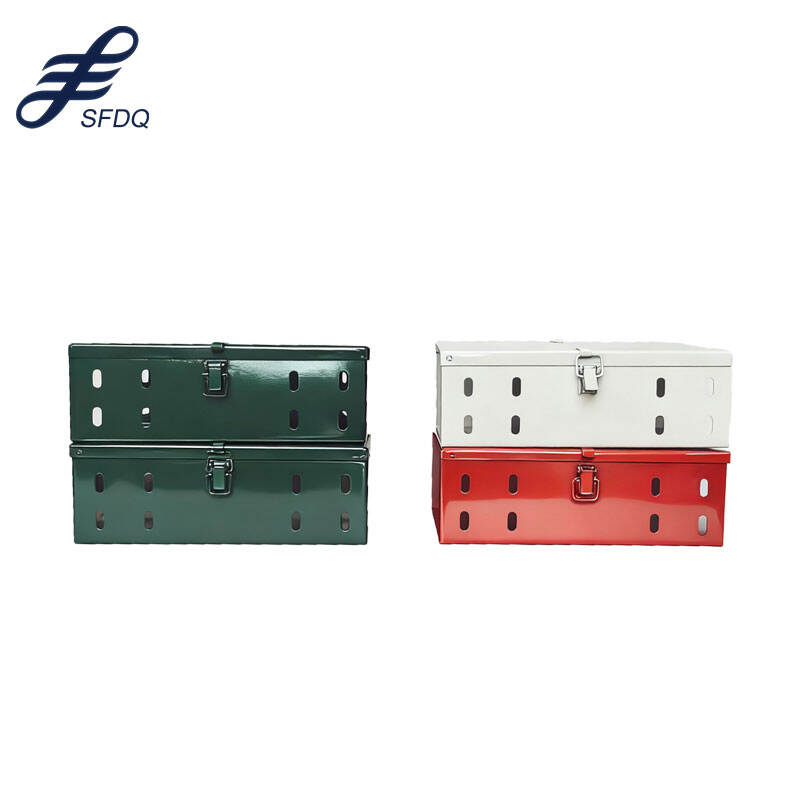
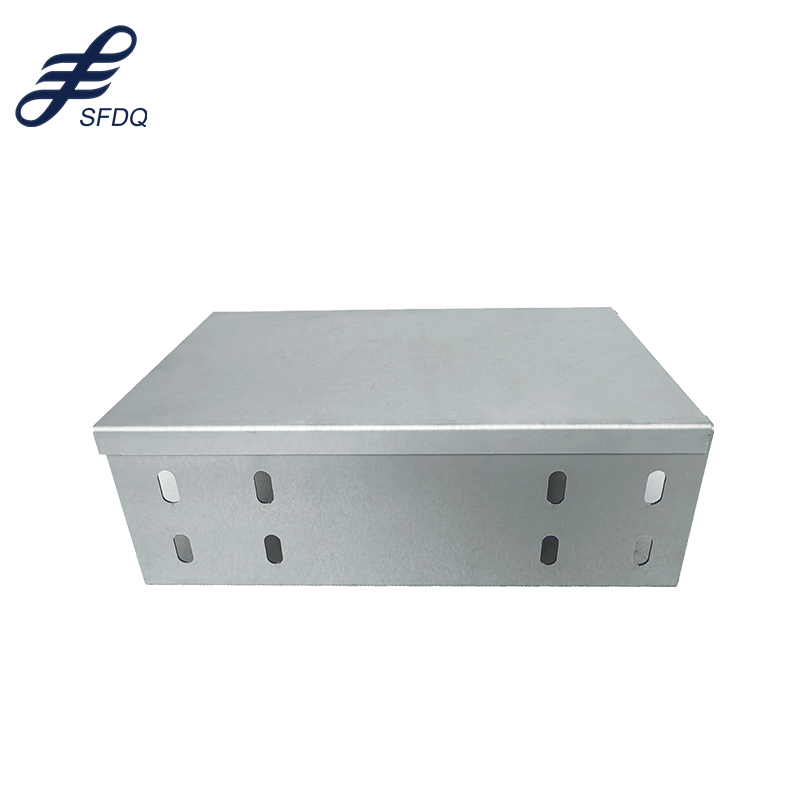
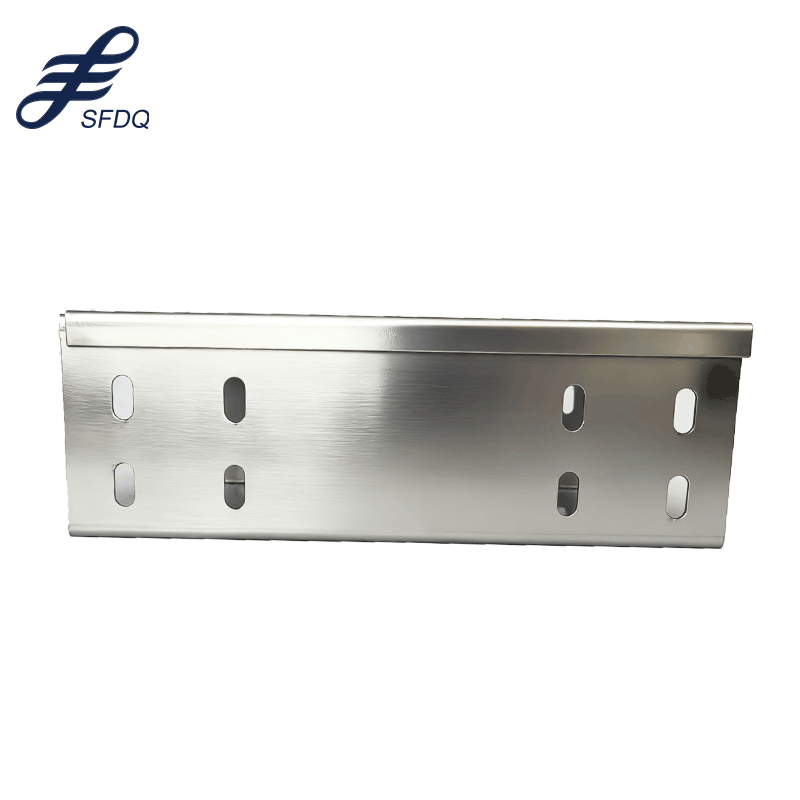
d line cable trunking
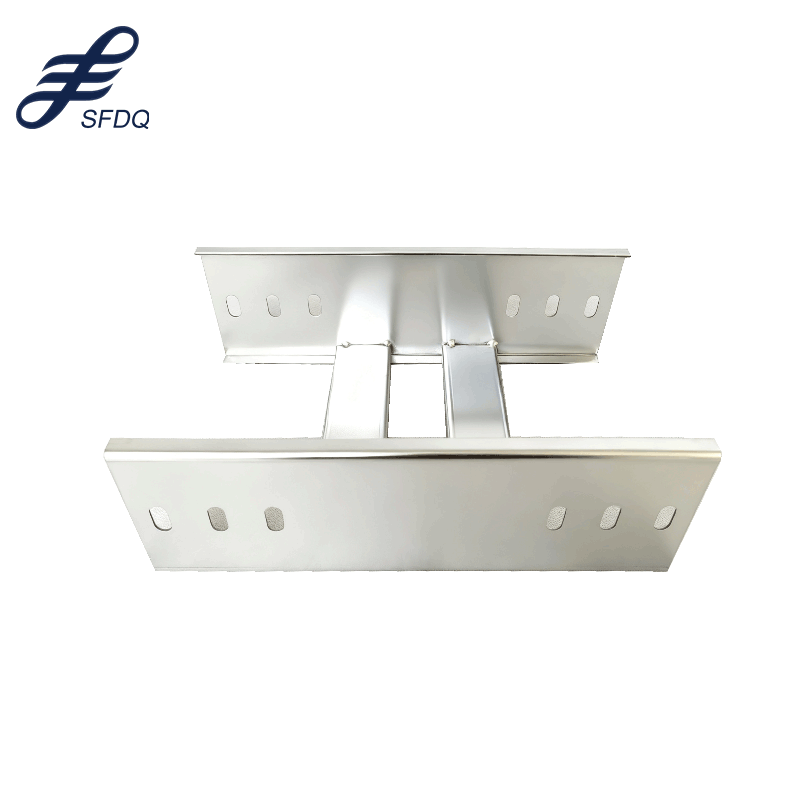
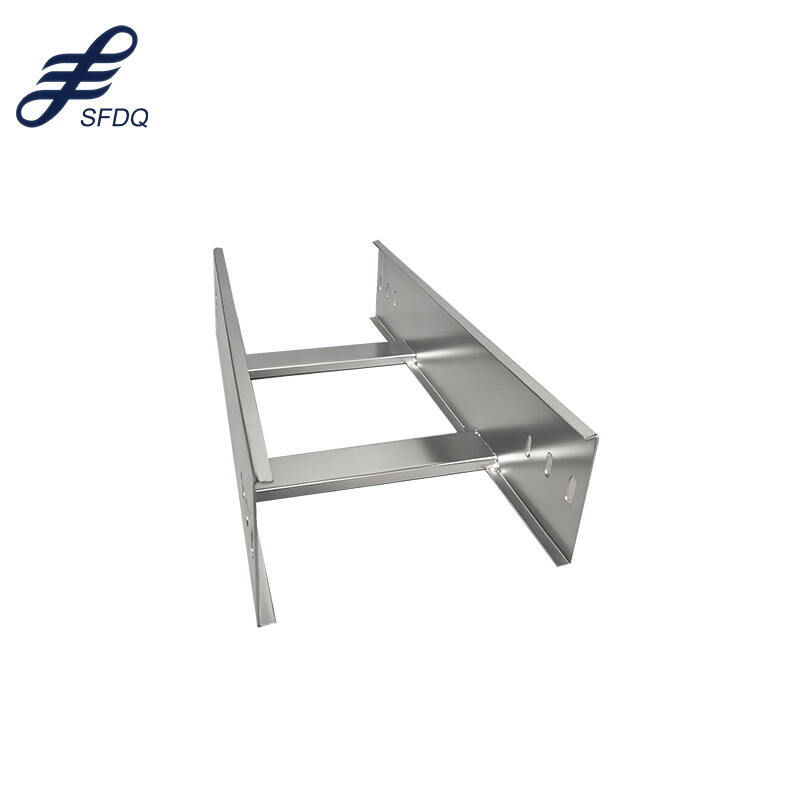
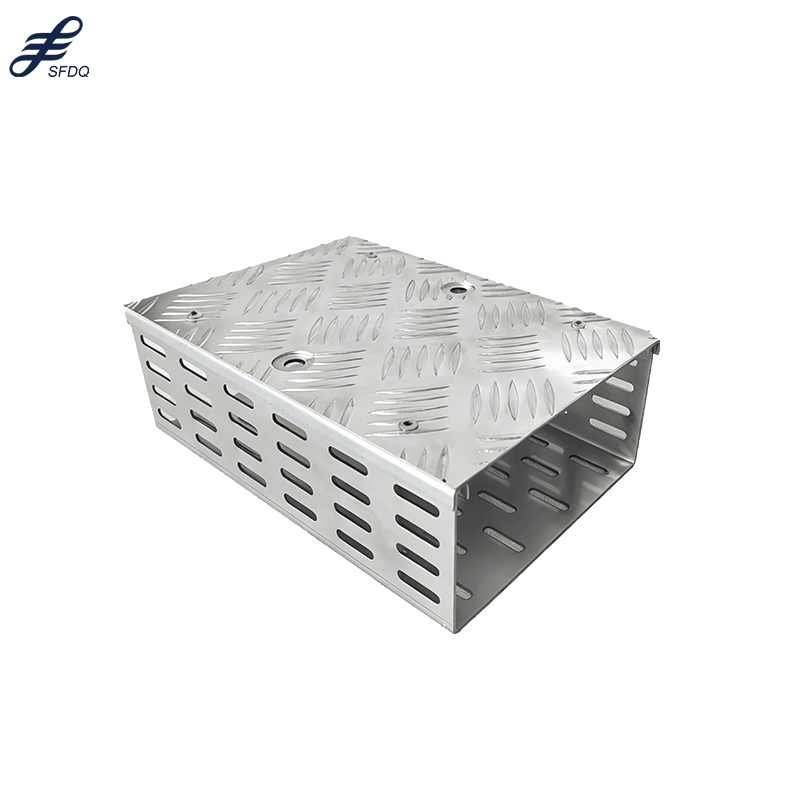
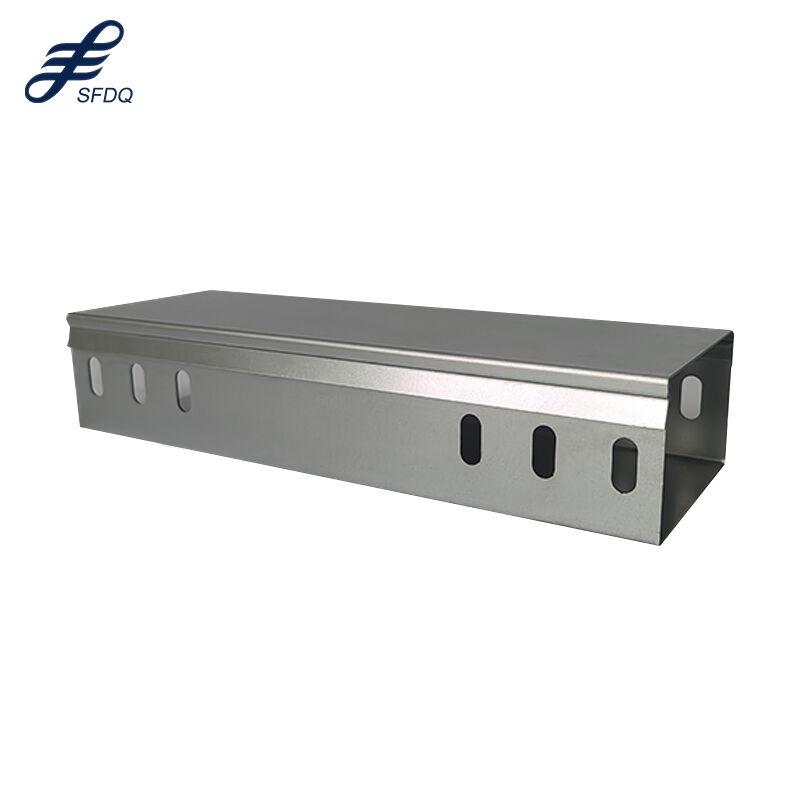
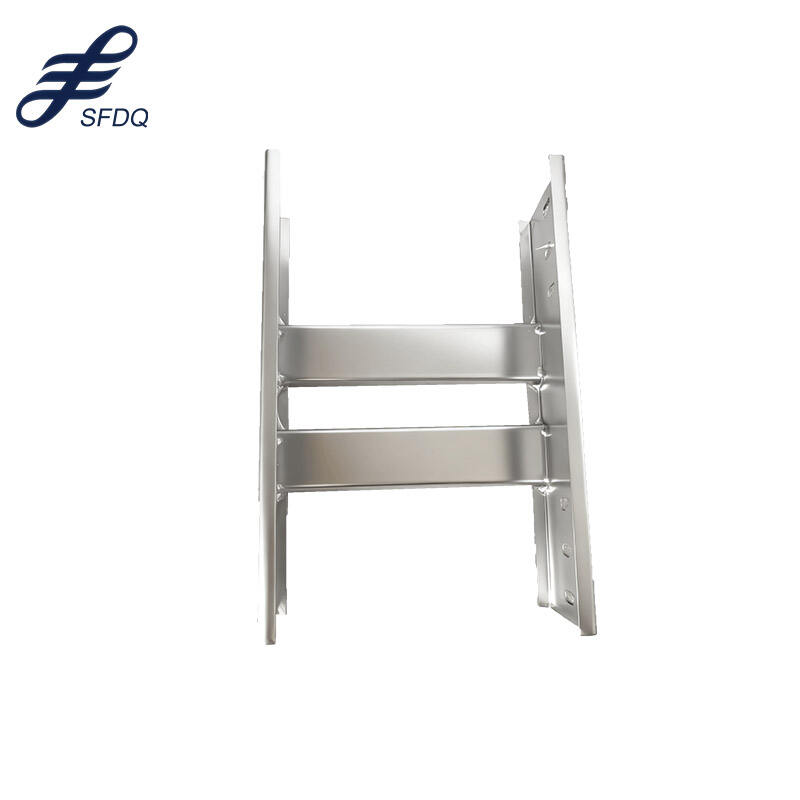
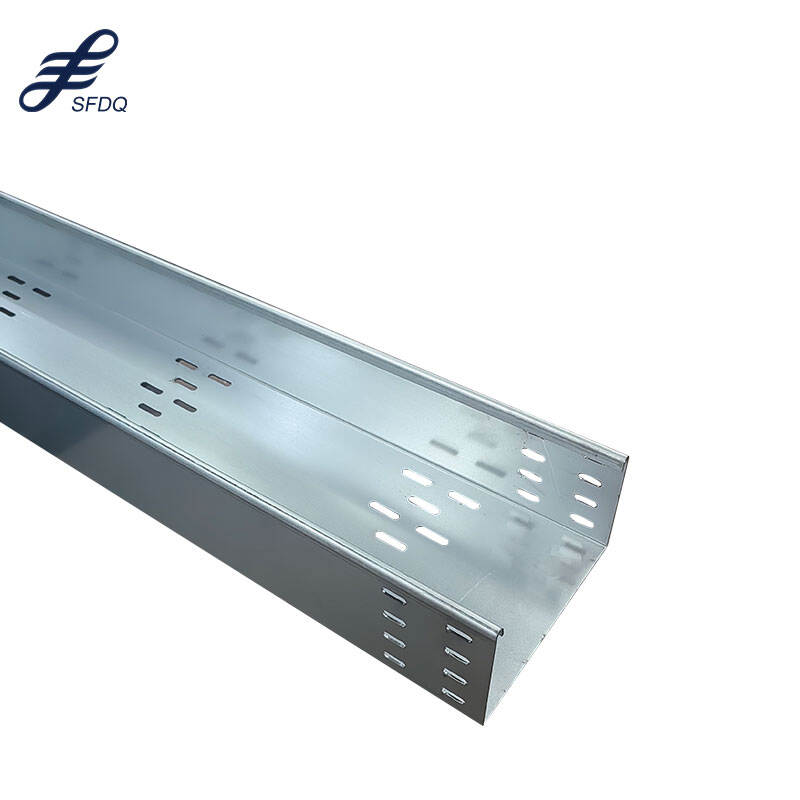
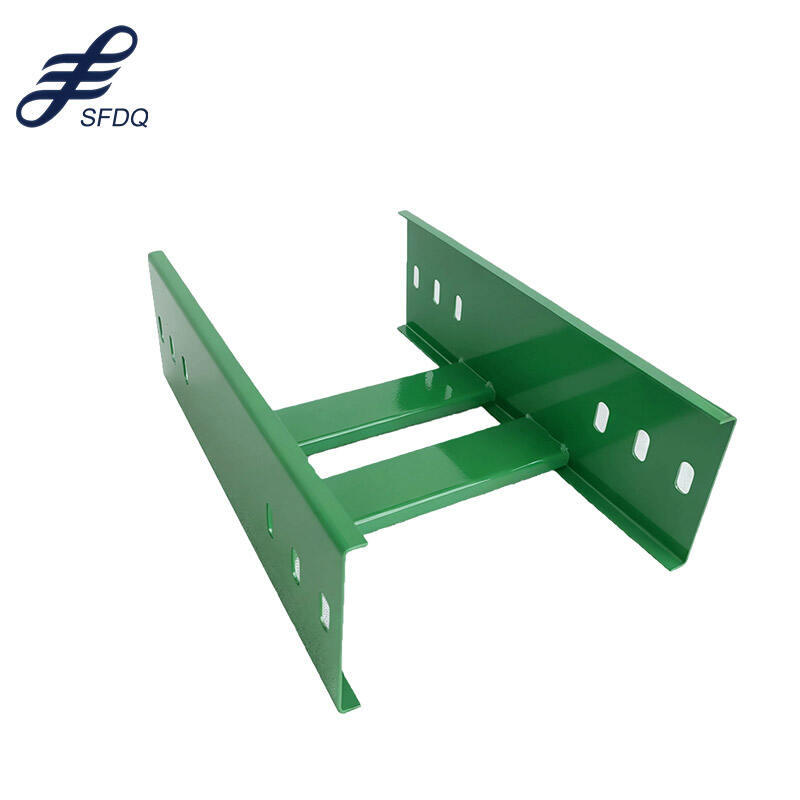
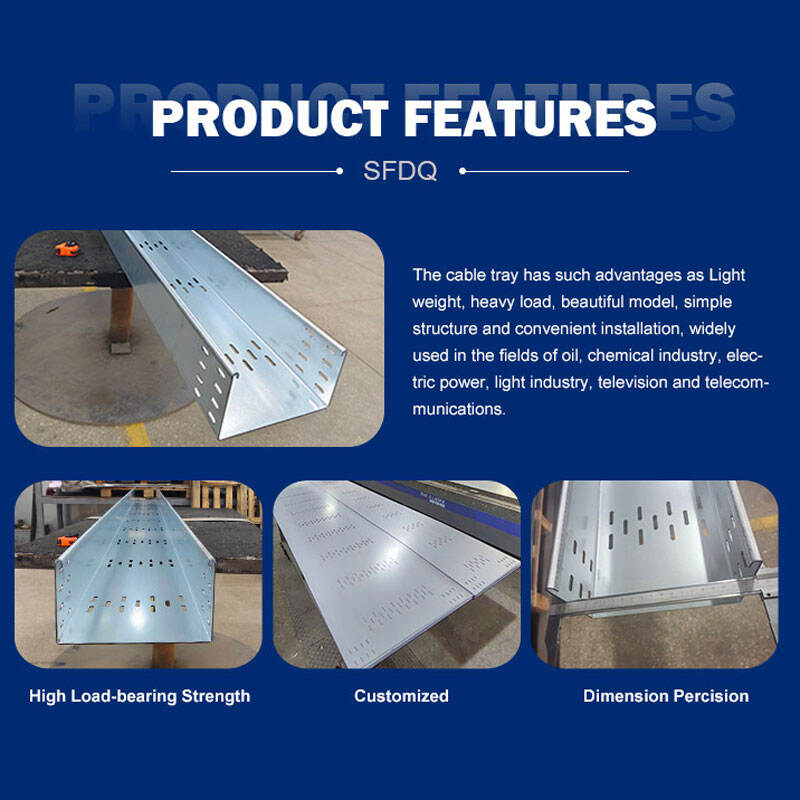
D line cable trunking represents a comprehensive cable management solution designed to organize, protect, and route electrical cables and data wires in residential, commercial, and industrial environments. This innovative trunking system features a distinctive D-shaped cross-section that maximizes internal space while maintaining a compact external profile. The d line cable trunking system consists of durable PVC or metal channels equipped with removable covers, allowing easy access for cable installation, maintenance, and modifications. The primary functions of d line cable trunking include cable protection from physical damage, electromagnetic interference shielding, fire resistance, and aesthetic enhancement of installations. The system effectively conceals unsightly wiring while providing organized pathways that comply with electrical safety standards and building codes. Technological features of d line cable trunking encompass flame-retardant materials, smooth internal surfaces for reduced cable friction, and modular design components that enable flexible configurations. The trunking incorporates precision-engineered joints, corners, and accessories that ensure seamless connections and professional installations. Advanced variants include compartmentalized designs that separate power and data cables, preventing signal interference and maintaining optimal performance. The robust construction materials resist UV degradation, chemical exposure, and mechanical stress, ensuring long-term reliability in demanding environments. D line cable trunking applications span multiple sectors including office buildings, manufacturing facilities, hospitals, educational institutions, and residential developments. The system accommodates various cable types including power distribution cables, ethernet networks, fiber optic connections, and control wiring. Installation flexibility allows surface mounting on walls, ceiling suspension, or floor-based routing, adapting to diverse architectural requirements and space constraints while maintaining professional appearance and functional efficiency.
 EN
EN