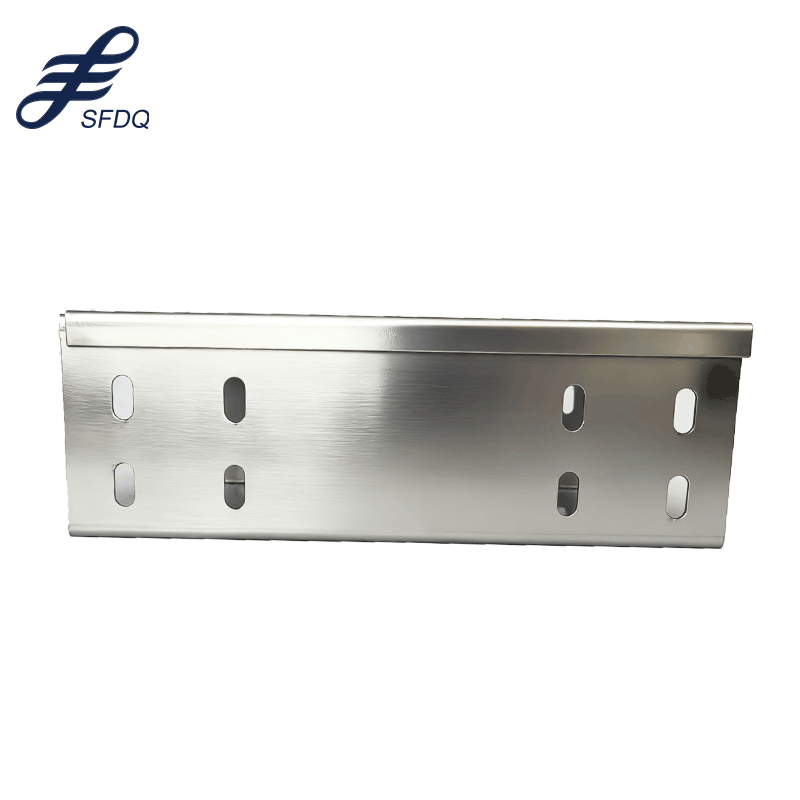
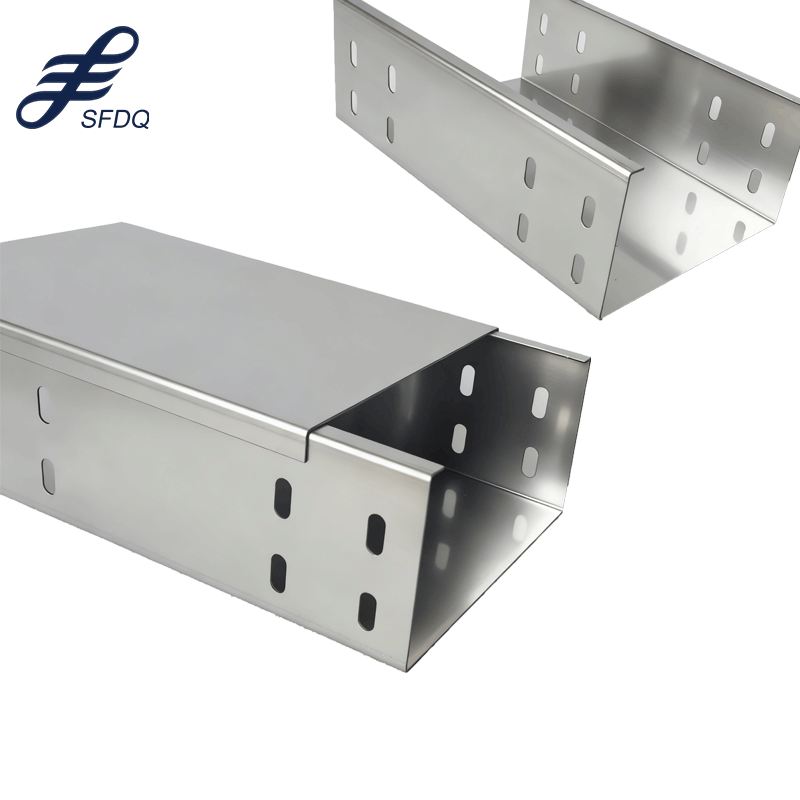
tray trunking
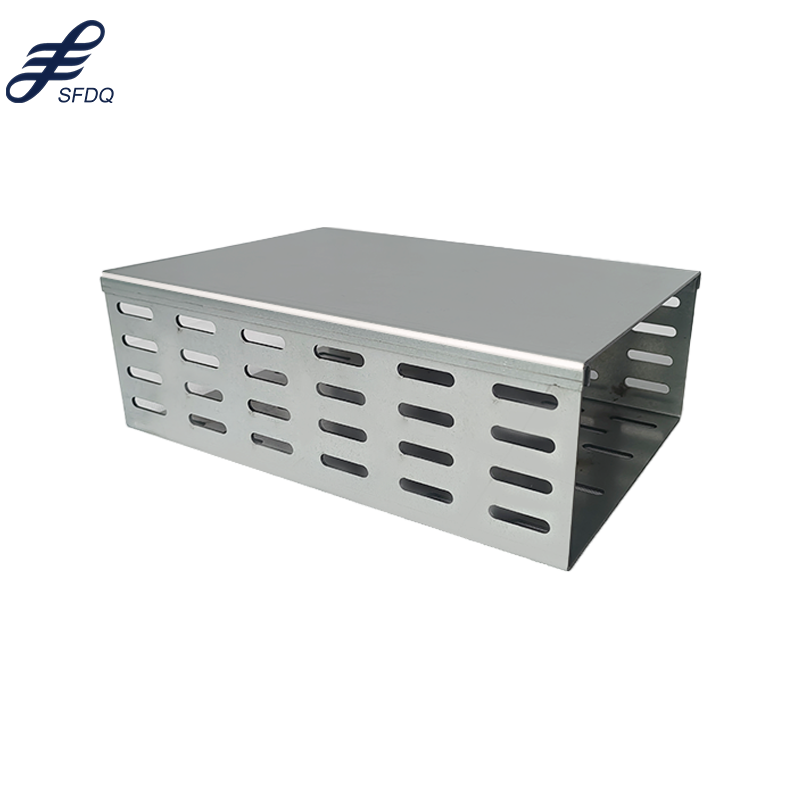
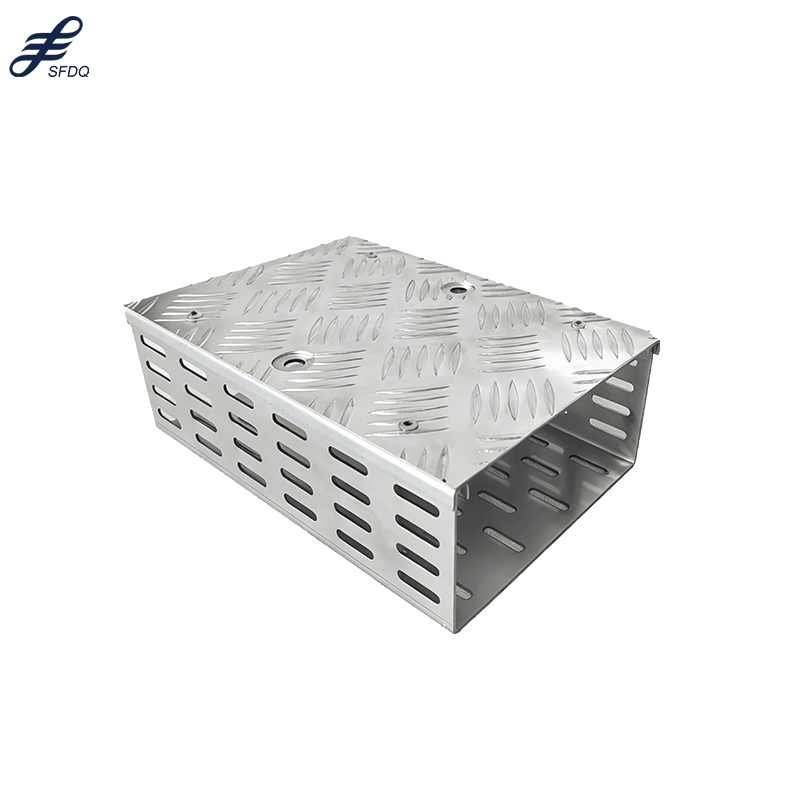
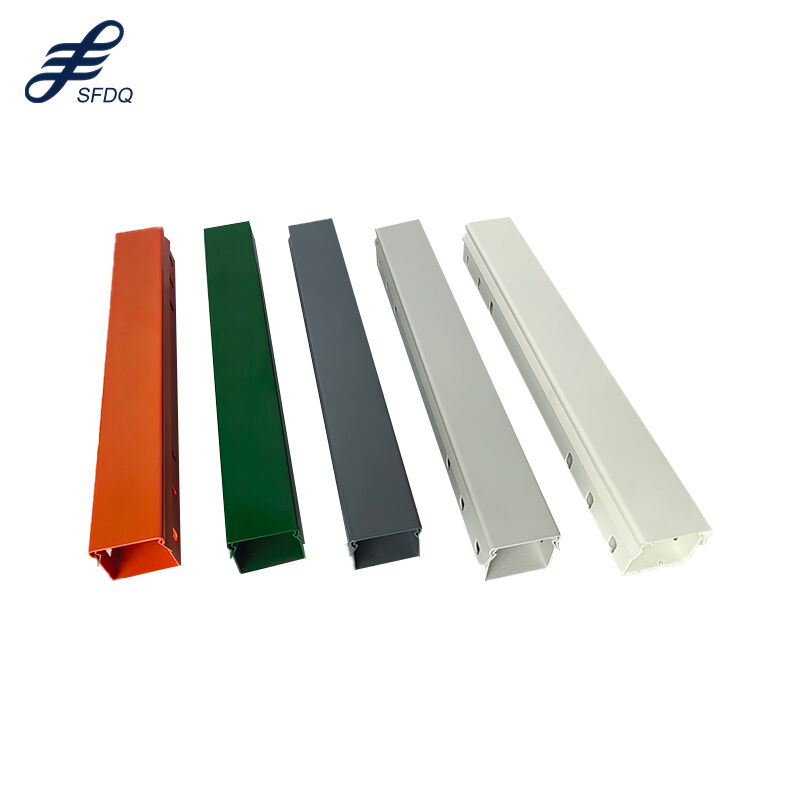
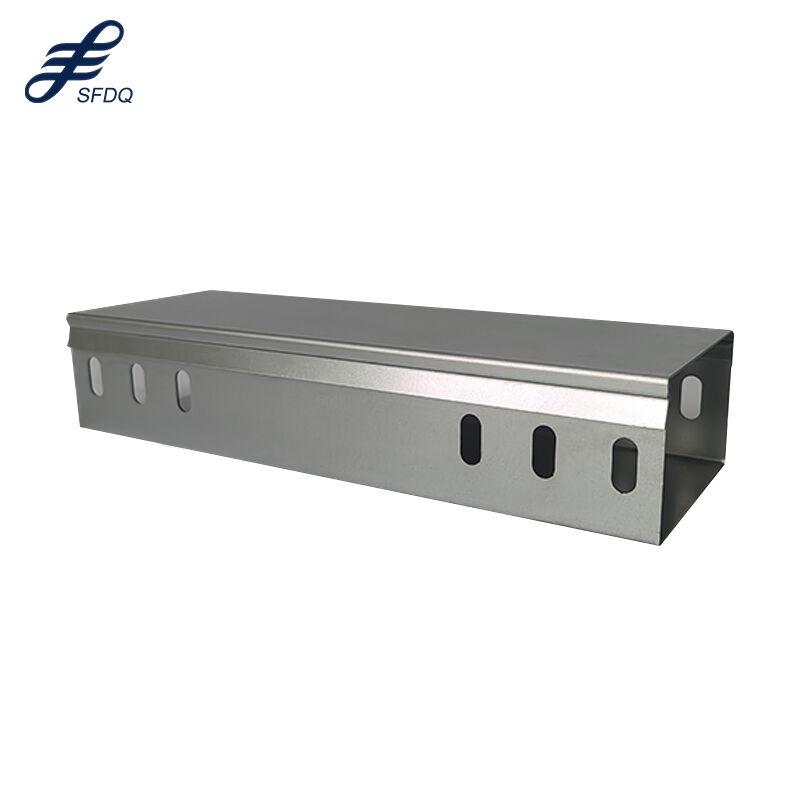
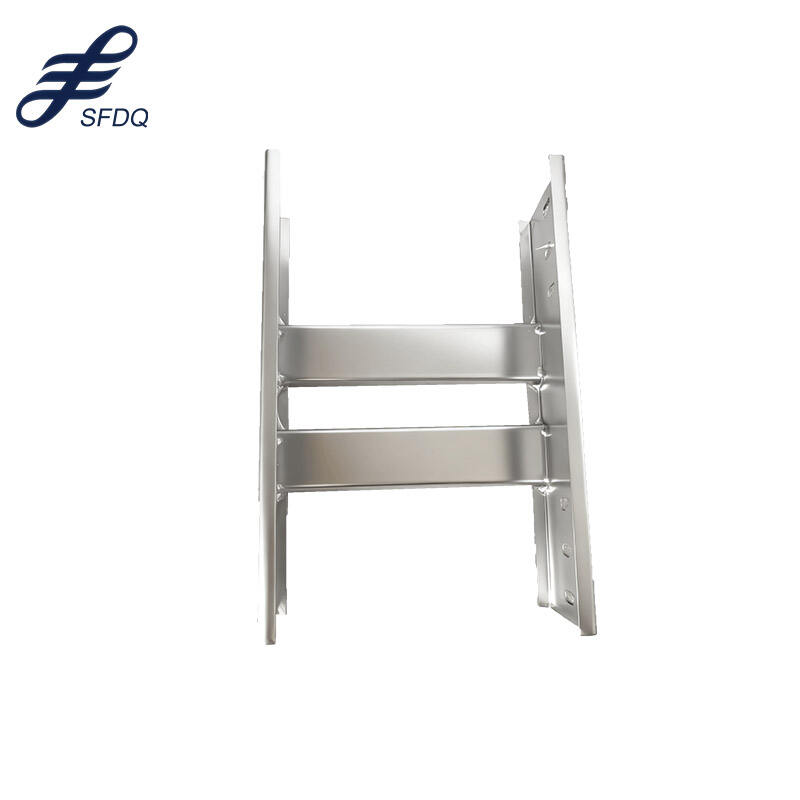
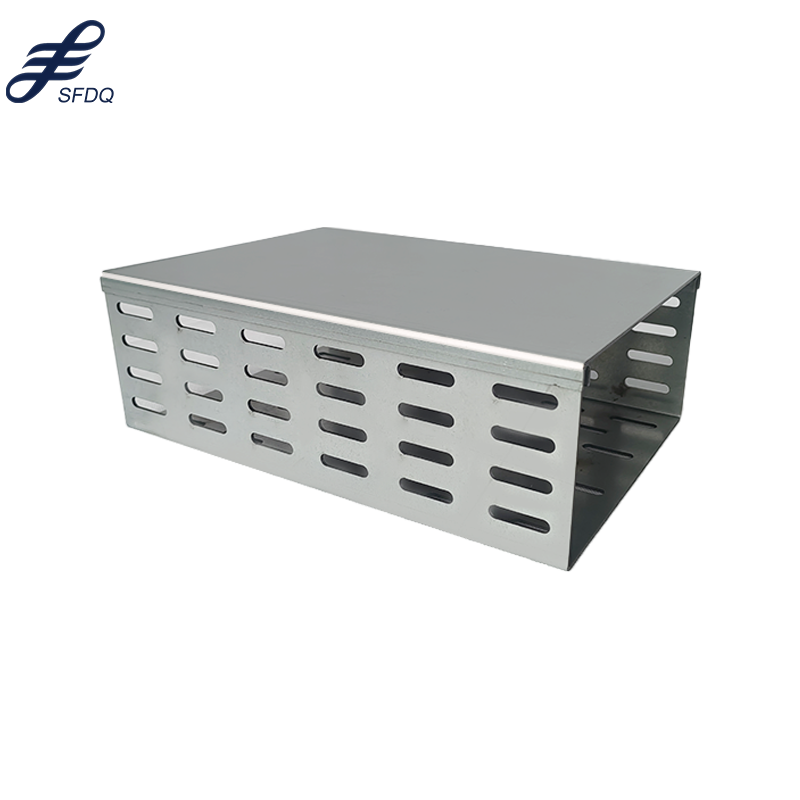
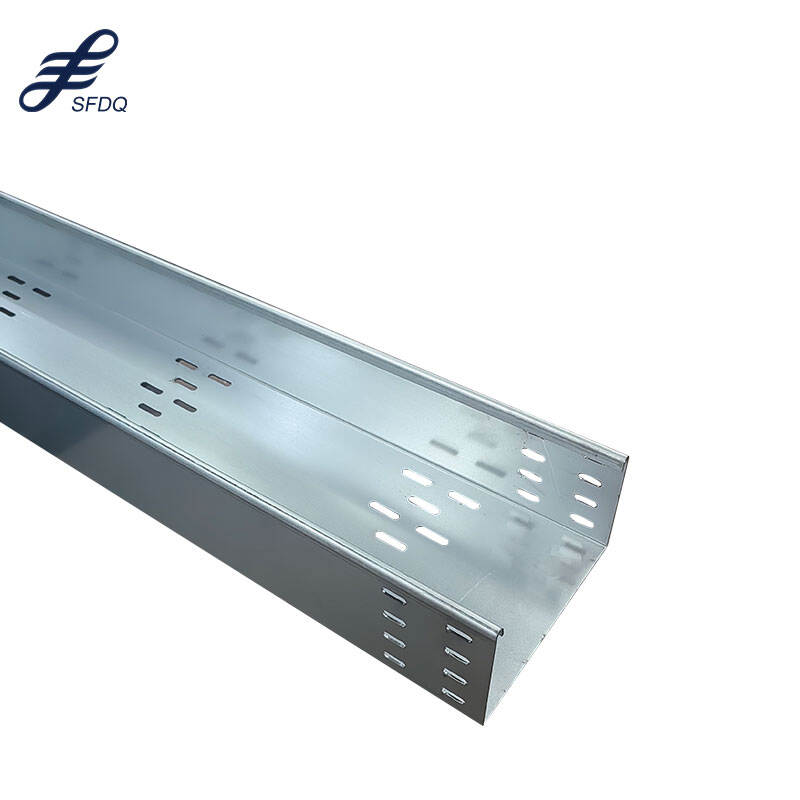
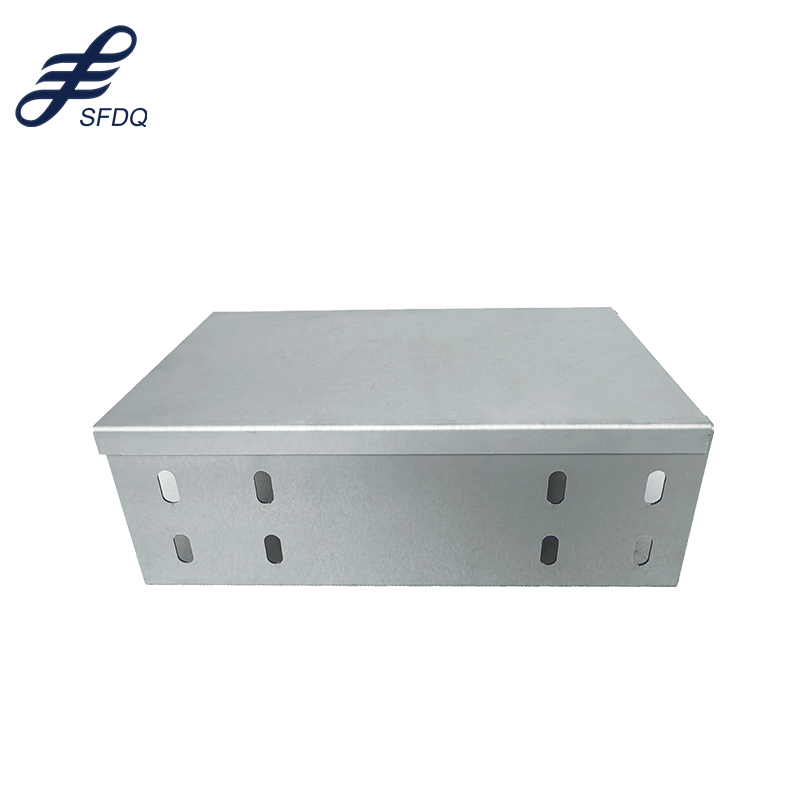
Tray trunking represents a sophisticated cable management solution designed to organize, protect, and route electrical cables efficiently throughout commercial and industrial facilities. This comprehensive system consists of interconnected cable trays that form a structured pathway for power, data, and communication cables. The primary function of tray trunking involves creating a safe, accessible, and organized infrastructure that supports various electrical installations while maintaining compliance with industry safety standards. The technological features of tray trunking include robust construction materials such as galvanized steel, stainless steel, or aluminum alloy, which provide exceptional durability and corrosion resistance. These systems incorporate modular designs that allow for easy installation, modification, and expansion as facility requirements evolve. The engineering behind tray trunking focuses on load distribution, ensuring that cables are properly supported without exceeding weight limitations or creating stress points that could compromise system integrity. Modern tray trunking systems feature perforated designs that promote airflow circulation around cables, preventing overheating and extending cable lifespan. The applications of tray trunking span across numerous industries including manufacturing plants, data centers, commercial buildings, hospitals, educational institutions, and utility facilities. In manufacturing environments, tray trunking manages complex cable networks that power machinery, control systems, and production equipment. Data centers rely on tray trunking to organize massive quantities of network cables while maintaining proper ventilation and accessibility for maintenance. Commercial buildings utilize these systems to distribute power and communication lines throughout multiple floors and departments efficiently. The versatility of tray trunking makes it an essential component in any facility requiring organized cable management, from small office buildings to large industrial complexes, ensuring reliable electrical distribution while maintaining safety standards and facilitating future modifications.
 EN
EN