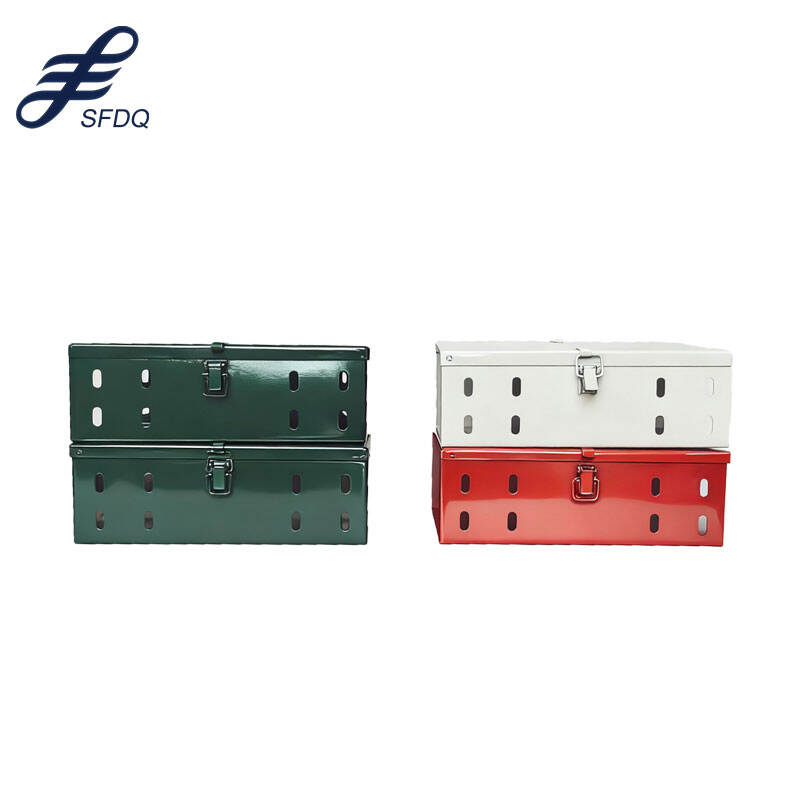
electric cable trunking
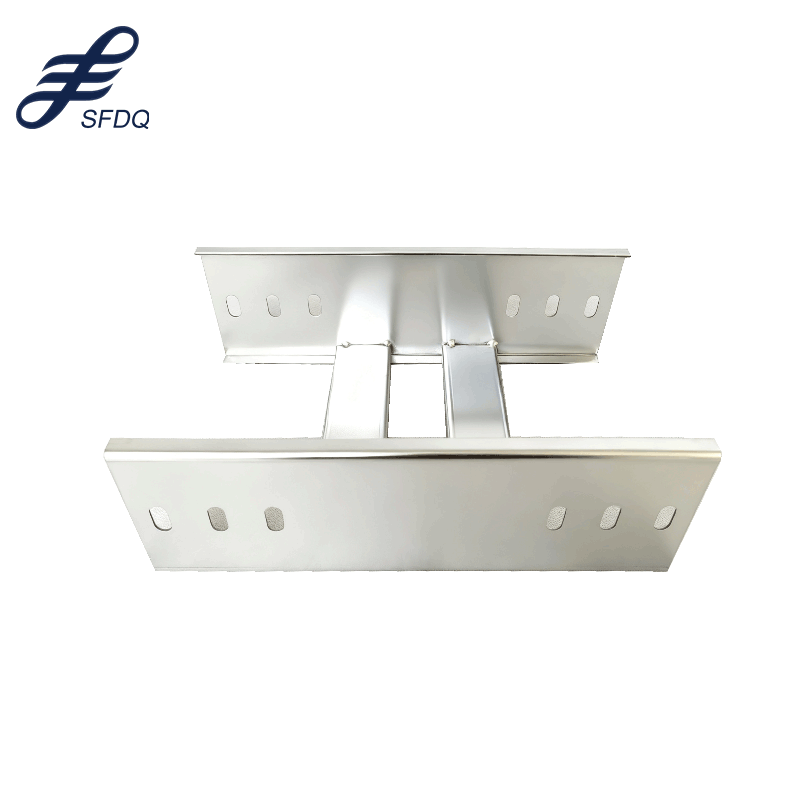
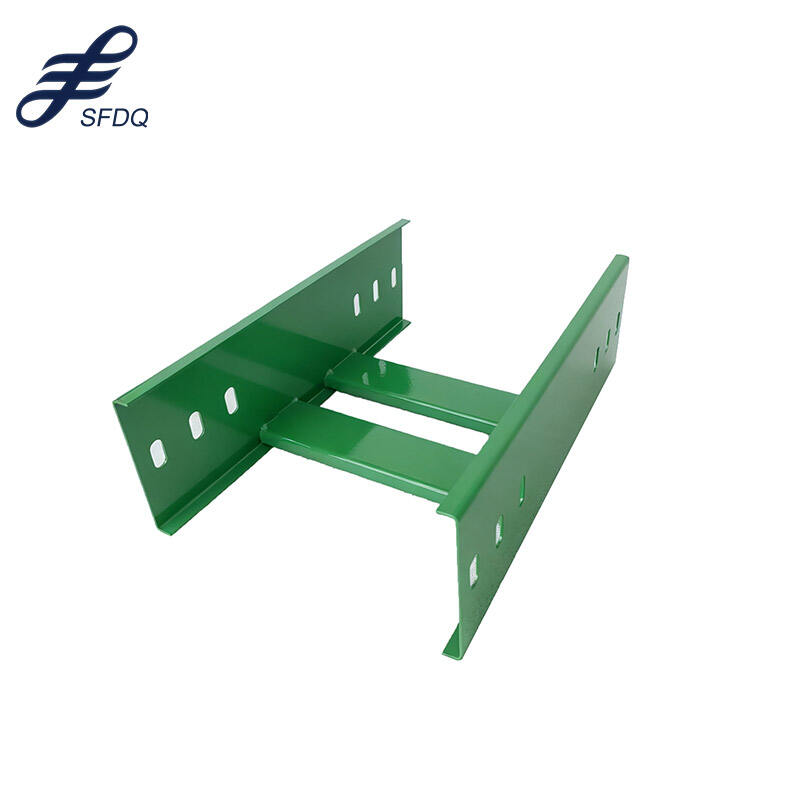
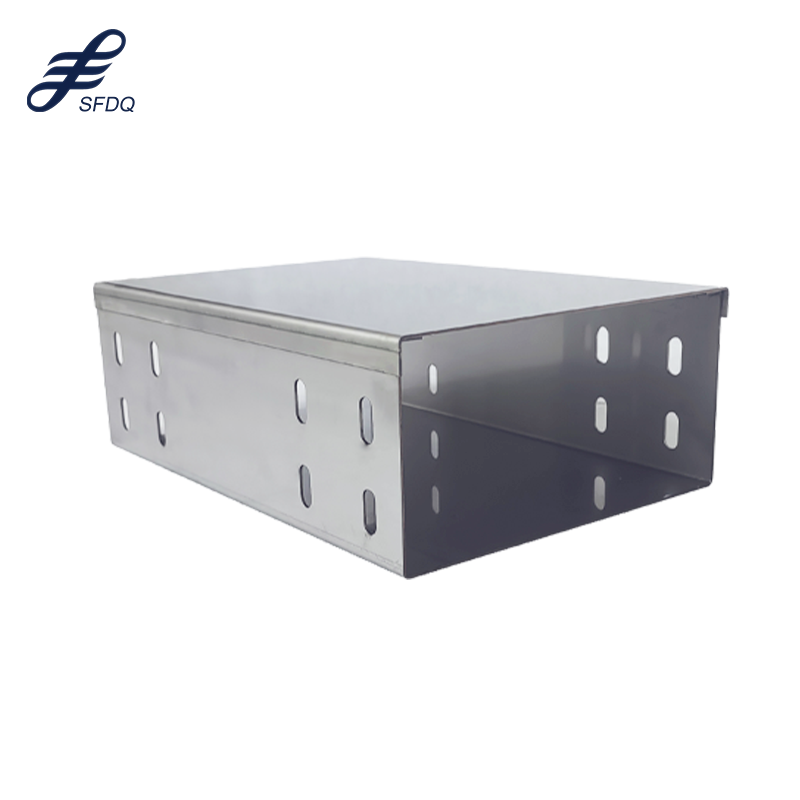
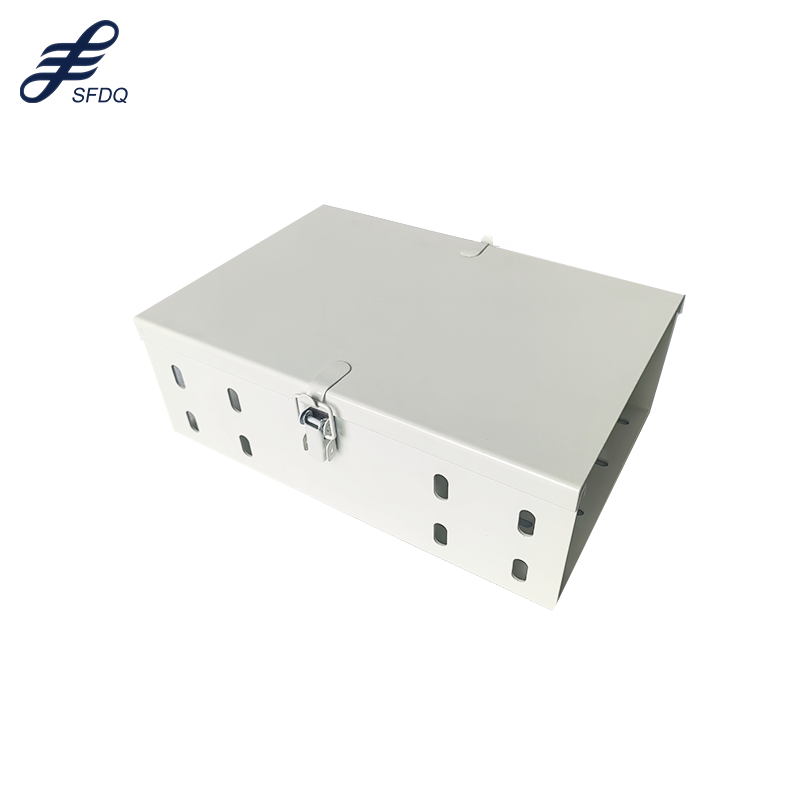
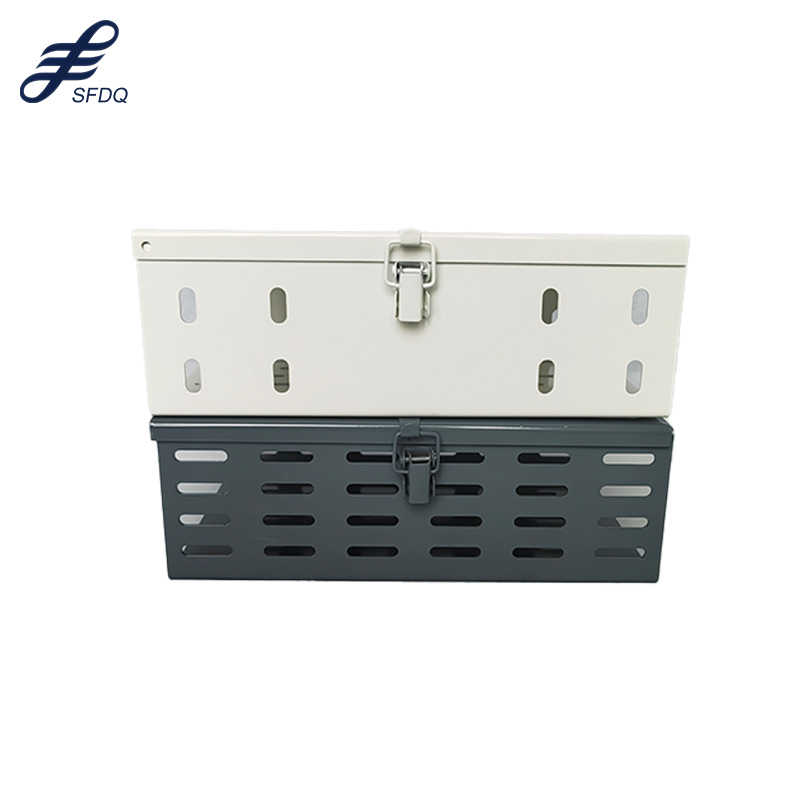
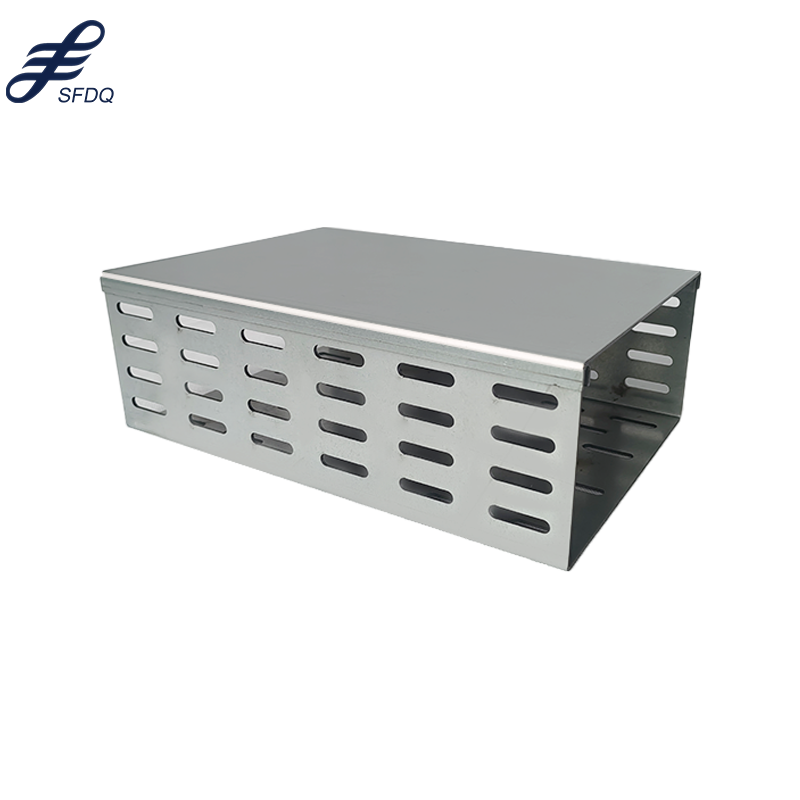
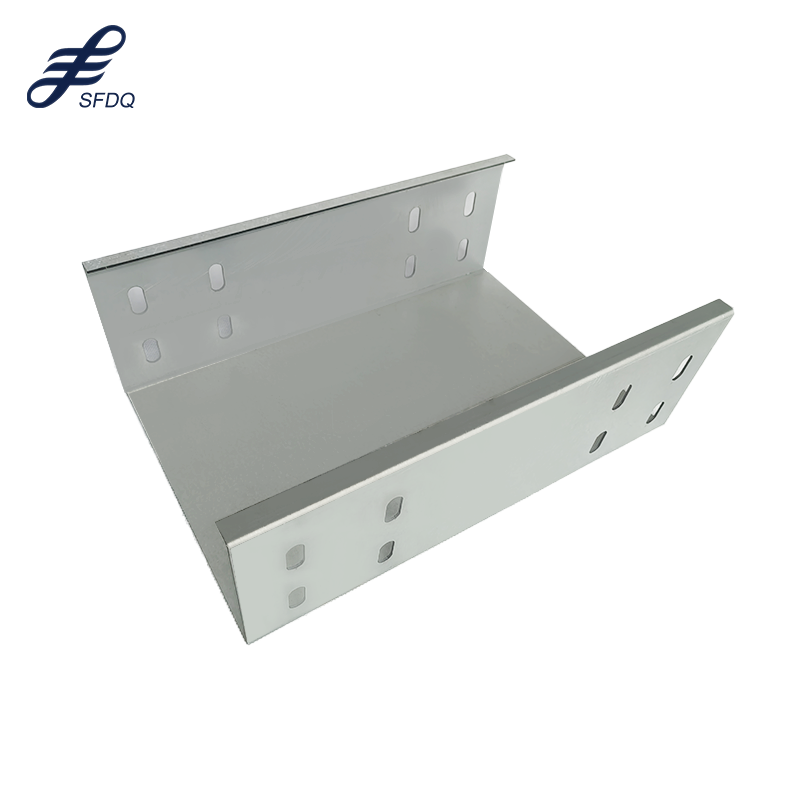
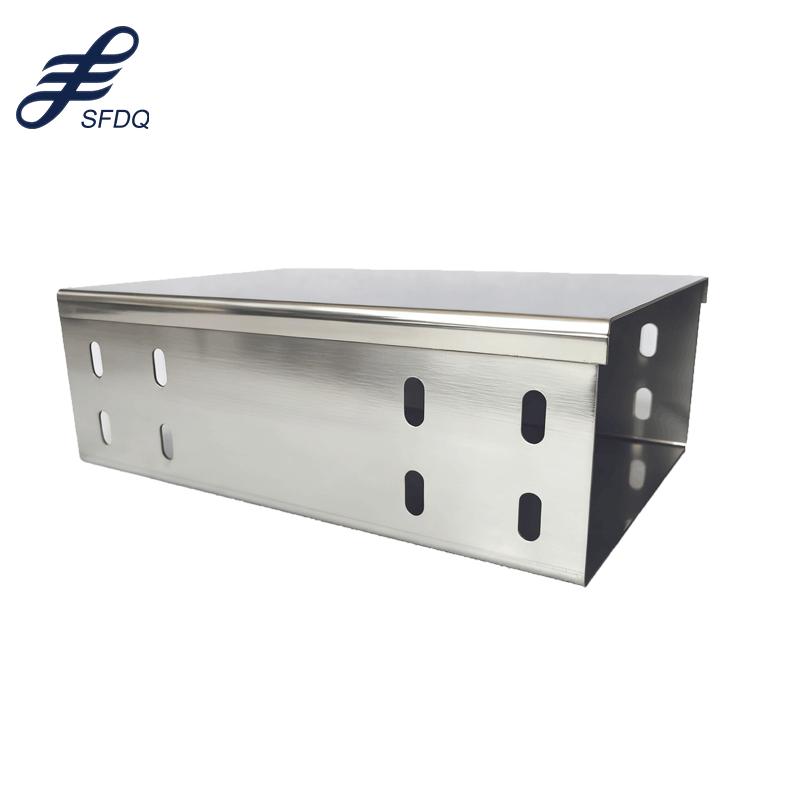
Electric cable trunking represents a fundamental infrastructure solution designed to house, protect, and organize electrical cables throughout commercial, industrial, and residential buildings. This comprehensive cable management system consists of enclosed channels or ducts that provide a secure pathway for electrical wiring while maintaining accessibility for maintenance and future expansions. The primary function of electric cable trunking involves safeguarding electrical cables from environmental hazards, mechanical damage, and electromagnetic interference while ensuring compliance with safety regulations and building codes. Modern electric cable trunking systems incorporate advanced materials such as galvanized steel, aluminum, or high-grade PVC that deliver exceptional durability and corrosion resistance. These systems feature modular designs that accommodate various cable types including power cables, data transmission lines, fiber optic cables, and control wiring within a single organized framework. The technological features of electric cable trunking include compartmentalized sections that separate different cable categories, preventing cross-interference and maintaining signal integrity. Many contemporary systems integrate hinged or removable covers that facilitate quick access for installation, maintenance, or system upgrades without disrupting adjacent cables. Fire-resistant properties constitute another critical technological advancement, with many electric cable trunking products meeting stringent fire safety standards through specialized coatings and materials. Applications for electric cable trunking span diverse sectors including manufacturing facilities, office complexes, healthcare institutions, educational establishments, data centers, and retail environments. In industrial settings, electric cable trunking manages heavy-duty power distribution systems while protecting sensitive control circuits from harsh operating conditions. Commercial installations utilize these systems to create clean, professional appearances while maintaining flexible infrastructure for evolving technology requirements. The versatility of electric cable trunking makes it suitable for both new construction projects and retrofit applications where existing cable management requires improvement or expansion.
 EN
EN